Machu Picchu with children: what families need to know
From Cusco: Machu Picchu Day Trip with Train Tickets
Can you take children to Machu Picchu?
Yes — Machu Picchu is excellent for children aged 6 and over. At 2,430 m it is significantly lower than Cusco, the llamas on the terraces are reliably a highlight, and the scale of the site is immediately impressive without requiring detailed historical knowledge to appreciate. Children under 8 enter free. An overnight stay in Aguas Calientes is strongly recommended to avoid the exhausting 3:30 am departure from Cusco.
Why Machu Picchu works for children
| Minimum age | around 5–6 for the citadel; under 8 enter free |
| Format | overnight in Aguas Calientes strongly recommended over day trip |
| Route | Circuit 2 + Circuit 1 (3–3.5 hrs), skip Circuit 3 with young kids |
| Cost | ages 8–17 pay ~S/77; under 8 free with a booked slot |
| Avoid | Huayna Picchu / Machu Picchu Mountain add-ons for children |
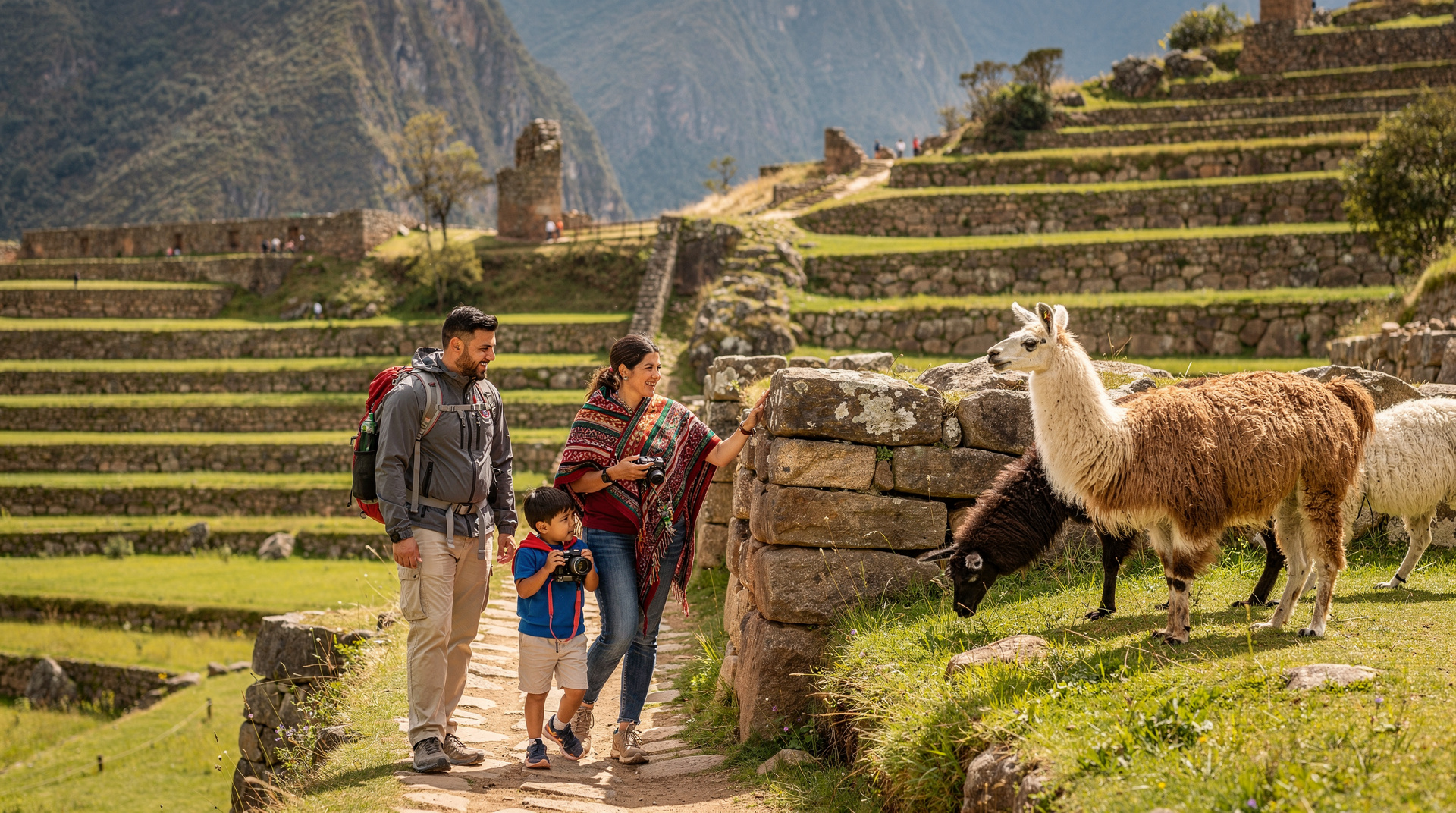
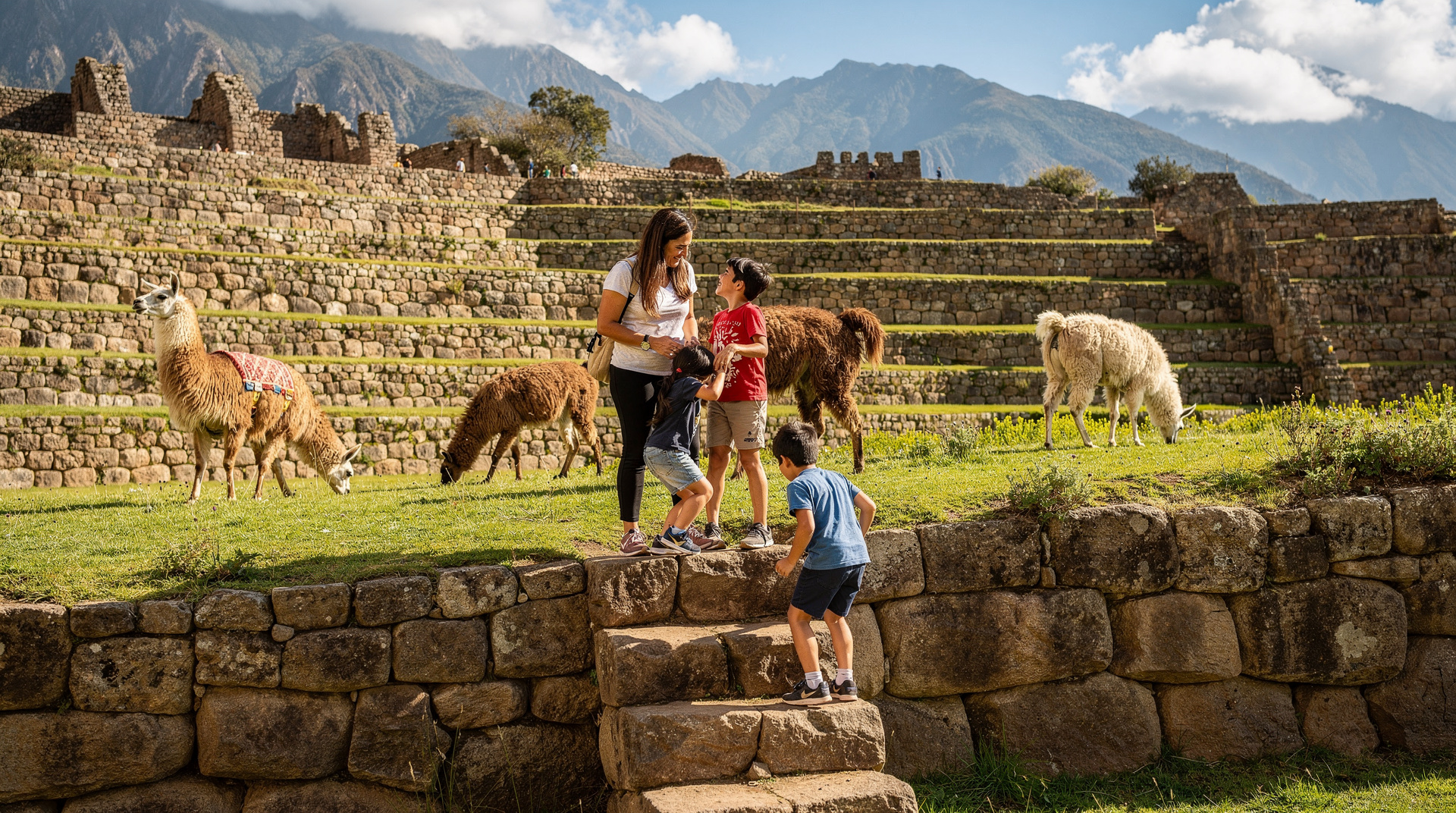
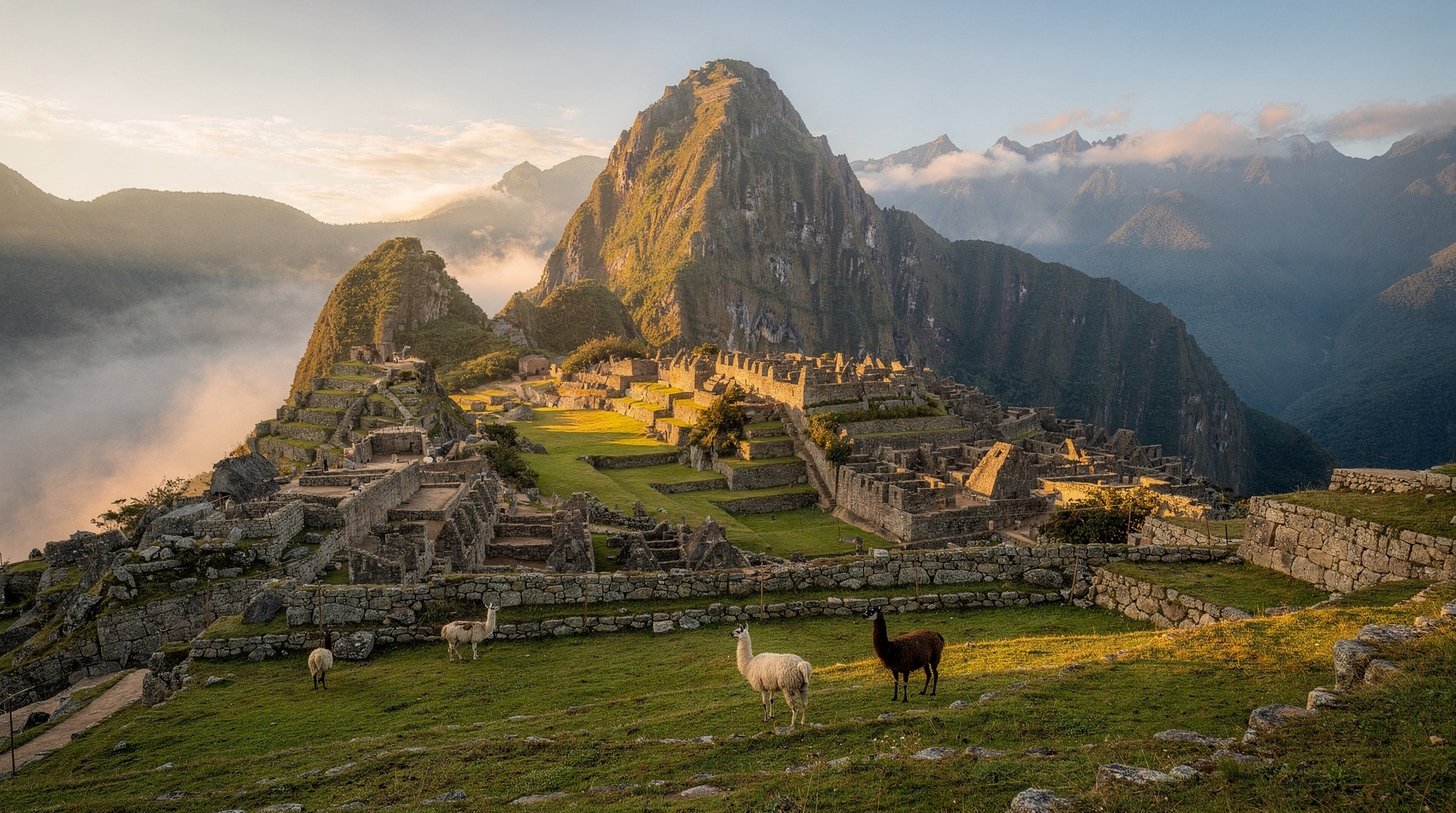
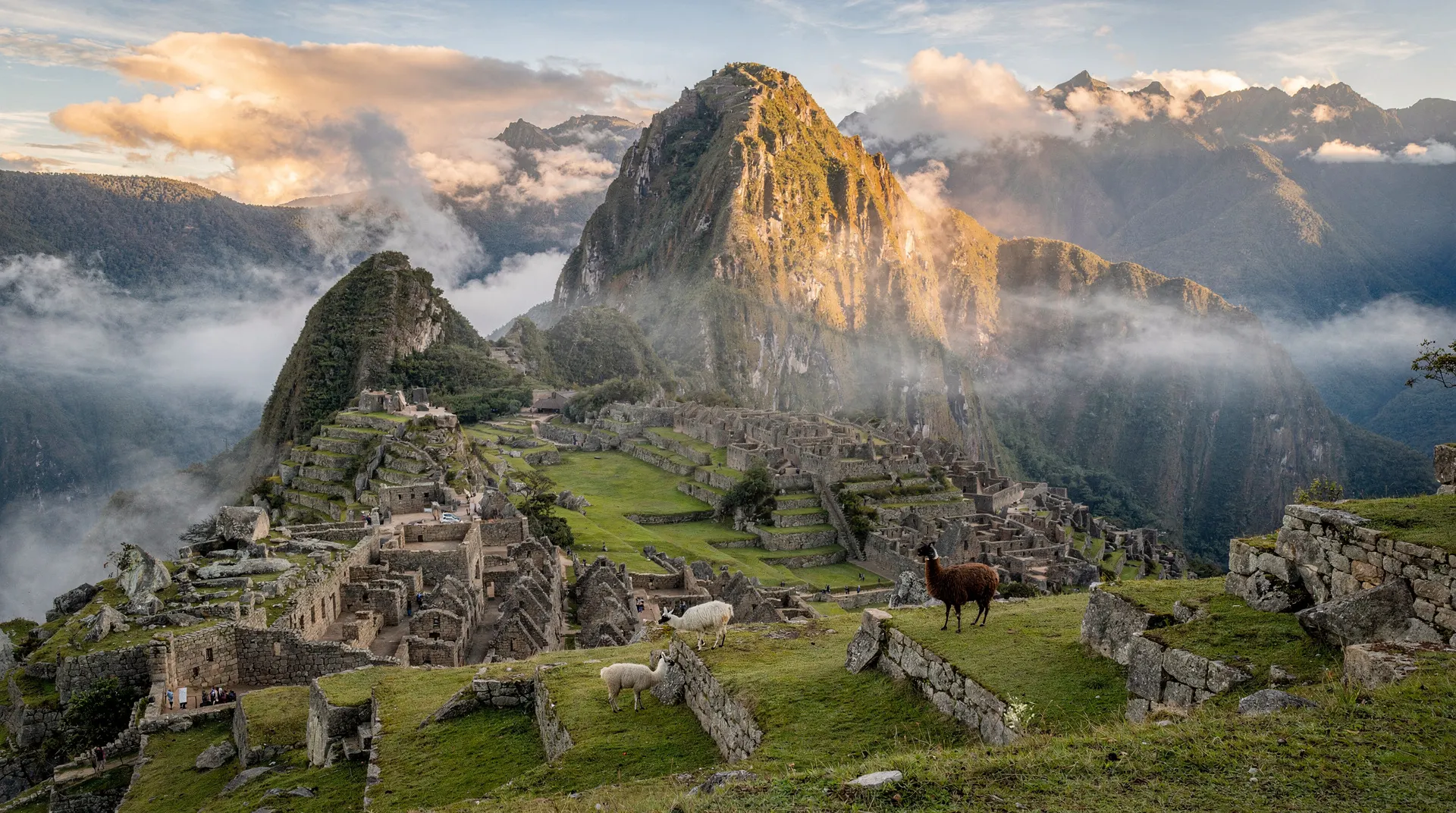
Machu Picchu consistently appears in lists of best-ever travel experiences reported by children who have been. The combination of reasons is more specific than simply “it is famous and impressive”: the llamas grazing the terraces are interactive and close; the scale of the construction invites the immediate question of how it was done (genuinely unanswered for some aspects); the open-air format means children are not constrained to whisper and file; and the cloud-forest setting — mist, hummingbirds, green-covered ridges — creates a visual environment that is immediately striking to any age.
At 2,430 m, Machu Picchu sits roughly 1,000 m lower than Cusco — a descent that families who have spent 4–5 days adjusting at high altitude consistently describe as a physical relief. The contrast is large enough to be immediately noticeable: breathing is easier, movement is less effortful, and the energy levels of both children and adults are higher than at any other point of the trip above sea level. This low-altitude advantage, combined with the dramatic setting, makes Machu Picchu the most physically comfortable of the major sites for families.
It is also, at 2,430 m, significantly lower than Cusco at 3,400 m. For a family that has spent the preceding 4–5 days at Cusco altitude, the descent to Machu Picchu altitude typically feels like a relief — children often describe feeling more energetic and comfortable at the citadel than anywhere else in the trip.
The overnight decision: why almost every family should take it
The standard day-trip structure from Cusco to Machu Picchu involves:
- 3:30–4:00 am: Wake children
- 4:00 am: Depart Cusco by bus or taxi to Ollantaytambo
- 5:30 am: Board train to Aguas Calientes
- 7:00 am: Arrive Aguas Calientes, board bus to citadel gate
- 7:20 am: Arrive at gate, wait for opening
- 7:30 am: Enter citadel for 3–4 hours
- 12:00 pm: Leave citadel, return bus, lunch in Aguas Calientes
- 2:30–3:00 pm: Return train to Ollantaytambo
- 4:30–5:00 pm: Bus or taxi back to Cusco
- 6:30–7:00 pm: Arrive Cusco
That is 15+ hours for a day that begins before dawn. For adults travelling without children, this is manageable and often done. For families with children under 12, it almost universally produces significant problems somewhere in the day — overtiredness after the site visit, grumpiness on the return journey, or a child who is exhausted at the citadel and unable to engage properly.
The overnight alternative: Arrive Aguas Calientes the evening before, check into a hotel, have a proper dinner and a full night’s sleep. The next morning, walk to the bus stop at a civilised time, board the first bus (around 5:30 am, which children can handle after a night’s sleep), and enter the site as it opens. You can spend a full morning at Machu Picchu, return to the hotel for lunch, and take an afternoon train back to Cusco. The entire experience is transformed. The Aguas Calientes guide covers accommodation options across price tiers.
Families who prefer not to assemble the pieces themselves can book a two-day, one-night tour combining the Sacred Valley and Machu Picchu by train, which builds the overnight into the plan and spares you the pre-dawn start.
The age-by-age guide
Under 5: Possible with realistic expectations. The citadel altitude is manageable; the site is open-air; children in carriers are fine on the paths. The practical limit is that very young children tire quickly and the round trip is still a long day even with an overnight. Under-3s need paediatric medical consultation — not a prohibition, but a necessary step. The altitude exposure at Cusco en route (3,400 m) is the more significant medical consideration than Machu Picchu itself.
Ages 5–7: Most children in this range can complete Circuit 1 or Circuit 2 (approximately 90 minutes–2 hours walking) without difficulty after 4–5 days of acclimatisation. The morning is the productive window; afternoon energy reserves are unpredictable. Bring more snacks than you think you need. Keep the visit to 2–2.5 hours maximum. The llamas are typically the most exciting part of the visit.
Ages 8–12: The ideal age range. Sufficient stamina for Circuit 1 + Circuit 2 (3–3.5 hours), genuinely interested in the engineering and historical questions, and old enough to understand basic context from a guide or preparatory reading before the trip. Children in this range who have been introduced to Inca history beforehand — through books, documentaries, or a guide — engage at a qualitatively different level from those arriving without context.
Teenagers: Handle Machu Picchu as adults. May appreciate the mountain add-ons (Huayna Picchu for properly acclimatised teenagers aged 14 and up who are comfortable with heights — check the current age restriction, which varies by season and operator policy). The Inca Trail or Salkantay trek is a genuinely exceptional experience for teenagers who can handle the multi-day exertion.
Practical logistics for families
Tickets
Children under 8 enter Machu Picchu free but still require a booked entry — the timed-entry system applies regardless of ticket price, and unbooked children will be refused entry at the gate. Children aged 8–17 pay S/77 ($23) versus the adult S/152 ($45). Book through tuboleto.cultura.pe, entering each child’s passport number. The tickets guide covers the process.
Book the earliest available entry slot — the 6 am or 7 am entry. Early morning is cooler, less crowded, and the quality of light for photographs is better. For families, the crowd difference between morning and mid-day is significant — earlier is dramatically better with children.
The bus up from Aguas Calientes
Buses to the citadel gate run from the Aguas Calientes bus terminal from approximately 5:30 am. Buy tickets in advance at the Consettur office in Aguas Calientes the day before or at the terminal on the morning — the fare is S/80 round trip per adult, S/40 per child (under 12). The queue moves quickly. Do not walk up the steep bus road to the gate with young children — it takes 45–60 minutes uphill on a steep switchback path and arrives at the gate already tired before the site has begun.
What to tell children before the visit
A brief orientation before the visit significantly improves engagement. Key points that land well with children:
- The Inca Empire was roughly as large as Western Europe and was conquered by fewer than 200 Spanish soldiers in the 1530s
- Machu Picchu was never found by the Spanish — the local farming families kept it secret
- The stones fit together without mortar and have survived earthquakes that destroyed nearby buildings
- No one is completely sure what it was for — some people think a palace, some a ceremonial site, some both
- The llamas are not decorative — they are a working part of the site’s conservation programme
The mystery element — the genuine uncertainty about some aspects of the site — is often more engaging for children than a definitive answer.
At the site
A day trip to Machu Picchu with guide and transport included is particularly well-suited to families with younger children — the guide manages the pacing and context, and the transport logistics are handled as a single booking.
If you would rather have someone explain the stonework to the children than do it yourself, an entry ticket bundled with a guided visit of the citadel keeps the explanation layer in the hands of a professional while you focus on the children.
Recommended family route: Enter on Circuit 2 (the ceremonial core — Temple of the Sun, Royal Tomb, Sacred Plaza, Intihuatana stone). Spend approximately 2 hours with a guide who can engage children at their level. Transition to Circuit 1 viewpoint (the llama terrace and panoramic hut) for the famous photograph and llama encounters. Total: 3–3.5 hours at a comfortable family pace.
What to avoid with younger children:
- The mountain add-ons (Huayna Picchu, Machu Picchu Mountain) — steep, dangerous in wet conditions, and not worth the risk with children
- Attempting all three circuits in a single visit — this is 5–6 hours and exceeds most children’s useful engagement window
- Arriving after 10 am — the crowds and heat significantly reduce the experience quality
Food and water: Pack everything before boarding the bus in Aguas Calientes. Two litres of water per person minimum, plus snacks for a full morning. The Sanctuary Lodge inside the site sells food at hotel prices (sandwiches from S/60 upwards); you are not reliant on it but it is the only option.
Toilets: Located at the main entrance before the gate. There are no toilets inside the citadel. Ensure all children use the facilities before entering.
After the site: making the most of Aguas Calientes
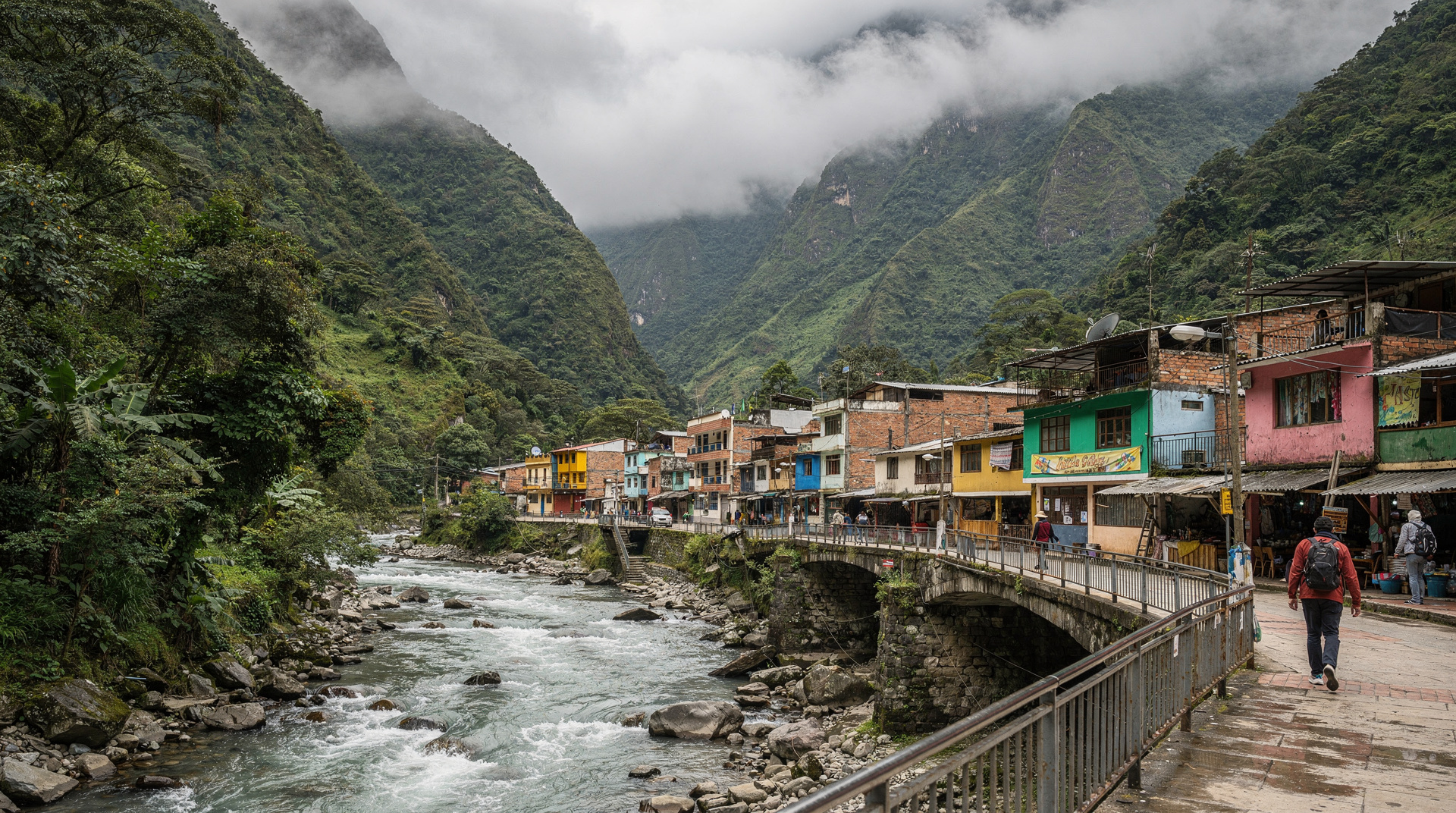
Aguas Calientes — the town below the citadel — is genuinely charming for an afternoon with children after the site visit. The hot springs (aguas calientes means “hot waters”) at the thermal baths are a legitimate attraction: outdoor pools at varying temperatures, S/15–20 entry per person, genuinely relaxing after a morning walking. Children enjoy them.
The street food market near the bus terminal does excellent empanadas and local snacks at S/8–15. The riverside walk between the two bridges is flat, pleasant, and lined with restaurants. The afternoon until the return train (typically 3–5 pm departure) passes easily.
The town is compact and there is no safety concern with children exploring it freely during daylight hours. The main street parallel to the rail tracks (Pachacutec) has ice cream, tourist restaurants, and souvenir shops that occupy children for an hour without difficulty.
What children typically remember most
Parents returning from Machu Picchu with children consistently report the same cluster of things that children describe as highlights: the llamas up close (frequently closer than any zoo encounter), the scale of the Intihuatana stone and the immediate question of what it was for, the view from the Hut of the Caretaker when the mist clears, and the train journey through the cloud-forest gorge both directions.
Less universally highlighted: the Temple of the Sun (architecturally extraordinary but requires explanation to land), the detailed construction techniques of the urban sector (appreciated more by adults), and the cemetery area (part of Circuit 3, less often visited by families on a single day). This does not mean the detailed sections are not worth seeing — a good guide can bring them to life for any age — but in terms of independent, spontaneous engagement, the large-scale landscape and the animals tend to dominate children’s memories.
The practical implication: a guide for the first 90 minutes at Machu Picchu (covering the Temple of the Sun, Sacred Plaza, and the panoramic viewpoint in sequence) delivers the explanation layer that unlocks the engineering details. After that, allowing children to explore at their own pace — with a parent’s commentary supplemented by curiosity rather than a programme — tends to produce the deepest engagement.
Motion sickness, altitude and small medical concerns
The train journey between Ollantaytambo and Aguas Calientes is smooth by rail standards, but children prone to motion sickness on winding roads can still feel queasy on the tighter curves near the gorge — an over-the-counter remedy suited to your child’s age, taken before boarding, solves this for most families. Altitude at Cusco (3,400 m) is the more significant medical factor of the whole trip; Machu Picchu itself, at 2,430 m, rarely causes problems even in children who felt rough in Cusco.
Pack any regular medication in carry-on rather than checked luggage, and know the location of the nearest clinic in Aguas Calientes (near the Plaza de Armas) for the rare case of a minor injury or stomach upset. The altitude sickness guide covers symptoms and precautions specific to children in more depth.
Photography and keeping children engaged mid-visit
Handing a child their own (inexpensive, shockproof) camera or letting them use a phone for photos meaningfully increases engagement at sites that might otherwise feel like “walking and listening.” Set a simple photo mission before entering — find the best llama photo, the most interesting stone joint, the clearest mist shot — and children who might otherwise flag after an hour stay invested for the full visit. Bring a small notebook for younger children to draw what they see; the wait time at the entrance and the bus queue are natural moments for this rather than dead time.
Building the trip around the citadel
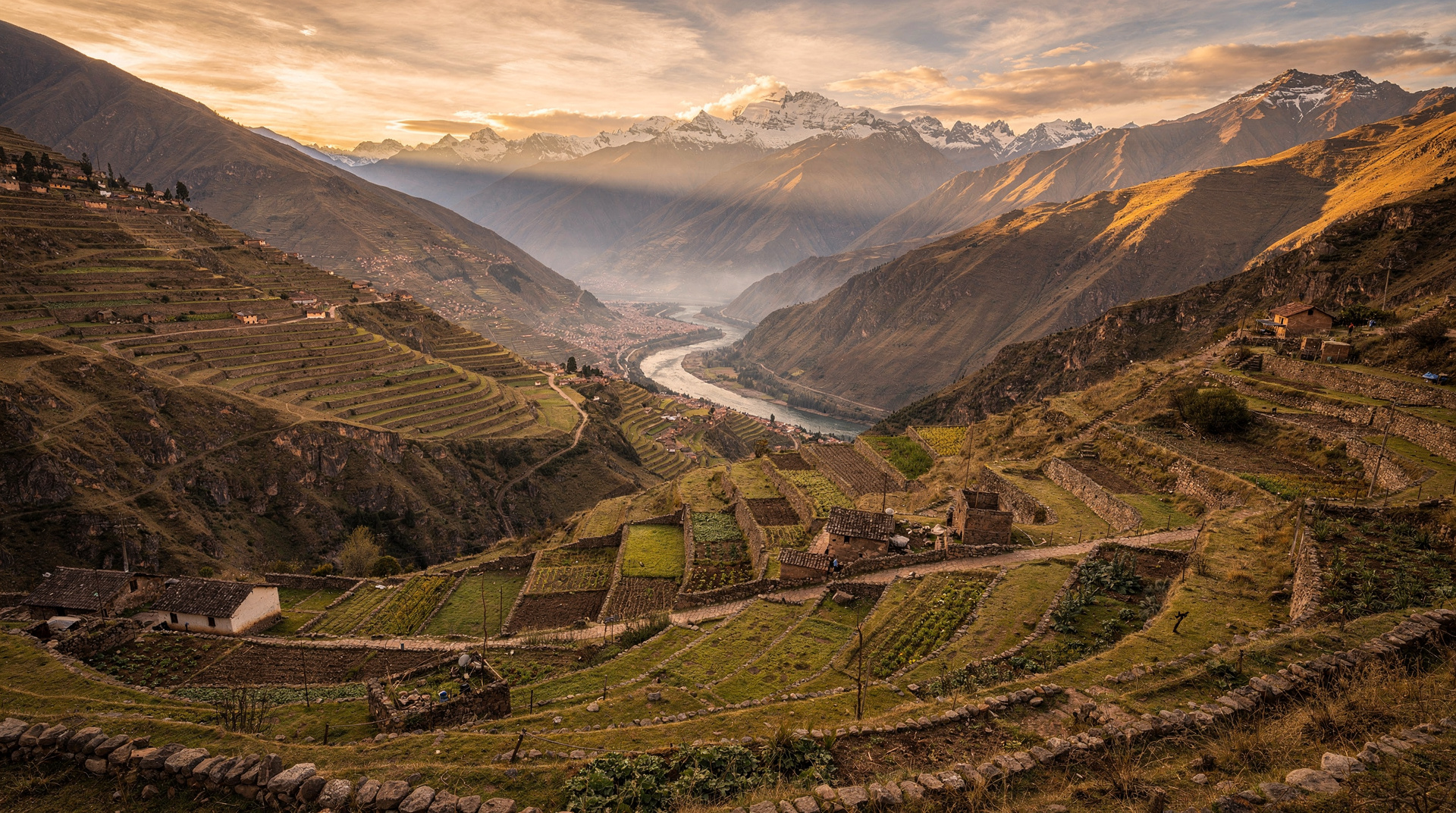
Machu Picchu works best as the finale of a family trip, not its opening act. Spending the first days in the Sacred Valley lets children adjust to the altitude gently, and the Sacred Valley versus Cusco comparison explains why many families sleep there first. Small, hands-on stops such as Pisac and Ollantaytambo give children a first taste of Inca stonework before the main event, so the citadel feels like the payoff of something they have already started to understand. The acclimatization plan is worth reading before you fix any dates.
For the journey itself, the train guide and the comparison of the two rail companies help you choose a departure time that suits your children’s rhythm. Families who want a ready-made pacing can look at the family itinerary over six days, or at the four-day Cusco and Machu Picchu itinerary if time is shorter.
Timing matters as much as route. Crowds, rain and temperature shift across the year, and the month-by-month guide will help you pick a season when children are comfortable and the paths are less slippery. Before booking, the circuits explained page shows how the routes fit together, and the ticket types comparison clarifies what each entry includes. Buy only through official channels; the guide to fake Machu Picchu tickets describes what to avoid.
Pack with children in mind, too. The packing guide for Cusco covers layers and rain protection, and the altitude explainer for the citadel puts the site’s elevation in context so you know what to expect from small lungs and legs. If you want a gentler alternative for the days around the visit, the family-friendly day trips and the Cusco with kids guide suggest outings with less walking, and the complete Machu Picchu guide pulls the whole picture together.
The honest assessment for families
Machu Picchu with children, done well, is one of the great family travel experiences. The combination of genuine architectural wonder, living animals, cloud-forest setting, and historical mystery creates something that children respond to at a deeper level than many adult visitors expect. The critical investment is in the overnight rather than the day trip — this single decision transforms the experience quality for every member of the family. The Cusco with kids guide covers the broader Cusco family visit, and the family day trips guide gives options for the days before and after the citadel.