Machu Picchu circuits compared: which circuit should you choose?
Machu Picchu: Circuit 3 Entry Ticket
Which Machu Picchu circuit should I choose?
Since 1 June 2024 there are three circuits, grouping ten routes. Circuit 1 (Panorámico) includes Machu Picchu Mountain, the upper terrace and, in high season only, the Sun Gate and Inca Bridge routes. Circuit 2 (Clásico) is the route through the Inca city itself, with an optional lower terrace route. Circuit 3 (Realeza) includes Huayna Picchu, a route through the urban sector and, in high season only, the Great Cave and Huchuy Picchu. There is no Circuit 4. For a first visit focused on the Inca city, Circuit 2 is the one that walks through it; choose Circuit 3 if Huayna Picchu is your goal.
The circuit system: what changed and why it matters
Visiting Machu Picchu is not the open-ended wander it once was. Since 1 June 2024, all visitors must choose a specific numbered circuit (and route within it) and a time slot when purchasing entry tickets, and must follow the designated one-way route through the site.
This is not merely an administrative change. It determines which areas you visit, how long you spend inside, whether you can climb Huayna Picchu, and what your overall experience of the site feels like. Choosing the wrong circuit — or not realising the choice exists — is a common planning mistake that cannot be corrected after you have entered.
This guide explains each circuit directly so you can make the choice before you book.
| Circuits | 3 circuits grouping 10 routes: 1 Panorámico, 2 Clásico, 3 Realeza |
| Cost | Same base entry fee (around 152 soles); Circuit 3 adds a Huayna Picchu supplement |
| Time needed | Up to 2 h 30 on routes 1-B, 2-A and 3-B; longer with a mountain |
| Booking window | Book 2–3 months ahead for peak season; Circuit 3 sells out first |
| Best for first-timers | Circuit 2 (walks through the Inca city) |
Why the circuits exist
Machu Picchu operates under a daily visitor quota set by the Ministry of Culture. For 2026 it is 5,600 visitors per day on 1 January, 2–5 April, 19 June to 2 November and 30–31 December, and 4,500 per day the rest of the year. The circuits were designed to:
- Distribute visitors across different parts of the site simultaneously, rather than funnelling everyone through the same viewpoint at the same time
- Protect the most fragile architectural zones from concentrated foot traffic
- Improve the visitor experience by reducing bottlenecks at the most photographed areas
For visitors, the system means predictability: you know in advance which areas you will cover and in what order. The trade-off is that you cannot deviate from the route or double back.
The three circuits: what each one covers
There is no Circuit 4: the three circuits group ten routes. Routes 1-C, 1-D, 3-C and 3-D are available in high season only.
Circuit 1 — Panorámico
Circuit 1 groups four routes: 1-A Machu Picchu Mountain, 1-B the upper terrace, 1-C the Sun Gate (Intipunku) and 1-D the Inca Bridge (Puente Inka). Route 1-B climbs to the upper part of the site (lower and upper platforms, the area of the Inca Bridge) and does not enter the urban sector. It is the panoramic option rather than the walk through the buildings.
- Best for: visitors who want the high views, the mountain climb or the Sun Gate and Inca Bridge walks
- Duration: route 1-B has a maximum stay of 2 h 30; the mountain and the high-season routes take longer
- Includes: the upper terrace, plus (by route) Machu Picchu Mountain, the Sun Gate and the Inca Bridge
- Does not include: the walk through the urban sector (that is Circuit 2 or route 3-B)
Circuit 2 — Machu Picchu Clásico
Circuit 2, also called the Inca city circuit, groups two routes: 2-A, which walks through the urban sector, and 2-B, the lower terrace. Route 2-A passes the Temple of the Sun viewpoint, the Plaza of the Temples, the Intihuatana pyramid, the Sacred Rock, the Doce Vanos, the eastern qolqas (storehouses), the Water Mirrors, the Temple of the Condor and the Pisonay plaza.
- Best for: first-time visitors who want to walk through the archaeological monuments
- Duration: route 2-A has a maximum stay of 2 h 30
- Includes: the main ceremonial and urban zone on route 2-A; the lower terrace on route 2-B
- Does not include: Huayna Picchu, Machu Picchu Mountain
Circuit 3 — Machu Picchu Realeza
Circuit 3, the Royalty circuit, groups four routes: 3-A Huayna Picchu mountain, 3-B a route through the urban sector, 3-C the Great Cave and 3-D Huchuy Picchu (3-C and 3-D in high season only). Huayna Picchu is the iconic pyramid-shaped peak that rises about 290 m above the citadel, and the climb leads to a viewpoint looking directly down onto the citadel from above.
Daily places and entry windows for the mountain are set by the authorities and change, so check them on tuboleto.cultura.pe. Circuit 3 tickets with Huayna Picchu sell out faster than any other entry type — often weeks ahead in peak season.
- Best for: visitors who specifically want Huayna Picchu; those comfortable with a steep, exposed climb; fit, acclimatised hikers
- Duration: route 3-B has a maximum stay of 2 h 30; the mountain climb takes longer
- Includes: by route, Huayna Picchu mountain, a route through the urban sector, the Great Cave, Huchuy Picchu
- Important: the climb involves very steep stone steps and fixed ropes in sections; a moderate fear of heights makes it inadvisable
Huayna Picchu vs Machu Picchu Mountain: the add-on comparison
Both Huayna Picchu and Machu Picchu Mountain offer elevated views of the citadel and require separate ticket allocations. They are quite different experiences.
| Huayna Picchu | Machu Picchu Mountain | |
|---|---|---|
| Altitude | 2,720 m (290 m above citadel) | 3,082 m (652 m above citadel) |
| Circuit | Circuit 3, route 3-A | Circuit 1, route 1-A |
| Climb time (one way) | Check tuboleto.cultura.pe | Check tuboleto.cultura.pe |
| Difficulty | Very steep, exposed, fixed ropes | Moderately steep, longer, less exposed |
| Daily limit | Set by the authorities; check tuboleto.cultura.pe | Set by the authorities; check tuboleto.cultura.pe |
| View | Looking down on the citadel from above | Looking down from higher, panoramic |
| Availability | Sells out fastest | More available |
The Huayna Picchu vs Machu Picchu Mountain guide covers both options in detail. The summary: Huayna Picchu is more dramatic and more difficult; Machu Picchu Mountain gives better panoramic photography opportunities from a safer gradient.
The time slot question: when to enter
Main-gate entry runs one slot per hour: 6:00, 7:00, 8:00, 9:00, 10:00, 11:00 a.m., then noon, 1:00, 2:00 and 3:00 p.m. Each slot has limited places, so check current availability. The mountain checkpoints have no lateness tolerance.
Best time slots:
- 6:00–7:00 a.m.: optimal for photography, lowest crowds, morning mist, most atmospheric
- 7:00–8:00 a.m.: excellent; mist typically still present
- 8:00–9:00 a.m.: good but increasingly busy as the day-tripper wave arrives
- After 9:00 a.m.: peak crowd, full sun, hottest, most congested
If your priority is photography: Book the earliest available slot without question.
If your priority is avoiding crowds: Early morning OR afternoon from 2:00 p.m. onwards when the day-trip trains have returned visitors to Aguas Calientes.
For Circuit 3 with Huayna Picchu: Early mountain slots are the most popular. Check the available windows on tuboleto.cultura.pe and book months ahead in peak season.
How to book: the official process
Machu Picchu entry tickets are sold through the official government platform tuboleto.cultura.pe online, or at the DDC Cusco ticket office in Machu Picchu Pueblo (up to 1,000 tickets a day, bought in person, for entry the next day). These are the only legitimate direct sources. No third-party reseller is authorised to sell “official” tickets at the official price — any reseller adds a markup.
Organised tours including Machu Picchu entry handle the ticket booking on your behalf, which can simplify the process if the government website is frustrating (it has had usability issues in the past). The circuit and time slot should be confirmed with the operator before booking.
The honest booking advice:
- Decide circuit first (which areas you want to see, whether Huayna Picchu is the goal)
- Book the entry ticket before booking train tickets — availability of the specific circuit and time slot should drive your train timing, not the other way around
- For peak season (June–August), book both entry ticket and train at least 2–3 months ahead
- Screenshot and print your confirmation — the QR code is scanned at the entrance gate
Which circuit for which visitor: the honest verdict
If this is your only visit to Machu Picchu: Circuit 2, route 2-A. It is the one that walks through the urban sector and its main monuments. Choose Circuit 1 if the high panoramic views matter more to you than the buildings.
If you want Huayna Picchu: Circuit 3, route 3-A. Book early — the mountain places go first.
If you want a mountain with a broader view: Circuit 1, route 1-A (Machu Picchu Mountain).
If you have been before and want something different: the Sun Gate or Inca Bridge routes (1-C and 1-D, high season only), or Machu Picchu Mountain.
If you are travelling with children or older adults with limited mobility: Circuit 2 is preferable. Circuit 3 with Huayna Picchu involves a physically demanding section, and the mountain and Inca Bridge routes involve more climbing or narrow paths.
The Machu Picchu circuits explained guide goes into the specific archaeological content of each zone in more detail. The complete Machu Picchu guide covers the full visitor experience including logistics, what to bring, and how to make the most of your entry slot.
What to bring and what to leave behind
The site’s entry rules restrict what you can bring in, and these are enforced. Understanding them before you arrive avoids delays at the gate.
Allowed:
- Small daypack (no larger than 40 x 35 x 20 cm — check current limits as these have changed)
- Water in a re-sealable container (no single-use plastic bottles as of current rules)
- Sunscreen and insect repellent
- Camera (no tripods or selfie sticks of pole length)
- Light snacks
- Medication if needed
Not allowed:
- Large suitcases or bags (leave at your hotel in Aguas Calientes or at the Ollantaytambo left-luggage)
- Single-use plastic bottles
- Drone equipment
- Tripods (the ban is enforced, unlike some sites)
- Food in containers other than sealed snack portions
What to wear: Layers — the morning at 6:00–8:00 a.m. can be cold (10–14°C) and misty; by midday in dry season the sun at 2,430 m is intense. A light rain jacket for the mist, sun hat, sunscreen, comfortable walking shoes with grip (the Inca stone is smooth and can be slippery in wet conditions). Long trousers or a light layer for the early morning. Do not wear heavy hiking boots — the site walking is not trail hiking; the rough stone edges damage boots unnecessarily and you will be slower.
Photography at Machu Picchu: circuit-by-circuit guide
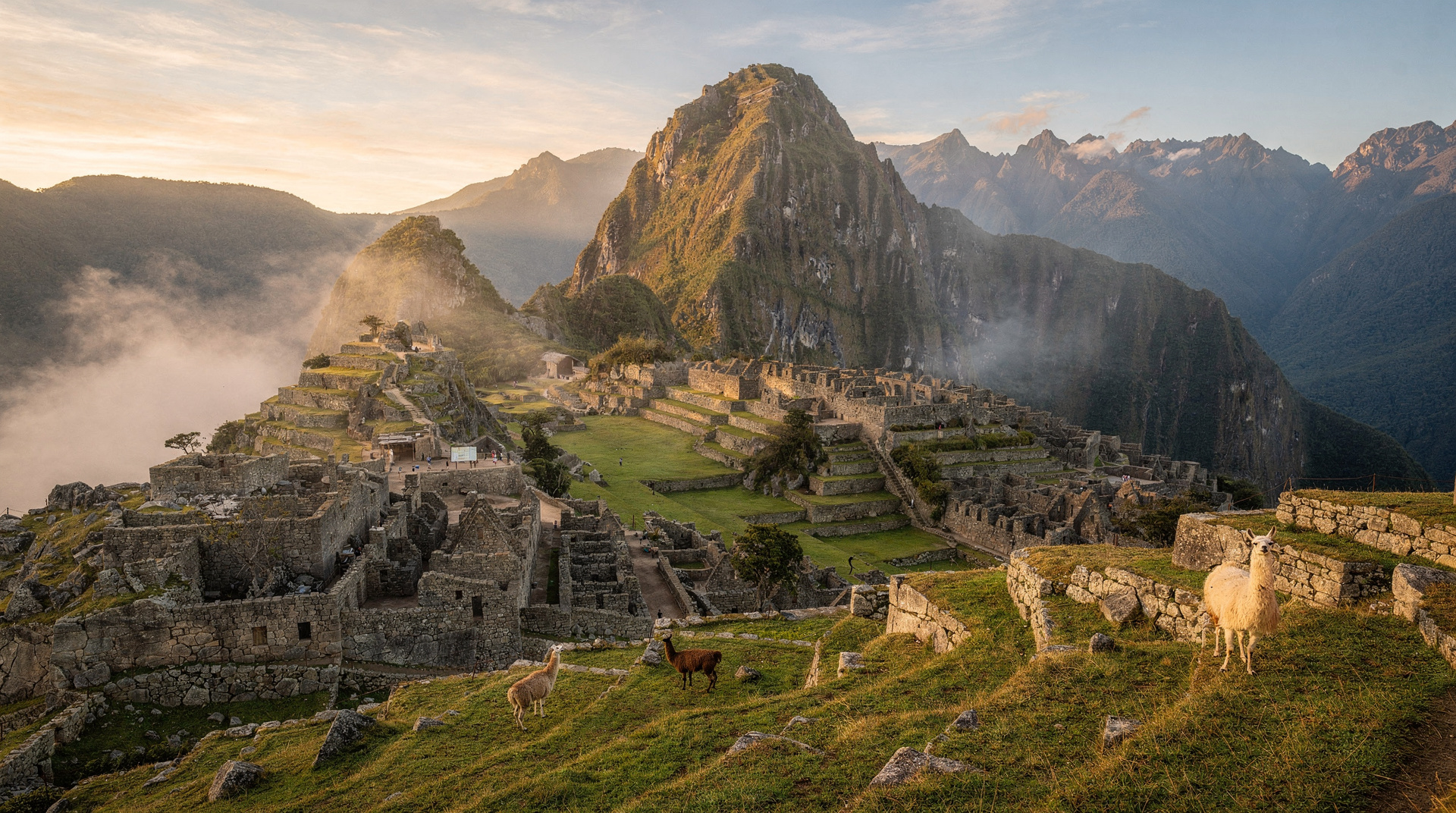
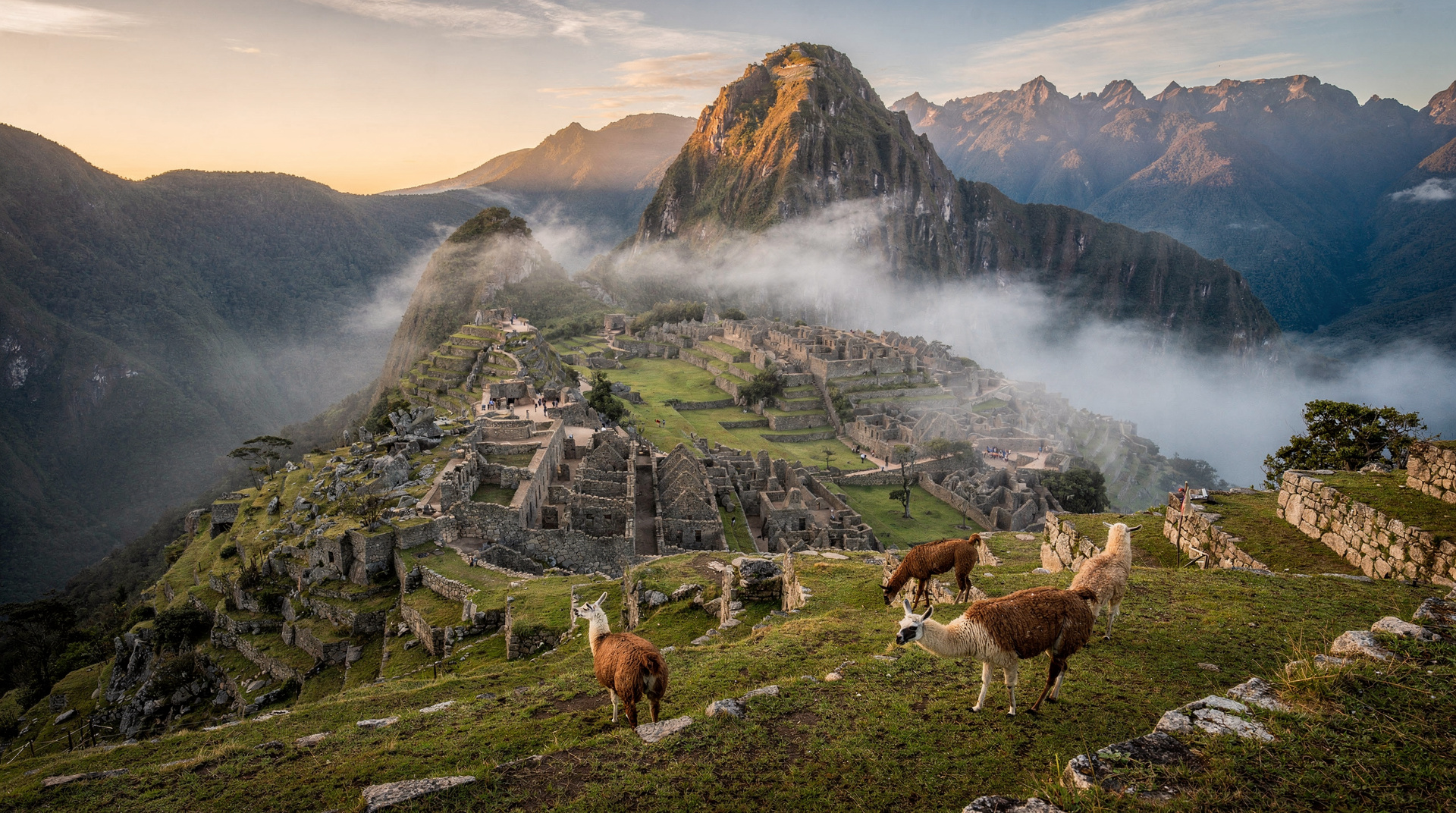
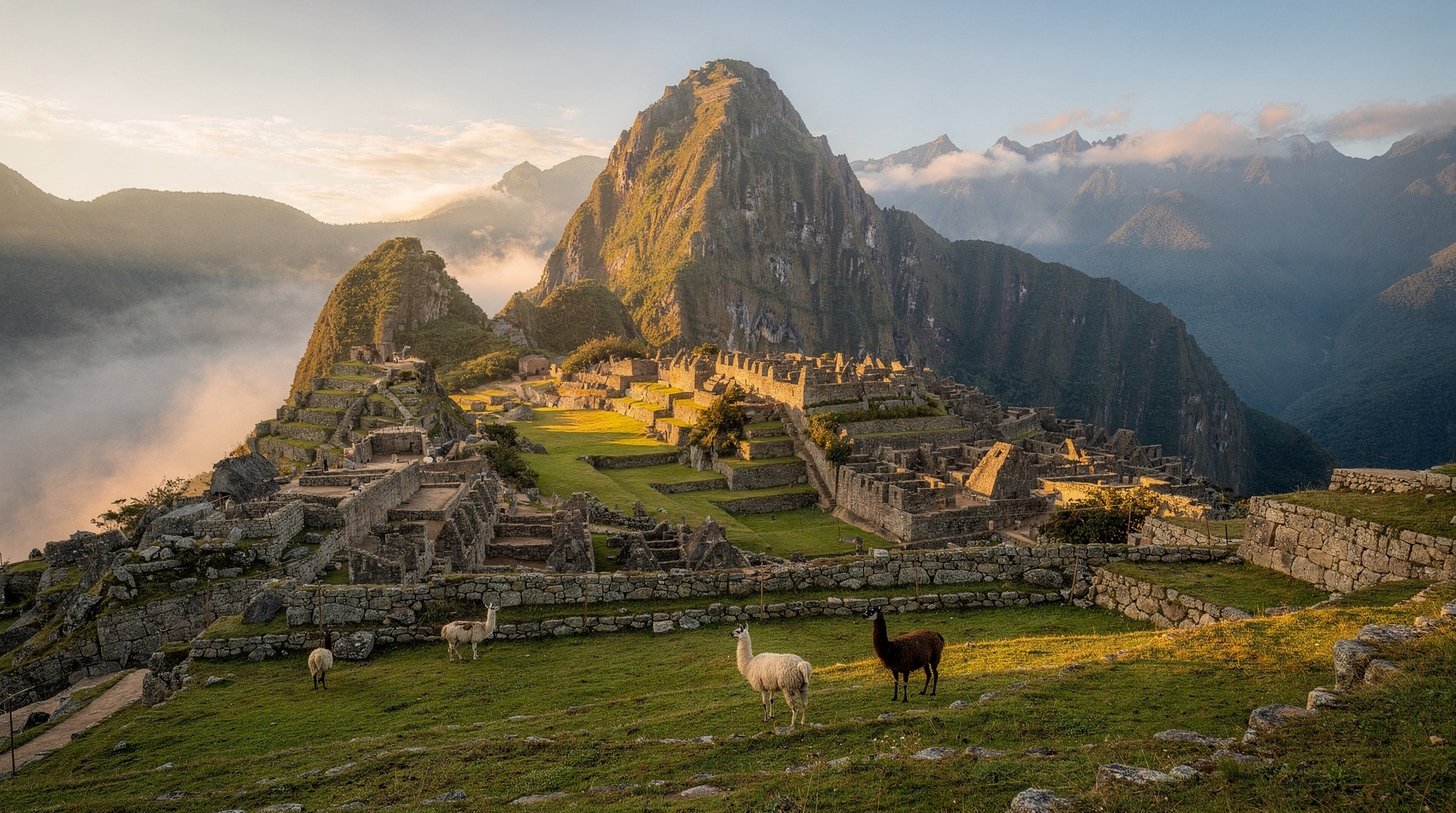
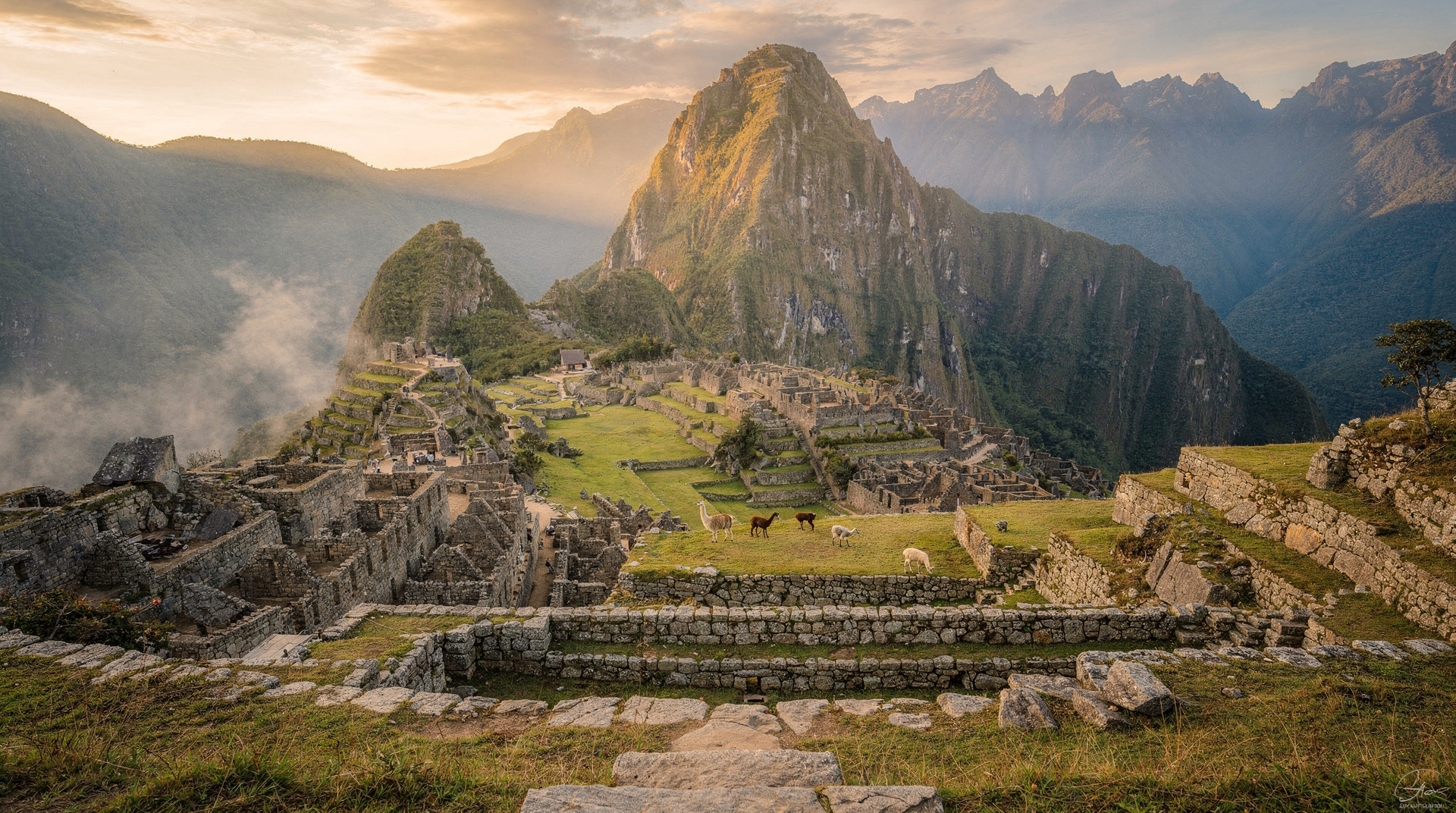
The classic photographs of Machu Picchu — the terraces in foreground, Huayna Picchu rising behind — are taken from the high viewpoints above the site. Check on tuboleto.cultura.pe which route gives access to the viewpoint you want, and arrive early before crowds fill the narrow terrace areas.
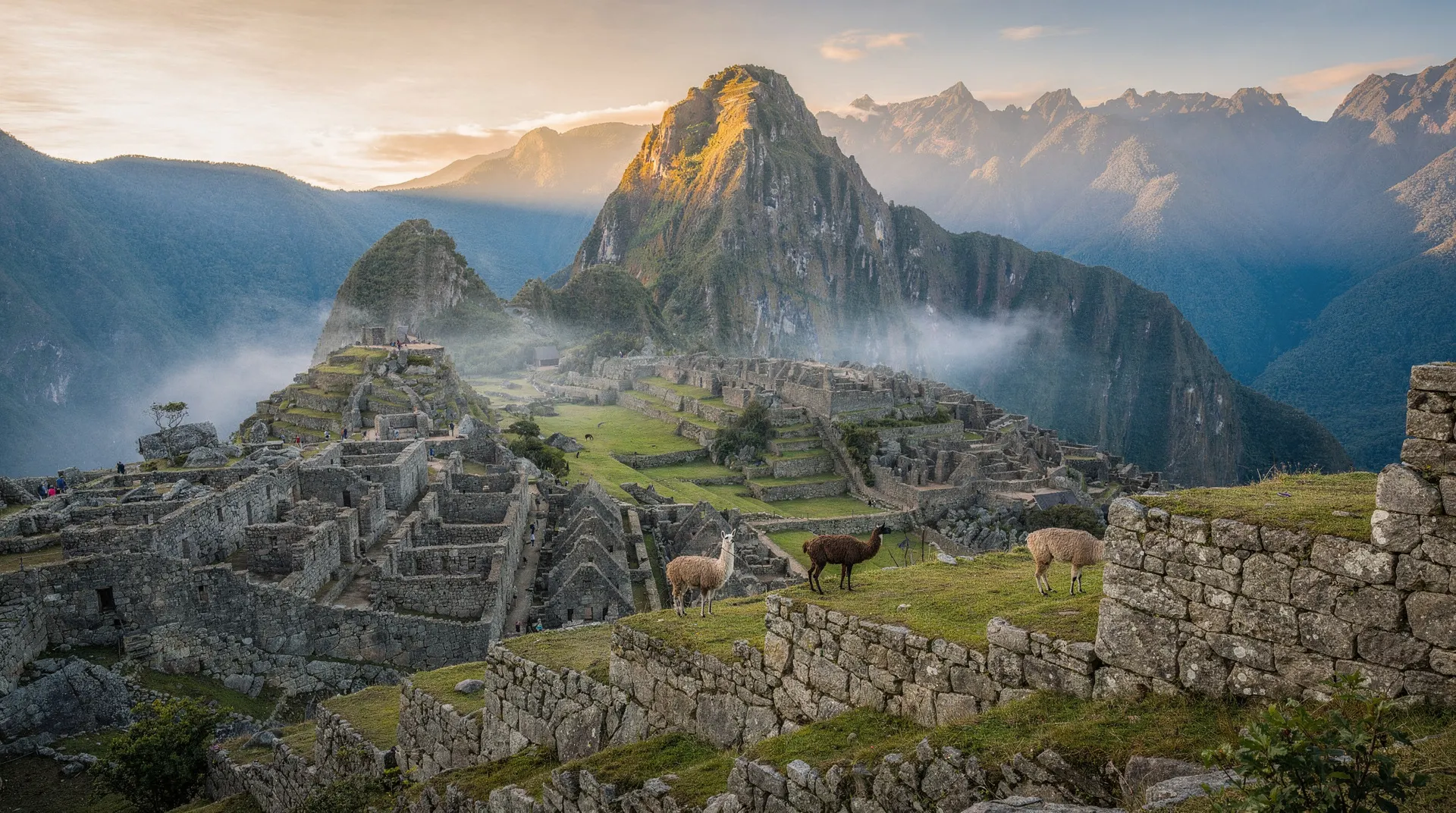
For the early-morning mist shots that appear in travel magazines: you need the 6:00 or 7:00 a.m. entry slot. The mist lifts progressively through the morning. By 8:30–9:00 a.m. it is usually gone. The narrow window of mist-filled golden light is genuinely beautiful and rewards the 3:30 a.m. alarm.
For shots of Huayna Picchu from below (with the citadel in the foreground): accessible from the routes through the urban sector. This is the second most photographed composition.
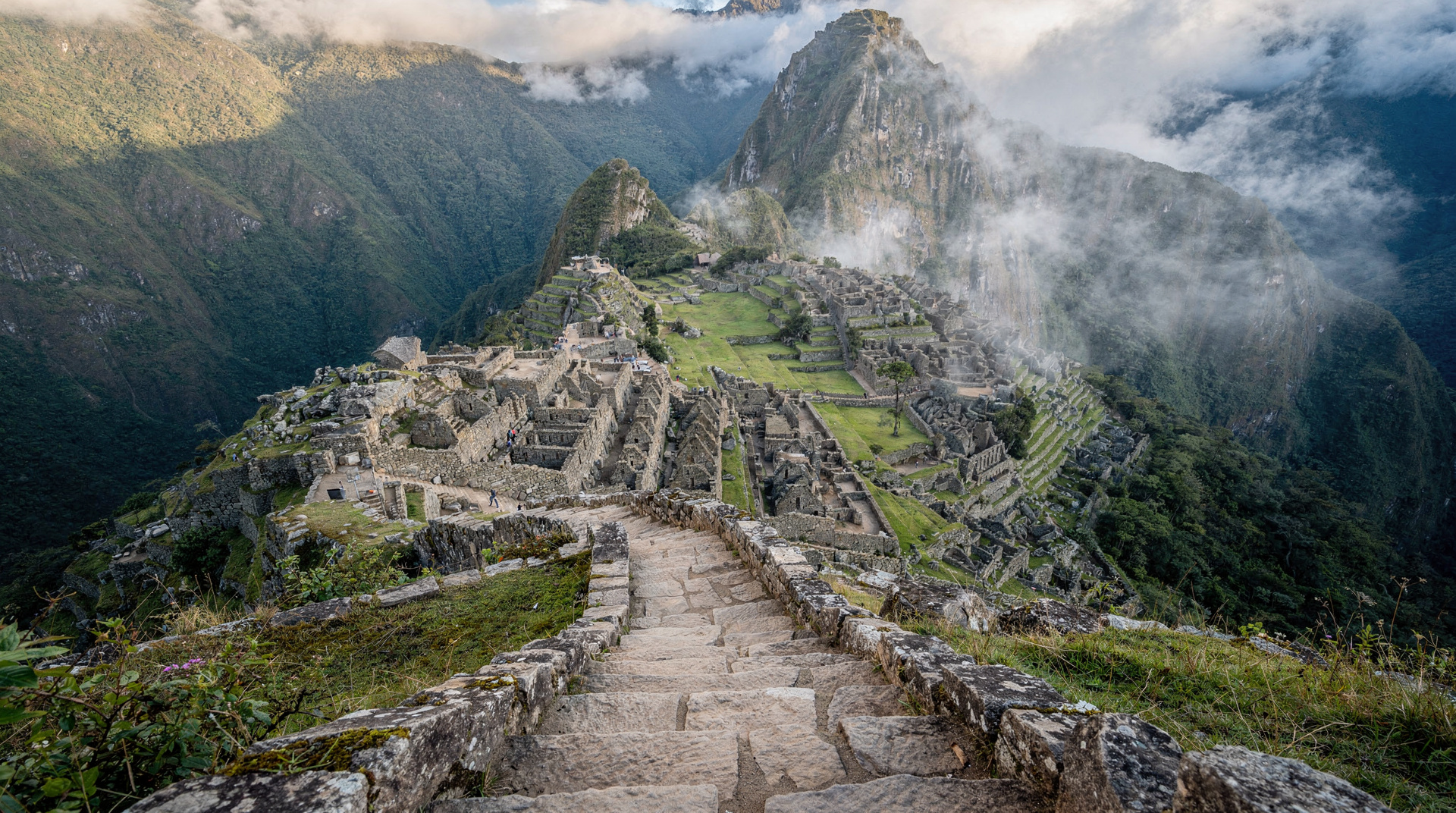
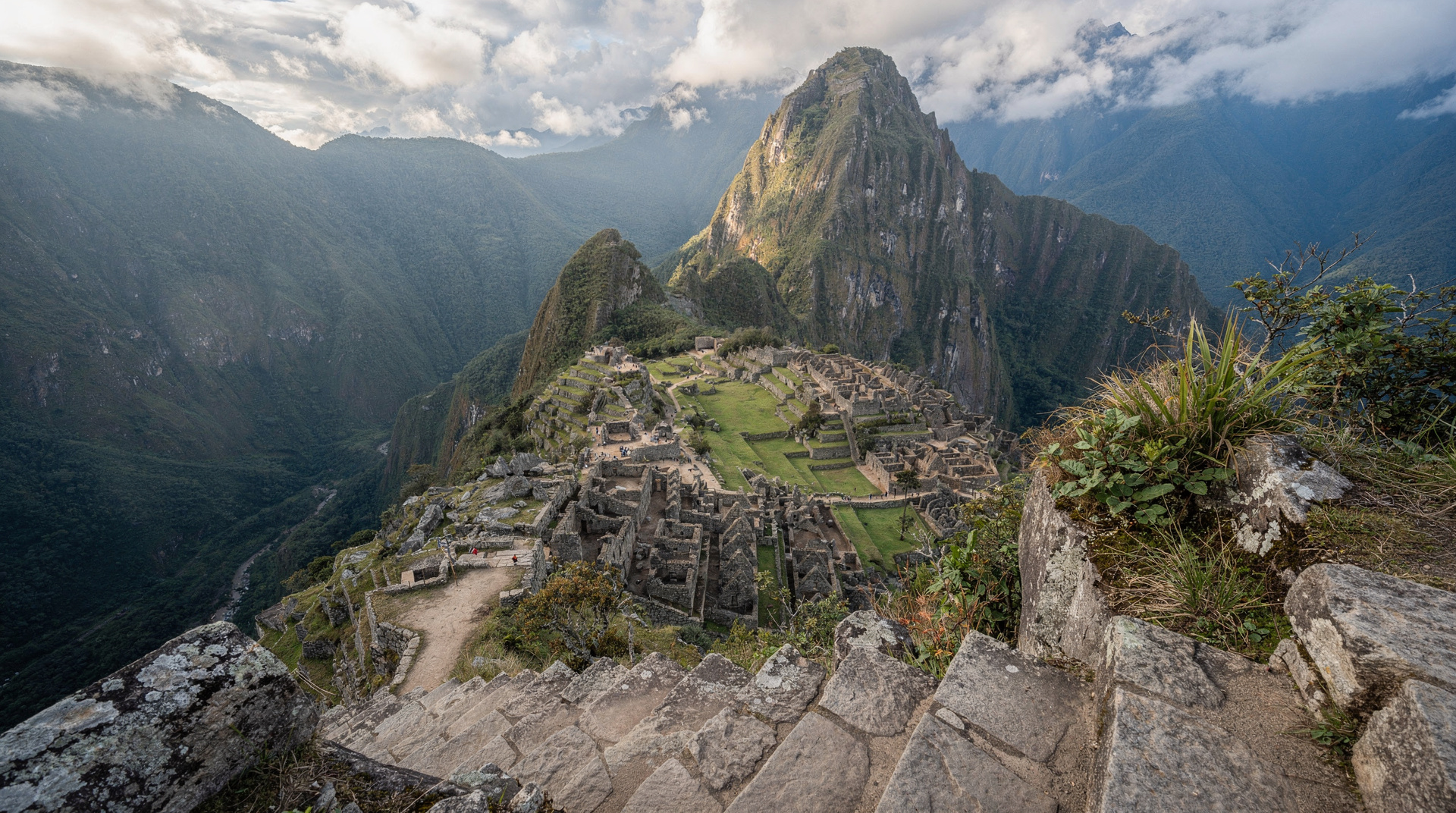
For shots looking down from Huayna Picchu onto the citadel: Circuit 3, route 3-A (Huayna Picchu climb). The view from the summit looking directly down on the geometric precision of the Inca city is striking and available only from above.
For shots from Machu Picchu Mountain looking across the site: Circuit 1, route 1-A. It involves a longer climb.
The 2024 changes: what is different from older guidebooks
If you are using a guidebook published before mid-2024, the entry system described there is out of date. The key changes:
- Since 1 June 2024 there are three circuits grouping ten routes (RM 528-2023-MC), replacing the earlier system of four or five circuits used from 2021 to May 2024
- Timed-entry slots are one per hour, with a limited lateness tolerance (none at the mountain checkpoints)
- Numbered circuits are followed with one-way flow enforcement
- Huayna Picchu and Machu Picchu Mountain are now routes within Circuit 3 and Circuit 1
- Re-entry within the same day is not permitted (you cannot exit and re-enter)
- Single-use plastic bottles are banned from the site
The circuit and timed-entry system is not perfect — the government booking website (tuboleto.cultura.pe) has had interface issues — but it spreads visitors across the site. First-time visitors booking correctly in advance will have a far better experience than those who arrive without a plan.
What repeat visitors choose differently
Visitors returning for a second Machu Picchu trip tend to book differently from first-timers, and it’s a useful signal of how the circuits actually compare once the novelty of “being there” wears off. the Inca Bridge route (1-D, high season only) is a common second choice, since the classic walk through the Inca city has already been done. Some repeat visitors also combine a Circuit 2 morning entry with an afternoon focused purely on photography from outside the site, at the classic viewpoint along the road up from Aguas Calientes — worth knowing if your first visit already covered the interior thoroughly and you want a different angle on a return trip.
How your circuit choice interacts with ticket type
Circuit selection is only half the booking decision — the ticket type you buy on top of it determines whether Huayna Picchu, Machu Picchu Mountain, or neither is included. The Machu Picchu ticket types compared guide and the tickets explained guide go through the full menu of official ticket categories, since the tuboleto.cultura.pe interface groups circuit and mountain-add-on options in a way that catches first-time bookers out. Get the circuit and ticket type locked in together before you touch train bookings.
Matching your circuit to your wider trip plan
Your circuit choice should also account for how you’re getting to the site and how much time you have that day. Visitors doing the tightest version of a single day — the Machu Picchu day trip from Cusco or the shorter Machu Picchu day trip format — should lean toward a route through the urban sector with a fixed maximum stay (2-A, 2 h 30), which leaves more buffer against train timing.
Visitors overnighting in Aguas Calientes have the flexibility for a mountain route (Machu Picchu Mountain or Huayna Picchu) without the same time pressure. If altitude fatigue is a concern for anyone in your group, the Machu Picchu altitude explained guide is useful context — the citadel itself sits comfortably below Cusco’s elevation, so the circuit’s physical demands come from stairs and distance, not thin air.
Circuits for families and less mobile visitors
Circuit 2 is the practical choice for families with young children or visitors with limited mobility, since it does not require the steep, exposed climbing of Circuit 3’s Huayna Picchu section or the longer mountain climb and narrow Inca Bridge path of Circuit 1’s other routes.
The Machu Picchu with kids guide goes further into pacing a family visit around whichever circuit you choose, including where to plan rest stops and how to manage a toddler or grandparent on uneven stone steps. If crowd levels matter more to your family than which circuit you pick, the best time to visit Machu Picchu guide covers the seasonal and time-of-day patterns that affect every circuit equally.
Frequently asked questions about Machu Picchu circuits compared: which circuit should you choose?
When were the Machu Picchu circuits introduced?
Can I change circuit inside the site once I have entered?
How long does each circuit take?
What is included in a Circuit 3 ticket?
Do I need to arrive exactly at my timed entry slot?
What is the difference between entering at 6 a.m. versus 10 a.m.?
Top experiences
Bookable activities with verified prices and instant confirmation on GetYourGuide.