An afternoon weaving with the women of Chinchero — and what I actually learned
The textile demonstration I almost skipped
Every organised Sacred Valley day tour includes a textile demonstration as standard, usually at Chinchero, sometimes at a cooperative near Pisac or Ollantaytambo. I had, over the years, developed a mild cynicism about these stops — the feeling that they existed primarily to funnel visitors into a showroom of beautiful, expensive textiles, with the demonstration as the commercial warm-up act.
| Where | Chinchero, ~3,762 m, Sacred Valley altiplano |
| Cost | Free demonstration; textiles from S/25 to S/900+ |
| Time needed | 1–2 hours for demonstration + ruins |
| Getting there | Included on most Sacred Valley tours from Cusco |
| Best time | Weekday mornings quieter; Sunday for the market |
I was wrong about Chinchero. Or at least, I was wrong enough that I owe it a proper account.
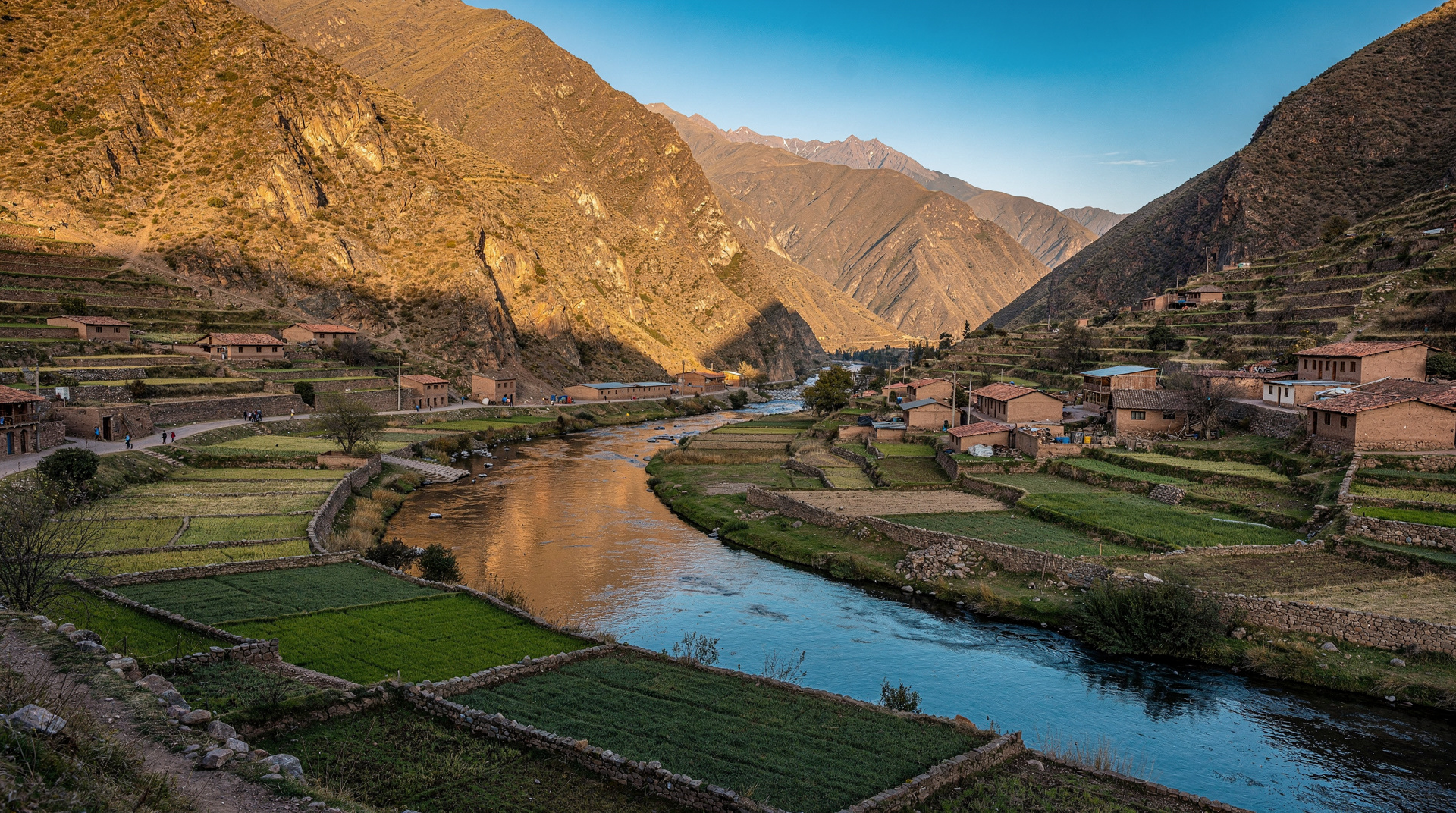
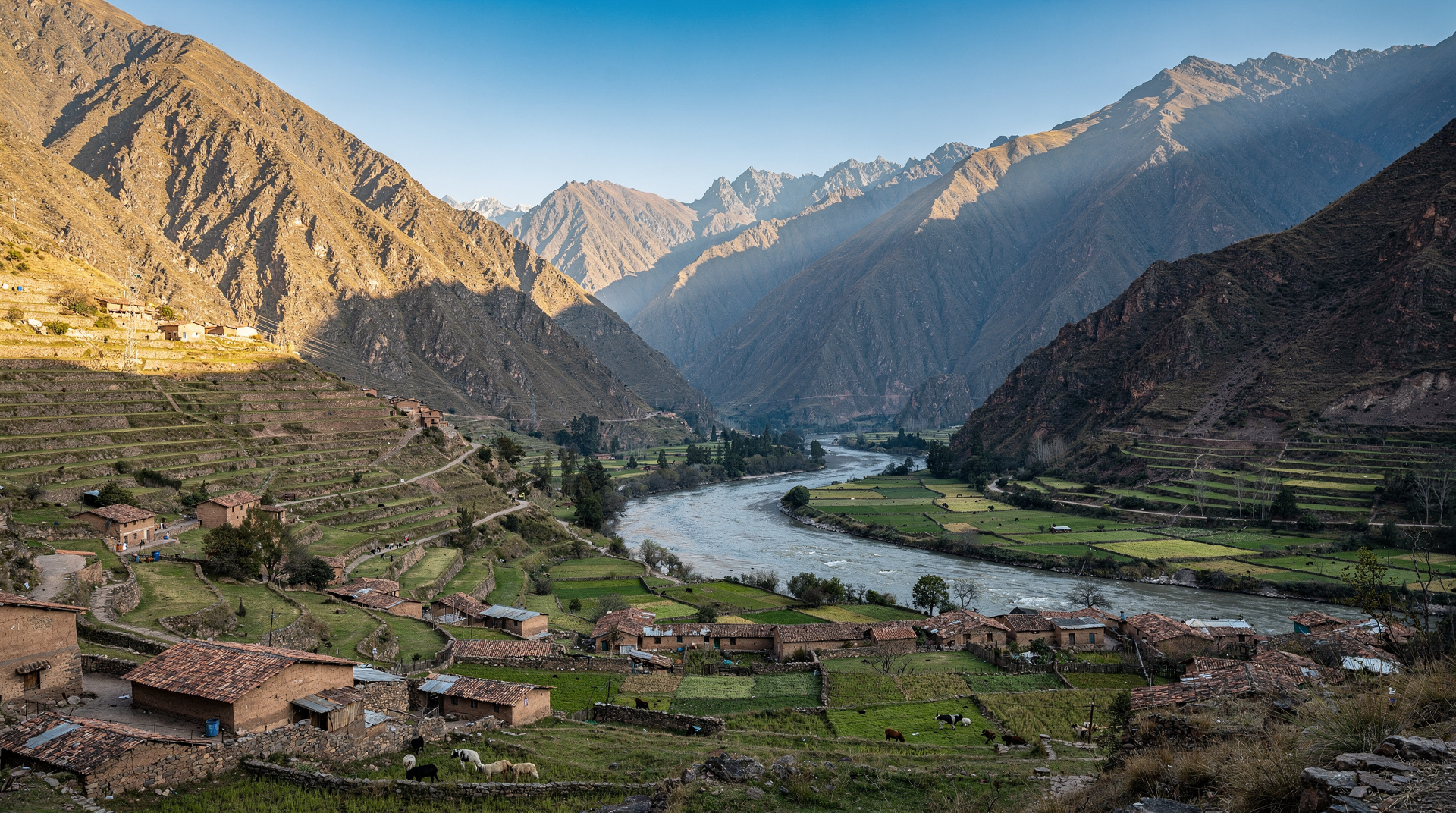
Chinchero sits at roughly 3,762 m — higher than Cusco, notably higher than the valley floor — on the altiplano above the Sacred Valley. The village is known for three things: its Inca ruins, its colonial Sunday market, and its weavers. The textile cooperatives here are not performances staged for tour groups. They are working associations of women who have been weaving since childhood and who have, over the past few decades, formalised their knowledge into something teachable.
What the demonstration actually involves
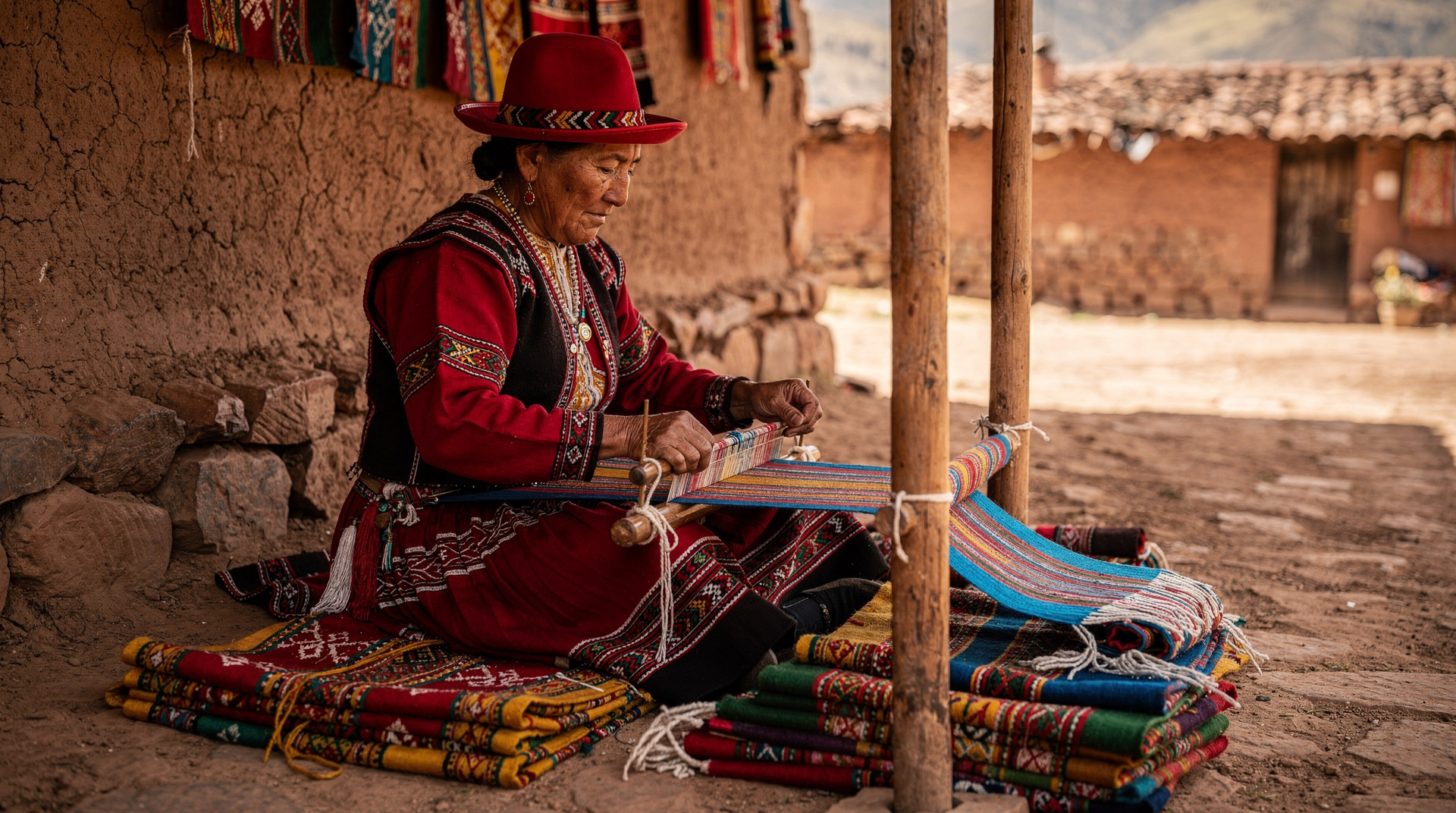
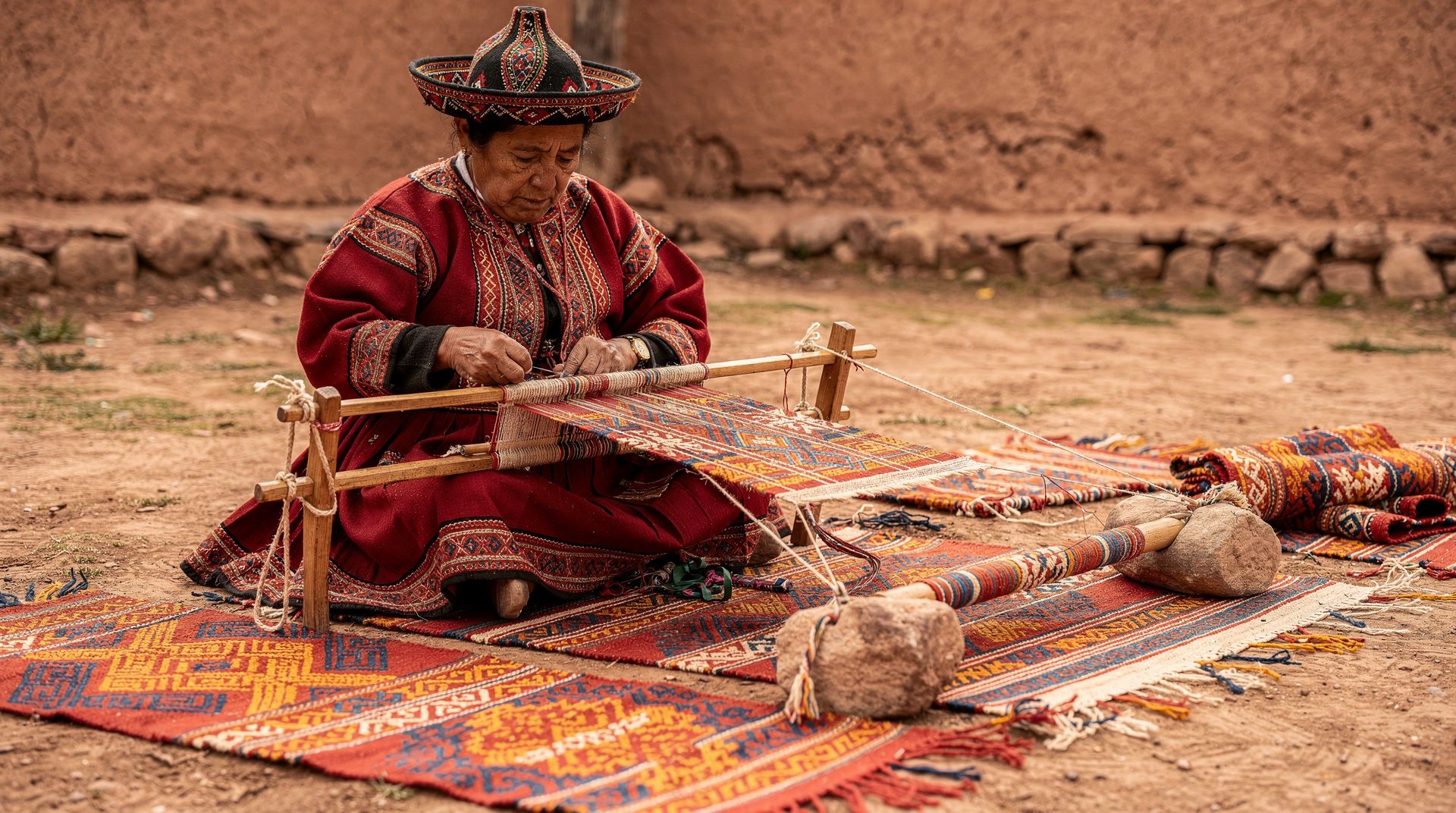
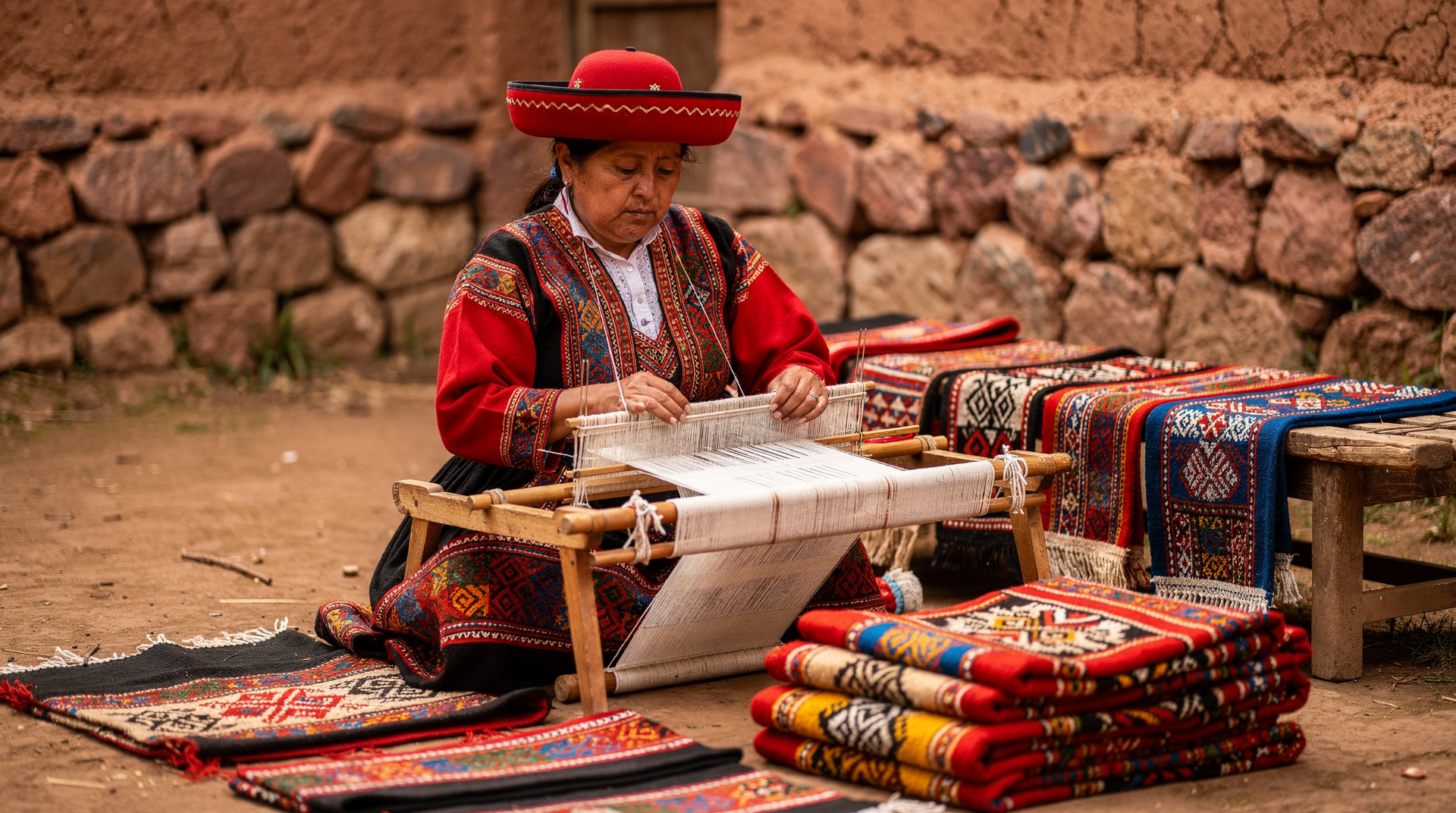
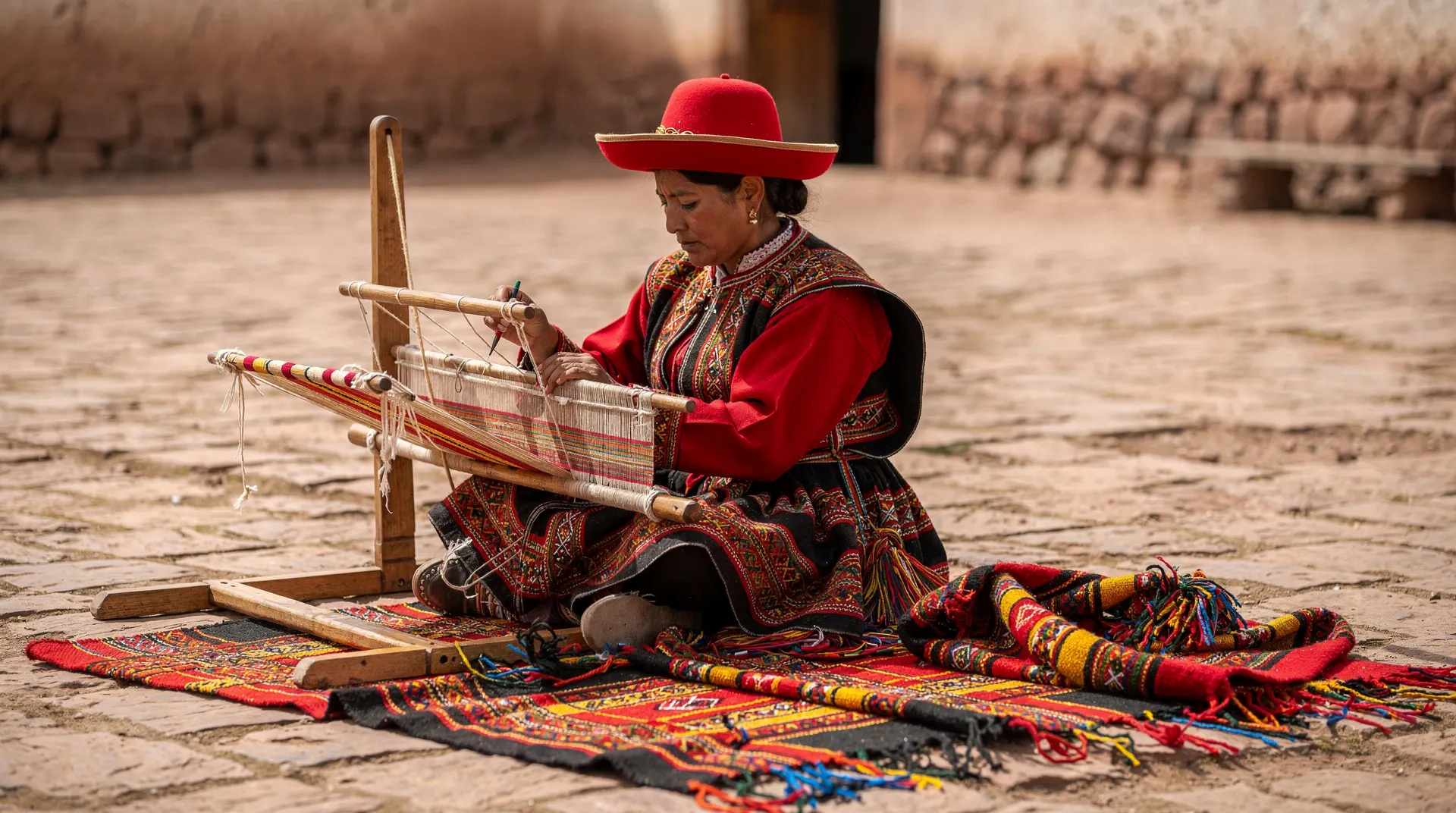
My guide brought our small group (seven people) through the wooden gate of the cooperative’s courtyard. It was June, which meant bright cold sun, and the women were working outside. Three looms were set up — the traditional Andean backstrap loom, where the tension is created by the weaver leaning back against a strap tied around the waist, bracing against the warp threads stretched between a post and their body.
The first thing explained was the dyeing. Natural dyes from local plants: cochineal (the tiny insects that live on cactus pads, which produce the vivid reds and pinks — this surprised most of the group), indigo for blues, various plants for yellows and greens. A small fire was burning with dye pots. One woman demonstrated the cochineal extraction by rubbing a dried cactus pad between her fingers until her palm flushed brilliant crimson. It’s one of those demonstrations that lands no matter how many times you’ve read about it — the colour is extraordinary.
The mordants — the salts and minerals used to fix dye to fibre — were also shown. Different mordants on the same cochineal produce different shades. The same basic dye plant yields orange, red, pink and nearly purple depending on what it’s set with.
The weaving demonstration itself was slower and more precise than I’d imagined. The backstrap loom requires a rhythm — a physical back-and-forth of the body as much as the hands. The woman demonstrating moved with the kind of effortless fluency that signals decades of practice. She invited two people from our group to try. Both lasted about 90 seconds before acknowledging that their tension was wrong. The textile would have been unusable if extended much further. Learning this technique to any proficiency takes years.
The history that sits behind it
The guide — ours happened to speak excellent English and clearly loved this subject — explained the broader context. Andean weaving predates the Inca by thousands of years. The Inca state used textiles as currency, tribute, and political communication: certain patterns and colours were reserved for specific social ranks, and the quality of cloth given as a gift communicated the importance of the relationship. The finest cumbi cloth was woven by the aqllakuna — chosen women who devoted their lives to weaving and brewing chicha for the state. The Inca themselves were as interested in cloth as gold.
The Spanish understood this only partially. They disrupted the trade networks, changed the production system, and introduced sheep’s wool (llama and alpaca had been the traditional fibres) — but they couldn’t suppress the fundamental knowledge, which survived in rural communities exactly like Chinchero.
The cooperative structure we were visiting was partly a response to economic necessity — pooling skills, sharing equipment costs, creating a collective identity for marketing — and partly a deliberate cultural preservation effort. Several of the women had trained younger generations. A few had participated in exchanges with other Andean communities in Bolivia and Ecuador.
What I bought — and what it cost
There was, of course, the shop. A long low room off the courtyard with shelves of finished textiles: small decorative squares, runners, ponchos, bags, blankets, and the large complex wall hangings that represent the most skilled work. Prices ranged from S/25 for a small decorative piece to S/900+ for the larger handwoven ponchos in alpaca.
I bought a small table runner, S/85, in the traditional geometric patterns that Chinchero is known for — interlocking diamonds and zig-zags in earthy reds and natural cream. I was told it was made from alpaca; I have no way to verify this independently, but the weight and texture were consistent with alpaca rather than the acrylic that sometimes substitutes for it in tourist-market pieces.
The Andean textiles guide covers how to spot genuine alpaca from synthetic blends — the burn test and the feel test — which I wish I’d known more thoroughly before I went.
Book a Sacred Valley tour that includes Chinchero if you’d rather have a guide who knows the context than navigate the cooperatives independently. A good guide at Chinchero makes the demonstration genuinely educational rather than a shopping prelude.
The ruins above the village
After the textile demonstration I had an hour free and walked up to the Inca ruins on the ridge above the village. They’re partial but significant: a large plaza, the remains of royal Inca buildings, and the colonial church of Nuestra Señora de la Natividad built directly on Inca foundations using Inca stone. The classic colonial strategy of building the new religion on top of the old.
The views from the ruins are considerable — the altiplano spreading out toward Cusco, the mountains framing the southern horizon. On a clear June afternoon the light was sharp and the shadows long. I sat for a while on a wall that had been there for six hundred years and tried to let that register properly.
If Chinchero is your main reason for heading into the valley, look for a guided Sacred Valley day that stops at Chinchero as well as Pisac and Ollantaytambo, and ask the operator beforehand how long the cooperative stop lasts. A route that treats the weavers as a real stop, not a filler between lunch and the drive home, makes a visible difference to what you take away.
Whether Chinchero deserves more than a tour-group stop
The honest answer is yes. Most Sacred Valley day tours give Chinchero perhaps an hour, squeezed between Moray and the drive back to Cusco. That’s enough to see the demonstration, browse the shop, and look briefly at the ruins. It’s not enough to understand what you’re looking at.
If I were designing my own Sacred Valley day, I’d arrive at Chinchero first, when it’s quieter, and give it two hours. The Sunday market — particularly in the early morning before the tour buses arrive — is a genuinely local event with food stalls, produce, and a different atmosphere from the tourist-oriented market at Pisac. The Chinchero weaving guide goes into more depth on the cooperative’s history and what’s available.
The Sacred Valley complete guide covers the full valley circuit with practical timing advice. If you’re planning a single day in the valley, the choice of what to include and exclude is harder than most itinerary articles suggest — there is simply more in the valley than one day can reasonably hold.
What the textile prices actually buy you
| Item | Typical price | Notes |
|---|---|---|
| Small decorative square | S/25–50 | Good starter purchase, easy to pack |
| Table runner (like mine) | S/70–120 | Alpaca or alpaca-blend, geometric patterns |
| Poncho, large wall hanging | S/500–900+ | Most skilled, most time-intensive work |
| Alpaca scarf (market, not cooperative) | S/30–60 | Quality varies far more than at the cooperative |
The gap between cooperative prices and the wider souvenir market isn’t accidental — cooperative pieces support the weavers directly and reflect the actual time cost of backstrap-loom work, which can run to weeks for the largest pieces. The Andean textiles guide has the burn test and feel test for telling alpaca from acrylic, which is worth doing before you buy rather than after.
Fitting Chinchero into a longer trip
Chinchero works best when it is part of a wider plan rather than an afterthought. If you are still deciding how to split your time, the Sacred Valley day trip guide shows how the stops fit together, and getting around the Sacred Valley explains the practical side of moving between villages. Travellers who want to learn more about the people behind the cloth will find the Quechua culture guide a useful companion, and the Inca empire for travelers puts the role of textiles in the state into context.
Because Chinchero sits high on the altiplano, it is worth reading the Cusco acclimatization plan before you go, so the thin air does not distract from the demonstration. And if you like the slower rhythm of a day like this one, the Sacred Valley slow travel diary shows what it looks like when you stop rushing between stops, while Maras and Moray sits close by on most itineraries.
Beyond Chinchero: other places to see genuine weaving
Chinchero is the most visited weaving stop on the standard circuit, but it isn’t the only one. Cooperatives near Pisac offer similar demonstrations with a somewhat different pattern tradition, and some Cusco-based cooking and craft experiences incorporate a shorter textile element for visitors who can’t make it out to the valley. If textiles are a genuine interest rather than a passing curiosity, ask your guide or operator specifically about cooperative visits rather than assuming any “textile stop” on an itinerary is equivalent — the depth of explanation varies enormously depending on the guide and the specific cooperative.
Frequently asked questions about afternoon weaving with the women of Chinchero — and what I actually learned
Is the Chinchero weaving demonstration worth it, or is it just a sales pitch? It’s genuinely educational if you engage with it — the dye and weaving explanations come from women who’ve woven since childhood, and the history behind Inca-era textiles is substantive. The shop exists, but it doesn’t have to dominate your time there.
How much should I expect to spend if I want to buy something? Small decorative pieces start around S/25–50, making them an easy, meaningful souvenir even on a tight budget. Larger alpaca pieces like ponchos or wall hangings run into the hundreds of soles, reflecting the weeks of work involved.