Cusco in the rainy season: what nobody tells you (and why I went back)
An honest account of a January trip to Cusco, the wettest point of the year — what the rain actually looks like, what still works, what doesn’t, and why I’d genuinely consider going back in the wet season.
| When | January (peak wet season) |
| Pattern | Clear mornings, rain from midday to early evening |
| Machu Picchu | Open year-round, but expect cloud cover |
| Inca Trail | Closed every February for maintenance |
| Prices | 30–40% below June–August rates |
I went in January and I am not sorry
Almost every travel website on the subject of Cusco will tell you to visit in the dry season — May through September — and specifically to target June, July or August for clear skies, good trekking conditions, and the best chance of seeing Machu Picchu without cloud. This advice is not wrong. The dry season in Cusco is genuinely excellent.
What the same websites do not mention, because they are largely written in May and optimised for bookings in July, is that the rainy season has its own character — and that for certain travellers in certain circumstances, it is actually the better time to come.
I arrived in Cusco in the second week of January. This is, by any meteorological measure, the wettest point of the year: daily afternoon rain is essentially guaranteed, the Inca Trail is closed for maintenance (it closes every February, but the heaviest rains arrive in January), and some hiking trails are impassable mud. I went because flights were cheap, accommodation was available at thirty percent below high-season prices, and I was tired of travelling everywhere in peak season crowds.
What the rain actually looks like
The rainy season in Cusco is not the continuous grey drizzle of an English November. It is a different kind of rain.
Mornings are typically clear — bright Andean light, sharp shadows, the kind of blue sky that photographers dream about. The clouds build from midday and by three or four in the afternoon, heavy rain arrives. It lasts one to three hours, often with thunder. By early evening the sky usually clears again.
This pattern means that morning visits to outdoor sites — Sacsayhuamán, the Sacred Valley ruins, Pisac market — are perfectly viable. The sites are quieter than in July by a factor of perhaps three to four. The light in the morning, with the mountains washed clean by the previous day’s rain and the air exceptionally clear, is often better for photography than the dry-season haze.
The practical adjustment is simple: plan outdoor activities for mornings, carry a waterproof jacket everywhere, and arrange your afternoons around covered spaces — museums, markets, restaurants, churches.
If you are new to the city, the Cusco page and the first time in Cusco diary are good companions to this one. Altitude does not take a holiday in the wet season, so the Cusco acclimatization plan still applies, and cold, damp afternoons make an easy first day more appealing rather than less.
Machu Picchu in the rain
The Inca Trail closure in February does not affect Machu Picchu itself, which remains open year-round. The site closes only when there is a specific extreme weather event, which is rare.
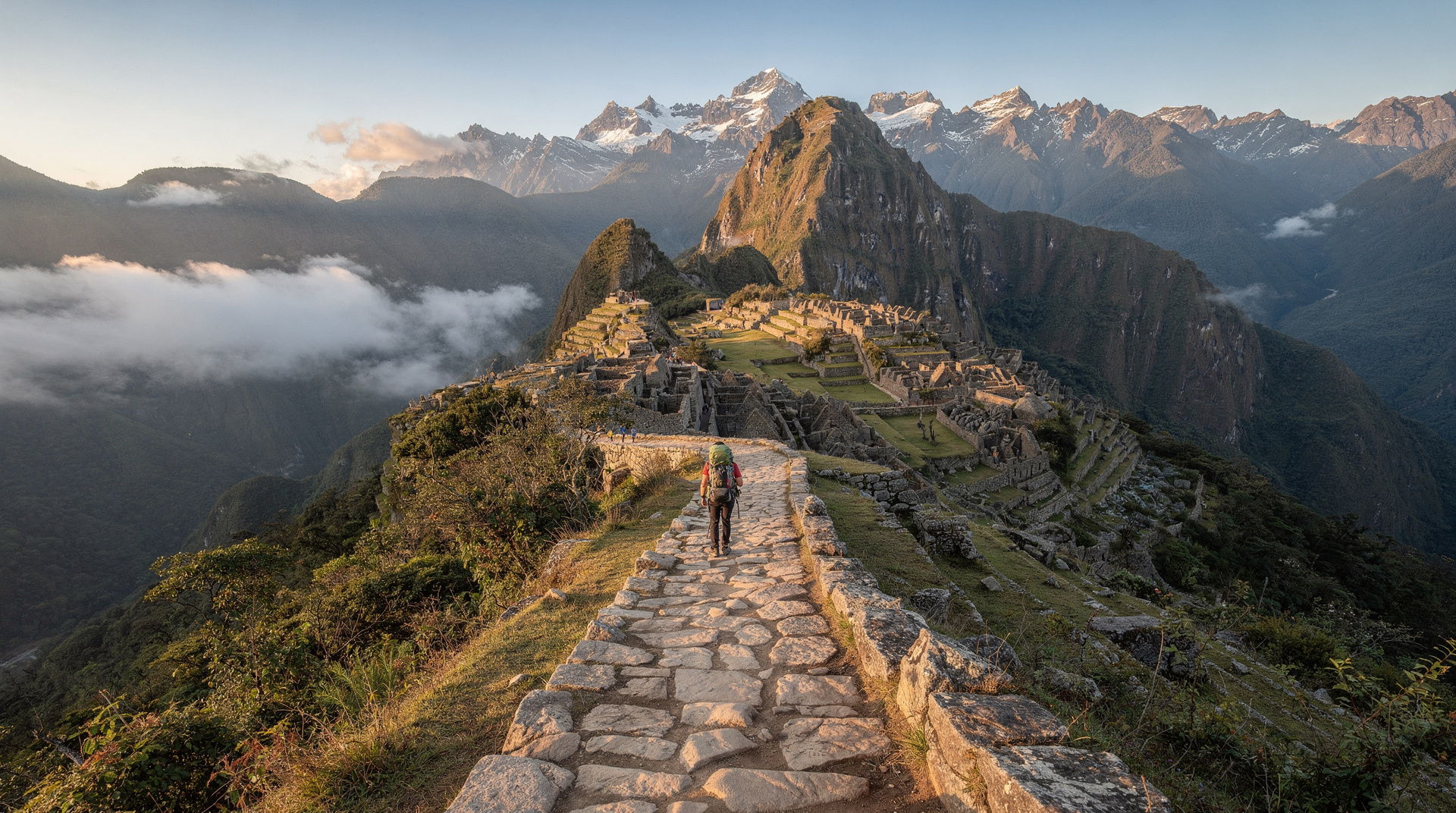
Visiting Machu Picchu in January means visiting in cloud. This is a fact. The clouds sit in the valley around the site for much of the day, and the famous clear views — the full panorama from the Guardhouse, the site spread below in sharp Andean light — are intermittent rather than guaranteed.
What cloud does to Machu Picchu is complicated. Some photographers will tell you the site in cloud is more beautiful than the site in sun: the mist moves through the ruins, the mountains behind emerge and vanish, and the whole experience has a quality of revelation that a cloudless morning lacks. I partly agree with this. There is something about Machu Picchu in cloud that makes you understand why the Inca chose this particular ridge — the way the site appears and disappears in the mist feels intentional rather than accidental.
What I will not claim is that cloud is equally good. If you have one visit to Machu Picchu and you want the full visual impact, go in the dry season. If you have already been once, or if you are more interested in the architecture than the panoramic photography, the rainy season version is a genuine alternative — and you will share it with significantly fewer people.
A day trip by train to Machu Picchu works exactly as well in January as in July, except without the three-month advance booking requirement.
If you are weighing the wet season against the other months, the Machu Picchu in each month guide and the dry season trip photo diary show the other side of the same coin. For tickets, trains and the practical logistics, the Machu Picchu complete guide covers everything that does not change with the weather.
The Sacred Valley in January
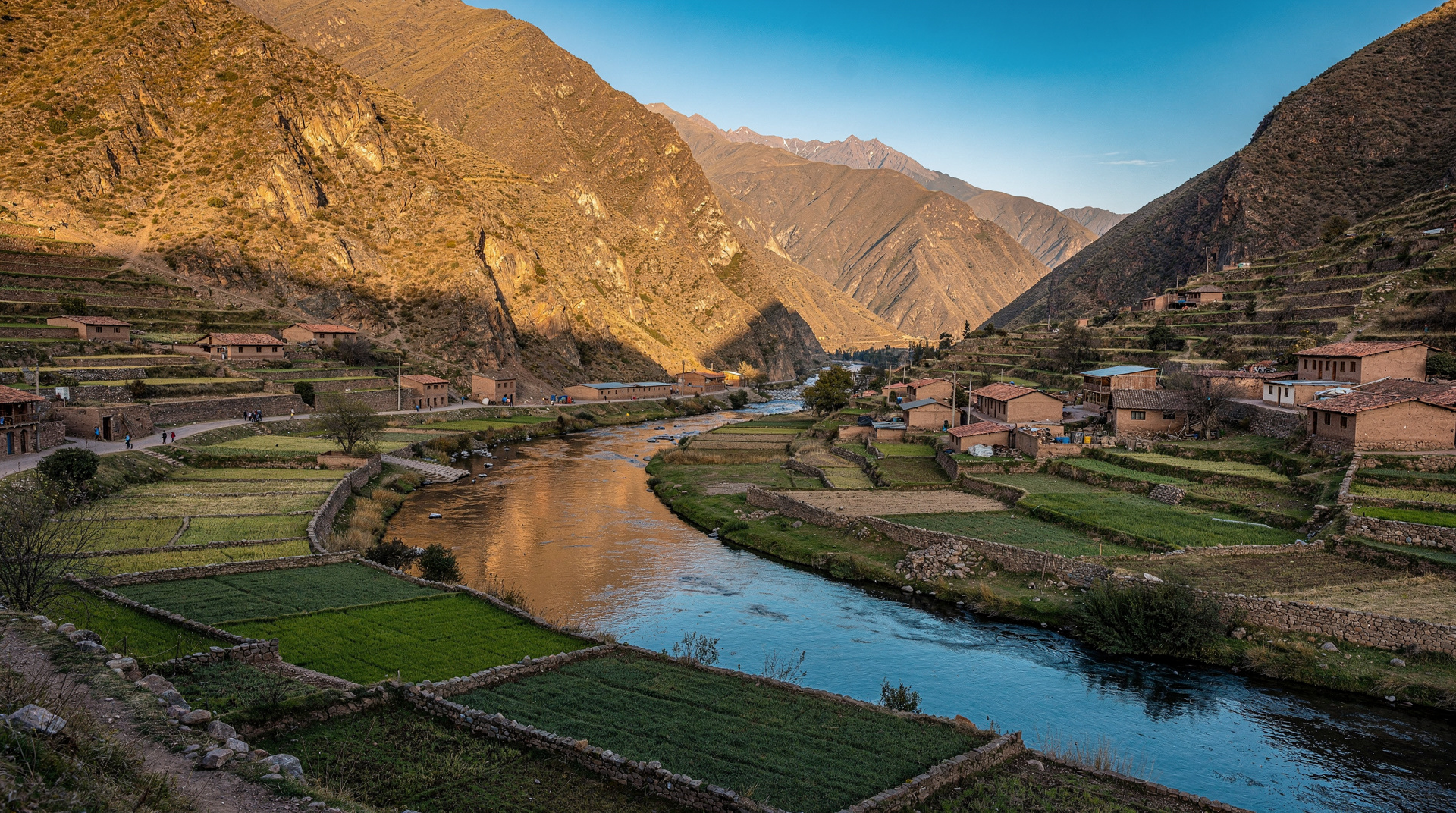
The Sacred Valley in the wet season is the most underrated version of the Sacred Valley. The farming terraces that are dusty brown in September are, in January, luminously green — freshly planted maize rising from red earth, the Urubamba river running high and fast, wildflowers on the hillsides between the Inca sites.
Ollantaytambo in January is close to a different town from its July incarnation. I walked the streets of the Inca grid on a weekday evening and passed half a dozen local families sitting outside their doors, children playing in the water channels, a man repairing a door frame. No tour groups. No queues at the fortress entrance. The ticket booth had a half-hour wait in July when I visited in a previous year; in January I walked straight in.
The Pisac ruins in January require good footwear because the path gets slippery, but the site in morning light after rain is extraordinary: the green of the terraces against the red soil, the white-pink salt pans of Maras visible on the far hillside, hawks circling the ruins overhead.
A slower way to use the valley in the rain is to stay put rather than rush between sites, as described in the Sacred Valley slow travel diary. The Sacred Valley day trip works well as a morning-first outing, and the getting around the Sacred Valley guide helps you plan transport around the afternoon showers.
If you would rather not organise the logistics yourself on a wet day, a full-day guided tour of the Sacred Valley keeps the ruins in the morning, when the weather is at its most cooperative, and leaves the guide to deal with the road conditions. Pair it with the Pisac market and ruins guide if you want to know what you are looking at before you go. The villages of Chinchero and the terraces of Maras and Moray are also worth a look in the green season, though the dirt tracks around them are the first places to turn muddy.
What the city is like in low season
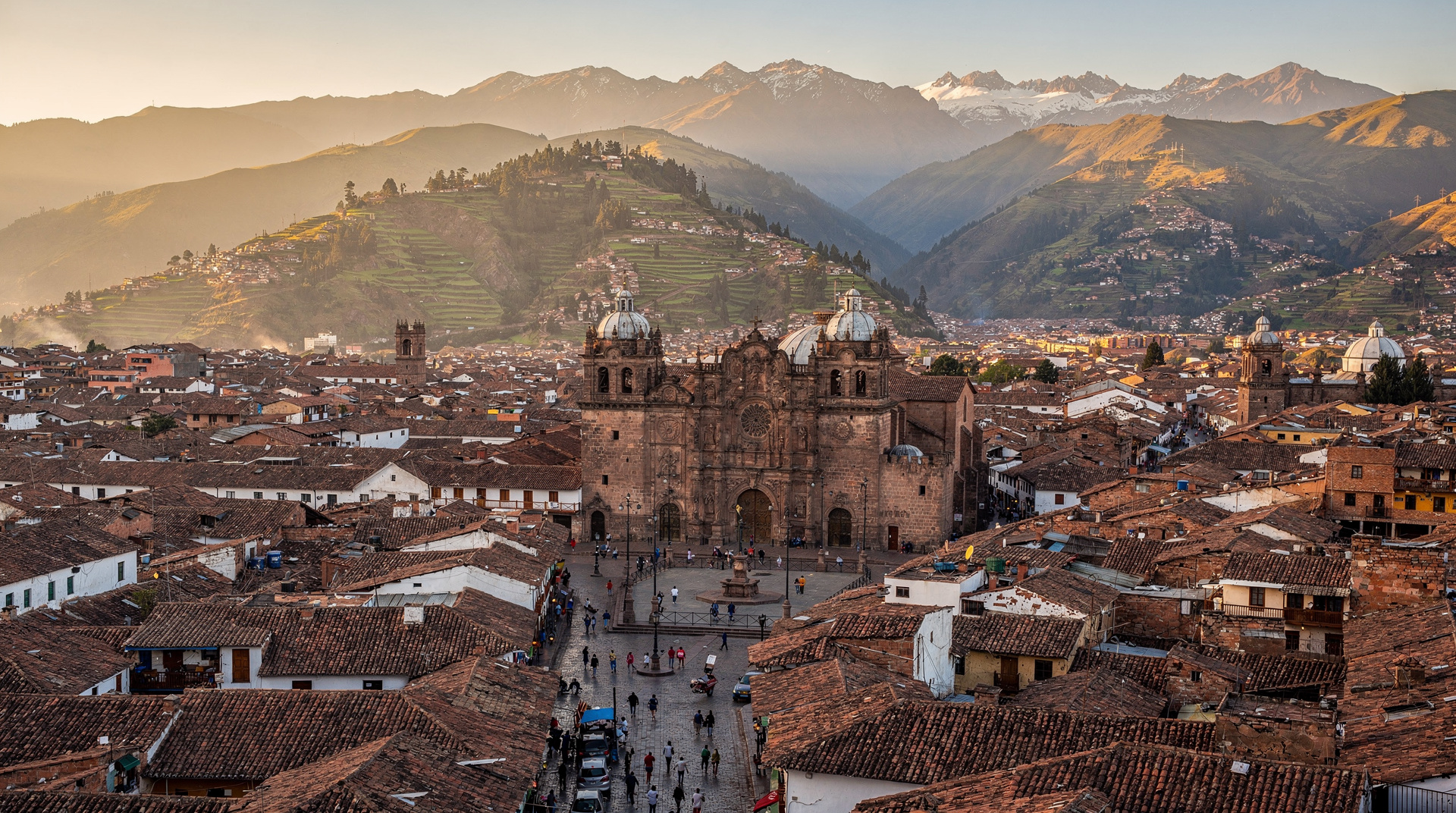
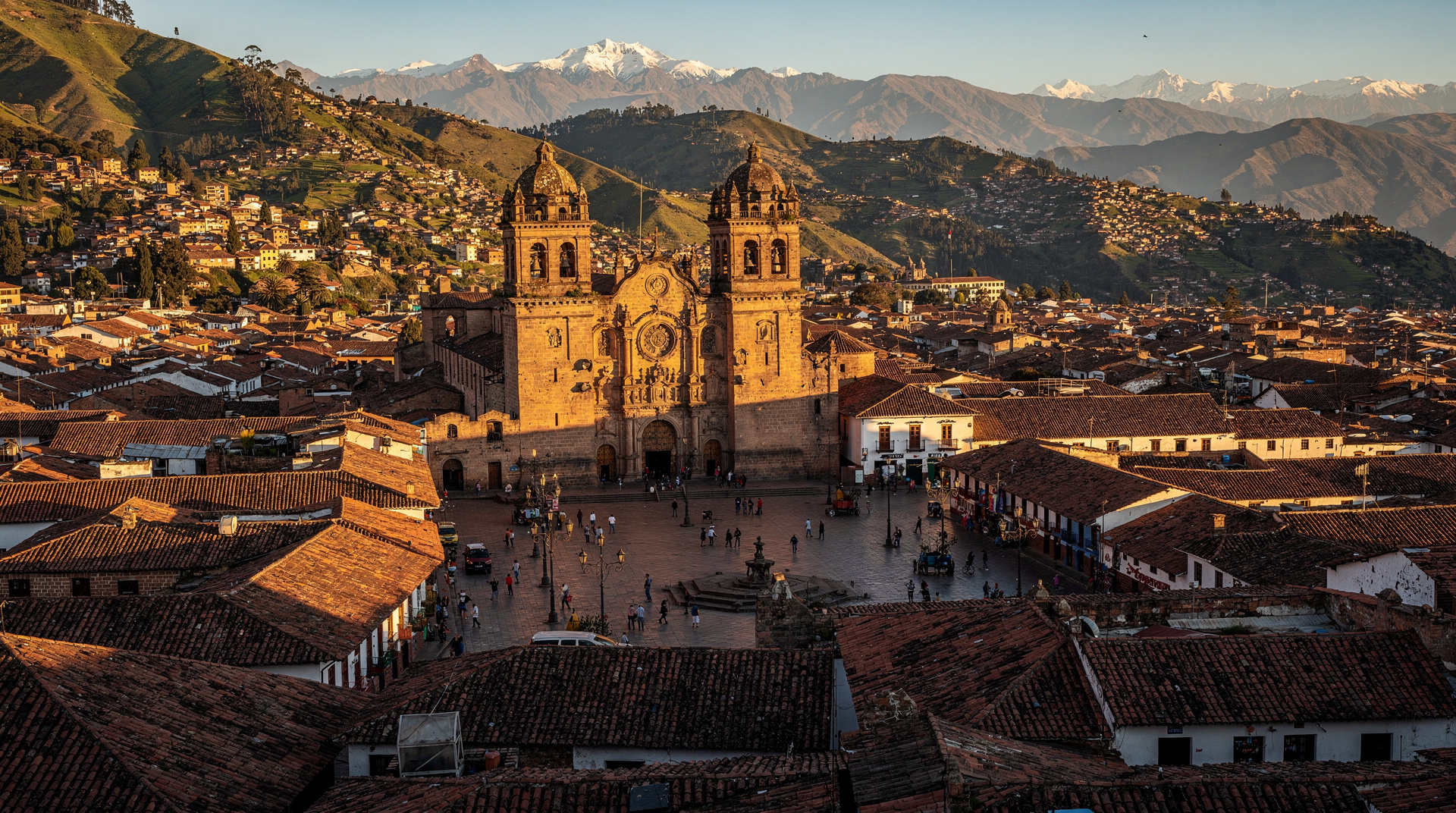
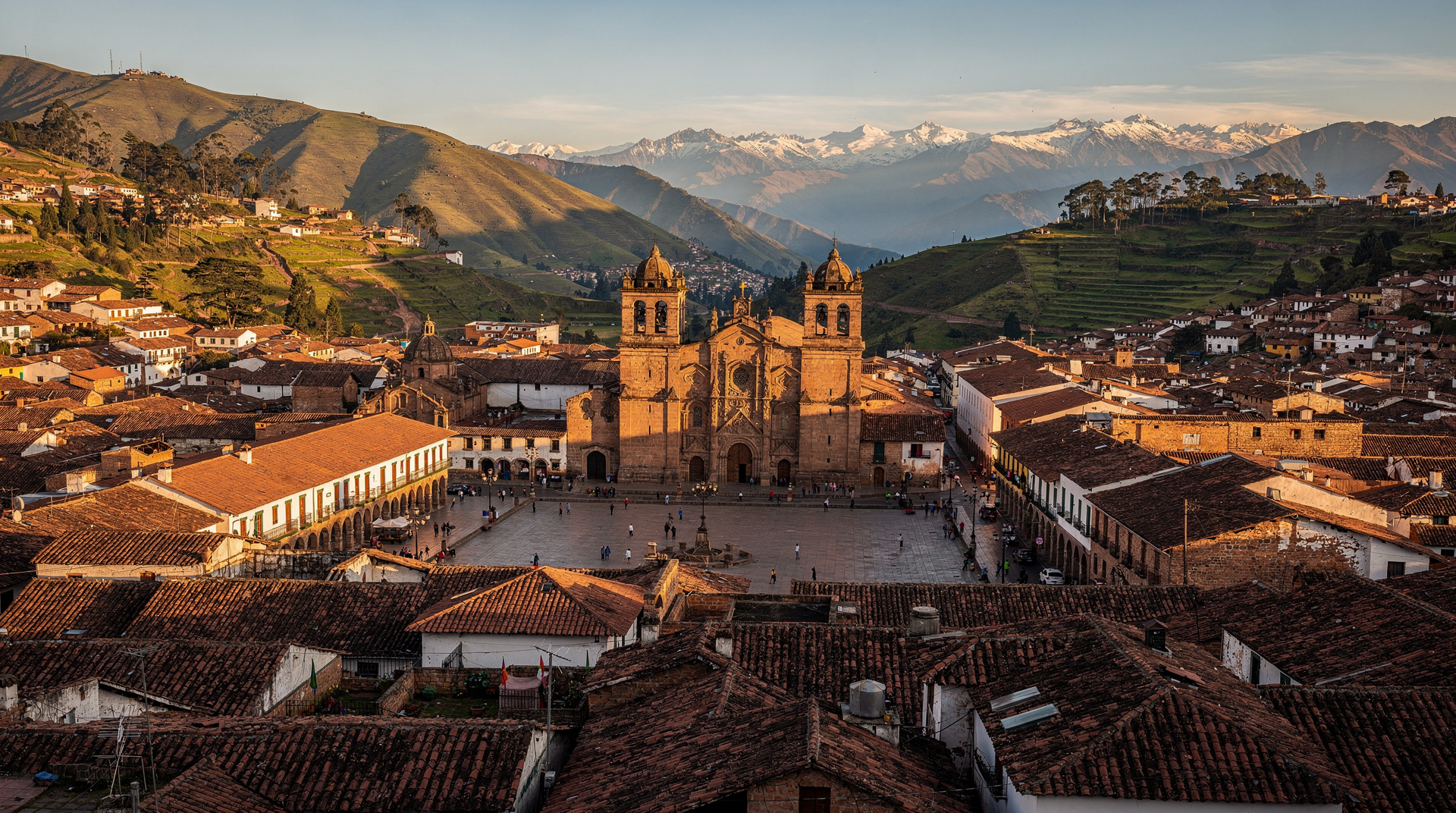
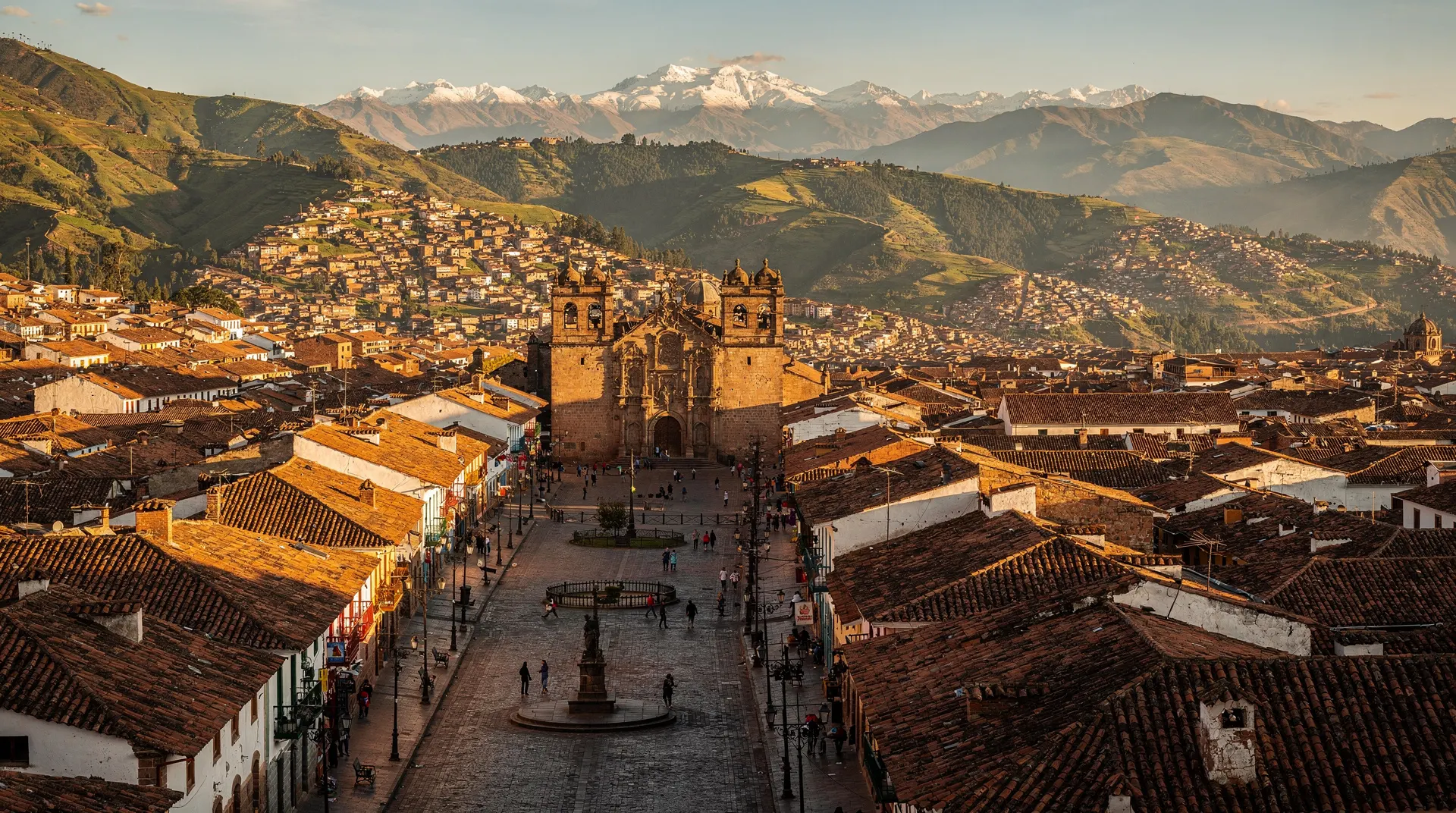
Cusco itself is livelier in the rainy season than most travel accounts suggest. The restaurants are open, the bars are open, the museums (Museo Inka, Museo Larco-Herrera, Qorikancha) are fully operating. The artisan workshops in San Blas function throughout the year. The markets — San Pedro above all — never close.
What changes is the demographic: fewer foreign tourists, more Peruvian domestic travellers, more locals going about their daily business in the spaces that get overwhelmed by international tourism in high season. In the San Pedro market I ate breakfast for two consecutive mornings at a counter where I was the only non-Peruvian in the room. I ate very well, for very little money, and heard conversations that I could not follow in Spanish but that felt, by their rhythms and frequencies, like ordinary Andean city life.
Hotel prices in January are typically thirty to forty percent below June-August prices. The same applies to tours: guides have capacity and compete more actively on price. The dry season versus rainy season comparison gives a full breakdown.
Rainy afternoons are also the right moment for indoor pleasures. A long lunch at one of the best restaurants in Cusco, a hot drink while you wait out a downpour, or a visit to Qorikancha all make the weather feel like part of the plan rather than an obstacle.
A good way to spend a clear morning in town is a walking tour of the city centre and San Blas, which stays on foot and close to cafés where you can shelter if the sky turns early. If food is more your idea of a rainy-day plan, the Cusco cooking classes compared guide lays out the options, and the San Pedro market food guide tells you what to order at the stalls.
When the rain wins
I will be honest about one day: the day I was due to walk from Cusco up to Sacsayhuamán and continue along the ridge to Qenqo, the cloud came in at nine in the morning rather than three and the rain arrived in heavy bands that did not stop for twelve hours. I did not visit Sacsayhuamán that day. I sat in a café in San Blas for four hours drinking hot chocolate and reading a novel, and then walked to the Museo Inka when the rain eased slightly in the afternoon.
This was not a bad day. But it was not the day I had planned, and if you have a very tight itinerary and specific outdoor activities that require good visibility, the rainy season asks you to hold those plans loosely.
The rainy season guide has the honest assessment of what to expect month by month, including why November and March — the edges of the wet season — often offer the best compromise between crowd levels and weather.
Wet season by month
| Month | Rain pattern | Inca Trail | Crowd level |
|---|---|---|---|
| November | Occasional afternoon showers, mostly dry | Open | Low-moderate |
| December | Increasing rain, still manageable mornings | Open | Moderate (holiday travellers) |
| January | Heaviest, near-daily afternoon rain | Open | Low |
| February | Heaviest, some days fully wet | Closed for maintenance | Lowest |
| March | Rain easing through the month | Open | Low-moderate |
Packing and planning for wet weather
Packing is where the wet season is won or lost. The what to pack for Cusco list is worth reading before you buy anything, and a proper waterproof layer matters more than any other single item. If you are building a longer trip around the rain, the Cusco and Machu Picchu 4-day itinerary is easy to adapt: keep the ruins for the morning and move museums, markets and meals into the afternoon.
What I’d tell someone considering the wet season
If your priority is guaranteed clear photographs of Machu Picchu and you only have one shot at it, don’t come in January — come in the dry season instead and read this only out of curiosity. But if you’ve already seen the site once, or you value lower prices and smaller crowds over photographic certainty, the rainy season genuinely delivers. The Inca Trail closed February guide is essential reading if your dates land anywhere near that closure window, since it affects trek bookings months in advance.