Sleeping on a floating island — my Lake Titicaca homestay diary
The coldest night I’ve spent anywhere warm
That sounds like a contradiction, so let me explain. The night I spent in a family home on Taquile Island — in the middle of Lake Titicaca at 3,812 m above sea level — was genuinely, bone-deep cold, in the way that high altitude nights always are. And yet the family’s kitchen, where we ate dinner by candlelight and a single kerosene burner, was somehow one of the warmest places I’ve been in a long time. The warmth was atmospheric rather than thermal.
I’d taken the bus from Cusco to Puno the day before — four and a half hours on the altiplano, through small Quechua-speaking towns and landscapes that look like the surface of a different planet. Puno sits at 3,830 m, even higher than Cusco, and I felt the altitude immediately on arrival. Not soroche exactly — no headache, no nausea — but the vague heaviness in the limbs and a strong suggestion from my lungs that they were not operating at full capacity.
If you are planning something similar, two things are worth reading first. The Cusco to Puno transport guide lays out the options for getting across the altiplano, and the Cusco acclimatization plan explains why arriving at the lake already adjusted makes the whole trip gentler. My own story of struggling with the height earlier in the trip is in altitude sickness: my story.
| Getting there | Bus, Cusco to Puno, around 4.5 hours |
| Altitude | Puno 3,830 m, Taquile 3,950 m |
| Homestay | Basic adobe house, no electricity beyond solar |
| What’s included | Boat transport, guide, meals with the host family |
| Best time | Dry season (May–September) for calmer lake crossings |
The Uros floating islands: honest impressions
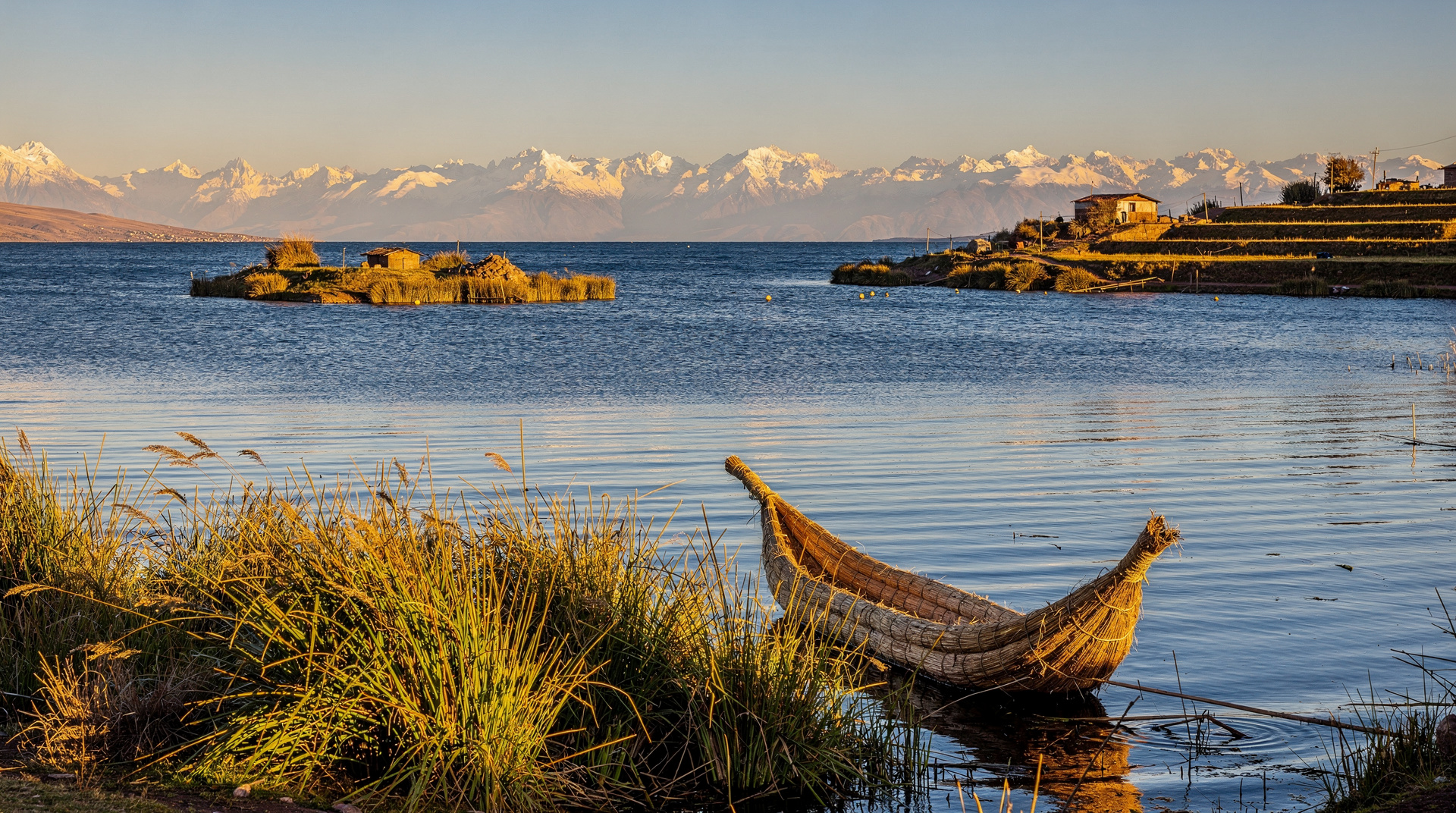
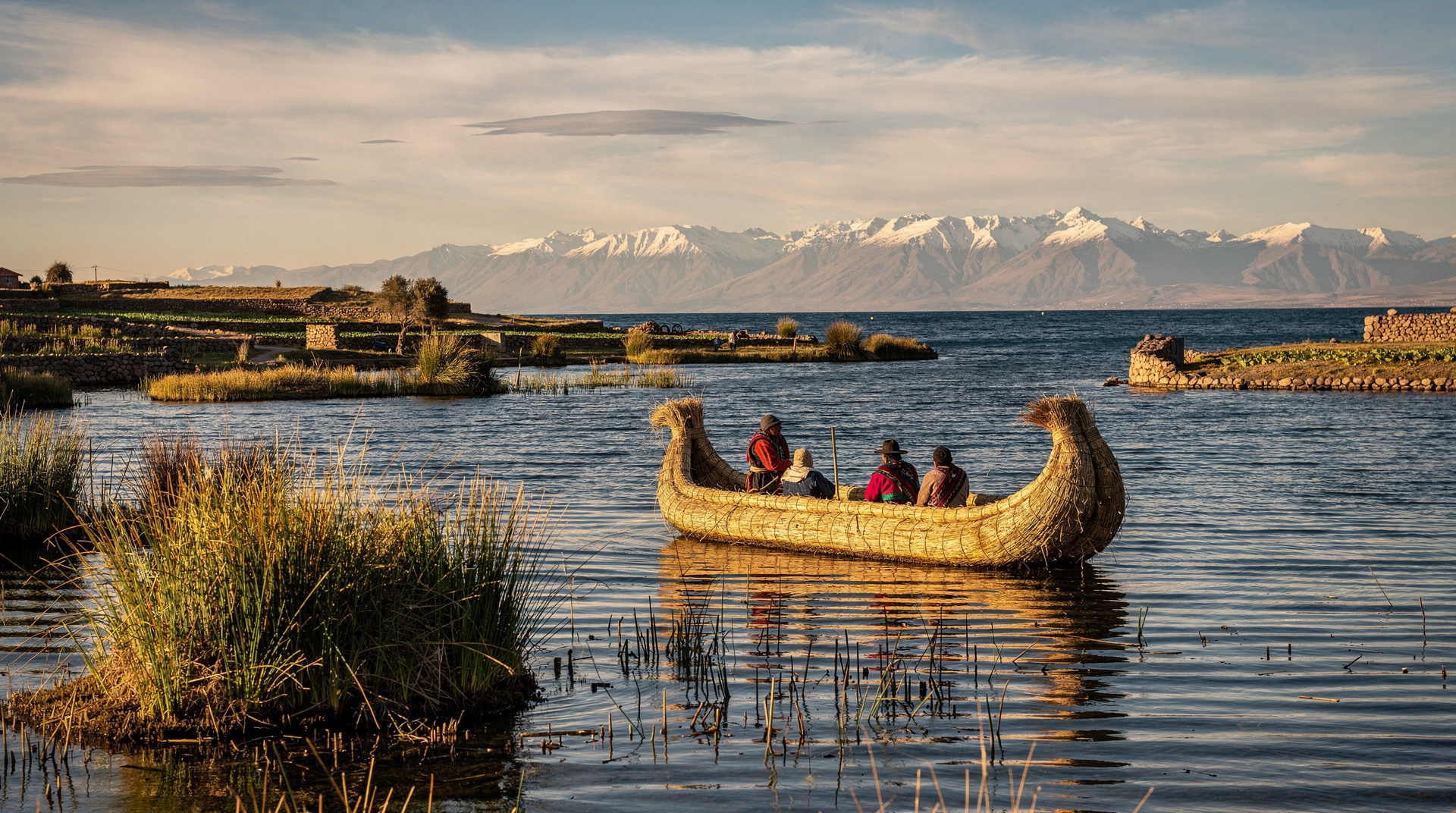
The tour left Puno’s port at 7:30 am. The boat cut across the open lake for roughly 45 minutes to reach the Uros islands — the extraordinary floating islands constructed entirely from totora reeds, which grow in the shallows of Titicaca. The Uros people originally built these islands as a defensive measure, retreating onto the water when threatened, able to move their homes by paddling.
I’ll be honest about what the Uros islands are now. They’re a tourist stop. The families who live there have adapted their economy around the tours — there are demonstrations of island construction, explanations of the reed-based way of life, small stalls selling embroidered textiles, and totora-reed model boats for sale. The island I visited had perhaps 30–40 people living on it. The experience lasts about an hour.
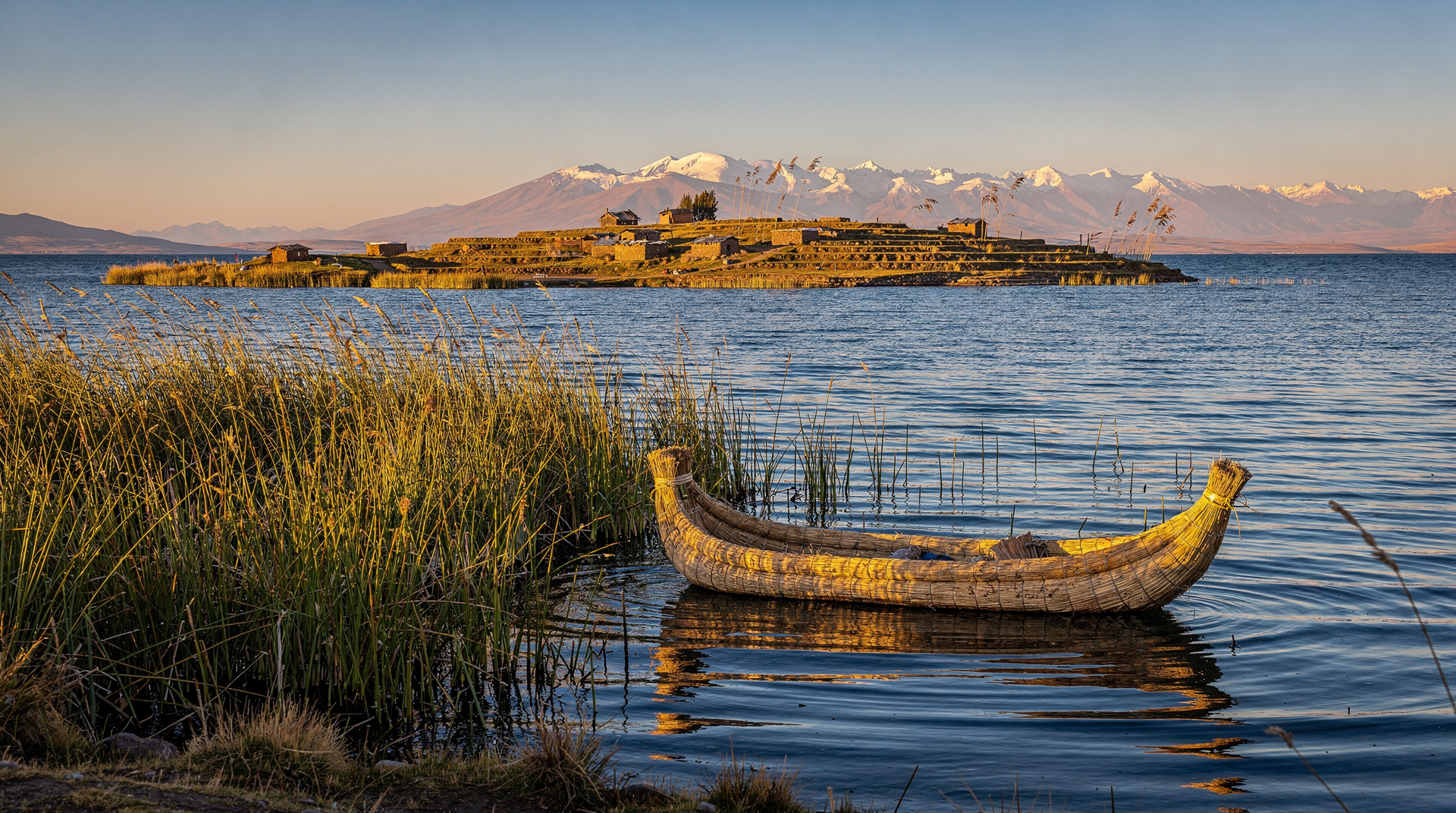
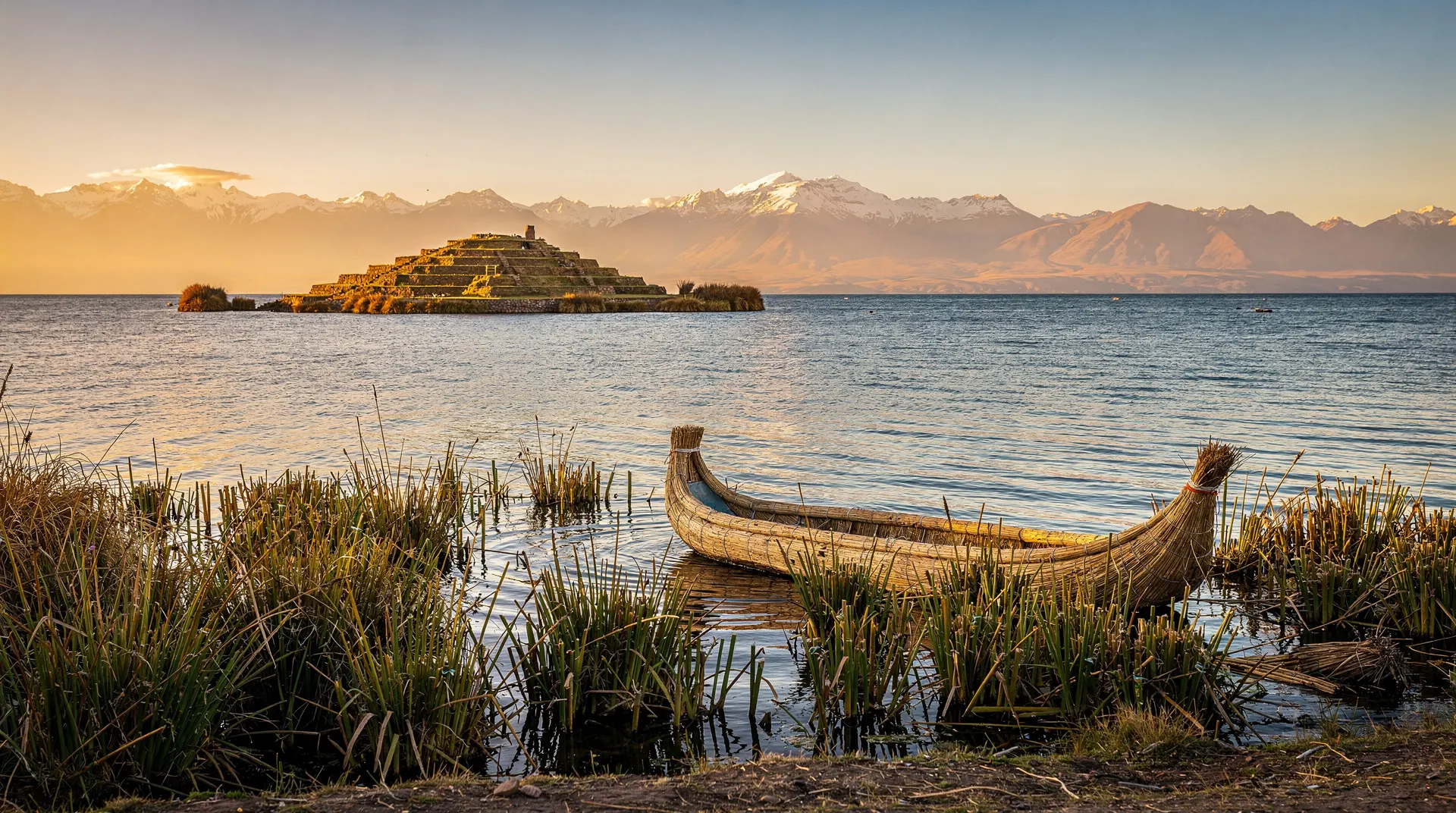
Is it worthwhile? Yes, within limits. The islands themselves are genuinely remarkable engineering — walking on them is like walking on a very dense mattress, with the lake visible in the gaps if you look closely at the edge. The totora reed smell is specific and unlike anything else. The visual effect of the brown islands against the impossibly blue altitude lake, with the Bolivian Andes on the far shore, is singular.
But you should know what you’re going to. The community has become economically dependent on tourism in ways that shape the interaction. This is stated without judgment — the Uros have found a sustainable livelihood, and the alternative is not some pristine pre-contact way of life. Just calibrate your expectations: it’s a cultural exchange with commerce built in, not an immersive ethnographic experience.
The crossing to Taquile
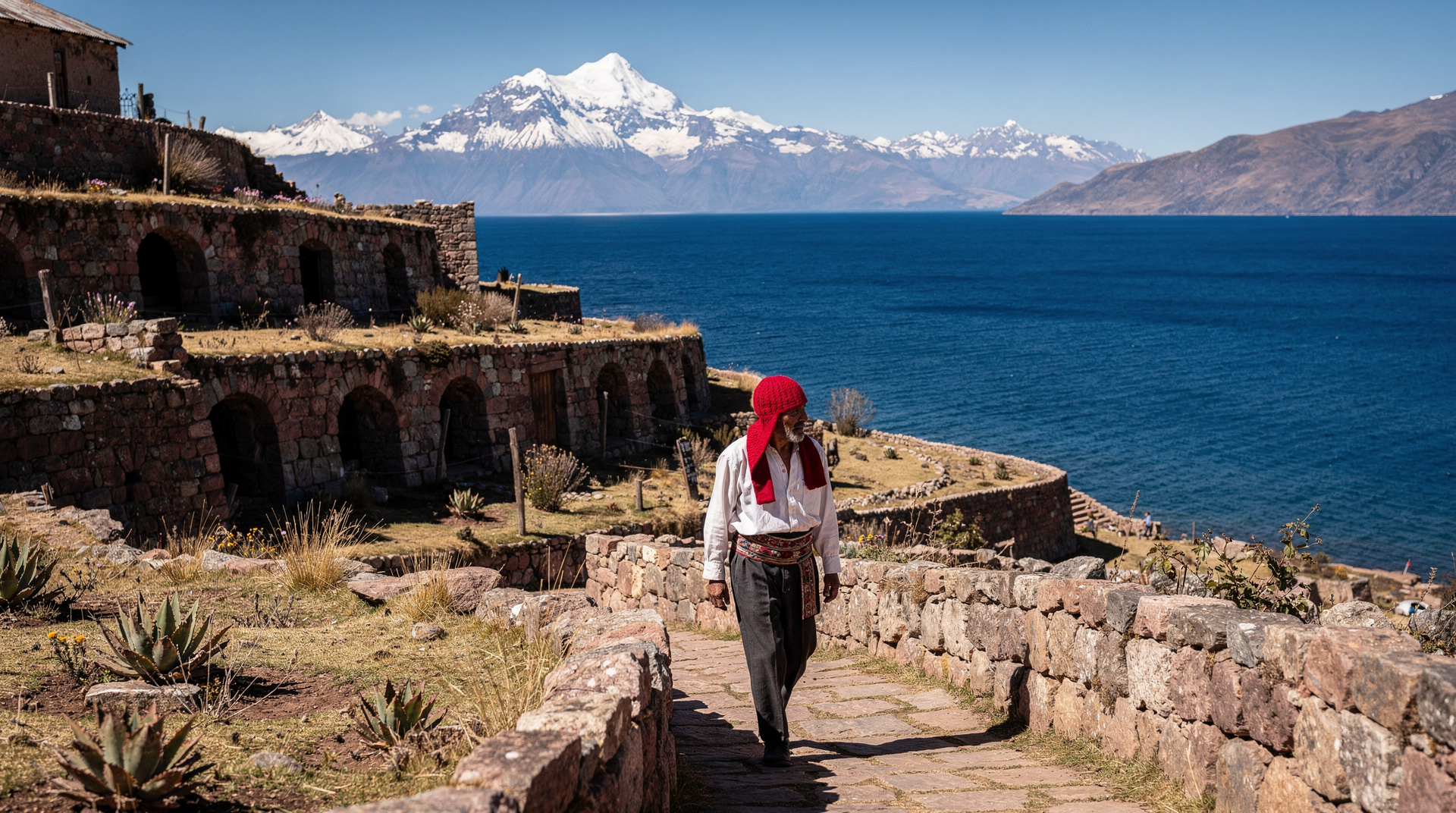
The boat continued for another hour and a half to Taquile Island — a very different experience. Taquile is a 7-km-long island with a population of around 2,200 Quechua-speaking people. It’s accessed by a long stone staircase from the dock — 533 steps, and at 3,950 m those steps announce themselves. I stopped three times. My companion, who was 25 years younger and considerably fitter, stopped once. Take your time. Taquile at altitude is a humbling experience.
The island is famous across Peru for its textiles. Taquile men are the weavers here — the opposite of the mainland tradition — and the quality of the work is UNESCO-recognised. The narrow hats (chullos), finely woven bags (chuspas), and the elaborate patterned bands are genuinely remarkable. The Taquile Textile Art was inscribed on the UNESCO Intangible Cultural Heritage list in 2008, which means something here: the tradition is alive and unperformed.
If textiles are what draw you, the Andean textiles guide explains how to read the patterns and what makes good work different from souvenir work. I wrote about a very different weaving tradition, practised by women on the mainland, in weaving with the women of Chinchero. The Quechua culture guide gives the wider background to the communities you meet on the lake.
The homestay itself
My homestay family lived about a 20-minute walk from the dock along stone paths. The house was adobe — mud brick with a packed earth floor, a small courtyard with chickens, and three rooms. Mine had a single bed with five blankets, which I used all of. There was no electricity except a small solar panel that powered one bulb in the kitchen. Water came from a rainwater catchment. The toilet was an outhouse.
None of this was a hardship. The family — a grandmother, her adult daughter, and two grandchildren who stared at me with cheerful curiosity — cooked a dinner of quinoa soup, trout from the lake, and boiled potatoes with a local herb sauce. The quinoa soup alone was worth the trip. Quinoa from the altiplano where it’s actually grown, in a broth made the same way it’s been made for centuries, at the altitude for which it was always intended, bears no relation to the quinoa bowls in Western restaurants.
We ate slowly, with limited shared language but considerable goodwill. The grandmother showed me her weaving. I showed her photographs on my phone. We communicated mostly through expressions and gestures and laughter.
The night was the coldest I can remember outside of winter trekking. Four of those five blankets were necessary.
If you want the overnight stay without piecing it together yourself, a two-day lake tour that adds a stay on Amantani alongside Uros and Taquile is the closest packaged version of what I describe here. Check what the itinerary includes before you commit, since homestay arrangements differ from one operator to the next.
What to pack for the homestay
This isn’t a trip where you can improvise once you’re there — Taquile has no shops beyond a couple of small stalls near the plaza, and the cold arrives fast once the sun drops. I’d bring: a genuinely warm layer for the evening (down to single digits Celsius is normal), a headtorch since there’s no reliable electricity, a small gift for the host family if you want to bring one (school supplies for children or coffee are welcomed, cash tips are also standard through the agency), and cash in small soles notes since there’s no card payment anywhere on the island. A basic Spanish phrase or two goes further than you’d expect, even though most direct communication ends up being gesture and goodwill.
For the altitude itself, the coca tea and altitude remedies guide is worth skimming before you go, and the general what to pack for Cusco list covers most of the layers you will want on the lake as well. Unlike the cold of the high passes, the lake’s cold is damp and wind-driven, so pack for the evening, not just the afternoon.
Uros versus Taquile: two very different stops
It’s worth being clear-eyed about what each stop actually offers, because they’re often bundled together as if they’re the same kind of experience. The table below is how I’d frame it for someone deciding how much time to spend at each.
| Uros floating islands | Taquile Island | |
|---|---|---|
| Character | Reed islands, tourism-adapted economy | Inhabited island, textile tradition, UNESCO-listed |
| Time needed | About 1 hour | Half day to overnight |
| Effort | Minimal, boat-based | 533 steps from the dock, at 3,950 m |
| Best for | A quick, singular sight | Slower cultural immersion, homestay option |
Book a full-day Uros and Taquile tour from Puno if you want the one-day version — the full circuit from Puno’s port covers both islands with a local guide who can contextualise what you’re seeing. If a quicker crossing appeals, a speedboat version of the Uros and Taquile circuit trims the time on the water, though the slow boat gave me more room to look at the lake. The overnight homestay option on Taquile requires booking in advance through a Puno agency.
Morning on Taquile
Sunrise on Taquile was the single most beautiful morning of a trip that had several beautiful mornings. The light at altitude comes on fast and hard — the sky was ink-black at 5 am and full, vivid blue by 6:15. The lake caught it. The snow-capped Bolivian peaks on the far shore (across the border, roughly 60 km east) were first in silhouette and then in colour. Taquile’s terraced hillsides, worked for agriculture since Inca times, glowed.
I walked to the main plaza in time to see the community gathering — a weekly assembly where men wear their traditional dress (the red and white hats indicating whether they are married), sit together, and discuss community business. The women wore embroidered blouses and layered skirts. It was not a performance. They were having a meeting.
The return and the reality of Puno
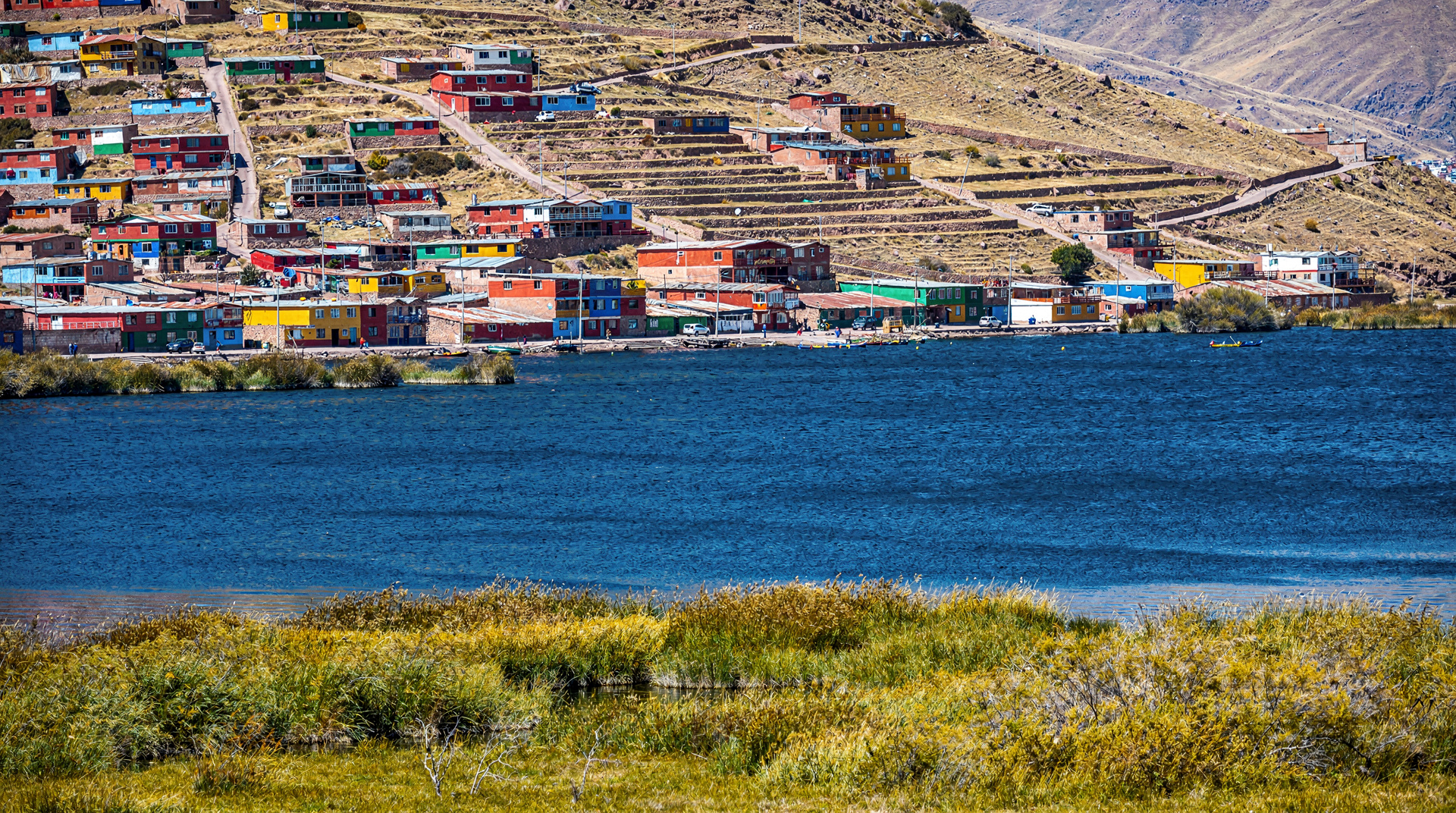
The boat back to Puno took about two hours, and I arrived tired, cold, and unexpectedly moved by the experience. Puno itself is not a beautiful city — it’s a commercial hub for the altiplano, practical and slightly rough-edged — but the lake is ten minutes from the centre and the horizon across it is immense.
I spent one more night in Puno, ate at a local restaurant near the market (trout again, fried this time, with arroz con leche for dessert), and caught the bus back to Cusco the following morning. The altiplano between Puno and Juliaca is bleak in a way that I found compelling — vast flat grassland, flamingos in the salt lakes, the occasional cluster of adobe houses. Peru contains so many different landscapes that it requires multiple trips to hold them all.
If the lake whets your appetite for the south, the Arequipa trip report and the Colca Canyon condor morning cover the other direction out of Cusco, and the Puno destination page has the practical detail on the lakeside city itself. The Peru 10-day Cusco and Titicaca itinerary covers the full circuit if you’re planning to combine both regions. The lake wildlife guide has detail on what’s actually in and around the lake — the giant grebes, the flamingos, the endemic frog — which my boat driver mentioned in passing and I wished I’d known more about beforehand.