Humantay Lake day diary: the hike, the altitude and the colour I did not expect
The colour does not look real
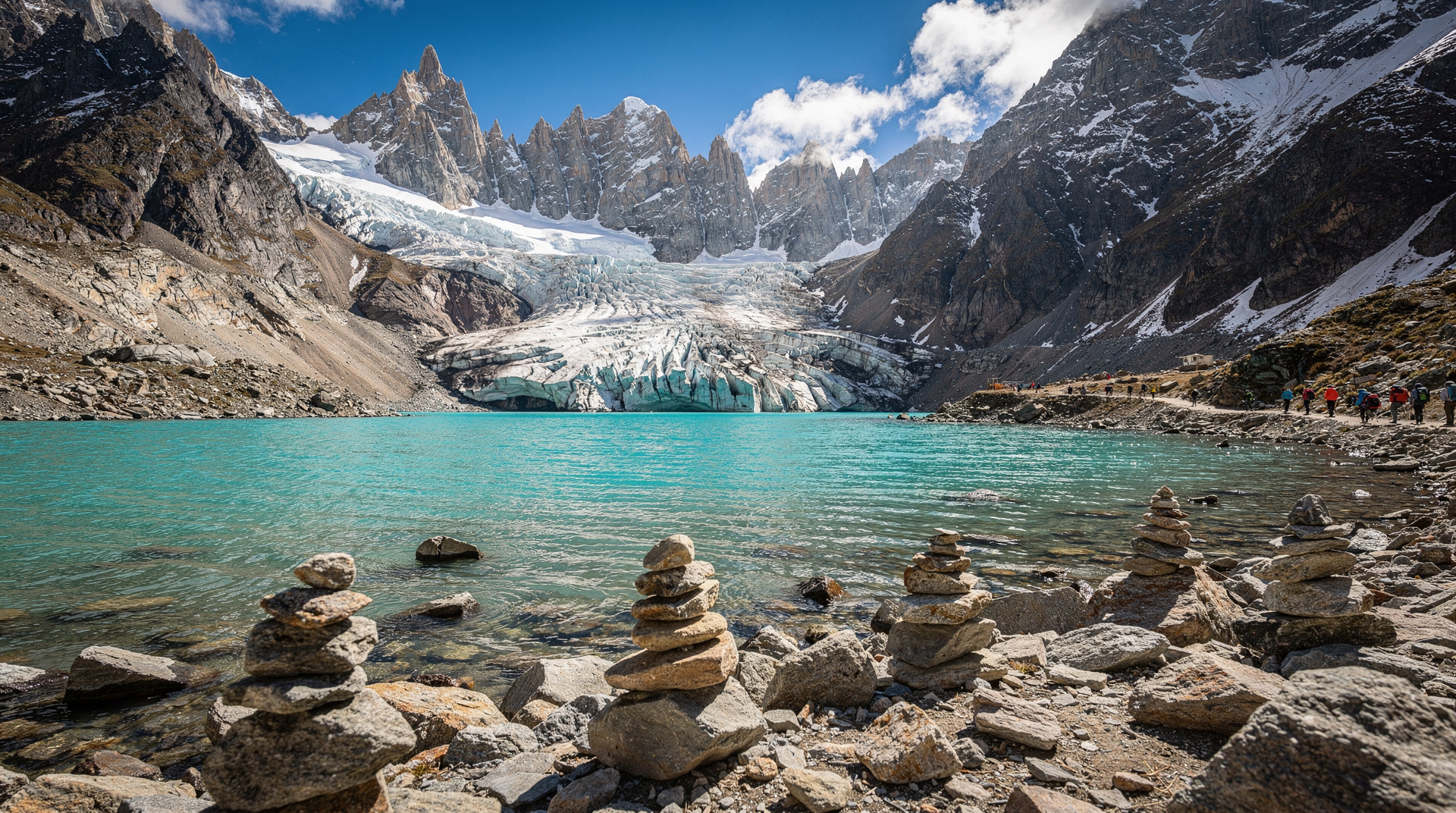
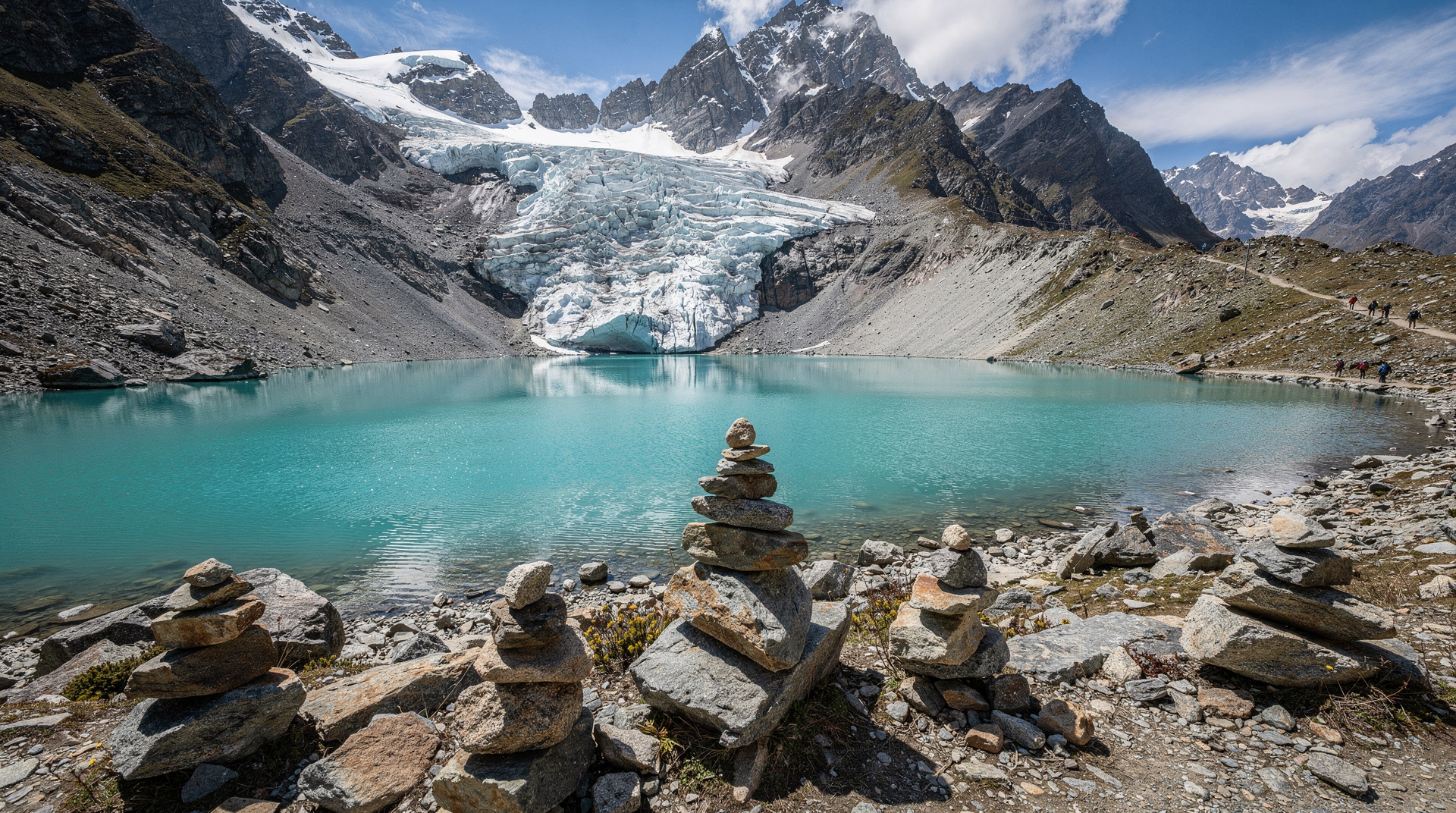
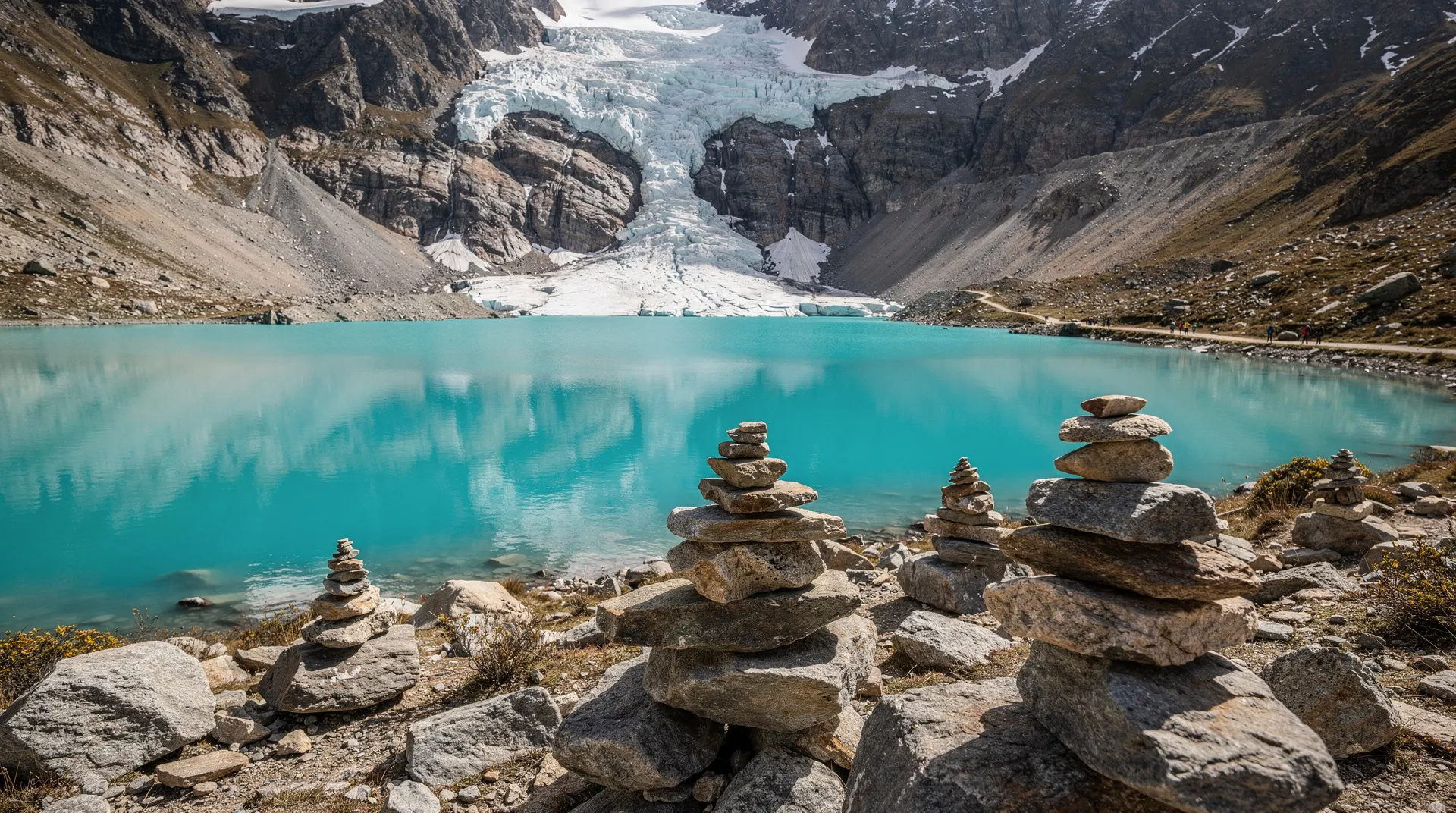
I have been trying for three years to describe the colour of Humantay Lake accurately, and I keep arriving at the same inadequate approximation: imagine a Caribbean beach in shades of blue and turquoise, then transport the water to 4,200 metres above sea level, surround it with a glacier-capped peak, and drain the warmth from the air. That is approximately it.
| Where | Soraypampa trailhead, roughly 2.5 hrs from Cusco by road |
| Altitude | Trailhead 3,900 m, lake 4,200 m |
| Hike | About 2.5 km each way, 90 min–2 hrs uphill |
| Cost | Guided day trip, transport + breakfast + lunch included |
| Best time | Dry season (May–September) for clearer mountain views |
The lake sits in a glacial cirque below Nevado Salkantay (6,271 m), fed by glacial meltwater. The minerals suspended in that meltwater produce a colour that my camera registers as turquoise-green in flat light and pure electric blue when the sun hits it directly. Neither photograph quite captures what you see standing at the lakeshore, partly because you cannot photograph cold — and the cold is part of what the colour means.
Humantay is one of the best day trips from Cusco. It is also harder than it looks in photographs, less crowded than Rainbow Mountain but not empty, and requires genuine preparation if you are going to enjoy it rather than suffer through it.
Getting there: the 4 a.m. departure problem
The guided day trip from Cusco departs between three-thirty and four-thirty in the morning. This is not operator sadism. The trailhead at Soraypampa sits at approximately 3,900 metres, about two and a half hours from Cusco by road, and the walk up to the lake takes ninety minutes to two hours depending on pace and altitude response. To arrive at the lake in the best morning light, before the cloud builds in early afternoon, you need to be on the trail by six-thirty or seven.
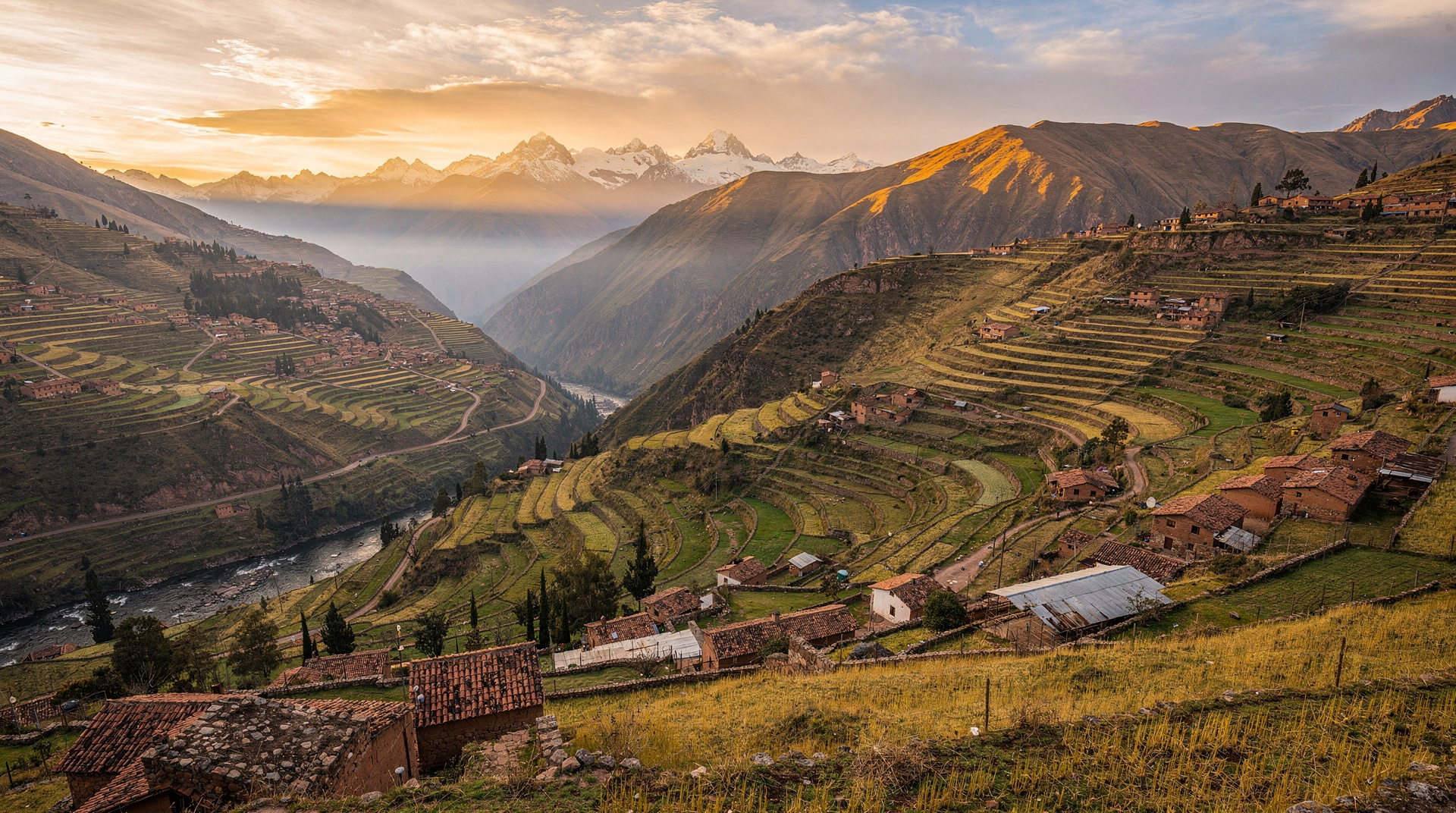
I have done the trip twice. Both times the minibus pickup involved sitting in a dark vehicle wrapped in every layer I had brought, eating an empanada that the guide handed around, while the city passed outside the windows. By the time we reached Soraypampa the sun was up and the mountains were doing the thing they do at altitude — appearing impossibly large against a sky that is genuinely darker blue than sky at sea level.
The walk itself
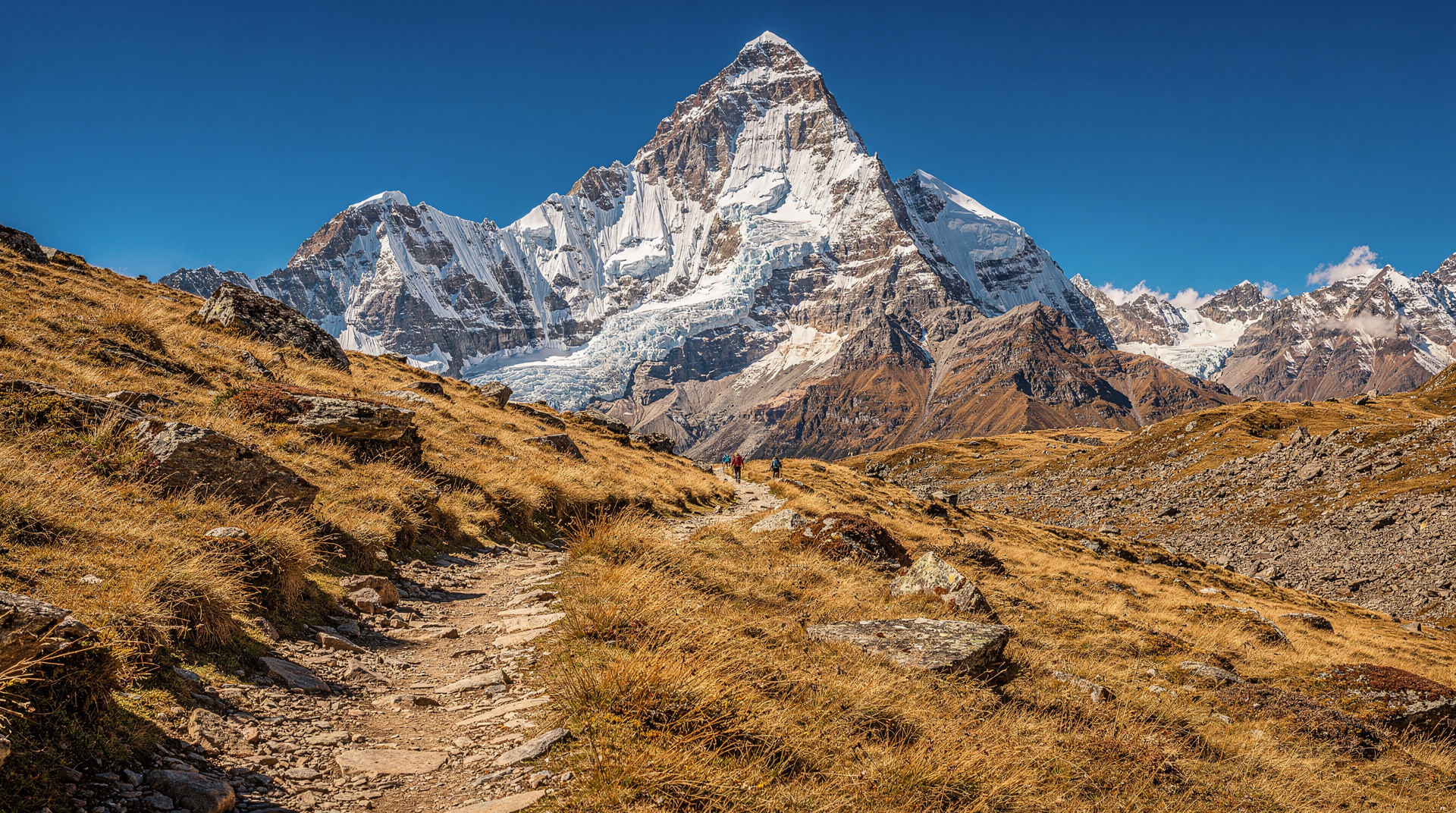
From Soraypampa (3,900 m) to Humantay Lake (4,200 m) is a climb of approximately 300 vertical metres over about two and a half kilometres. In physical terms, this is not a long walk. At altitude, after a four-hour drive and without sufficient sleep, it is a significant effort.
The path is clear and well-maintained — a wide dirt trail for the first kilometre, then a rockier section with switchbacks as it steepens near the top. There is no technical difficulty. What there is: altitude, which makes your legs feel heavier than they should and your lungs work noticeably harder than the gradient warrants.
My approach on both visits was identical: walk slowly, breathe deliberately, stop every twenty minutes not because I needed to but as a deliberate act of pace management. This approach works. The visitors I saw struggling were the ones who started fast and had to stop completely on the steeper section.
The Cusco acclimatisation plan recommends at least three days in Cusco or the Sacred Valley before attempting Humantay. This is correct. Do not attempt Humantay on day one or two in Peru.
The lake
You do not see the lake until you are at it. The path crests a final ridge and the lake is immediately below, filling a bowl surrounded on three sides by steep moraines and fronted by the south face of Salkantay. The water is, in any light, extraordinary.
At the lakeshore there is a small stone apacheta (offering cairn) and a ceremonial space where the local community conducts traditional offerings. The Humantay Lake is considered a sacred site (Apu) by the surrounding communities, and guides typically ask for a few minutes of respectful silence on arrival before the photography begins. I think this is the right call.
There is a limit of visitors at the lake at any one time — enforced variably — and at peak times (July and August dry season) the lakeshore can feel crowded. In early June, when I visited most recently, there were perhaps forty people at the lake at any point, spread around the perimeter, which felt completely manageable.
Allow at least forty-five minutes at the lake. Walk the full perimeter if the path allows it — the view back towards the glacier is different from each angle.
Humantay versus the other big day trips
If you are choosing between Cusco’s headline day trips, it helps to know how they actually compare rather than just which one Instagram prefers. Rainbow Mountain is higher, longer and more crowded, but delivers the striped-mountain photograph nothing else does. The Sacred Valley is lower altitude, far less physically demanding, and trades scenery drama for Inca ruins and market culture. Humantay sits in between: a serious but achievable hike, a genuinely sacred site rather than a photo backdrop, and — in my experience across two visits — fewer people at the lakeshore than either of the others once you are actually there.
| Day trip | Physical effort | Altitude reached | What you get |
|---|---|---|---|
| Humantay Lake | Moderate | 4,200 m | Glacial lake colour, sacred-site atmosphere |
| Rainbow Mountain | High | 5,020 m | The striped mountain, longer day |
| Sacred Valley | Low | Under 3,000 m | Inca ruins, markets, weaving villages |
Altitude: the honest version
Humantay is at 4,200 metres. Cusco is at 3,400 metres. The extra 800 metres is meaningful, especially on the final steep section of the path.
I felt it both times. The second time — after arriving in Cusco four days earlier — I felt it as a manageable heaviness and slight breathlessness. The first time — arriving in Cusco two days before the trip — I felt it as a headache that arrived at the lake and stayed for the entire descent.
The lesson is simple: acclimatise properly first. This means a minimum of two full days at Cusco altitude before Humantay, and ideally three. Coca leaves (offered by most guides) help slightly. Staying well hydrated the night before and the morning of helps more. Diamox (acetazolamide) is a medical option if you know you are altitude-sensitive — see the altitude sickness guide for the detail.
Is it worth the early start?
Yes. Without qualification.
Humantay Lake is one of those places that exceeds what you imagined when you were planning to see it. The combination of altitude, glacier, water colour and sheer mountain scale produces an experience that I found genuinely moving rather than merely impressive. I stood at the lakeshore for forty minutes on my second visit, which is not my normal mode, and felt disinclined to leave.
The Humantay Lake guided day trip includes transport, a guide, and breakfast and lunch. The best day trips from Cusco guide puts it alongside Rainbow Mountain and the Sacred Valley as the three most worthwhile day trips from the city, with the honest note that Humantay is less crowded than Rainbow Mountain and, in my opinion, more beautiful.
If you would rather compare operators before committing, a guided Humantay hike from Cusco is the format I would look for: a small group, a guide who sets a sensible pace on the steep section, and a pickup that handles the dark early hours so you do not have to.
What to pack for the hike
Layers matter more than any single item — the minibus is cold, the trailhead colder still before sunrise, and the walk itself warms you quickly once you’re moving. I’d bring: a warm hat and gloves for the pre-dawn drive, a windproof outer layer for the exposed final stretch near the lake, sturdy walking shoes rather than trainers (the rockier switchbacks near the top reward decent grip), sunscreen and sunglasses despite the cold, and coca leaves or altitude sweets for the walk. Cash in small soles notes covers the trailhead toilet fee and any snacks from the handful of stalls at Soraypampa.
For a fuller kit list, the what to pack for Cusco guide covers the layers that matter across the whole trip, not only this one morning.
Where Humantay fits in a longer trip
I think of Humantay as the point where a Cusco trip stops being sightseeing and becomes mountain travel. If you want the practical detail on logistics and operators, the Humantay Lake day trip guide and the Humantay Lake destination page go deeper than a diary can.
The lake is also a taste of something bigger. The same glacier country is the setting for the multi-day walk I wrote up in my Salkantay trek diary, and the Salkantay trek guide explains how that route works. If the day trip leaves you wanting more days in the mountains, that is the natural next step.
If you are weighing this against the other famous colour-hunt, my Rainbow Mountain reality check is blunt about the crowds, and the quiet rainbow at Palccoyo is the gentler alternative I would point people towards. Whichever you choose, the sequencing matters more than the destination: build the acclimatisation first, then spend it on the big days.
Travellers with a longer stay sometimes prefer to fold the lake into a wider route rather than book it alone. A multi-day Cusco package that combines Machu Picchu, the Maras salt mines and Humantay Lake spreads the effort across the week, which also happens to suit the acclimatisation advice above.
Sleeping low, hiking high
Your base shapes the day more than you might expect, and sleeping lower before an early start is the best advice I know for altitude. The Cusco altitude versus Sacred Valley guide lays out that trade-off, and the coca tea and altitude remedies guide is worth reading before you rely on any of the folk remedies guides will hand you at dawn.
Book a few days after arriving in Cusco. Prepare for the altitude. Go.