Machu Picchu month by month — what to expect all year
From Cusco: Machu Picchu Day Trip with Train Tickets
What is Machu Picchu like each month of the year?
Dry season (May–September) brings clear skies, peak crowds and advance booking requirements stretching 4–8 weeks. July is the busiest month with all entry slots booking out weeks ahead. Wet season (November–March) brings lower crowds, misty atmospheric conditions, green vegetation, and lower prices. January and February are the wettest months; February is the most restricted (Inca Trail closed all month). Machu Picchu is open year-round — no month is impossible, but the planning requirements and experience differ significantly.
One citadel, twelve different experiences
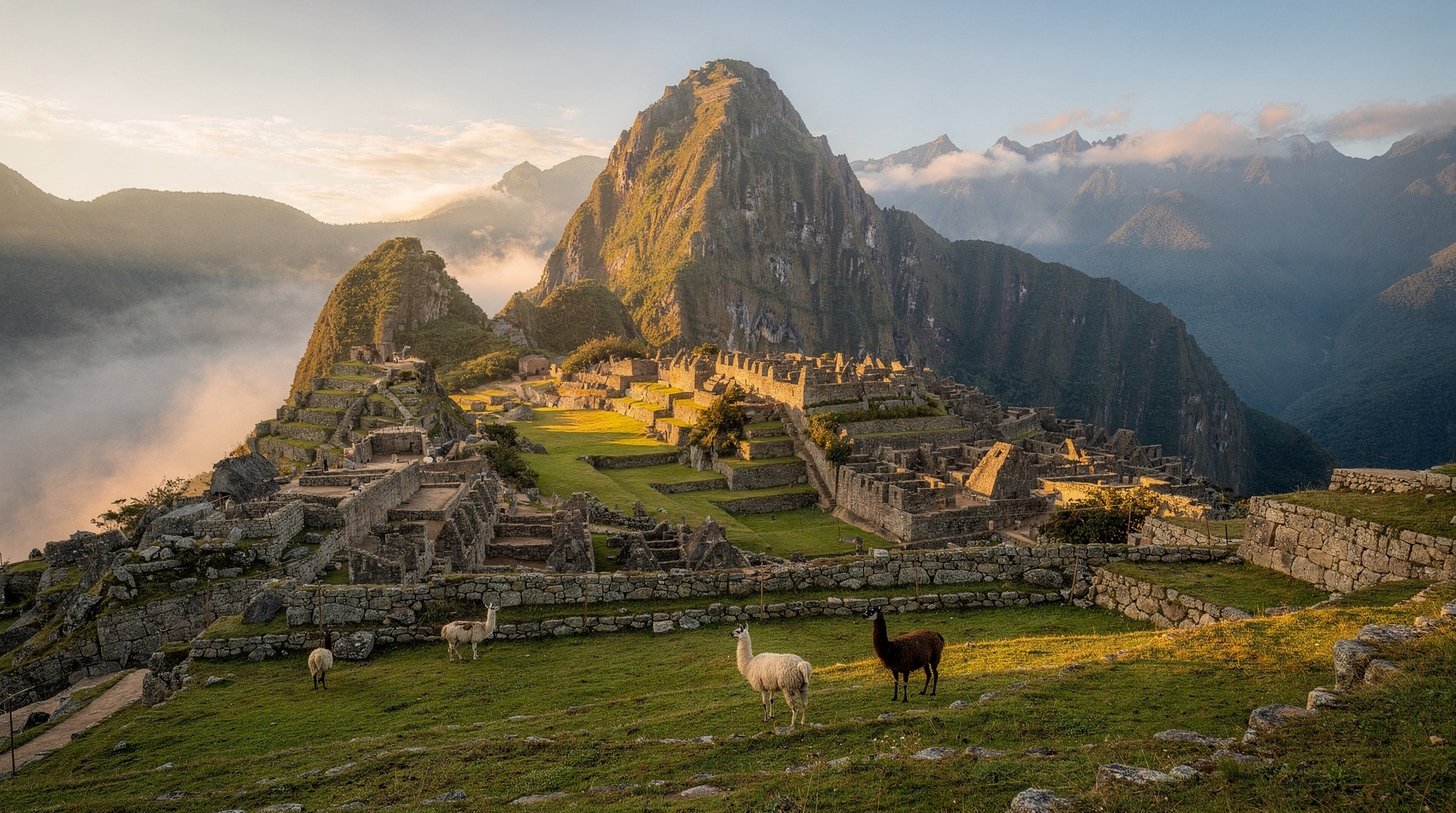
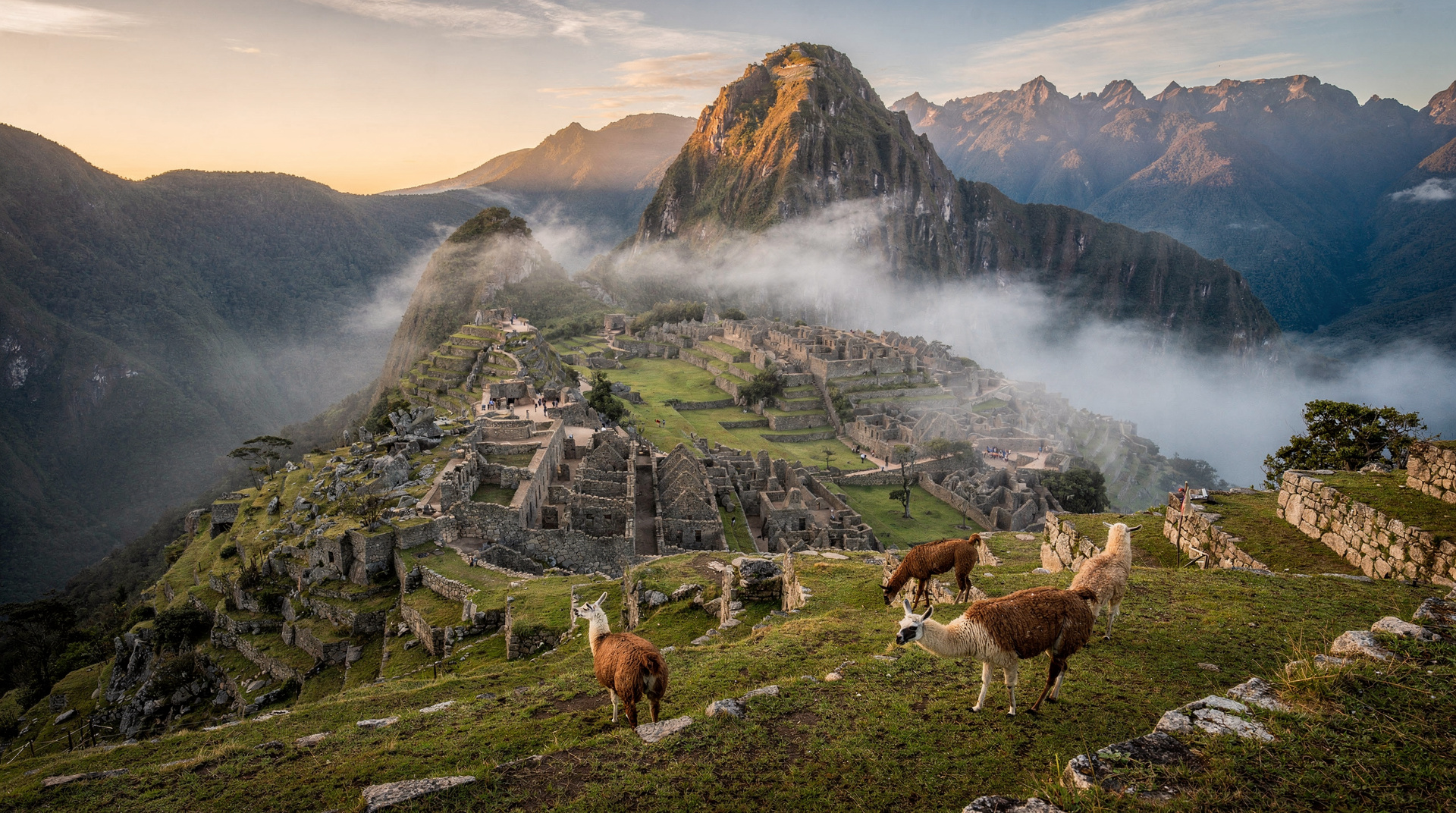
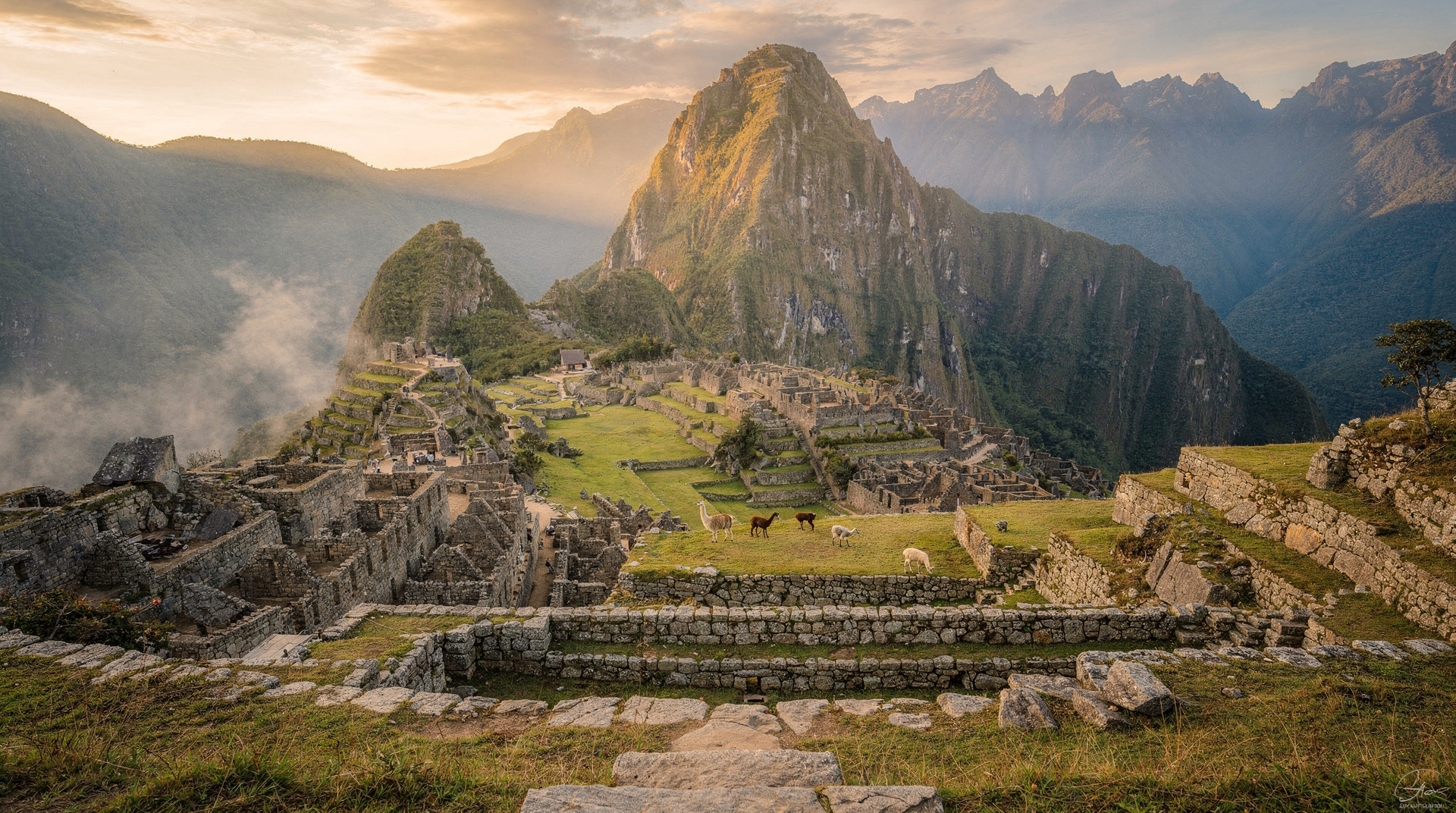
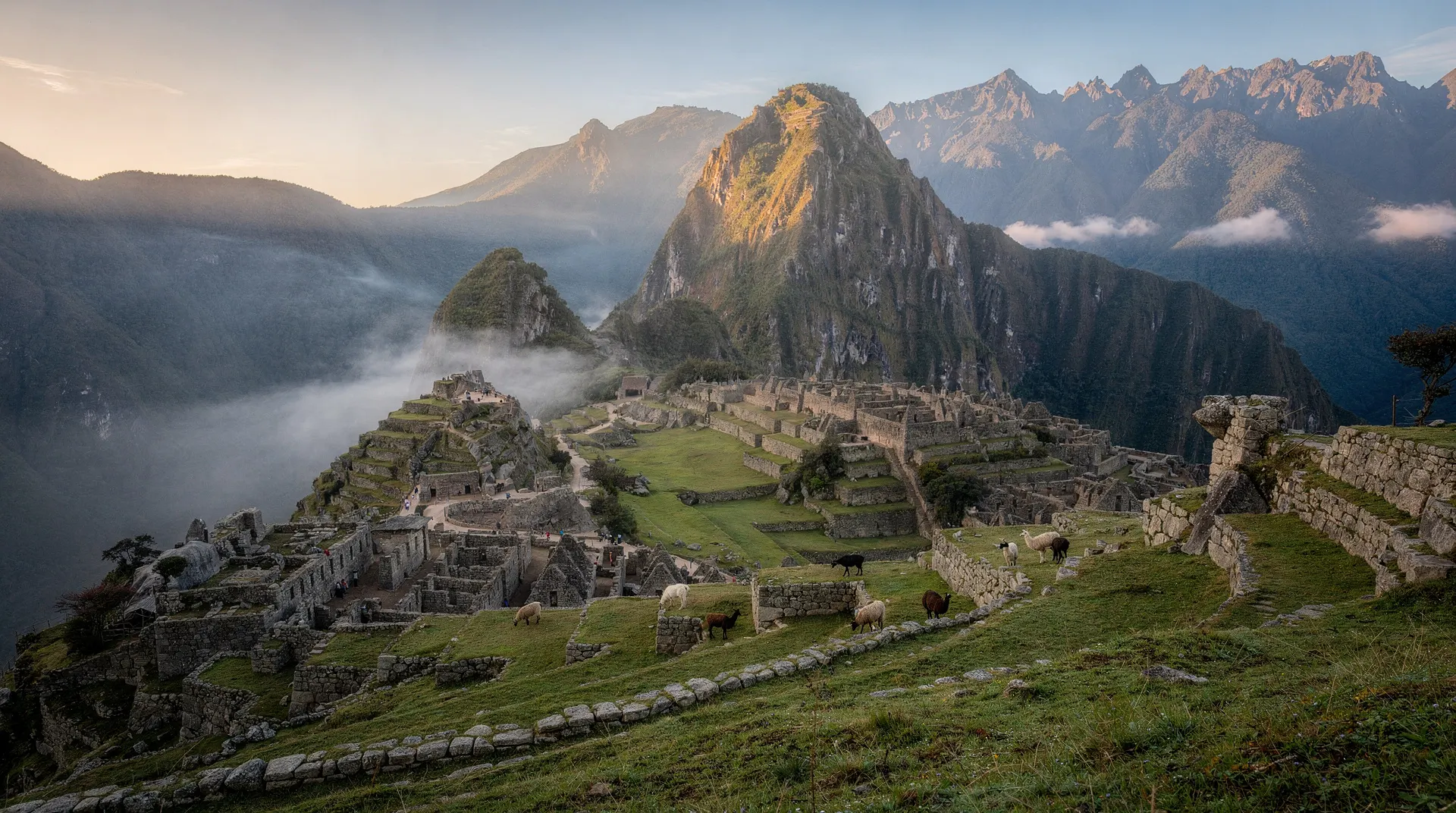
Machu Picchu is open every day of the year and receives visitors in every month. But the experience changes profoundly across the calendar. The citadel in July — sharp blue sky, the Huayna Picchu peak in clear definition above the ruins, hundreds of visitors moving through the terraces — is a different sensory experience from Machu Picchu in January: low cloud drifting through the agricultural terraces, the sound of a distant waterfall, perhaps twenty people visible on the site from the classic postcard viewpoint. Neither is better in absolute terms. They are different experiences, and the right one depends on what you are looking for.
This guide goes through every month with honest detail — weather conditions, crowd levels, booking requirements, and the specific qualities that each period brings.
| Best overall | May or September (dry conditions, noticeably fewer crowds) |
| Clearest skies | June–August (also the busiest and priciest to book) |
| Quietest | November–February (wet, atmospheric, lowest prices) |
| Most restricted | February (Inca Trail fully closed) |
| Booking window | 1–2 weeks (Nov–Mar) to 5–8 weeks (Jun–Aug) |
The two regimes: dry and wet
Machu Picchu sits at approximately 2,430 m in the cloud-forest zone — substantially lower than Cusco (3,400 m) and in a topographic position that captures moisture from the Amazon basin to the east. This means it is wetter and more frequently cloudy than Cusco even in the dry season. The mist that swirls through the ruins in travel photography is not an anomaly — it is the normal climate of the cloud forest, present even in June and July on certain mornings and evenings.
Dry season (May–September): Predominantly clear mornings with reliable sunshine. Afternoon cloud builds but rain is relatively infrequent at the citadel level (though more common on the treks above). Temperatures comfortable: 15–22°C during the day. Nights in Aguas Calientes (if staying): 12–16°C.
Wet season (November–March): Daily rainfall, with the morning window of clarity that characterises Andean convective patterns. Temperatures slightly warmer (18–24°C day). Vegetation at its lushest. Cloud more persistent and lower, meaning the mountain views behind the ruins are often obscured.
Month by month
January
One of the most atmospheric months to visit Machu Picchu — and the most challenging for photographers seeking clear-sky views. January is deep in the wet season, with regular rain and persistent low cloud. The citadel’s cloud-forest character is at its most pronounced: the terraces are brilliant green, the stonework is dark from moisture, and cloud moves through the site in dramatic waves.
On clear mornings (still common — the convective pattern means many January mornings begin with blue sky before cloud arrives by 10–11 am), the views are extraordinary in their freshness. The vegetation is at maximum lushness. Bird activity in the cloud forest is exceptional — this is one of the better months for spotting the spectacular Andean cock-of-the-rock near the entry path.
Crowds: Very low. January is one of the quietest months for international visitors to Machu Picchu. Entry slots available with 1–2 weeks notice even for the 6 am opening.
Booking lead time: 1–3 weeks typically sufficient for all entry slots and train tickets.
Inca Trail: Operational in January but muddy and demanding. Groups are small.
February
The wettest month and the most restricted. The Inca Trail is closed for the entire month of February — no exceptions. The Salkantay and Lares treks continue operating and provide the alternative routes to Machu Picchu for trek-focused visitors.
Machu Picchu citadel: open every day as normal, accessed by train from Ollantaytambo. The experience is similar to January — wet, green, atmospheric, frequently misty. The combination of low tourist numbers and dramatic weather makes February a genuinely interesting month to visit if your expectation is shaped by atmosphere rather than clear-sky photographs.
Carnaval: Falls in late February (date varies — Shrove Tuesday). Cusco celebrations are genuine local festivities rather than tourist shows.
Crowds: Absolute minimum of the year at Machu Picchu. Entry slots are the most freely available of any month.
Booking lead time: Tickets usually available 1–2 weeks ahead; some specific popular dates may require earlier booking but this is unusual in February.
March
Transition month. Rain continues in the first half; by late March the shoulder season is underway. The Inca Trail reopens on 1 March — the first permits sell quickly to trekkers who specifically want the trail in its most lush condition after the February closure. The citadel retains its green, post-wet-season character.
Crowds: Rising through the month as the shoulder season begins to draw visitors, but still well below dry-season levels.
Booking lead time: 2–3 weeks for most dates; late March slots book more quickly.
April
Shoulder month with increasingly good conditions. Easter week (Semana Santa) creates a brief crowd peak — Cusco’s religious processions during Holy Week are significant and draw domestic Peruvian visitors in large numbers. Accommodation in Cusco books up during Semana Santa; Machu Picchu entry slots are busy but usually manageable with 3–4 weeks notice.
Outside Semana Santa, April is excellent: conditions similar to May but still at shoulder prices in most accommodation categories.
May
The first full month of dry season. Clear skies become reliable, trails firm up, and the landscape is at an interesting midpoint — the wet season’s green is still present on the hillsides, the sky is increasingly blue, and the visitor crowds are still substantially below June–August levels.
May is widely regarded by experienced Cusco visitors as the best single month for Machu Picchu: dry-season conditions, 40–50% fewer visitors than July, and entry slots available with 3–4 weeks notice.
Train booking: Still advisable 3–4 weeks ahead on PeruRail and Inca Rail, but the extreme early booking of July–August is not required.
June
Dry season in full effect. Clear mornings, excellent visibility, the mountains behind the citadel in sharp definition. Visitor numbers rising toward peak. The week of Inti Raymi (around 24 June) is Cusco’s busiest week of the year — this does not directly affect Machu Picchu’s day-to-day operation (the festival is in Cusco, not at the citadel) but many Inti Raymi visitors extend to Machu Picchu, and availability in Aguas Calientes and entry slots tightens during the festival week.
Book June entry slots and train tickets 5–6 weeks ahead for most dates, 7–8 weeks for the Inti Raymi week.
July
The busiest month. Maximum daily visitor quota of approximately 4,500 (across all sessions and circuits) in effect. Early entry slots (6:00 am) book out 5–8 weeks ahead. Aguas Calientes accommodation is heavily subscribed on weekends. Train seats on popular morning departures from Ollantaytambo sell out weeks ahead.
The experience in July: the citadel is crowded by mid-morning, with visitors queuing for the classic postcard viewpoints. The weather is reliable, the views are clear, and the site is unmistakably impressive regardless of the crowds. Visit on a weekday rather than weekend for marginally better conditions.
Book a guided day trip from Cusco to Machu Picchu that bundles transport, train and guided entry — essential in July to ensure all components are coordinated. July is the month where independently managing four separate bookings (transport to Ollantaytambo, train, entry ticket, bus up to citadel) is most likely to have a timing gap that causes problems.
August
Similar to July but with a slight decline in the final week as Northern Hemisphere school holidays end. Weather excellent. Booking requirements very similar to July — 5–8 weeks ahead for all components. The classic high-season experience, for better and worse.
September
The transition back from peak season. Dry-season weather continues — arguably the best light quality of the year in September, with longer shadows and a golden quality to the afternoon light on the Andean landscape. Visitor numbers noticeably below August. Entry slots available with 3–4 weeks notice. Train tickets easier to secure than in July–August.
September is frequently cited as the best month by visitors who have been to Machu Picchu multiple times: experienced travellers who specifically choose to avoid the peak crowds.
October
Transitional. Some shoulder-season visitors, beginning of the low-season descent. Conditions still mostly good. Occasional first rains in late October. Good month for those seeking a balance of reasonable weather and low visitor numbers.
November
Wet season begins. First rains arrive. Visitor numbers drop sharply. The citadel begins its green transformation as the vegetation responds to the rain. Entry slots widely available.
December
Wet season established. Christmas week (22–30 December) is a notable exception: domestic Peruvian holiday visitors and international tourists boost Machu Picchu attendance significantly, and this week requires booking 4–6 weeks ahead. Outside Christmas week, December is quiet and available with short notice.
The crowd reality: a visual guide
Machu Picchu’s visitor capacity system works on timed entry windows and daily maximums. The 6:00 am slot is the most in-demand for all months, followed by 7:00 am and 8:00 am. In July–August, visitors in the 11:00 am–1:00 pm window find the most crowded conditions on popular viewing points.
The honest picture: in July and August, Machu Picchu in the 9:00–11:00 am window is crowded by most standards. Every viewing terrace has people on it. Queue at the Sun Gate entry. Long lines for the iconic viewing point on the upper agricultural terraces.
In May, September or November–February, the same terrace in the same window might have twenty people on it. The balance between crowd management and site access is real, and it shapes the experience significantly.
Booking Machu Picchu tickets: the system
Tickets are available at tuboleto.cultura.pe (the official Ministry of Culture platform). Each ticket specifies:
- A date
- An entry time slot (6 am, 7 am, 8 am, 9 am, 10 am, or later)
- A circuit (1, 2, 3 or 4 — different routes through the site)
The ticket price is the same regardless of nationality or season: approximately S/152 for adults (about $41 USD) as of early 2026. Prices may have changed since this guide was written — check the official platform for current rates.
Coordinate your ticket time with your train arrival. The train from Ollantaytambo takes ~1.5 hours to Aguas Calientes; the bus from Aguas Calientes to the citadel gate takes approximately 25 minutes. If your train arrives at 7:30 am, the earliest safe entry slot is 9:00 am (allowing for bus queue and journey time). The complete guide to Machu Picchu covers all ticket types and circuits in full.
The train: year-round availability
PeruRail and Inca Rail operate the Ollantaytambo–Aguas Calientes route every day of the year. No seasonal closure applies to the train. In wet-season months (particularly January–February), track maintenance occasionally causes delays or single-day disruptions; both operators communicate these to ticket holders. In December–February, have travel insurance covering trip disruption.
Book your Machu Picchu visit with a bundled day trip from Cusco — all components coordinated, guide included, year-round availability.
The final calculation
Clearest views, best photography, reliable conditions: July, August, June Best balance of weather and fewer crowds: May, September Atmospheric, misty, lowest crowds: November–January, March Most restricted (Inca Trail closed, wettest): February Best value (low prices, available slots): November–February
Whatever month you choose, Machu Picchu delivers. The 2,430 m citadel built by the Inca in the 15th century and never discovered by the Spanish is not diminished by clouds or crowds — it is merely experienced differently. The planning question is which version of the experience you want, and whether the conditions available in your target month match your expectations. The best time to visit Cusco guide puts the full calendar in context for visitors planning the wider trip.
Comparing your options if a specific date is locked in
Not every visitor has full flexibility on when to go — flights, work schedules and broader itineraries often fix your Machu Picchu date well before you read a seasonal guide like this one. If that’s your situation, treat the month-by-month breakdown above as a way to set expectations rather than a decision to make: know in advance whether you’re likely to get clear skies or mist, and book your entry slot and train the moment your date is confirmed rather than waiting to see how the season looks closer to the time. The gap between “booked six weeks out” and “booked six days out” matters more for your actual experience than a shift of a few weeks in either direction on the calendar.
How month interacts with circuit choice
The month you visit changes more than crowds and weather — it also affects which circuit makes sense. In wet-season months, Circuit 1’s exposed ridge climb to the Hut of the Caretaker can be genuinely slippery in the rain, while Circuit 3’s lower, more sheltered terraces hold up better underfoot. The Machu Picchu circuits compared guide is worth reading alongside this one if you’re travelling in January or February specifically, since the honest trade-offs between circuits shift slightly with the season.
Machu Picchu specifically vs the Cusco festival calendar
Some months carry a festival dimension that affects Machu Picchu logistics indirectly, through Cusco’s accommodation and transport rather than the citadel itself. Inti Raymi in late June is the clearest example — the Inti Raymi festival guide explains why the week around 24 June sees Aguas Calientes and train seats tighten even though the festival happens entirely in Cusco. The Cusco festivals calendar covers the rest of the year’s events that can quietly affect your booking window without showing up in Machu Picchu’s own visitor statistics.
If February’s Inca Trail closure affects your plans
February’s full Inca Trail closure catches some trekkers by surprise mid-planning. The Inca Trail closed in February guide covers exactly which alternative routes (Salkantay, Lares) remain open that month and how to restructure a trek-based itinerary if your dates land in February specifically.
Altitude considerations don’t change much by month
Unlike weather and crowds, altitude at the citadel itself is essentially constant year-round — the Machu Picchu altitude explained guide confirms that 2,430 m feels comparably easy whether you visit in dry, wet or shoulder season. What does change seasonally is how the Aguas Calientes bus queue and stone-step footing feel: wetter months mean more caution needed on the smooth Inca stone regardless of which month’s crowd levels you’re dealing with.
Where to read next once you have picked a month
Choosing a month is only the first decision. Once it is settled, the practical questions follow in a fairly fixed order. The Machu Picchu tickets explained guide walks through how the entry system works, and the Machu Picchu train tickets guide covers the rail side of the booking. If you are weighing the two main operators, the PeruRail vs Inca Rail comparison helps you decide which departures suit your entry slot.
Travellers building a wider trip around their chosen month will find the Cusco dry season guide and the Cusco rainy season guide useful for the rest of the itinerary, since the seasons shape what the Sacred Valley, the treks and the high-altitude day trips feel like. A fixed itinerary such as the Cusco Machu Picchu 4-day itinerary can be laid over any month in this guide, with the weather and booking notes above adjusting how you pace it.
If you are unsure how to reach the citadel in the first place, the how to get to Machu Picchu guide lays out the options, and the Machu Picchu with kids guide is worth a read if the month you pick falls in a school-holiday period. Finally, the fake Machu Picchu tickets guide is a good safeguard in the busy months, when demand for scarce slots is exactly what resellers exploit.