Corpus Christi in Cusco: the festival behind the saints
Cusco: Half-Day City Tour with Sacsayhuaman and Q’enco
What is Corpus Christi in Cusco?
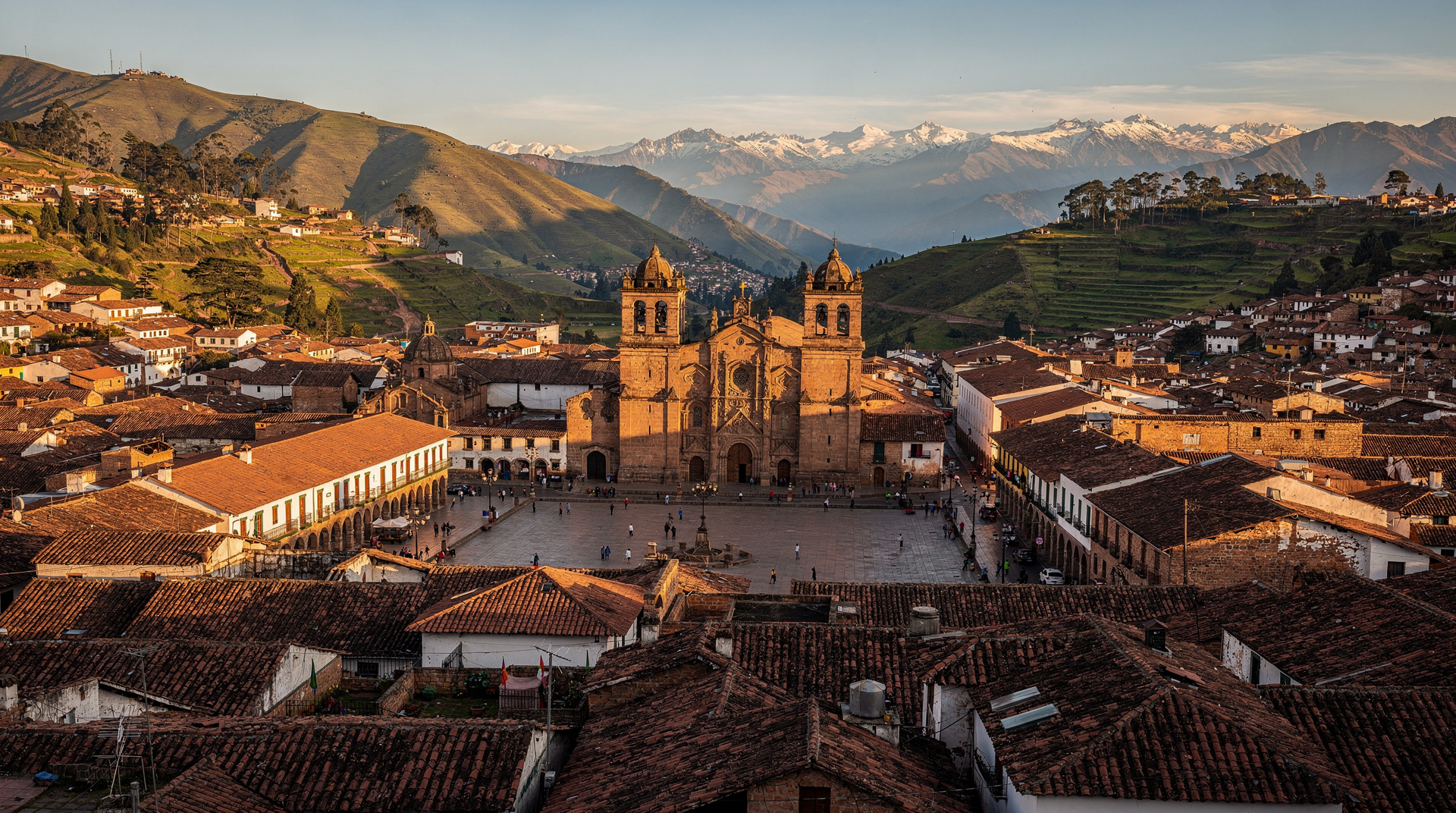
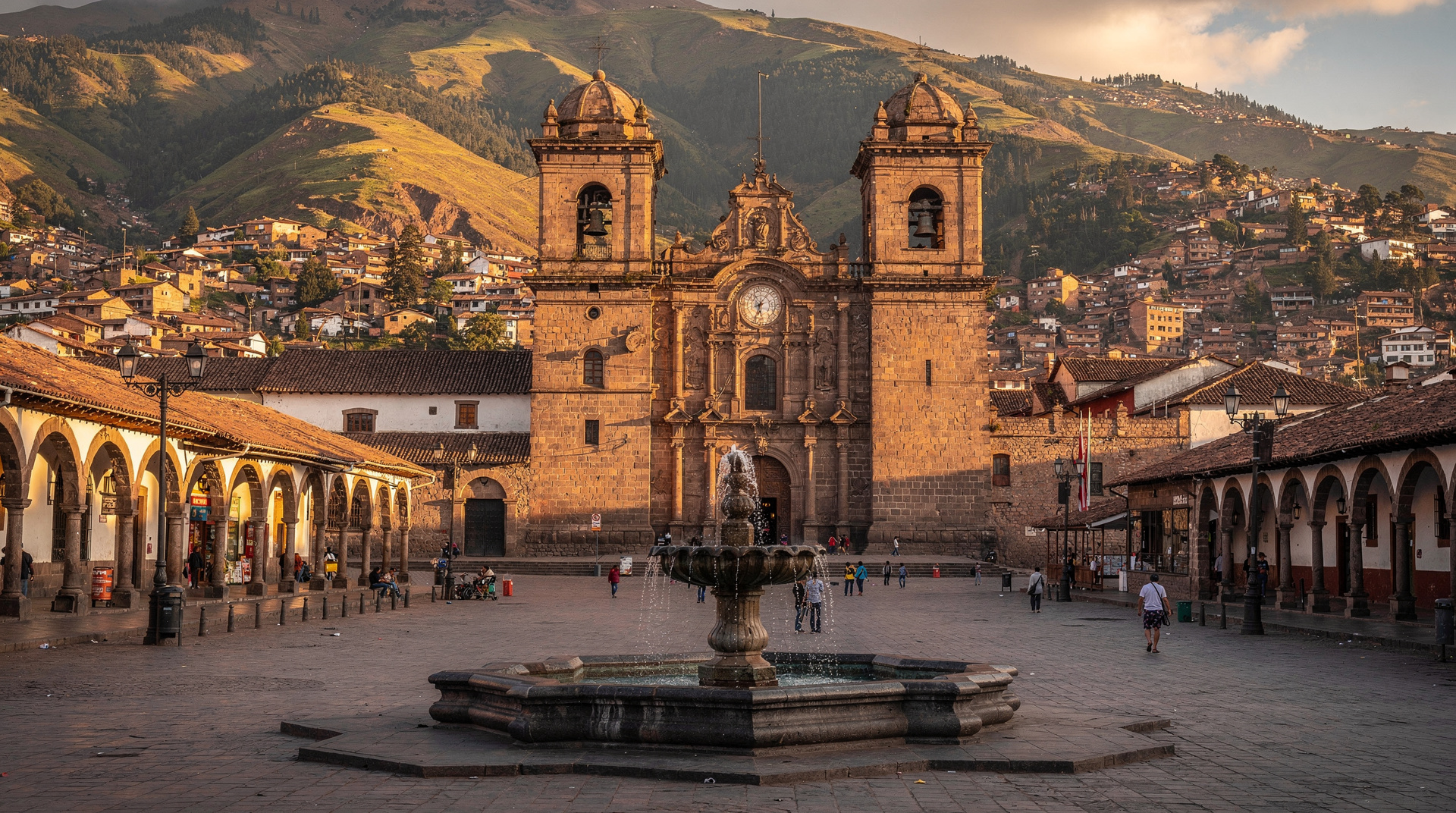
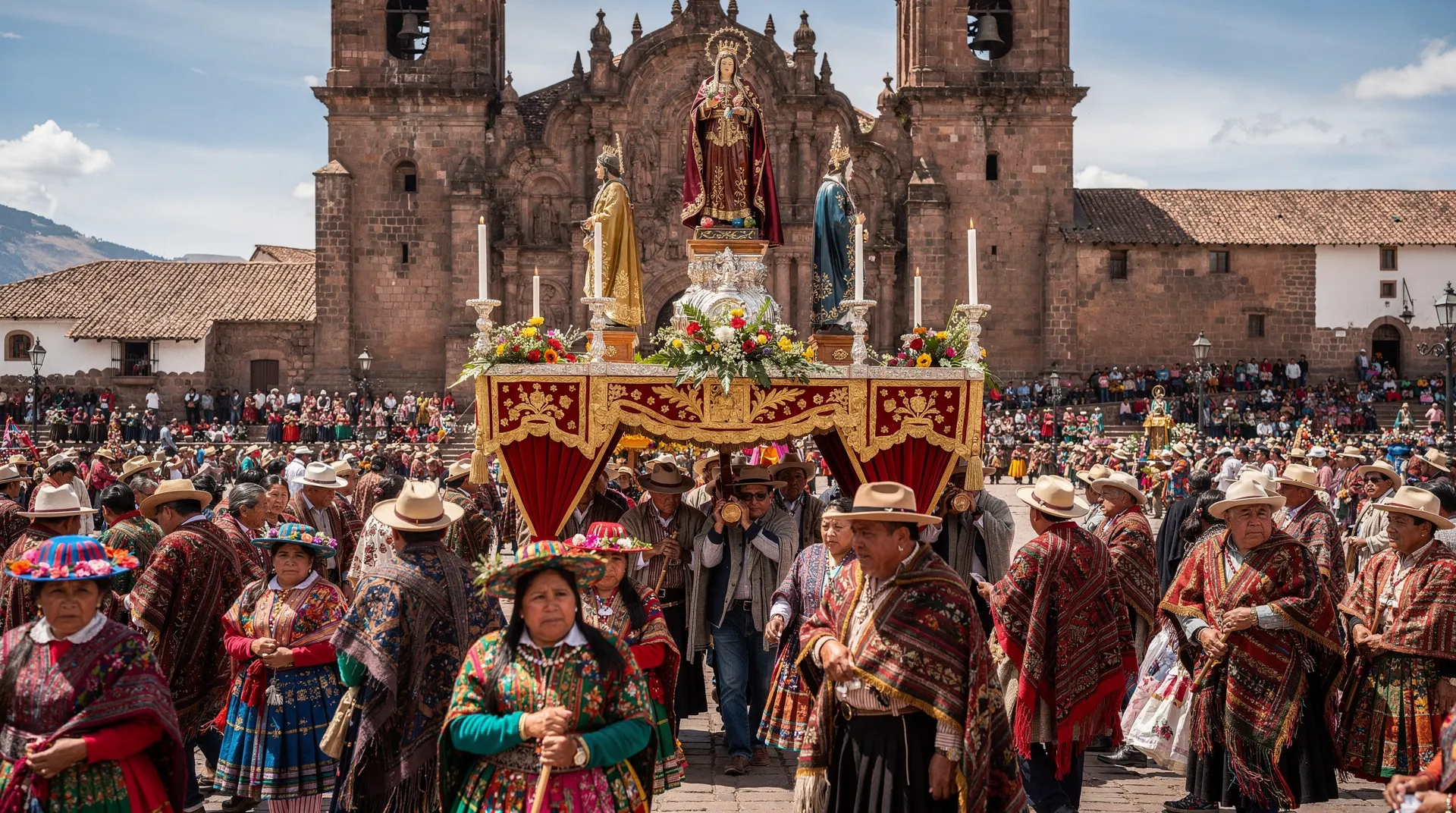
Corpus Christi is a Catholic feast celebrated in Cusco with a procession of fifteen saints and virgins from the city's churches to the Cathedral, where they are housed for a week. The ceremony has deep Inca-period roots: the pattern of bringing sacred images to the Cathedral mirrors the Inca tradition of bringing the mummified bodies of past Sapa Incas to Cusco's plaza for the solstice ceremonies. It is the most culturally layered festival in Cusco's calendar.
A ceremony shaped by two civilisations
Corpus Christi in Cusco is the festival that most honestly exposes the layered nature of the city’s cultural history. On the surface it is a Catholic ceremony — the Feast of the Body of Christ, celebrated 60 days after Easter in the Roman Catholic calendar. In Cusco, however, the ceremony’s structure and meaning carry the imprint of the Inca civilisation that the Spanish colonisers displaced but could not entirely erase.
Understanding why this is so requires a brief account of what the Spanish colonisers destroyed and what the Andean communities preserved in response to that destruction.
| Where | Plaza de Armas and Cathedral, historic centre Cusco |
| When | 4 June 2026 (60 days after Easter) |
| Cost | Free to view; Cathedral entry via standard admission |
| Time needed | Half a day for the procession, a return visit for the octave |
| Getting there | Walkable from anywhere in central Cusco |
| Crowds | Busier than normal, notably calmer than Inti Raymi |
The Inca antecedents
The original Inca ceremonies in Cusco involved bringing the preserved bodies of the deceased Sapa Incas — the malquis, or royal mummies — from their palaces around the city to the main plaza (the Huacaypata, now the Plaza de Armas) for the principal festivals of the year. The mummies were treated as living presences: they were dressed in fine textiles, seated on litters, served food and chicha, and placed in a circle around the plaza in an arrangement that mirrored the Inca cosmological order. The living Inca emperor took his place among his ancestors, and the ceremony was a gathering of the Inca dynasty across time.
The Spanish authorities recognised the religious and political significance of the mummies and confiscated and destroyed them — or attempted to. Between 1559 and the 1580s, the Viceroy Francisco de Toledo and various ecclesiastical authorities mounted systematic campaigns against Andean religious objects and practices, including the malquis. Many mummies were located and destroyed; others were hidden by Andean communities in locations that were not revealed to colonial investigators. The ceremonial cycle that had structured Inca society was formally prohibited.
Andean communities were then required to participate in the Catholic liturgical calendar. What happened — not uniformly or immediately, but over the decades following the conquest — was a process of adaptation in which the deep ceremonial logic of Andean culture was preserved within the forms of Catholic practice. The patron saint of each parish church became, functionally, the sacred presence that represented that community’s identity. The procession of the saints to the Cathedral followed the pattern of the mummies to the plaza. The structure survived even as the objects changed.
The Corpus Christi ceremony: what happens
The Corpus Christi festival in Cusco involves fifteen parishes, each of which has a patron saint or virgin. In the weeks before the Corpus Christi Thursday, each parish prepares its saint’s image — the anda, or ornate processional platform carrying the figure — with new textiles, flowers, silver ornaments and other offerings from the community.
On the day itself, each parish processes its saint from its own church through the streets of the historic centre to the Cathedral on the Plaza de Armas. The processions arrive at the Cathedral at different times through the morning and early afternoon; the last arrival is typically in the afternoon. Each saint is carried by community members (cargueros) who have fulfilled a ritual obligation to carry the image — a responsibility that is passed down through families and taken seriously as a social and spiritual commitment.
Inside the Cathedral, the fifteen saints are arranged in a specific configuration around the main altar. This arrangement is not randomly determined — the positions reflect a hierarchical and geographic logic that corresponds to the parishes’ relationships to the Cathedral and to each other. The saints remain in the Cathedral for the eight days following Corpus Christi, during which the Cathedral is continuously visited by devotees who come to venerate their parish’s image and to see the gathering of the fifteen.
The Corpus Christi octave (the eight-day period) ends with the return of each saint to its home parish, another procession in the reverse direction.
The chiriuchu tradition
One of the most distinctive features of Corpus Christi in Cusco is the food. Vendors around the Plaza de Armas and the Cathedral sell chiriuchu — literally “cold spicy thing” in Quechua — a cold mixed plate that is specific to this festival and essentially unavailable at other times of year.
A full chiriuchu plate includes: roasted or cold cuy, dried charqui (alpaca or llama jerky), cecina (cured pork), tortilla (fried corn cake), rocoto (whole pickled hot pepper), canchita (toasted corn), fresh cheese, seaweed brought from the coast, and river fish (qapchi). The combination is deliberately varied — products from the highlands, the sea and the tropical forest in a single plate — which reflects an Andean cosmological idea of completeness: the full geographic extent of the world represented in a single meal.
Chiriuchu costs S/15–30 depending on the vendor and the generosity of the portions. Eating it at the festival, from a vendor near the Cathedral where the saints are gathered, is one of those specifically local experiences that has no equivalent at any other time or place.
What to see and when
The procession on Corpus Christi Thursday: The streets between the parish churches and the Cathedral are the viewing locations. The routes from San Blas, San Cristóbal, Santa Ana and Almudena parishes offer some of the most interesting viewing — the processional route from San Blas down the steep cobblestone streets carries the saint’s image through narrow alleys barely wide enough for the anda, which requires coordinated tilting and manoeuvring by the cargueros. This is physically impressive and gives a sense of the weight of the community commitment involved.
The Cathedral during the octave: After the arrival of all fifteen saints on the Thursday, the Cathedral interior is arranged with the saints facing the altar in their designated positions. Visiting during the octave week — between Corpus Christi Thursday and the following Thursday — gives access to this arrangement, which is visible only once a year. Normal Cathedral admission applies; the experience of seeing fifteen ornate parish images gathered in the Baroque interior is visually extraordinary.
The return processions: The return of each saint to its parish, on the octave Thursday or the following Sunday depending on the tradition of each parish, is generally smaller and less formally organised than the inward procession. These returns have a more relaxed quality — the community celebrating the end of the saints’ stay at the Cathedral — and are worth watching if you are in Cusco at the time.
Corpus Christi in context: a reading of the ceremony
For a visitor paying attention, Corpus Christi in Cusco offers something that few festivals anywhere provide: direct visual access to the mechanism of cultural survival under colonial pressure. The ceremony does not pretend that the saints are Inca mummies. It does not present itself as a syncretic hybrid or a deliberate cultural statement. It is a Catholic festival, observed with Catholic piety by Catholic communities. And simultaneously, the structure of the ceremony — the gathering of community-specific sacred presences at the central plaza in an arranged configuration — carries the unmistakable logic of the Inca ancestral procession, preserved in the ceremony’s bones even as its surface changed completely.
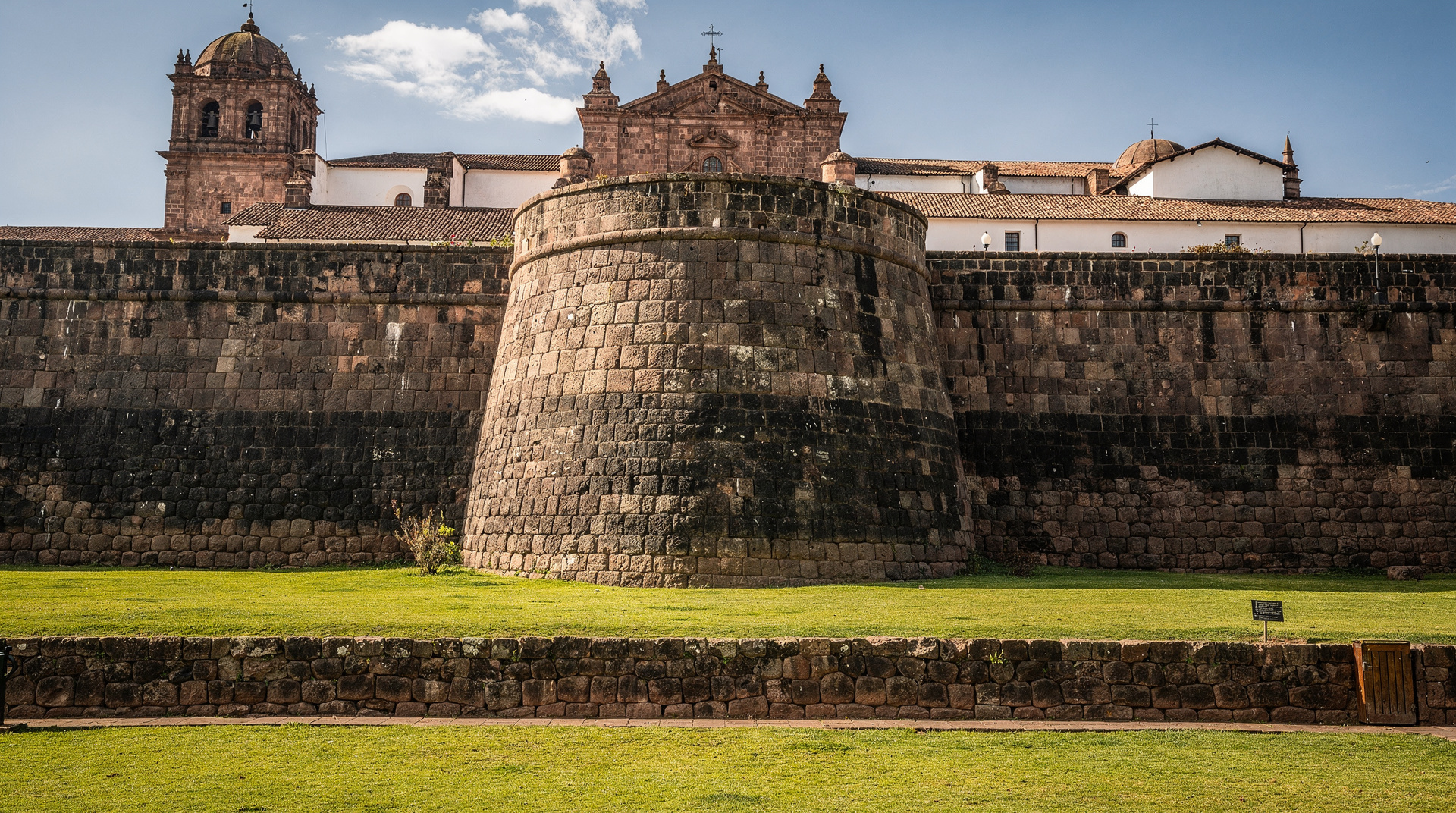
The historic centre of Cusco and specifically Qorikancha provide the clearest architectural equivalent of this cultural layering: Inca stonework below, Spanish colonial construction above, the join visible and impossible to miss. Corpus Christi is the same phenomenon in time rather than in stone.
The Quechua culture guide and the Inca history primer for travellers provide the historical context that makes this reading of the ceremony clear. Reading them before attending the festival makes the experience significantly more meaningful.
Chiriuchu and the food of the festival
Food is inseparable from Corpus Christi in Cusco. The dish specific to this festival is chiriuchu — a cold mixed plate whose composition reflects the Andean ideal of geographic and cosmic completeness. The components come from different ecological zones: guinea pig and alpaca from the highlands, dried fish from the river or coast, seaweed from the Pacific, rocoto pepper from the highland valleys, corn from the temperate zone, cheese from the dairy herds. A single plate is an edible map of the Andean world.
Chiriuchu is eaten cold, which is itself a cultural statement — in Andean ceremonial contexts, cold food is sometimes associated with offerings to the dead and the ancestral, making the dish part of the broader ceremonial logic of the festival even in its temperature. It is sold by vendors around the Cathedral plaza throughout the Corpus Christi week at S/15–30.
Beyond chiriuchu, the Corpus Christi period in Cusco sees street food concentrated around the Plaza and Cathedral: anticuchos from charcoal grills, fresh juices, corn preparations and the sweets and confections associated with religious festivals generally. The combination of a major street market, an extraordinary religious ceremony and a specific festival food that is only available once a year makes Corpus Christi week one of the most fully realised sensory experiences in Cusco’s calendar.
Corpus Christi and the other June festivals
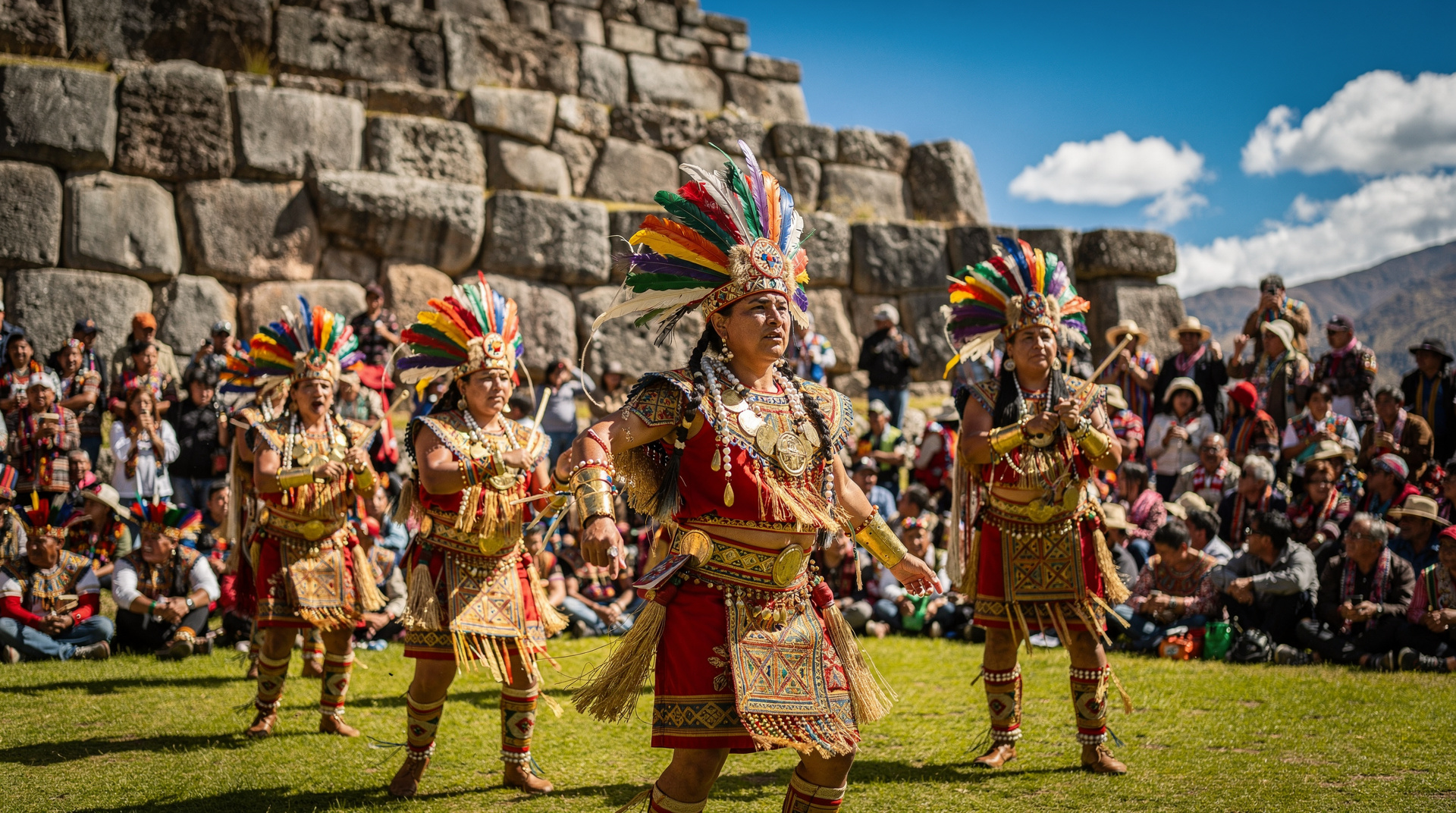
Corpus Christi in 2026 falls on 4 June, placing it three weeks before Inti Raymi on 24 June. For visitors who can time their arrival for early June, attending both festivals in the same trip is logistically feasible — Corpus Christi in the first week, the Festival of Cusco events through the month, and Inti Raymi at Sacsayhuamán at the solstice. The two festivals illuminate each other: Corpus Christi reveals the Catholic surface and the Andean structure underneath; Inti Raymi is the explicitly Andean ceremony that the colonial prohibition tried and failed to permanently erase. Seen together, they make a complete picture of Cusco’s cultural history in living form.
The Q’oyllur Rit’i guide covers the third major festival of the June period, which falls in the weeks immediately before Corpus Christi. Q’oyllur Rit’i, Corpus Christi and Inti Raymi form an interconnected ceremonial arc through May–June that represents the richest available engagement with Andean cultural practice anywhere on the continent. All three require forward planning; the effort is proportionate to the reward.
Practical logistics
Corpus Christi 2026 falls on 4 June (60 days after Easter Sunday, 5 April 2026). Plan for the Thursday itself and ideally one or two subsequent days to visit the Cathedral during the octave.
Accommodation in Cusco during Corpus Christi week is busier than normal, and prices rise moderately (10–30% above standard rates). Book at least two to three weeks in advance. The festival is considerably less crowded and less logistically complex than Inti Raymi, making it a genuinely accessible alternative for visitors interested in Andean culture who are deterred by the June 24 crowds.
A Cusco city tour with coverage of the Cathedral and historic centre in the days before or after the festival provides the spatial and historical context that makes the ceremony legible — knowing the Cathedral’s layout, the locations of the parish churches, and the basic geography of the historic centre before you watch the processions turn a visually interesting event into an intelligible one.
The role of the cargueros and community obligation
The cargueros — the community members who physically carry each saint’s anda from parish church to Cathedral and back — occupy a position worth understanding in more depth. Being selected to carry a saint is not a casual volunteer role; it is a ritual obligation (cargo) that rotates through families within a parish, often planned years in advance, and carries both social prestige and financial responsibility, since the carguero family typically funds a share of the saint’s new textiles, flowers and ornamentation for that year’s festival.
The physical carrying itself is demanding — the andas are heavy, ornately decorated platforms, and manoeuvring one through the narrow, steep streets of neighbourhoods like San Blas requires coordinated teamwork among a dozen or more bearers moving in step. Refusing an assigned cargo obligation without a serious reason carries real social consequences within the parish community, which is part of why the tradition has persisted with such consistency across generations despite the practical burden involved.
Where to stand and how to move through the day
Because the fifteen processions arrive at the Cathedral at different times across the morning and early afternoon, there is no single “best” spot to plant yourself for the whole day. Arriving at the Plaza de Armas by mid-morning and finding a position near the Cathedral steps gives you the arrivals as they converge, but the more physically striking viewing is earlier, along the steep streets of San Blas, where the cargueros manoeuvre the ornate anda through alleys barely wider than the platform itself.
A realistic plan: watch one or two processions descend from San Blas in the late morning, then move to the Plaza de Armas for the accumulating arrivals and the atmosphere as the fifteen saints assemble before the Cathedral.
If you have never walked those streets, it helps to see them once on an ordinary day. A guided walk through the city centre and the San Blas neighbourhood shows you the steep, narrow lanes the cargueros will use, so on the festival day you already know where the alleys pinch and where a good vantage point sits.
Dress and etiquette for the procession
Corpus Christi is, at its core, a devotional occasion for the parish communities involved, and visitors should treat the procession and the Cathedral visit with the same quiet respect expected at any active religious ceremony. Modest dress is appropriate inside the Cathedral. Photography of the processions themselves is generally welcomed from the street, but flash photography directed at the cargueros as they navigate the narrow, steep sections should be avoided, since a startled bearer on an uneven cobblestone incline carrying a heavy platform is a genuine safety concern, not just an etiquette one.
How Corpus Christi fits a first-time Cusco itinerary
For visitors whose Cusco trip happens to fall in early June, Corpus Christi is a genuine bonus rather than a reason to restructure a trip around it the way Inti Raymi sometimes demands. It requires no advance ticket, works alongside a normal sightseeing schedule in the historic centre, and its busier-than-normal accommodation market (10–30% above standard rates) is a minor consideration rather than a planning obstacle. Book two to three weeks ahead rather than the months required for Inti Raymi, and treat the festival as an enhancement layered onto whatever else your itinerary already includes.
Pairing the festival with the rest of your Cusco days
Corpus Christi is concentrated in the historic centre, which leaves the rest of your time free for the region’s other draws. Many visitors fold it into a wider stay: a few days in the city first, then the Sacred Valley and Machu Picchu. Because the festival involves a lot of walking at altitude, it helps to follow the Cusco acclimatization plan before you spend a long day on foot, and to read the altitude sickness guide if you are arriving straight from the coast.
If the procession whets your appetite for Inca stonework, the Sacsayhuamán guide and the overview of Cusco’s archaeological sites are natural next steps, and the Qorikancha guide shows the colonial-over-Inca layering up close. For a longer plan around the festival dates, the Cusco trip planning guide and the best time to visit Cusco page help you decide how many days to allow. If you would like a first-hand account of a related June celebration, the Inti Raymi festival diary reads well alongside this guide.
Eating your way through the week is part of the experience too: the San Pedro market food guide and the Cuy and Andean food guide explain the ingredients that appear in chiriuchu, which makes the plate easier to understand when a vendor hands it to you. If you want to go further into the ingredients, a market visit followed by a hands-on Peruvian cooking class is a good way to learn how the highland staples on a chiriuchu plate are sourced and prepared. Travellers who like to wander beyond the main square can also add the San Pedro market to a morning before the processions begin.