Ausangate lakes day trip from Cusco
From Cusco: Ausangate Lakes and Glaciers ATV Tour
How do you do an Ausangate lakes day trip from Cusco?
Most day trips to the Ausangate lakes use ATVs (quad bikes) from a base at around 4,300 m to reach turquoise glacial lakes at 4,800–5,000 m near the Ausangate massif. Drive time from Cusco is 3–3.5 hours. Tours cost S/180–280 ($49–76 USD) including transport and ATV hire. Proper acclimatisation is essential.
The Ausangate massif: Cusco’s sacred peak
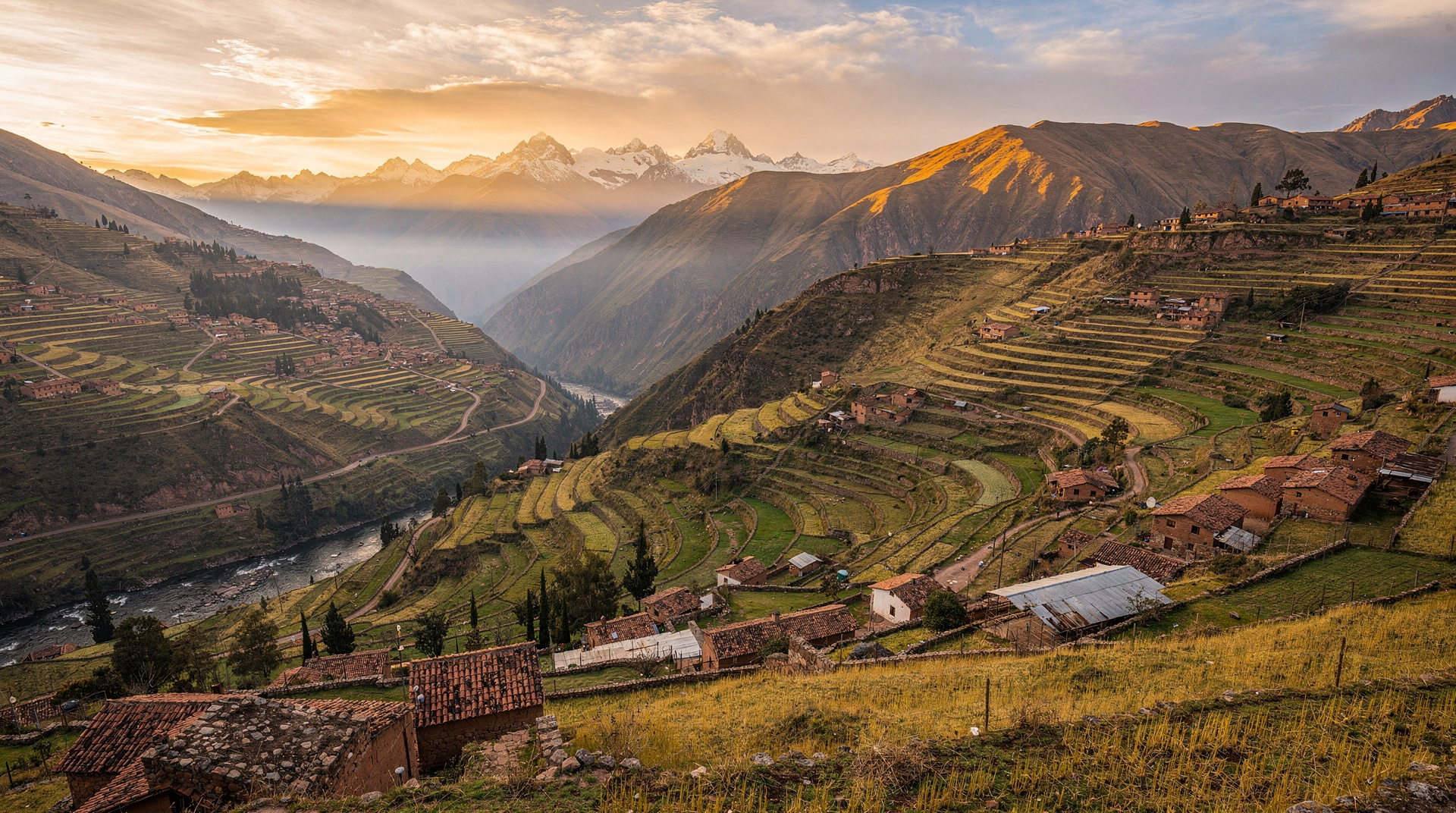
Ausangate rises to 6,384 m on the horizon southeast of Cusco, the highest and most sacred mountain in the region. For Andean communities, it is not merely a mountain — it is an apu, a living deity that governs the weather, the health of livestock, and the fortunes of those who live in its shadow. The Q’oyllur Rit’i festival each June draws tens of thousands of pilgrims to its base in one of the most extraordinary and least-publicised religious gatherings on the continent.
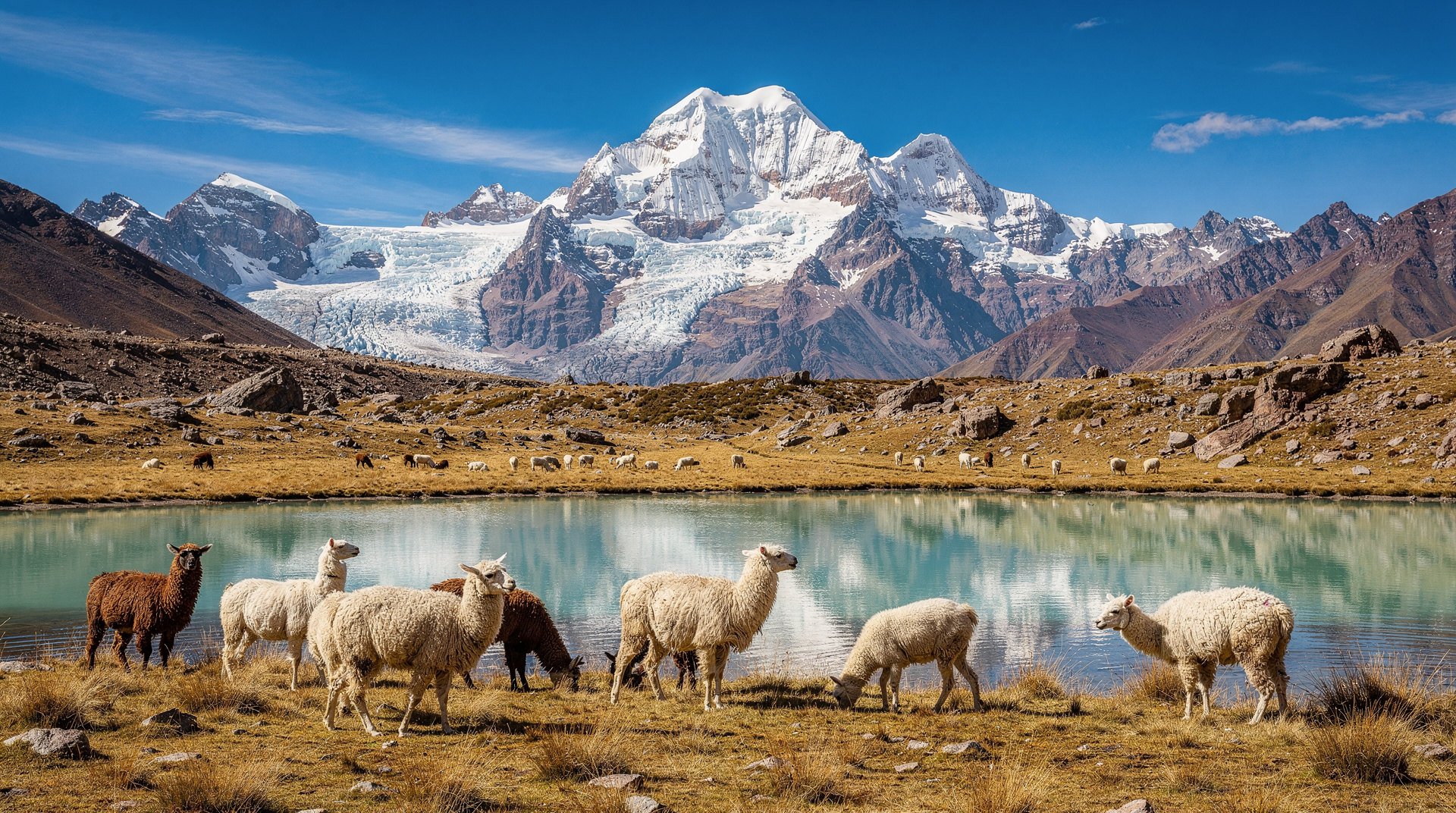
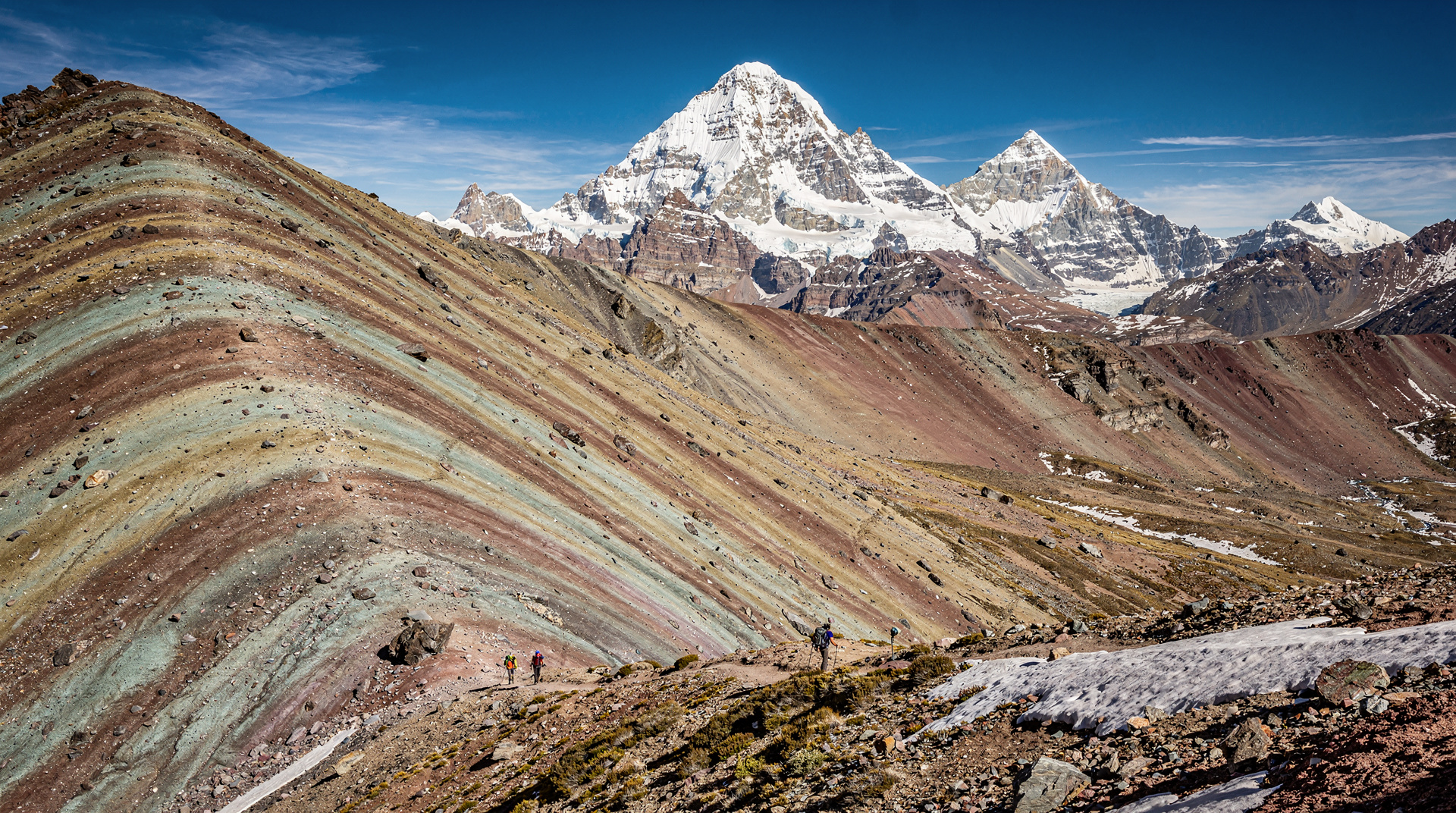
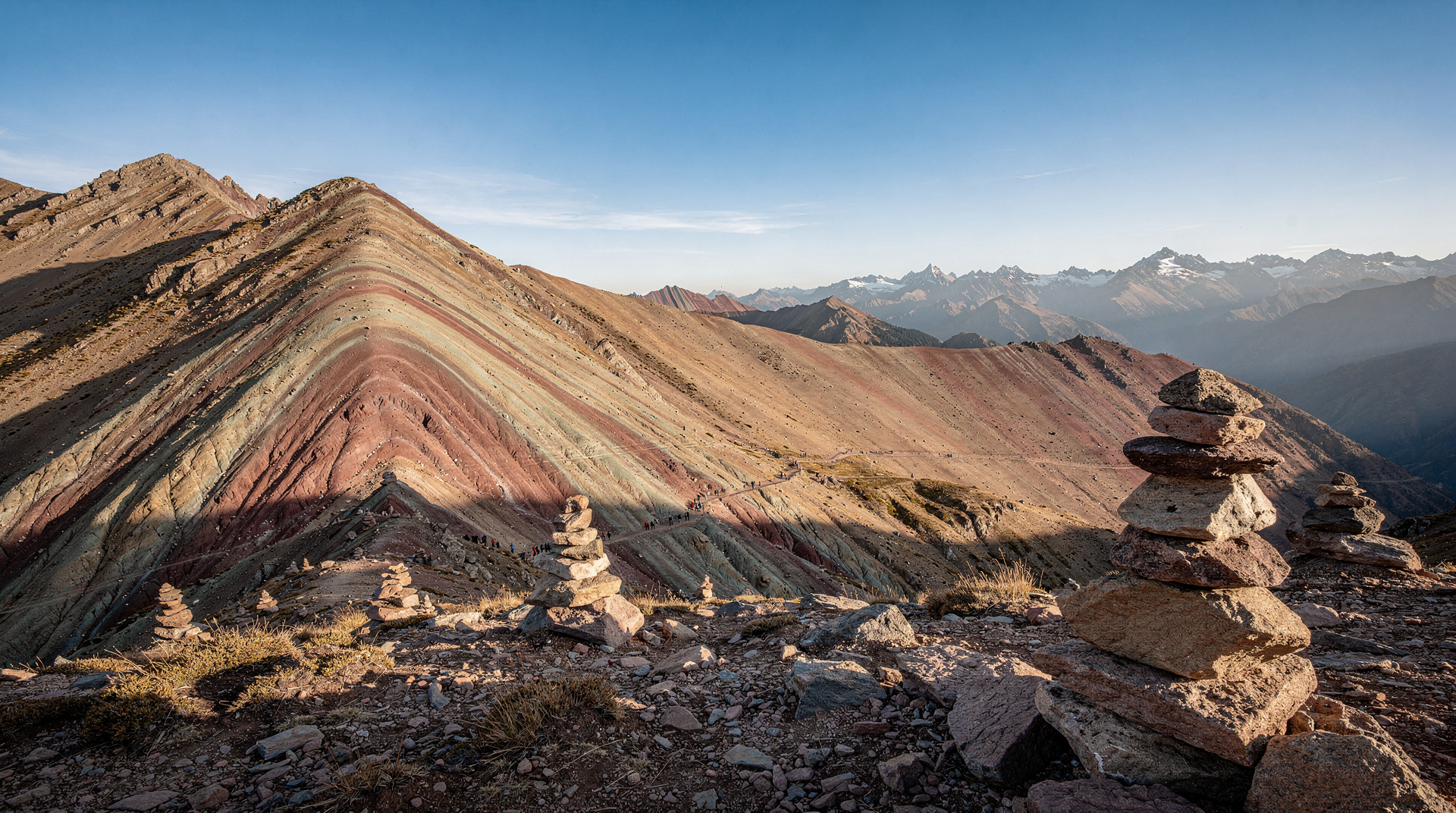
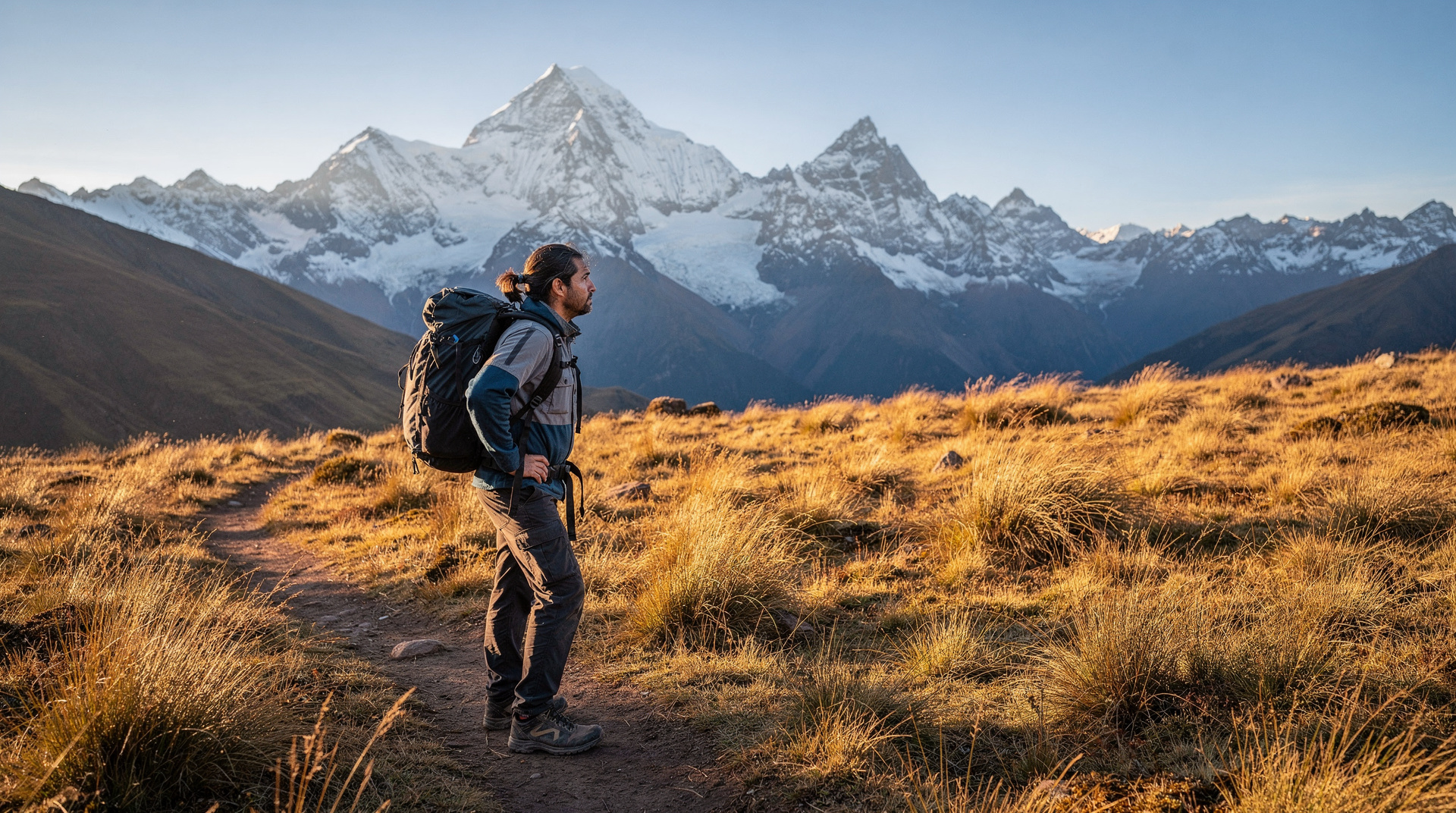
For visitors, the Ausangate area offers something genuinely different from the better-known day trips from Cusco. The glacial lakes clustered at the base of the massif are extraordinarily colourful — turquoise shading to deep green depending on mineral content and the angle of the light — and the surrounding landscape of raw rock, permanent snow and open puna grassland feels like genuine wilderness rather than a managed tourist site.
A day trip to the lakes is accessible even to non-trekkers, thanks to the availability of ATV (quad bike) tours that cover the rough terrain quickly. Walking alternatives exist for those who prefer their feet.
| Where | Ausangate massif, ~90km southeast of Cusco |
| Cost | Around S/180–280 per person (ATV, full day) |
| Time needed | Full day, 3–3.5hrs drive each way |
| Altitude | 4,300–5,000m — 3+ nights acclimatised first |
| Best time | May–September (dry season) |
What the day trip involves
The Ausangate lakes day trip covers 2–4 glacial lakes in the lower sector of the massif, typically the most vividly coloured ones. Common stops include Laguna Pucacocha (red-tinged), Laguna Uruscocha (brilliant turquoise), and one or two additional lakes depending on route and weather.
An Ausangate ATV lakes day tour from Cusco includes hotel collection (typically 4:00–5:00 am), the 3–3.5 hour drive to the Ausangate base area, ATV use for the lakes circuit (usually 2–3 hours of riding), lunch near the base, and return transport to Cusco. Cost: S/180–280 ($49–76 USD) per person.
The ATV circuit covers roughly 20–30 km across open terrain at 4,300–5,000 m altitude, reaching viewpoints and lake shores that would require 4–6 hours of walking. Riding experience is helpful but not required — the terrain is open and guides accompany all groups.
Reaching Ausangate from Cusco
The base area for Ausangate day trips is the plateau near Pacchanta, approximately 90 km southeast of Cusco along the main Cusco–Puno highway before turning south. Drive time is 3–3.5 hours, similar to Palccoyo.
The road conditions are mostly sealed highway until the final unpaved section. In dry season (May–September) the access roads are reliable. In the heart of the rainy season (January–March), some sections can become difficult or impassable; check with your operator before departing.
Altitude: the most important consideration
The ATV base is at 4,300–4,500 m and the lakes reach 5,000 m. This is serious altitude. The ATV reduces physical exertion but does not reduce the physiological stress of altitude itself. At 5,000 m, your blood oxygen saturation is roughly 15–20% lower than at sea level, regardless of how you got there.
Minimum preparation: three nights in Cusco or the Sacred Valley before attempting this trip. Two nights is marginal; one night is inadvisable. If you have previously experienced significant altitude sickness above 4,000 m, consult the altitude sickness guide and consider whether this trip is appropriate.
The practical upside of the ATV format: if you feel unwell, you can turn back quickly without a long walk to safety. This is a genuine advantage over walking routes at the same elevation.
What to see at the lakes
Laguna Pucacocha: A smaller lake near the base area with red-mineral-tinted water — unusual and photogenic. The name means “red lake” in Quechua.
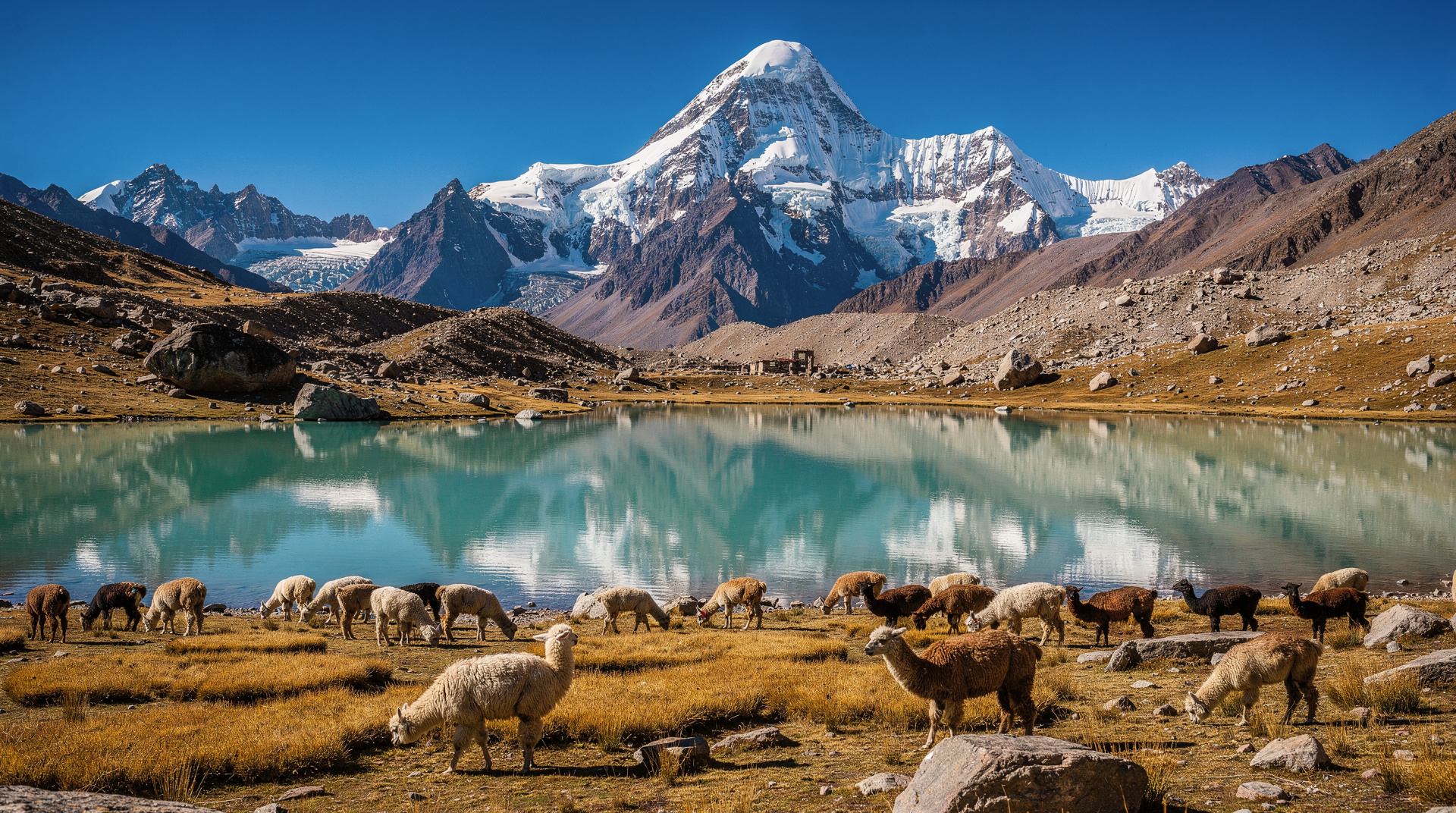
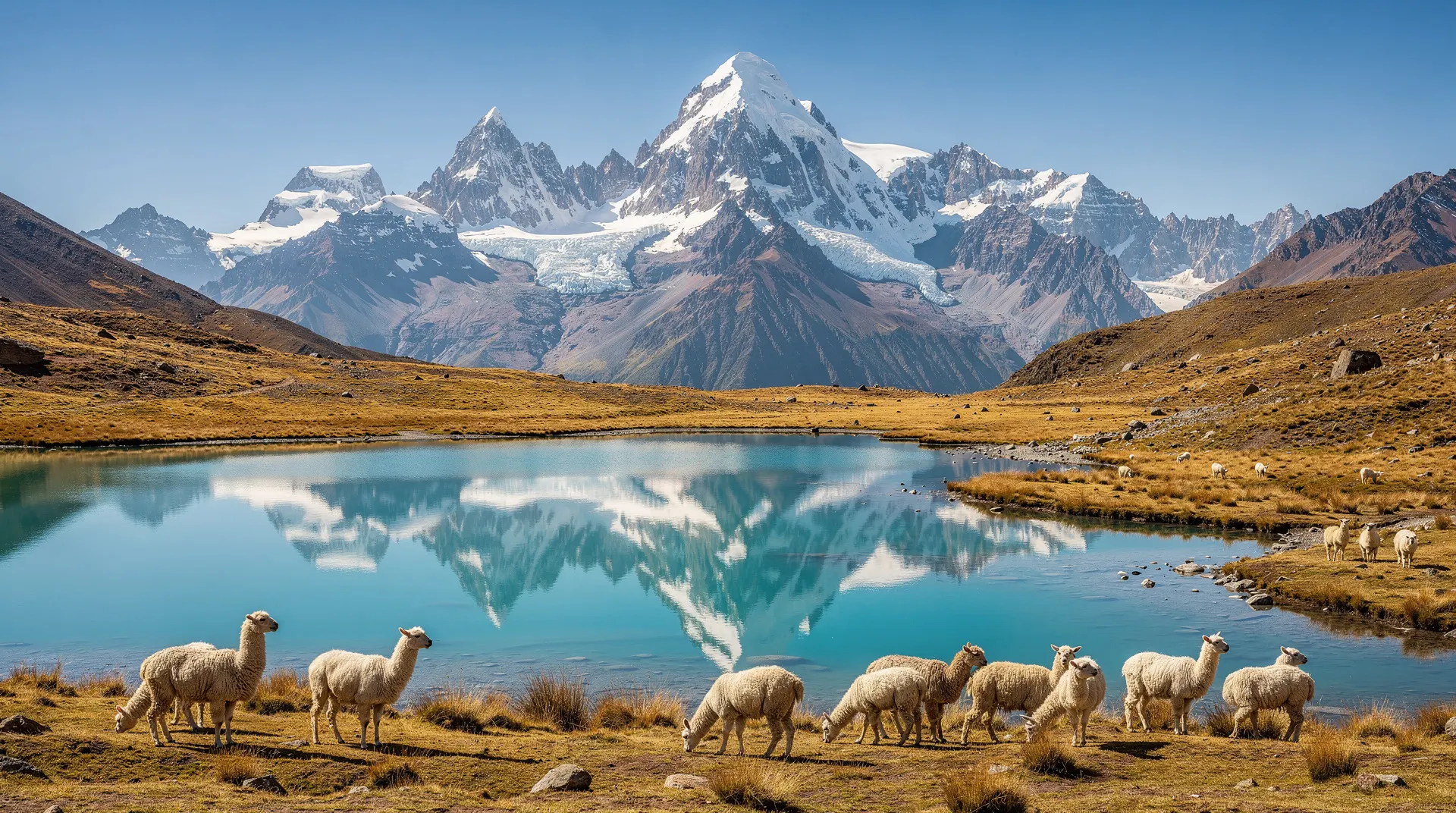
Laguna Uruscocha: The main turquoise lake, typically the centrepiece of the circuit. On clear days it reflects the glaciated upper slopes of Ausangate directly. The colour comes from glacial flour — fine mineral particles suspended in meltwater.
Views of the Ausangate glacier: From the upper lake viewpoints, the glaciated north face of Ausangate fills the horizon. The glacier has retreated significantly in the past 30 years — what is visible today is substantially smaller than what the Q’oyllur Rit’i pilgrims saw in the 1980s.
Vicuña and alpaca herds: The puna grassland around the lakes supports wild vicuña (the wild ancestors of alpaca, with the finest natural fibre in the world) alongside domesticated alpaca herds. These animals are unfazed by ATVs and you will likely pass within metres of herds on the circuit.
Walking alternative
If you prefer to walk rather than ride, a walking tour to the accessible Ausangate lakes covers roughly 8–10 km return from the base area. This takes 4–5 hours on foot, compared to 2–3 hours by ATV. The walking route allows closer attention to the flora, bird life and the gradually unfolding landscape; the ATV route covers more ground but at higher speed.
Book specifically the walking version if you prefer it — most operators offer both. Note that walking at 4,500–5,000 m is demanding regardless of fitness; the acclimatisation plan for prior days is even more important for the walking version.
Ausangate vs Rainbow Mountain: who should choose which
Choose Ausangate if: you are looking for a genuine wilderness atmosphere with fewer visitors, the specific appeal of glacial lakes and a 6,000 m peak rather than mineral-coloured ridges, and you are comfortable with ATV riding or serious walking at high altitude.
Choose Rainbow Mountain (Vinicunca) if: you want the specific iconic striped mountain, prefer walking to ATVs, and want the established brand-name destination. A guided Vinicunca day trip from Cusco is the usual way to do it.
Choose Palccoyo if: you want coloured ridges with less altitude stress, a gentler walk, and quieter conditions.
The comparison guide to Vinicunca, Palccoyo and Ausangate lays out the differences in full.
Costs at a glance
| Item | Cost (S/) | Approx. USD |
|---|---|---|
| ATV guided day tour (full) | S/180–280 | $49–76 |
| Walking guided tour (full) | S/130–180 | $35–49 |
| Private vehicle for the day | S/300–400 | $80–108 |
| Trailhead community fee | S/10–15 | $3–4 |
| Tips for guide | S/25–35 | $7–10 |
What to wear and bring
High Andes day packing applies fully here — and then some, because riding an ATV at 4,800 m creates significant wind chill:
- Helmet (provided by tour operator for ATV riding, but check it fits properly)
- Warm gloves rated for below freezing
- Windproof, waterproof jacket
- Warm base layer and mid-layer
- Sun protection SPF 50+ and UV sunglasses
- Three litres of water minimum
- High-energy snacks
- Walking boots for the time on foot at the lake shores
Wildlife around the Ausangate lakes
The high puna around Ausangate supports the same wildlife as the broader Cusco highlands, but at densities that make it feel more concentrated. Vicuña — the wild relative of the alpaca with the world’s finest natural fibre — are common in the open grasslands between the lakes, often in herds of 10–30 individuals. They are fast and will flee at close approach, but are accustomed to vehicle traffic on the main route.
Andean condors (Vultur gryphus) are regularly sighted soaring on thermals generated by the mountain faces. The mountain walls at 5,000–6,000 m create powerful updrafts; condors hunt the surrounding puna for vicuña and alpaca carcasses. Seeing a condor in flight at this altitude — close enough to see the white neck ruff clearly — adds a wildlife dimension that Rainbow Mountain rarely delivers.
Viscachas (high-altitude relatives of chinchillas) inhabit the boulder fields near the lakes, sitting in the sun on cold mornings. Mountain lions (pumas) are present in the region but extremely rarely seen during daylight by tour groups. The puna grassland itself is alive with small birds: Andean siskins, Andean flickers, bar-winged cinclodes, and various ground-tyrants among the commonest.
Q’oyllur Rit’i: the annual mountain pilgrimage
Understanding Ausangate’s sacred significance is worthwhile even if you visit outside festival season. The Q’oyllur Rit’i (Quechua for “snow star”) festival takes place each May or June at the glacier base of Ausangate, timed to the full moon before Corpus Christi. Tens of thousands of pilgrims from across the Cusco, Puno and Apurímac regions trek to a sanctuary at 4,700 m and spend two nights and three days in religious ceremony, dance and offering.
The ukukus — costumed figures representing half-bear, half-human beings from Andean mythology — are the distinctive participants. They dress in white, wear masks, and carry whips; their role is to police the behaviour of pilgrims and to perform rituals on the glacier. Historically ukukus retrieved ice blocks from the glacier and carried them back to their communities as sacred water; this practice has declined as the glacier has retreated.
The festival is accessible to respectful visitors in a limited capacity. It is not a performance organised for tourists; it is a functioning pilgrimage that happens to be extraordinary to witness. If your visit coincides with Q’oyllur Rit’i, a guide who has contacts in the communities can arrange a respectful visit to the lower part of the festival. The Qoyllur Rit’i guide has more detail.
After the day trip: recovery and next steps
An Ausangate ATV day is physically significant: early start, long drive, high altitude, vibration of ATV riding, wind exposure. By the time you return to Cusco at 6–7 pm you will be ready for a large meal and early sleep. Dinner near the Plaza de Armas or in San Blas covers the basics; the restaurants around Plazoleta Regocijo are consistently good value.
The day after an Ausangate trip, your legs will feel the ATV vibration and any walking done at the lakes. Build a lighter day into your itinerary: Cusco city exploration (flat parts), a market visit, or a cooking class. Do not schedule Machu Picchu on the following day if you can avoid it — the 4 am start after fatigue from altitude exertion leads to a less rewarding experience.
Planning the days around the trip
Because this excursion asks so much of your body, it works best when it sits inside a sensible sequence. Travellers who start in the Sacred Valley usually adapt more comfortably than those who go straight from the airport, and a relaxed full-day tour of the Sacred Valley is a gentle way to spend the days before the lakes. Also, the Cusco altitude versus Sacred Valley comparison explains why. The coca tea and altitude remedies guide covers the traditional habits that many visitors adopt, and the Rainbow Mountain altitude tips apply almost word for word here.
If you are choosing between coloured-ridge excursions, the Rainbow Mountain complete guide and the Palccoyo rainbow mountain guide show what the alternatives look like. For a ready-made sequence that pairs a high-altitude day with rest days, see the Cusco Rainbow Mountain 3-day itinerary. Readers who like first-hand accounts will enjoy the Palccoyo diary and the altitude sickness story, both of which show how these days feel in practice.
Operators vary in quality, so it is worth reading about unlicensed tour agencies in Cusco before you pay anyone. Pack with the what to pack for Cusco list in mind, since cold, sun and wind can all arrive within the same hour at this elevation.
The full Ausangate trek
If the day trip leaves you wanting more, the classic multi-day Ausangate trek circumnavigates the massif over 5–7 days, crossing high passes at 5,000 m+, passing through remote communities, and seeing the full scale of the mountain from every angle. It is one of the most rewarding treks in Peru and remains considerably less commercialised than the Inca Trail or Salkantay.
The best day trips overview positions the Ausangate lakes in the context of all major Cusco excursions and helps you decide how to allocate your available days.