Cusco in the dry season — what to expect May to September
From Cusco: Vinicunca Rainbow Mountain Day Trip
What is Cusco like in the dry season?
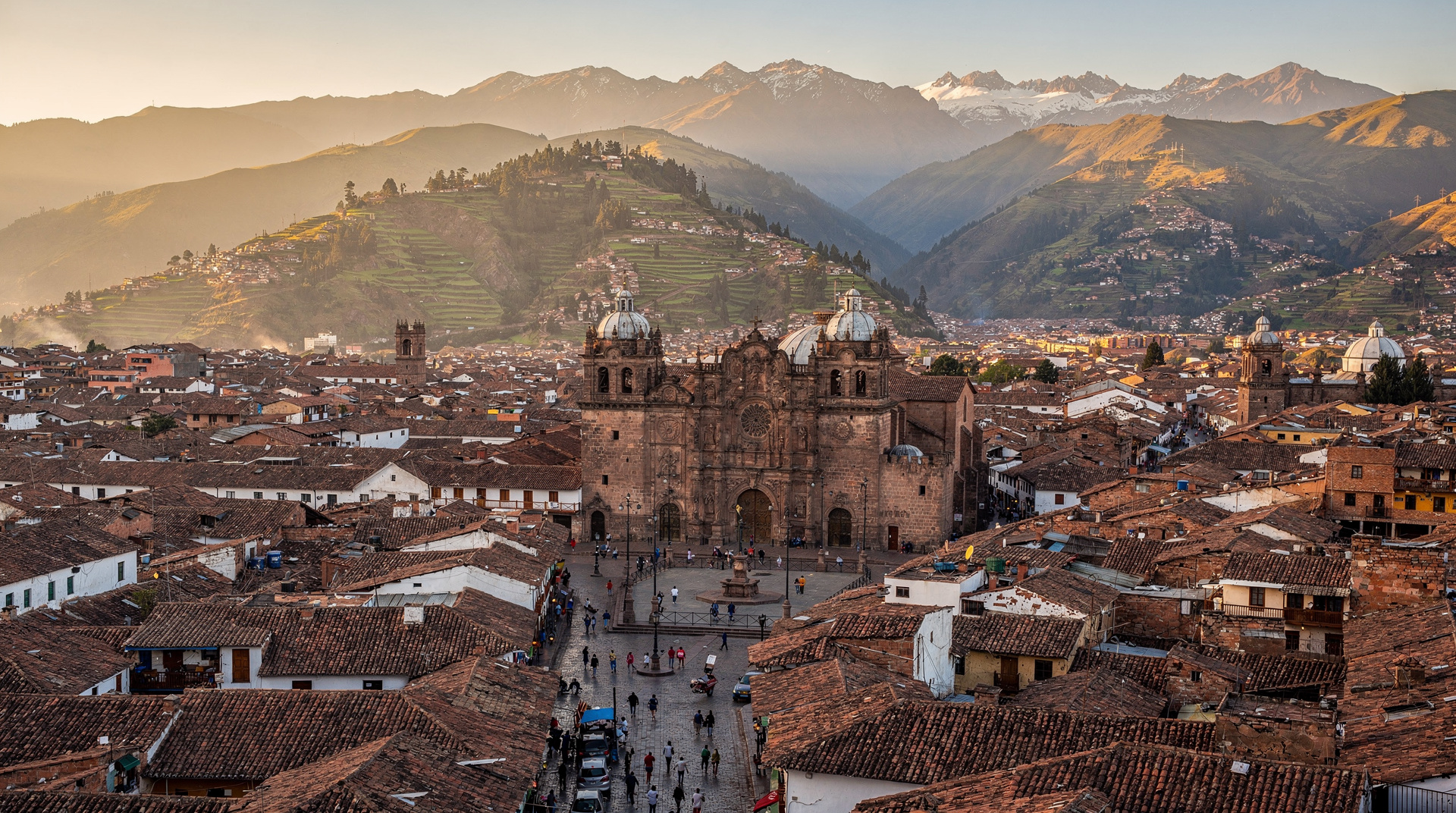
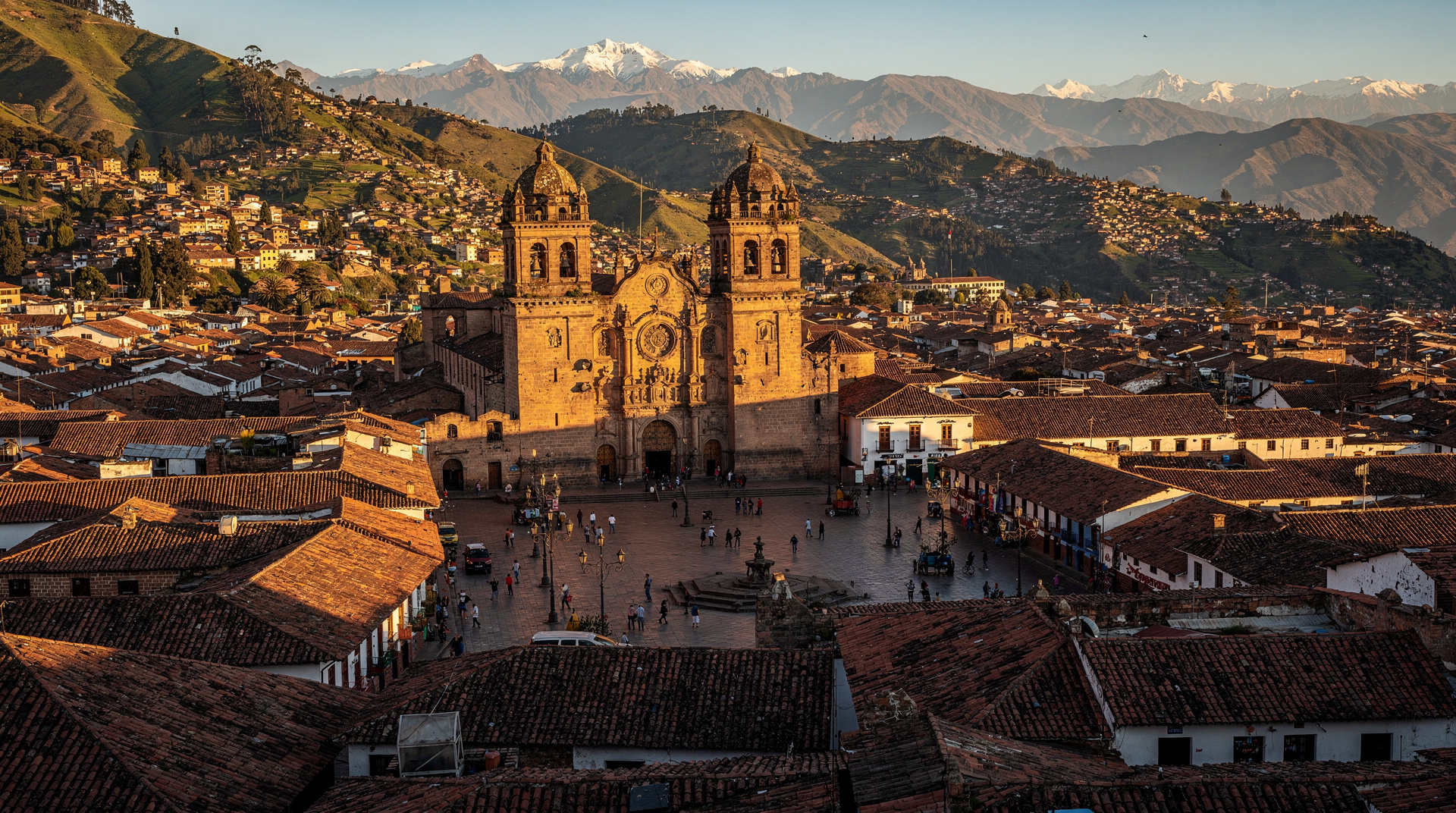
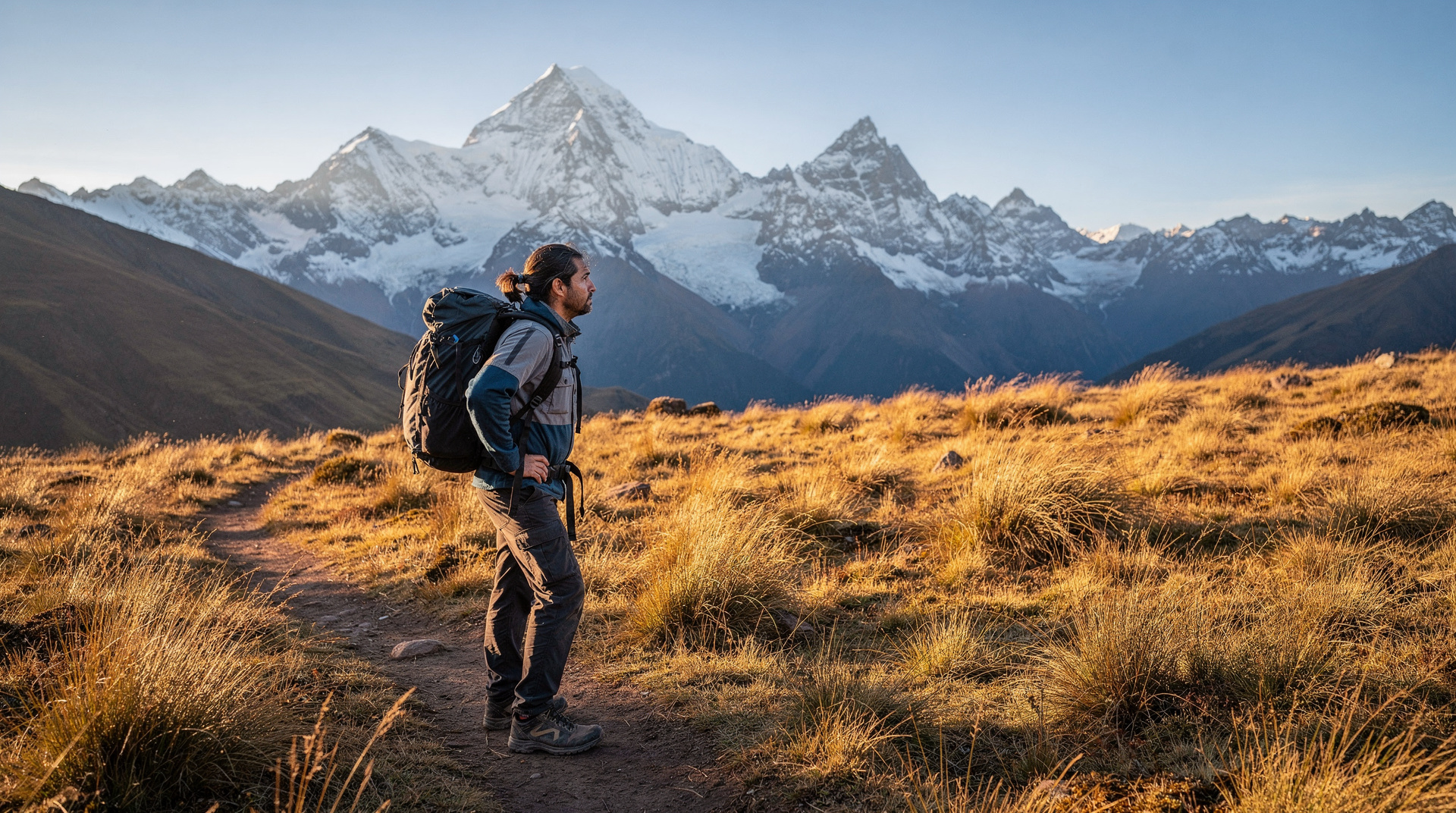
Clear blue skies, cold mornings (2–8°C), warm days (15–20°C), and excellent conditions for trekking. May through September is when the Andes looks its most dramatic — snow-capped peaks visible, trails firm and dusty, Rainbow Mountain's colours clear. The trade-off is crowds: June through August is peak season, with July the busiest month. Machu Picchu operates at maximum capacity and Inca Trail permits sell out months ahead. May and September offer nearly identical weather with meaningfully fewer visitors.
Five months of clarity
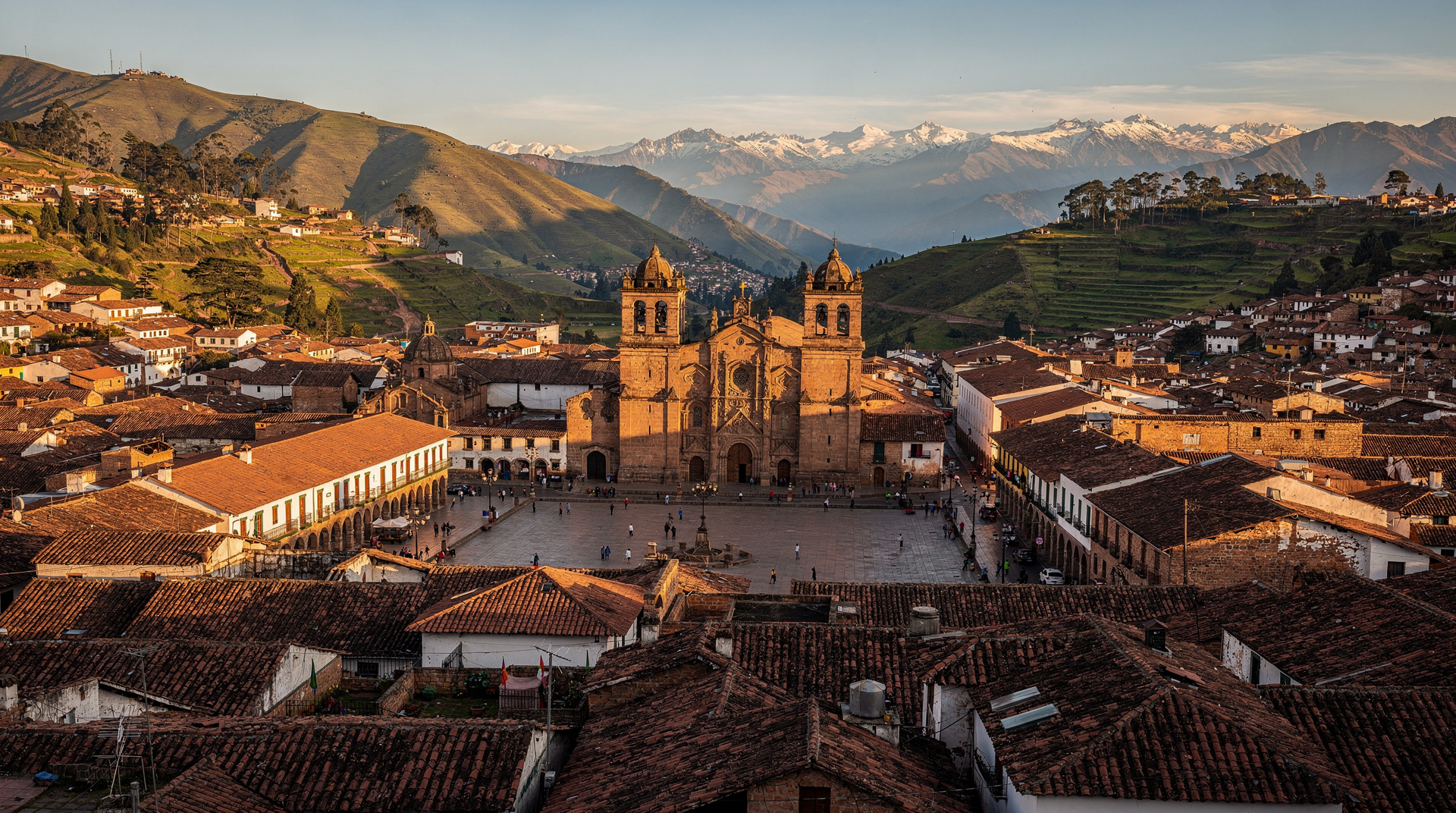
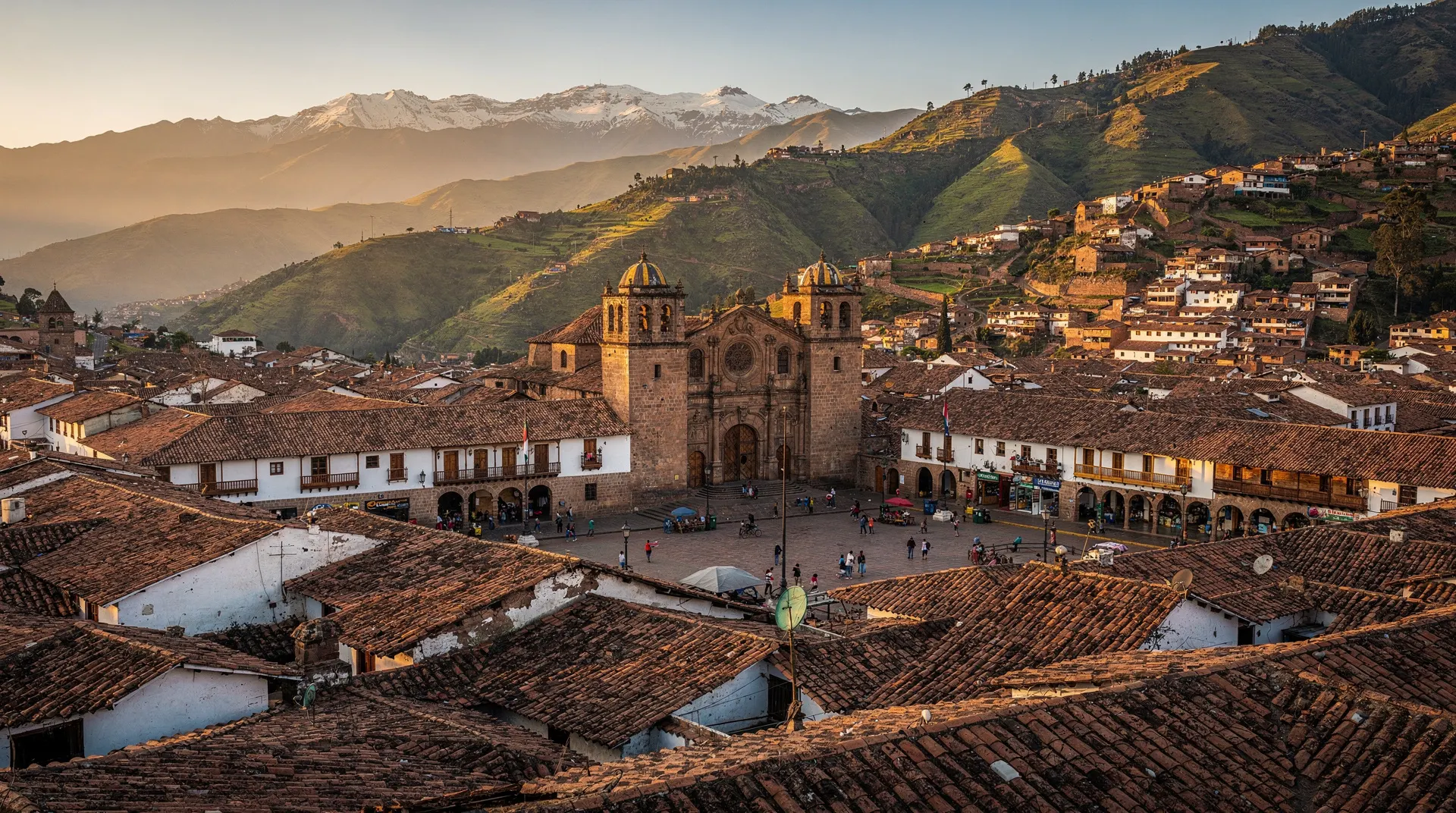
The Peruvian dry season transforms the southern Andes. Between May and September, the altiplano and Andean valleys around Cusco settle into a reliable pattern: clear mornings, sharp midday light, cold nights, and an atmosphere scrubbed clean by the absence of rain. The mountains become visible in ways they are not for the rest of the year. The sky over the Sacred Valley is a particular shade of high-altitude blue that photographers notice immediately.
This five-month window is when most visitors come to Cusco — and for good reason. Trekking trails are in their best condition, Machu Picchu is accessible without the mist and rain that characterise the wet months, and Rainbow Mountain’s vivid mineral stripes are fully on display. The trade-off is well-known: crowds in July and August, premium pricing, advance booking requirements that stretch weeks or months ahead.
This guide covers the dry season in full — weather, month-by-month character, Inti Raymi, trekking logistics, and the practical question of which dry-season month actually suits your trip best.
| When | May–September, driest June–August |
| Weather | Cold nights (2–8°C), warm days (15–21°C), minimal rain |
| Booking window | 2–4 weeks (May/Sept) to 6–8 weeks (Jun–Aug) |
| Best value months | May and September — same weather, fewer crowds |
| Watch out for | Inti Raymi week (20–27 June) — book 3–6 months ahead |
Weather in the dry season: what the numbers mean
Cusco sits at 3,400 m on the eastern flank of the Andes, in a topographic position that makes it drier than the cloud-forest zones to the east and wetter than the Pacific coastal desert to the west. The dry season is driven by the retreat of the South American monsoon circulation, which shifts the main rainfall band north during these months.
Average daytime temperatures in Cusco’s dry season:
- May: 18–20°C daytime, 5–8°C nights
- June: 17–19°C daytime, 3–6°C nights
- July: 17–19°C daytime, 2–4°C nights (coldest month)
- August: 18–20°C daytime, 4–6°C nights
- September: 19–21°C daytime, 6–9°C nights
Rainfall is minimal June through August (approximately 10–20 mm per month total). May and September see slightly more cloud and occasional light showers but are still classified as dry season by any practical measure.
UV index at 3,400 m is high even on cloudy days. Sun protection — SPF 50 sunscreen, sunglasses, hat — is not optional in the dry season, even when the temperature feels cold enough for a jacket.
May: the overlooked entry point
May is the unheralded best month in the Cusco visitor calendar. The dry season’s stability has arrived, the landscape retains some green from the wet season rains, and visitor numbers are approximately 40–50% lower than July’s peak. The Sacred Valley looks extraordinary — the terraced hillsides are green but the skies are already clear blue. Accommodation is available with reasonable notice (2–4 weeks rather than months). Rainbow Mountain tours operate in perfect conditions.
The Inca Trail in May is in its best post-wet-season condition: trails are firm after the recent rains have settled the dust, vegetation is at peak green, and the cloud-forest sections are lush. Permits for May are still competitive but more available than June–August.
For visitors who can time their trip flexibly, May is the best single month to visit the Cusco region.
June: the festival month
June combines the dry season’s reliable weather with the region’s most significant cultural event. Inti Raymi on 24 June is the ceremonial peak of the Cusco calendar, drawing tens of thousands of visitors to the city for the week surrounding it. The Sacsayhuaman performance on the afternoon of 24 June is a genuine spectacle — the Inca fortress at 3,700 m used as the stage for a theatrical re-enactment of the winter solstice ceremony, with hundreds of performers in elaborate Inca costume, llamas, ritual fire, and the ancient walls as backdrop.
Outside the Inti Raymi week (roughly 20–28 June), early June is uncrowded and excellent. Late June after the festival clears quickly. The whole month has good weather.
For accommodation during Inti Raymi week: book 3–6 months ahead. Many Cusco hotels sell out entirely and prices triple or quadruple their normal rates. If you are planning to attend Inti Raymi, this needs to be in your diary from the start of your planning process, not added later.
July: peak of peak
July is the most visited month in the Cusco region by a significant margin. Machu Picchu operates at its full daily quota; Inca Trail permits for July were sold out by March or April. Hotels charge their highest rates of the year. The Sacred Valley is busy on weekends. And — it should be said clearly — the citadel at Machu Picchu in July is crowded in a way that the photographs in your guidebook do not show.
None of this makes July a bad time to visit. The weather is at its most reliable, the landscape is at its most dramatic, and the general atmosphere of the Cusco region in peak season is vibrant. If July is your only viable time to travel, go — but book everything 6–8 weeks ahead minimum, and set your expectations for Machu Picchu at human scale rather than empty-ruin scale.
What July is not: the hidden gem month, the bargain, or the relaxed option.
August: similar to July
August mirrors July in most respects: peak visitor volumes, advance booking requirements, premium pricing. The final week of August sees the beginning of the crowd taper — school holidays in key markets begin to end. Weather remains excellent through the month.
September: the dry season’s best-kept secret
September offers conditions nearly identical to July in terms of weather (clear skies, good trekking, reliable days) with visitor volumes that are noticeably lower. Machu Picchu timed slots become available with 3–4 weeks notice rather than months. Accommodation prices in Cusco and the Sacred Valley drop by 20–35% from August levels. Inca Trail permits are meaningfully more available.
The landscape in September is dry — the wet season’s green has faded to the golden-bronze of the ichu grass on the puna, and the dust on the trails is at its peak. Some visitors find the September landscape less lush than May; others prefer the dramatic light that falls on the dry Andean terrain in September’s longer afternoons.
September is the most consistently recommended month by experienced Peru travellers for the combination of weather, fewer crowds, and good value.
Trekking in the dry season
The dry season is prime season for every significant trek in the Cusco region:
Inca Trail: The 4-day route from km 82 to Machu Picchu operates at its full permit capacity (around 500 people per day including guides and porters). Permits sell out for June–August by March. The trail in dry season is in firm condition; the cloud-forest descent on day three is extraordinary in clear weather. Full logistics in the Inca Trail complete guide.
Salkantay Trek: 5 days, no permit cap (unlike the Inca Trail), operates year-round. In the dry season the high pass at 4,630 m (Salkantay Pass) is typically clear and the views of the Salkantay glacier are commanding. Advance booking required in July–August as agencies fill up, but there is no permit quota.
Lares Trek: 3–4 days through hot springs and high Andean communities. Excellent in dry season for clarity and trail condition.
Ausangate Circuit: The high-altitude circuit around the Ausangate massif (maximum 5,400+ m) is only viable in dry season — the mountain routes are impassable or extremely dangerous in wet-season snow and ice.
Book the Rainbow Mountain day tour from Cusco for a full day at Vinicunca (5,035 m). Dry season is essential for the mineral colours to be visible — book 2–4 weeks ahead in May and September, 4–6 weeks ahead for June–August.
Photography in the dry season
Dry season light is the reason so many iconic Peru photographs were taken between May and September. The absence of haze means distant snow-capped peaks — Salkantay, Ausangate, Veronica — are visible from viewpoints around Cusco and the Sacred Valley where they’d simply be obscured in the wet months. Early morning (before 9 a.m.) and late afternoon (after 4 p.m.) give the strongest raking light for the terraced hillsides at Pisac and Ollantaytambo.
Midday sun is harsh and flattens colour, particularly at high-altitude sites like Rainbow Mountain where the vividness of the mineral stripes depends heavily on angle and cloud cover — a slightly overcast morning can sometimes bring out the colours better than a completely clear sky by softening the contrast.
Comparing dry season to the shoulder and wet months
It helps to see the dry season in context against the rest of the year rather than in isolation. December through March is the wet season proper — the rainy season guide covers that period in detail, including the Inca Trail’s annual February closure for trail maintenance.
April and October–November sit as transitional shoulder months: rainfall is dropping off or building up, crowds are lighter than the dry season peak, and prices sit between wet and dry season levels. If your schedule allows early April or late October, you get many of the dry season’s benefits — decent visibility, manageable crowds — without the premium pricing of June–August, though with somewhat higher rain risk than May or September specifically.
Rainbow Mountain in the dry season
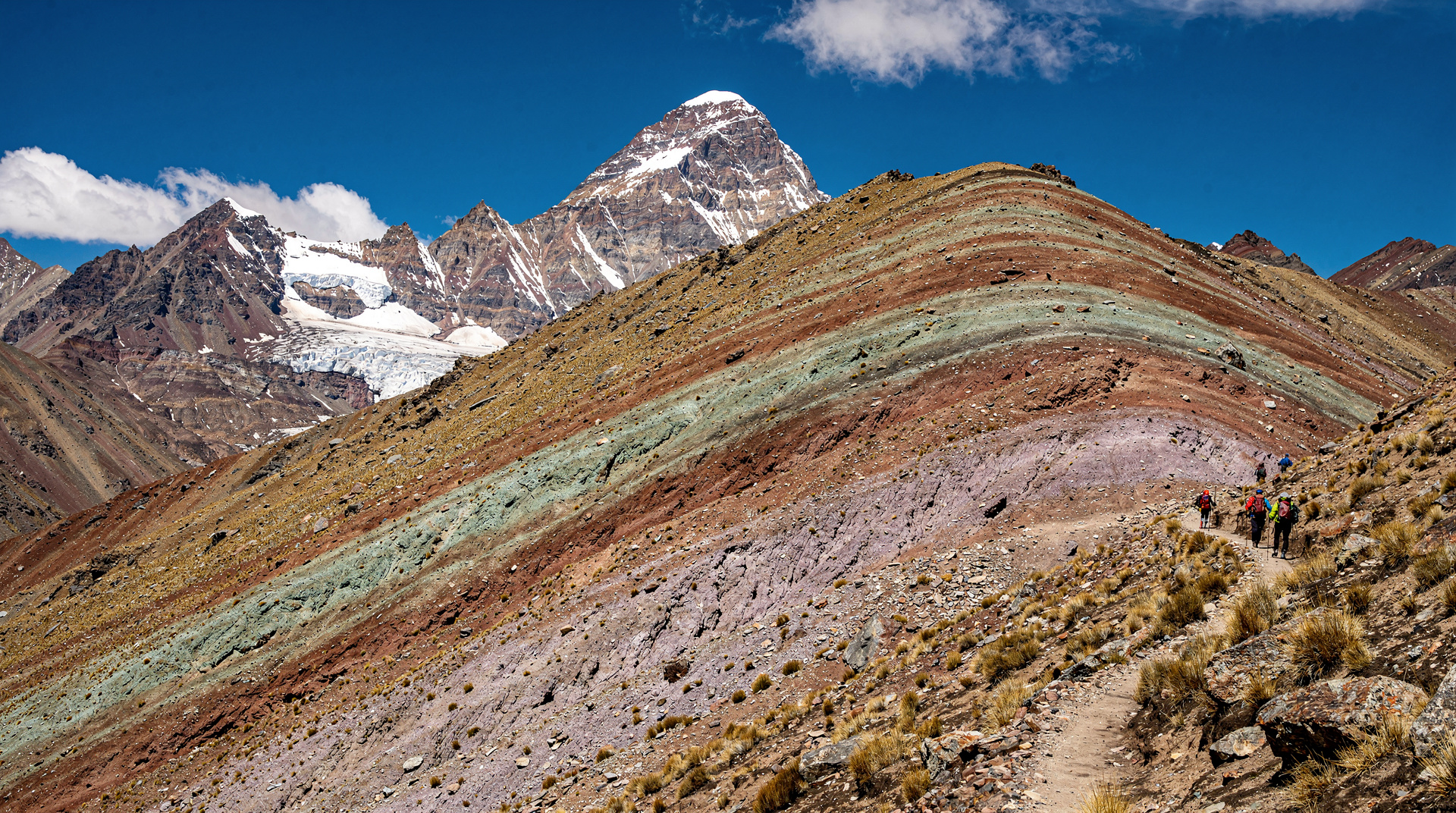
Rainbow Mountain Vinicunca at 5,035 m is the region’s most photogenic recent discovery. The multicoloured mineral stripes — created by the different oxidation rates of iron, copper, sulphur and other minerals exposed by glacial recession — are the attraction. In the dry season, with the slopes free of snow and the sky a deep Andean blue, the colours are vivid and unmistakable. In the wet season, snowfall and cloud frequently obscure them entirely.
The hike involves a 4:00 am departure from Cusco, approximately 3 hours of driving, and a 2.5-hour walk up to the summit. The altitude (5,035 m) is the challenge — arriving at this height without good acclimatisation from Cusco makes the walk genuinely hard. Spend at least 2 full days in Cusco before attempting Rainbow Mountain, ideally 3.
The Rainbow Mountain altitude tips guide covers the preparation in detail.
Machu Picchu in the dry season
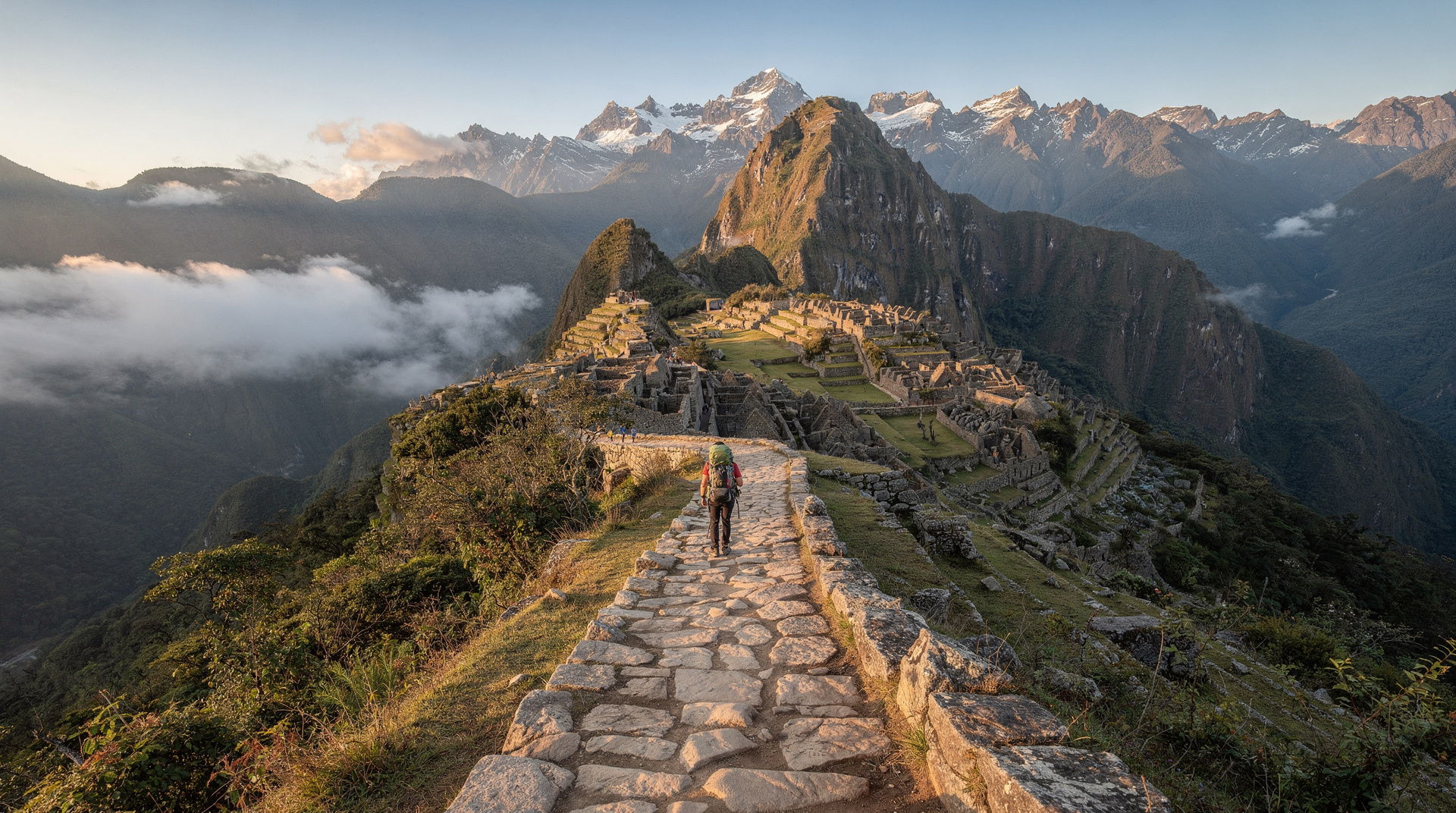
Machu Picchu in dry season means clear skies, visible peaks behind the citadel (including Huayna Picchu and Machu Picchu Mountain in sharp definition), and the classic postcard conditions that most visitors picture. It also means the largest visitor numbers of the year and a booking requirement for timed entry slots that extends 4–8 weeks ahead in peak months.
The entry system operates on fixed time-window slots — no walk-up entry is available. Slots must be pre-booked at tuboleto.cultura.pe. In July and August, book 5–8 weeks ahead. In May and September, 3–4 weeks is typically sufficient.
The train to Aguas Calientes (the town serving Machu Picchu) from Ollantaytambo takes approximately 1.5 hours. Tickets on PeruRail and Inca Rail sell out in July–August; book these at the same time as your citadel entry slot.
Book your Machu Picchu day trip by train from Cusco — a full-day guided experience that bundles transport, train and entry in a coordinated package, removing the complexity of managing four separate bookings.
What to pack for the dry season
Layers: The morning departure for Rainbow Mountain (4:00 am, 12–14°C in the van) and the early train for Machu Picchu (5:00 am, 5°C at Ollantaytambo station) require warm clothing. A thermal base layer, mid-layer fleece, and windproof outer shell covers the range from pre-dawn cold to midday warmth.
Sun protection: SPF 50 minimum. The UV at altitude is intense even when the temperature feels cool. High-altitude sun exposure at 3,400–5,000 m is equivalent to tropical coastal UV.
Waterproof layer: Even in the dry season, afternoon clouds appear occasionally. A lightweight waterproof jacket adds negligible weight and covers the rare shower.
Sturdy footwear: Trails in dry season are dusty and rocky. Approach shoes or light hiking boots with ankle support are recommended for any serious trail walking.
Costs in the dry season
The dry season is the expensive season. Peak pricing (July–August) affects accommodation most significantly. Examples of the premium: a hostel dorm in Cusco that costs S/50 in February costs S/90–110 in July. A mid-range hotel that runs S/320 in April runs S/520–650 in July. Sacred Valley lodges and boutique hotels can double or triple their rates for peak weeks.
Entrance fees and tour prices are fixed and do not vary with season — the Machu Picchu ticket, train fares, and guided tour costs are the same in July as in February. The variable is accommodation and the occasional uplift on popular excursions that sell out.
The practical strategy: stay flexible on which dry-season month you travel. May or September provide the same weather at meaningfully lower prices. If July is fixed, book accommodation at the start of your planning process (3–4 months ahead for good options) rather than at the end.
The travel tips hub covers budget planning, accommodation booking strategy, and the cost benchmarks you need for the Cusco region.
Dry season month-by-month at a glance
| Month | Crowds | Booking lead time | Landscape | Best for |
|---|---|---|---|---|
| May | Low-moderate | 2–4 weeks | Green from recent rains, clear skies | Best all-round value |
| June | Very high (around Inti Raymi) | 3–6 months for Inti Raymi week | Clear, cold nights | Inti Raymi, festival atmosphere |
| July | Peak | 6–8 weeks | Clear, coldest nights | Reliable weather if dates are fixed |
| August | Peak | 6–8 weeks | Clear, dust builds | Same as July, slight crowd taper late month |
| September | Moderate | 3–4 weeks | Dry, golden puna grass | Best value with July-like weather |
Booking strategy if your dates are fixed
Not everyone can chase the shoulder months. If your travel dates fall in July or August because of work or school holidays, the strategy shifts from “which month” to “how far ahead.” Lock in Machu Picchu entry slots and Inca Trail permits first — these are the two components that actually sell out, sometimes months in advance for July–August.
Accommodation, while pricier in peak season, rarely sells out completely the way permits do, so it can wait a few weeks longer in your planning sequence. If Inti Raymi week (20–27 June) overlaps your trip and you don’t specifically want to attend, consider adjusting your Cusco-city days to either side of that window and using the week itself for a Sacred Valley or trekking stretch, where the crowd impact is far smaller than in the city centre.