Machu Picchu day trip from Cusco: tour review
From Cusco: Machu Picchu Day Trip with Train Tickets
What you are actually buying when you book this tour
The Machu Picchu day trip by train from Cusco is the most popular organised tour product in all of South America. Tens of thousands of people do it every year and, done well, it works. The question is not whether it is a good experience — Machu Picchu is extraordinary — but whether the specific product you are booking includes what you need, suits your physical condition at altitude, and represents fair value against organising it yourself.
This review breaks down every component, from the pre-dawn hotel pickup through the on-site experience and the long return journey to Cusco.
| Where | Machu Picchu citadel, 2,430 m, via Ollantaytambo |
| Cost | S/700–950 (~$200–275), incl. train, entry, guide |
| Time needed | 17–19 hours door to door |
| Getting there | Drive to Ollantaytambo, train to Aguas Calientes, bus to citadel |
| Best time | First entry slot, dry season for clearest views |
How the day unfolds
Hotel pickups in Cusco typically begin between 4:30 and 5:30 am. The drive from Cusco to Ollantaytambo takes roughly 1.5 to 2 hours along the Sacred Valley road. Ollantaytambo’s station sits at around 2,800 m, which is noticeably easier to breathe than Cusco’s 3,400 m.
From Ollantaytambo, the train journey to Aguas Calientes (officially Machu Picchu Pueblo) takes approximately 1.5 hours. The scenery changes dramatically: high dry Andean scrubland gives way to cloud forest and eventually the humid subtropical vegetation around the Urubamba River. It is a genuinely beautiful journey and worth being awake for.
In Aguas Calientes you board the bus to the citadel gate — a 20–25 minute ride up hairpin bends through cloud forest. The bus terminal is a two-minute walk from the train station; the bus service runs continuously from around 5:30 am. On busy days in peak season, queues can add 20–30 minutes, which is why the earliest departure from Ollantaytambo matters.
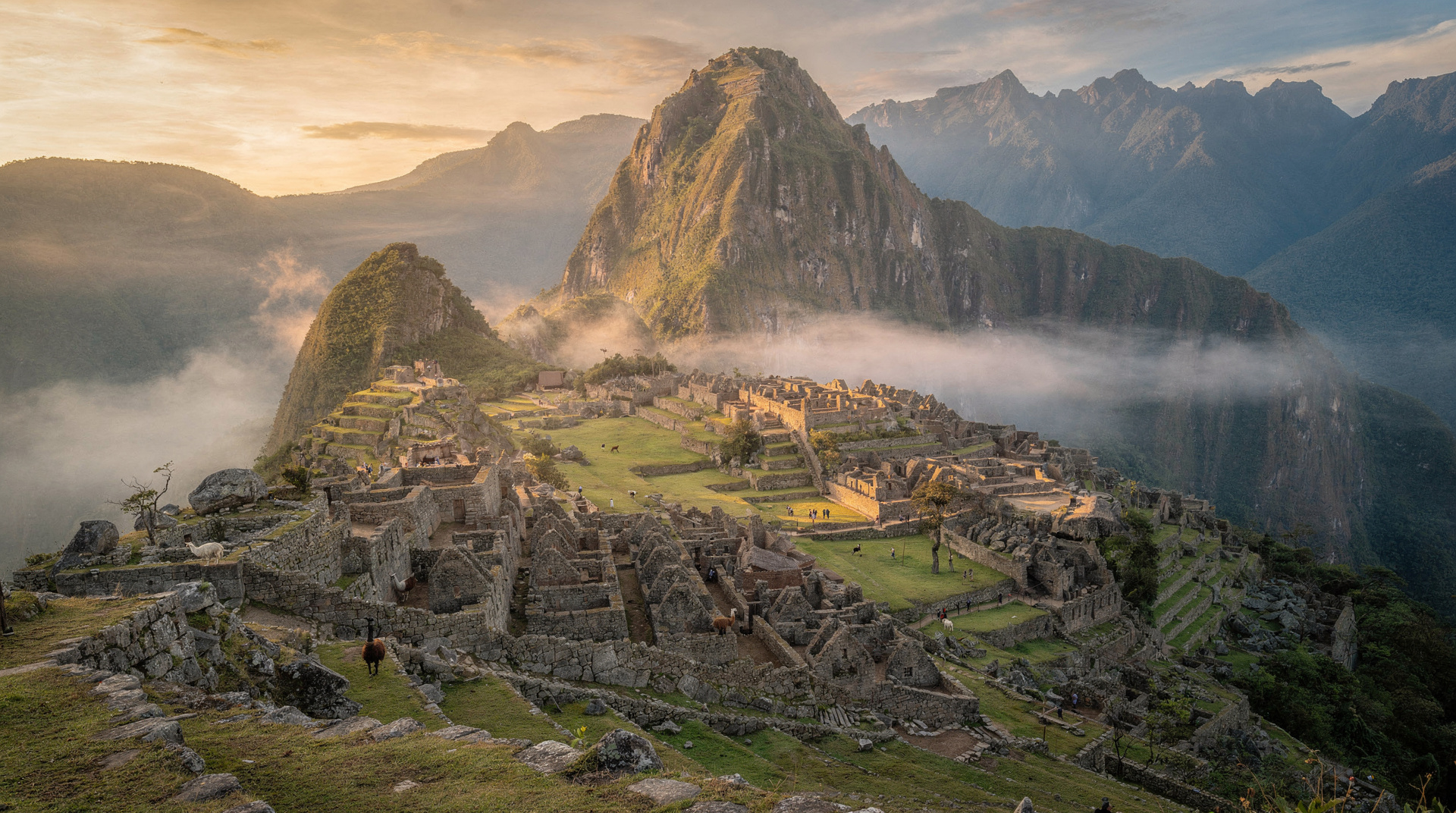
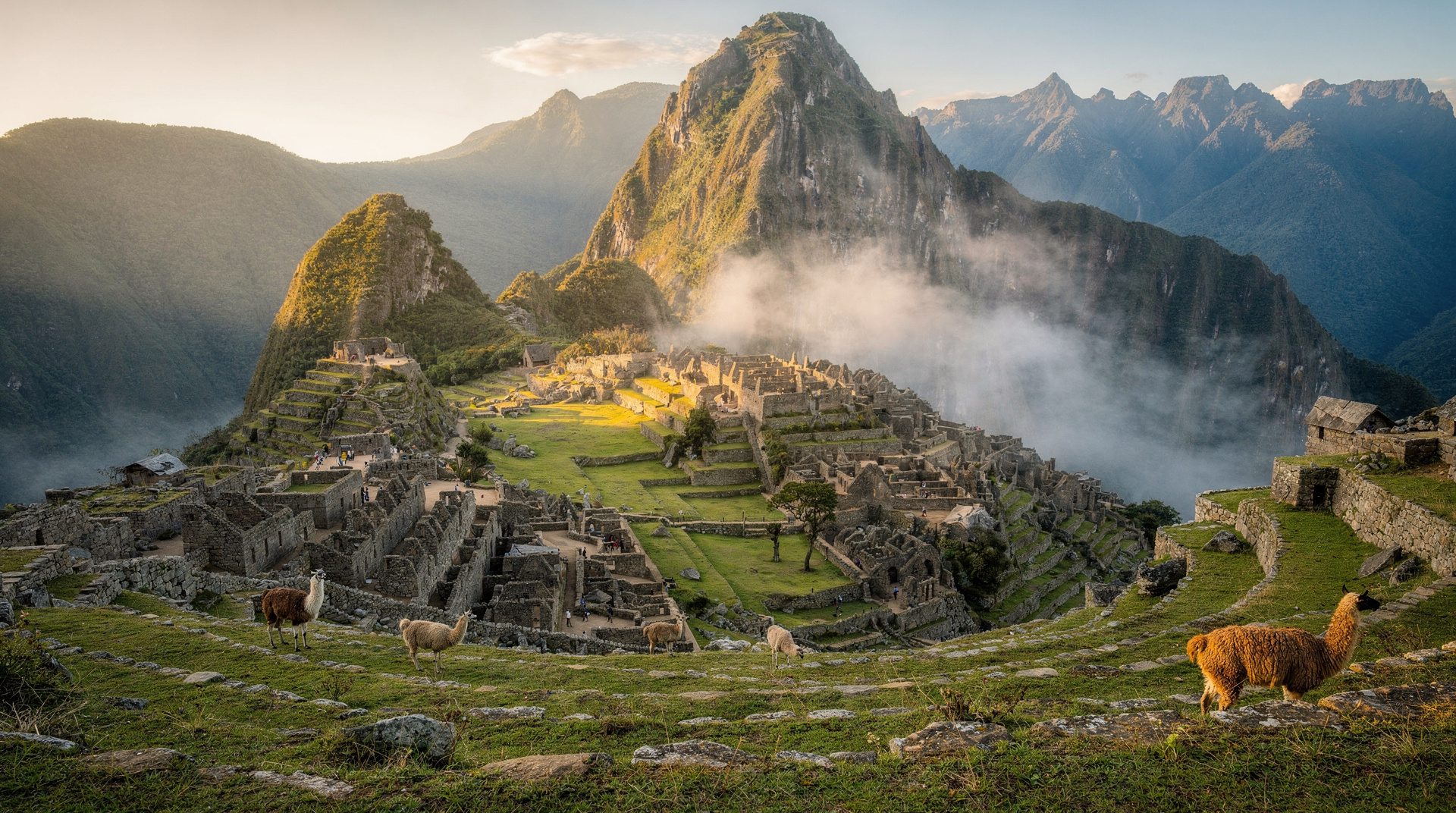
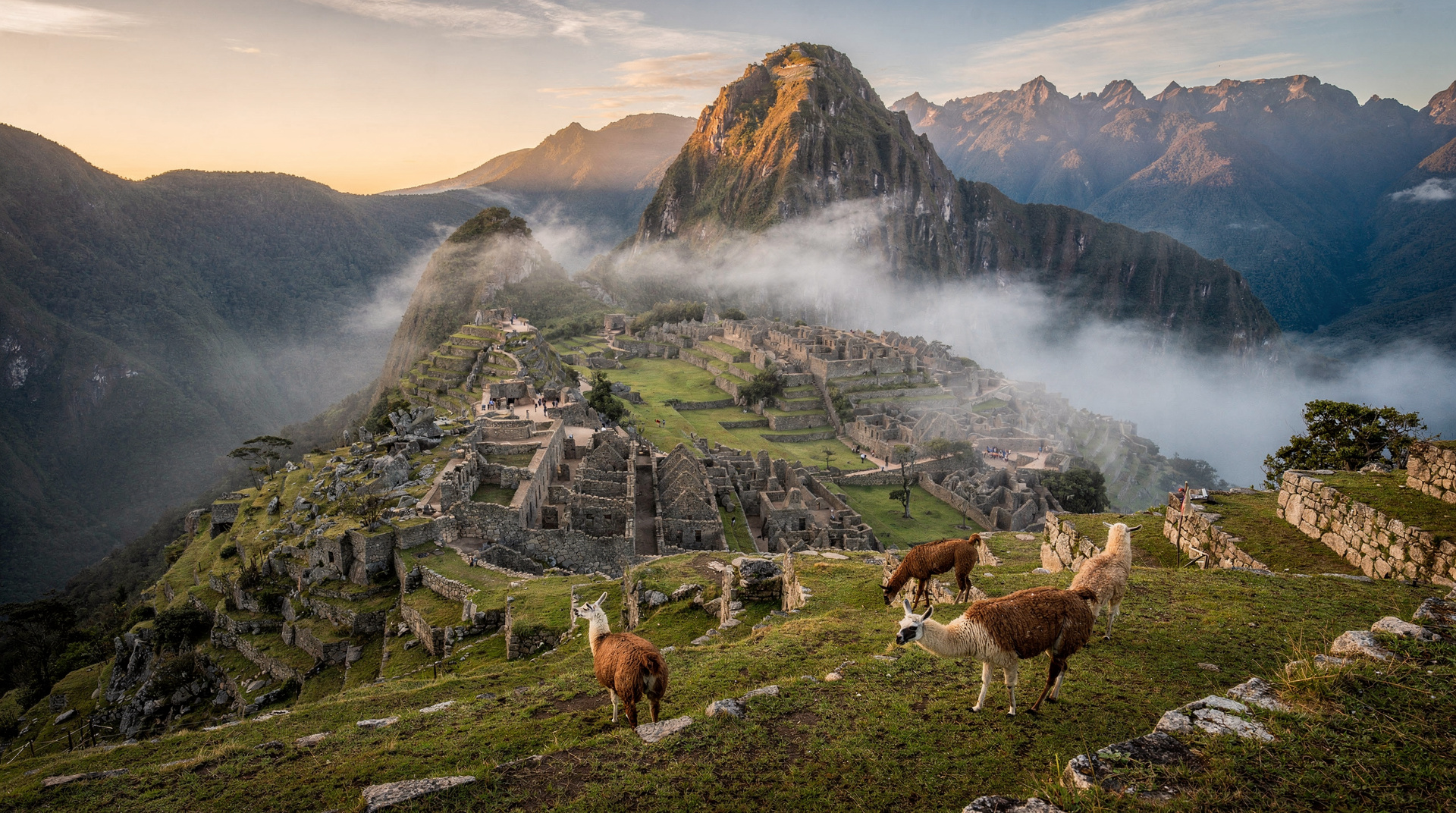
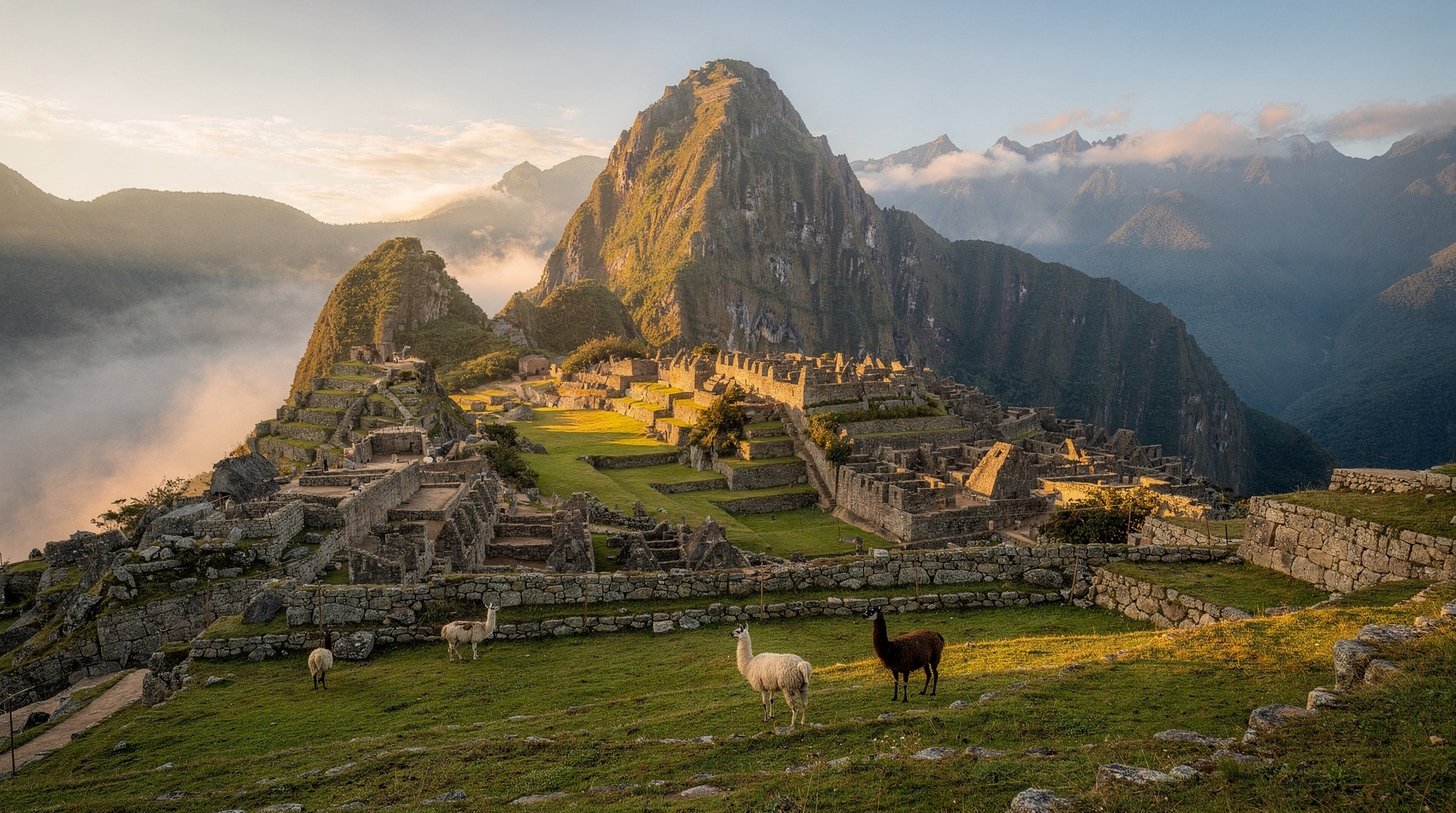
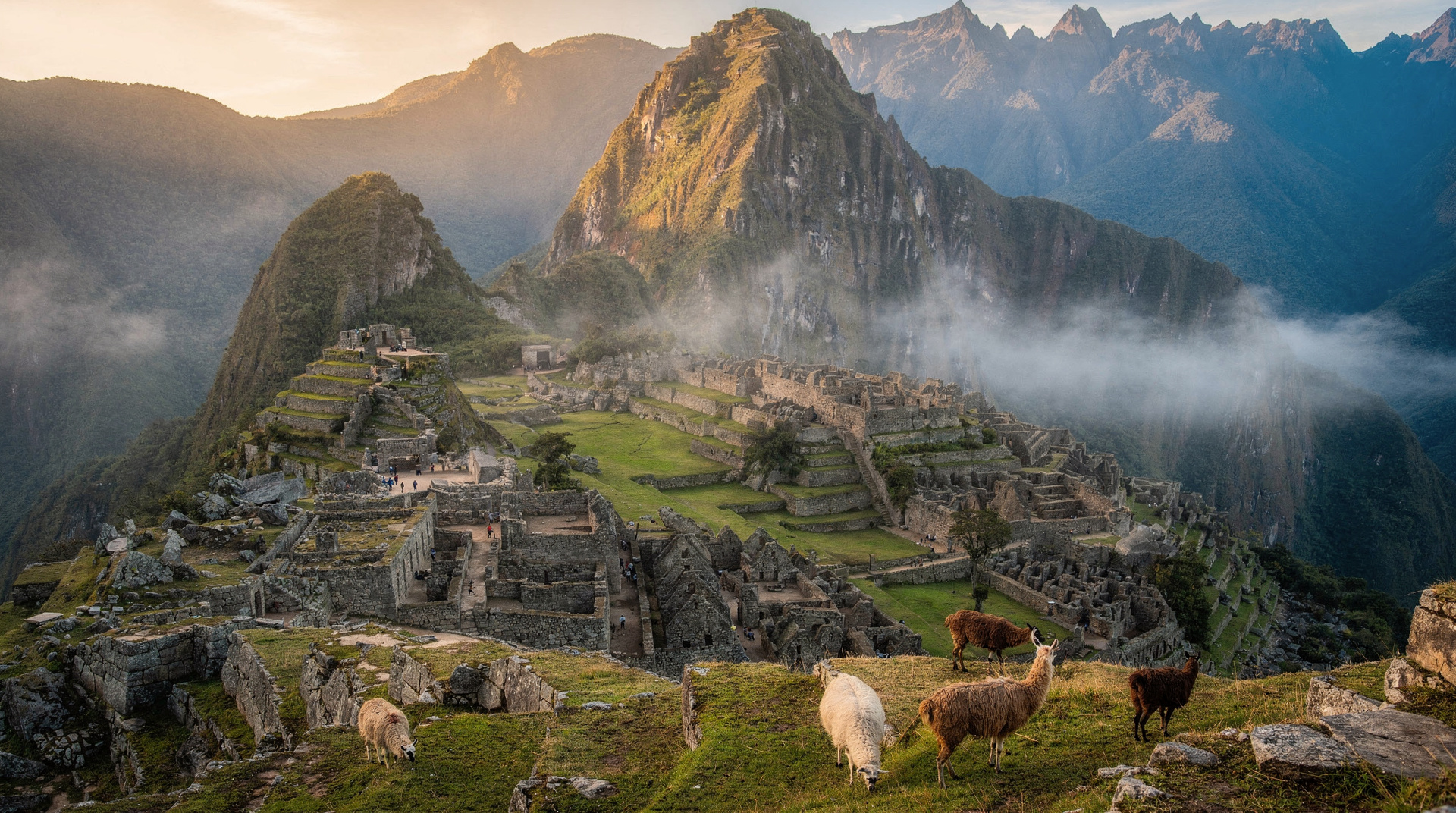
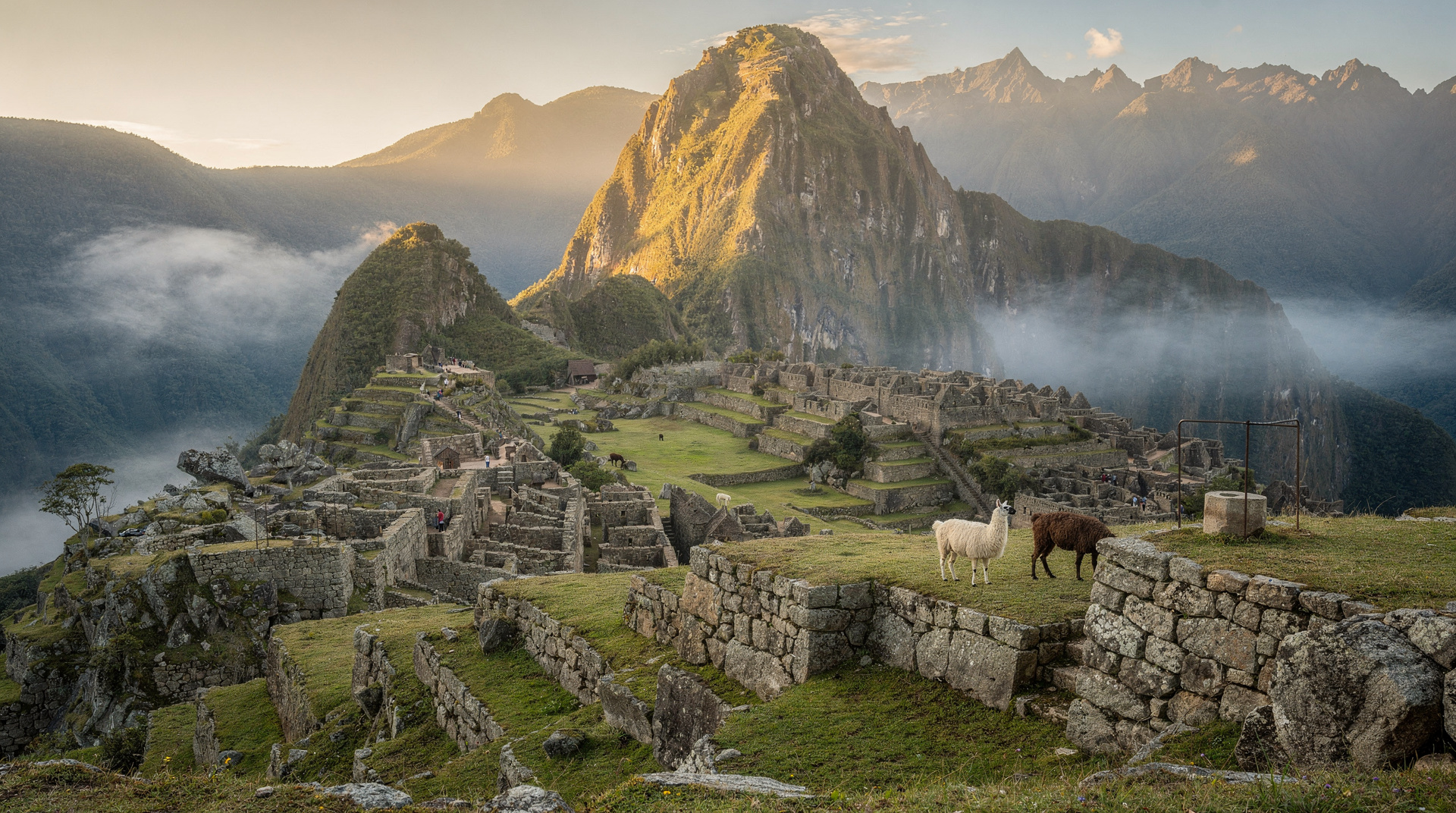
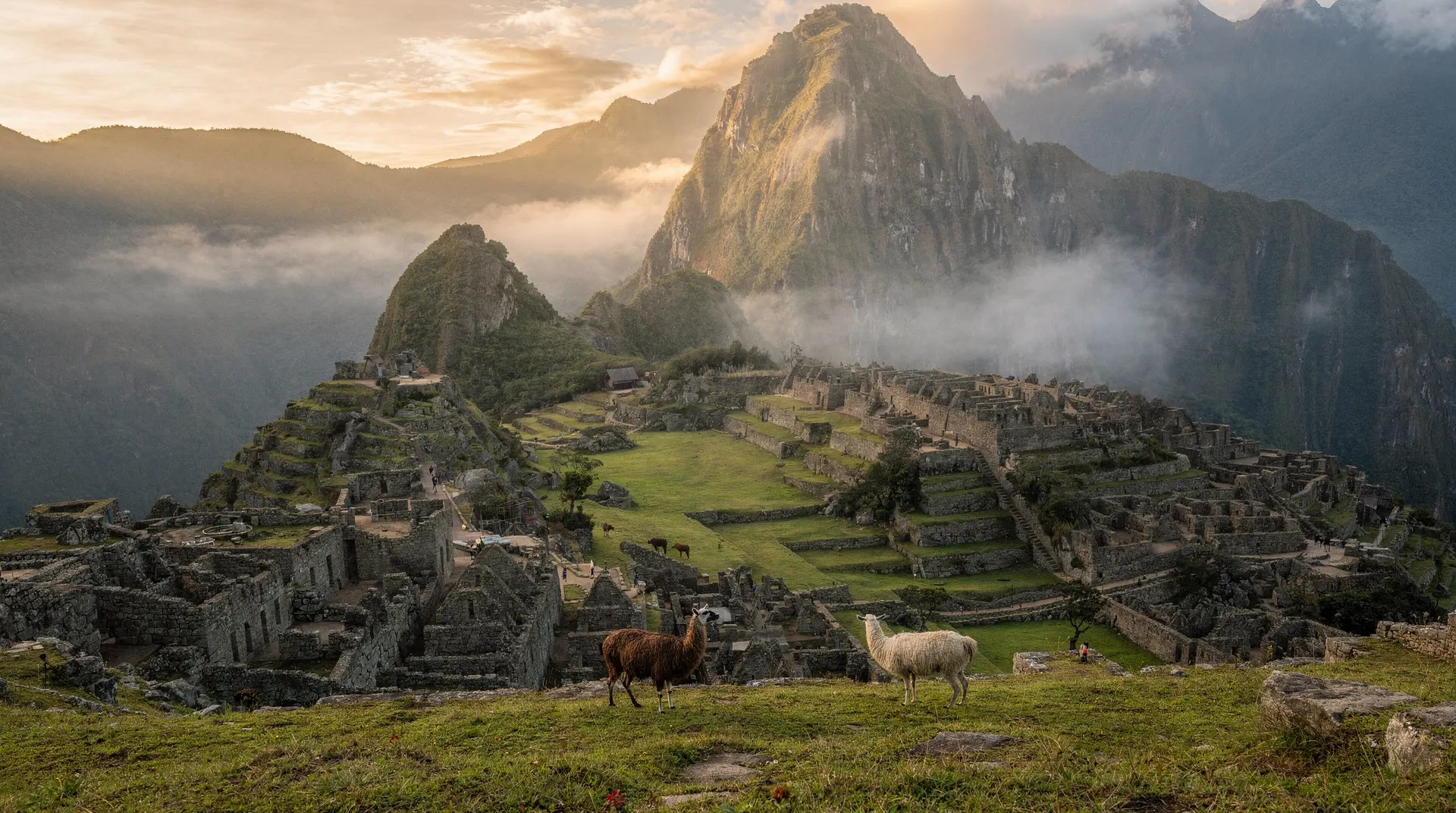
The guided tour of the citadel itself typically lasts two to three hours, usually following a Circuit 2 route through the urban sector: the Temple of the Sun viewpoint, the plaza of the temples and the Intihuatana stone. After the guided section, you usually have free time before regrouping for the bus and return train.
Return trains from Aguas Calientes to Ollantaytambo depart from mid-afternoon through early evening, with organised tours typically taking the 4:00–6:00 pm slots. Factor in the 30-minute bus descent and you reach Ollantaytambo around 6:00–8:00 pm; Cusco hotel drop-off is usually around 9:00–10:30 pm.
It is a very long day. Budget for 17–19 hours door to door.
What is included — and what to check before booking
Standard inclusions in most day trip products: return transport from Cusco hotel, return train ticket (Ollantaytambo–Aguas Calientes–Ollantaytambo), Machu Picchu citadel entrance ticket (linked to your passport number via tuboleto.cultura.pe), and a licensed bilingual guide for the citadel tour. Some operators include a buffet or set lunch in Aguas Calientes; many do not.
Standard exclusions: the bus from Aguas Calientes to the citadel gate (S/24/12 each way for adults/children), all meals and drinks unless specified, mountain add-on tickets (Huayna Picchu or Machu Picchu Mountain — these must be booked separately and have strict daily limits), and personal travel insurance.
Book the guided day trip by train from Cusco — this product includes hotel pickup, the Vistadome or Expedition train, licensed guide, and entrance ticket as a single transaction, removing the need to coordinate each component yourself.
The key thing to verify before booking: confirm the operator is booking your citadel ticket through the official tuboleto.cultura.pe system under your exact passport number, and that you will receive the QR code confirmation. See the Machu Picchu tickets explained guide for what a legitimate booking confirmation looks like.
Who this tour suits
The day trip format works best for travellers who have already spent two or more days acclimatising in Cusco or, better, in the Sacred Valley at lower altitude. Machu Picchu itself sits at 2,430 m — lower than Cusco — so altitude is less of an issue at the citadel than at many other Cusco-region sites. However, the day trip requires an early start, hours of walking on steep stone paths, and a very long return journey. Travellers with limited mobility, heart or respiratory conditions, or those still experiencing soroche should discuss the itinerary with a doctor before booking.
It suits travellers on a tight schedule who cannot afford an overnight stay, those whose hotels are in Cusco and who find the logistics of self-organising the train genuinely complex, and first-time visitors who want a guide to put context around what they are seeing.
What the train journey actually looks like
The train to Machu Picchu from Ollantaytambo is one of the more beautiful short rail journeys in South America. The descent from Ollantaytambo (2,790 m) to Aguas Calientes (2,040 m) over approximately 80 km follows the Urubamba River valley as it narrows and deepens into the cloud forest zone.
The first section of the journey passes terraced hillsides above the river, the vegetation still dry and Andean. By the time the train reaches the Km 82 area — the Inca Trail start — the canyon walls have risen on both sides and the vegetation has begun to change: tree ferns appear, the hillsides become denser and greener, and the river beside the tracks is louder and more turbulent. By Km 104, you are in full cloud forest — subtropical vegetation, orchids visible on the cliff faces, and the air noticeably warmer and more humid through the window.
PeruRail and Inca Rail operate competing services on this route. PeruRail’s Vistadome service has panoramic windows and roof panels; the Expedition service is more basic. Inca Rail’s options range from economy to premium. For a day trip, the Vistadome-equivalent service is worth the small additional cost — the jungle arrival deserves the panoramic windows. The trains to Machu Picchu compared guide covers the full PeruRail versus Inca Rail comparison.
The journey takes approximately 1 hour 30 minutes to 1 hour 45 minutes depending on the service. Seats are assigned. On the morning services (5:00–7:00 am from Ollantaytambo), the light in the gorge is extraordinary — the sun hitting the cloud forest canopy above the train as you arrive is one of those small travel moments that stay with you.
Altitude and season: what to know before you book
The main health concern on this day trip is not Machu Picchu itself (2,430 m is manageable for most acclimatised travellers) but the return journey to Cusco at 3,400 m after physical exertion. Arrive in Cusco, spend at least one full day resting and hydrating before doing this trip. If possible, spend your first night in Ollantaytambo at 2,800 m — it makes the early morning start trivially convenient and the acclimatisation is genuinely better. The altitude sickness guide and the acclimatisation planner explain this in practical terms.
Seasonally, the dry season (May to September) offers the clearest skies and best photography conditions. July and August are peak crowd months — the citadel is at its busiest between 9 am and 1 pm. The earlier your entry slot, the better. Rainy season (November to March) brings lower prices, fewer crowds, and morning mist which, on balance, many photographers prefer. Avoid the second half of January through February if possible — the heaviest rains can make trails slippery and visibility poor.
Honest pros and cons
Pros: Single booking covers all logistics. Guaranteed early pickup so you do not miss the morning train. Licensed guide provides context that transforms the visit from “a pile of old stones” into something genuinely moving. Coordinated train and entrance booking eliminates the risk of misaligned tickets. Most organised day trips have flexible rebooking policies for weather and train delays.
Cons: Very long day — 17 to 19 hours from hotel door to door. Early start is brutal, especially for anyone whose body is still on European or North American time. Not cheap: S/700–950 (~$200–275) per adult including train, entry and guide for most mid-range products. Group sizes vary and a large group can diminish the guide-to-visitor interaction. The standard day trip does not include Huayna Picchu or Machu Picchu Mountain; if you want either, you must add them at extra cost and, for Huayna Picchu, book well ahead on tuboleto.cultura.pe.
How it compares to the alternatives
The train and entrance ticket only — without the guided day trip wrapper — is the right choice for experienced independent travellers who want to arrange their own logistics, hire a guide at the gate (around S/120–150 for two hours), and move at their own pace. It typically saves S/150–200 per person compared to an organised day trip but requires you to coordinate train times, hotel transfer and ticket booking separately.
A small-group guided experience — typically eight to twelve people maximum — offers a more personal version of the same day trip at a higher price point (S/950–1,200, ~$275–350). The guide ratio is better, interpretive depth is greater, and these products often include priority access arrangements. Worth considering for solo travellers who want company, first-time visitors who want thorough interpretation, and anyone who has struggled on group tours with large numbers.
A circuit ticket only (citadel entrance, no guide, no transport) is the minimum product — appropriate if you are already in Aguas Calientes and simply need the entrance booking. At S/152 (~$45) per adult, this is the cheapest possible entry but requires all other logistics to be independently arranged.
The main alternative to the day trip format entirely is staying overnight in Aguas Calientes. This solves the exhaustion problem, allows an early first entry the following morning before day-trippers arrive, and opens the possibility of a second visit on consecutive days if your schedule allows. See the Aguas Calientes guide for accommodation and logistics. The Machu Picchu complete guide weighs day-trip versus overnight visit in detail.
For budget travellers, the Hidroeléctrica route (bus to Santa Teresa, then a 3-km walk along the train tracks to Aguas Calientes) avoids train costs entirely. It is more complex, slower, and less comfortable, but it works. The budget Hidroeléctrica guide covers this route honestly.
Comparing the day-trip options
| Full guided day trip | Train + entrance only | Small-group experience | |
|---|---|---|---|
| Price | S/700–950 | S/450–600 | S/950–1,200 |
| Guide | Included | None (hire at gate, S/120–150) | Included, small ratio |
| Logistics | Fully coordinated | Self-arranged | Fully coordinated |
| Best for | First-time visitors wanting simplicity | Confident independent travellers | Solo travellers, thorough interpretation |
Circuit choice: what you actually see
Since June 2024 the Machu Picchu ticket system has had three circuits, grouping ten routes, and which one your day-trip operator books matters for what you actually see. Circuit 2 (Clásico) is the one most day trips include — its route 2-A crosses the urban sector, with the Temple of the Sun viewpoint, the plaza of the temples and the Intihuatana, and route 2-B covers the lower terrace. Circuit 1 (Panorámico) stays on the upper parts of the site and does not enter the urban sector; in high season it also offers the Inca Bridge (1-D) and the Sun Gate (1-C) routes. Circuit 3 (Realeza) has its own route through the urban sector and includes Huayna Picchu (3-A), while Machu Picchu Mountain is route 1-A of Circuit 1. The mountain routes need a specific ticket, so check availability on tuboleto.cultura.pe well in advance.
For a standard day trip without a mountain climb, confirm which circuit and route your operator has booked, and that it enters the urban sector (Circuit 2 or 3), since that is where the classic views most first-time visitors expect are. Circuits are one-directional and timed — once you enter, you cannot backtrack or switch circuits, so ask your guide to point out the best photo positions as you pass them rather than assuming you can return for a second look.
Pricing reference (2026)
Organised day trip (pickup, train, entrance, guide): approximately S/700–950 per adult ($200–275). Premium small-group versions: S/950–1,200 ($275–350). Train and entrance only (self-organised): approximately S/450–600 ($130–175) per adult depending on train class and advance booking. Citadel entrance alone: S/152 ($45) adult, S/77 (~$22) child/student.
Bus from Aguas Calientes to gate: S/24 (~$7) adult each way. Timed entry tickets often sell out — book before the train.
Verdict
The Machu Picchu day trip by train from Cusco is the right choice for most first-time visitors on a schedule of four to seven days in the region. It is not inexpensive, it is tiring, and it requires genuine pre-trip planning around altitude and advance bookings. But Machu Picchu is worth every sol, and doing it with a qualified guide dramatically increases what you understand and remember. Book early, acclimatise properly, and time your citadel entry slot for the first available window.
If you have more than seven days, seriously consider staying a night in Aguas Calientes to ease the return journey and capture the morning quiet before day-trippers arrive. The 4-day Cusco and Machu Picchu itinerary integrates the day trip format with proper acclimatisation time before departure.