Inca Trail versus Salkantay — the real talk after doing both
I’ve now done both, and here is my unfiltered opinion
The Inca Trail in 2019. The Salkantay Trek in 2022. Both ending at Machu Picchu. Both challenging. Both unforgettable. Entirely different experiences, despite the shared destination. Having done both, I can give you the comparison I couldn’t find before my second trek — one that’s honest rather than promotional.
The short version: the Inca Trail is the better experience. The Salkantay is the more achievable experience. Which one is better for you depends almost entirely on how much flexibility you have.
| Inca Trail | Salkantay Trek | |
|---|---|---|
| Permit | Required, sells out months ahead | None — book weeks out |
| Duration | 4 days / 3 nights | 5 days / 4 nights |
| High point | 4,215 m (Dead Woman’s Pass) | 4,630 m (Salkantay Pass) |
| Ruins along route | Yes — several intact Inca sites | No — natural landscape only |
| Machu Picchu arrival | Via Sun Gate on foot | By bus from Aguas Calientes |
The permit problem is real
Let’s start with the thing that decides most people’s choice before they get to any other consideration. The Inca Trail has a strict daily quota of 500 people (including guides and porters), which in practice means around 200 trekkers per day. Permits for the classic four-day trek sell out months in advance — for the July–August peak season, allocation typically happens by February. For the Inca Raymi period, even earlier.
I booked my Inca Trail permit in January for a March departure. March is shoulder season, the trail had just reopened after its February closure, and I still had to book 10 weeks out to get a spot. For July? I’ve read accounts of people booking in October of the previous year. The Inca Trail permits guide covers the system in detail.
The Salkantay has no permit system. You book a tour with an agency and go. For my November 2022 trek I booked two weeks out. This alone explains why the Salkantay has become enormously popular.
If the permit calendar is what worries you, two other pages are worth a look before you decide: the Inca Trail closed in February explainer, which matters if your dates fall early in the year, and the short Inca Trail 2-day option, which is a different product with its own booking logic. Neither replaces the classic trek, but both show what is still possible when the full four days are out of reach.
The landscapes: an honest comparison
The Inca Trail’s landscapes are extraordinary and diverse. In four days you pass through three distinct ecological zones — arid high mountain, cloud forest, and humid lower montaña — and the transitions are abrupt and dramatic. The passes, including the famous Dead Woman’s Pass (Warmiwañusqa) at 4,215 m, are genuinely hard going. The views from the high sections are of snow-capped peaks on the horizon and the Urubamba valley threading below. The second day, from Wayllabamba to the main pass, is the toughest 8 km I’ve walked.
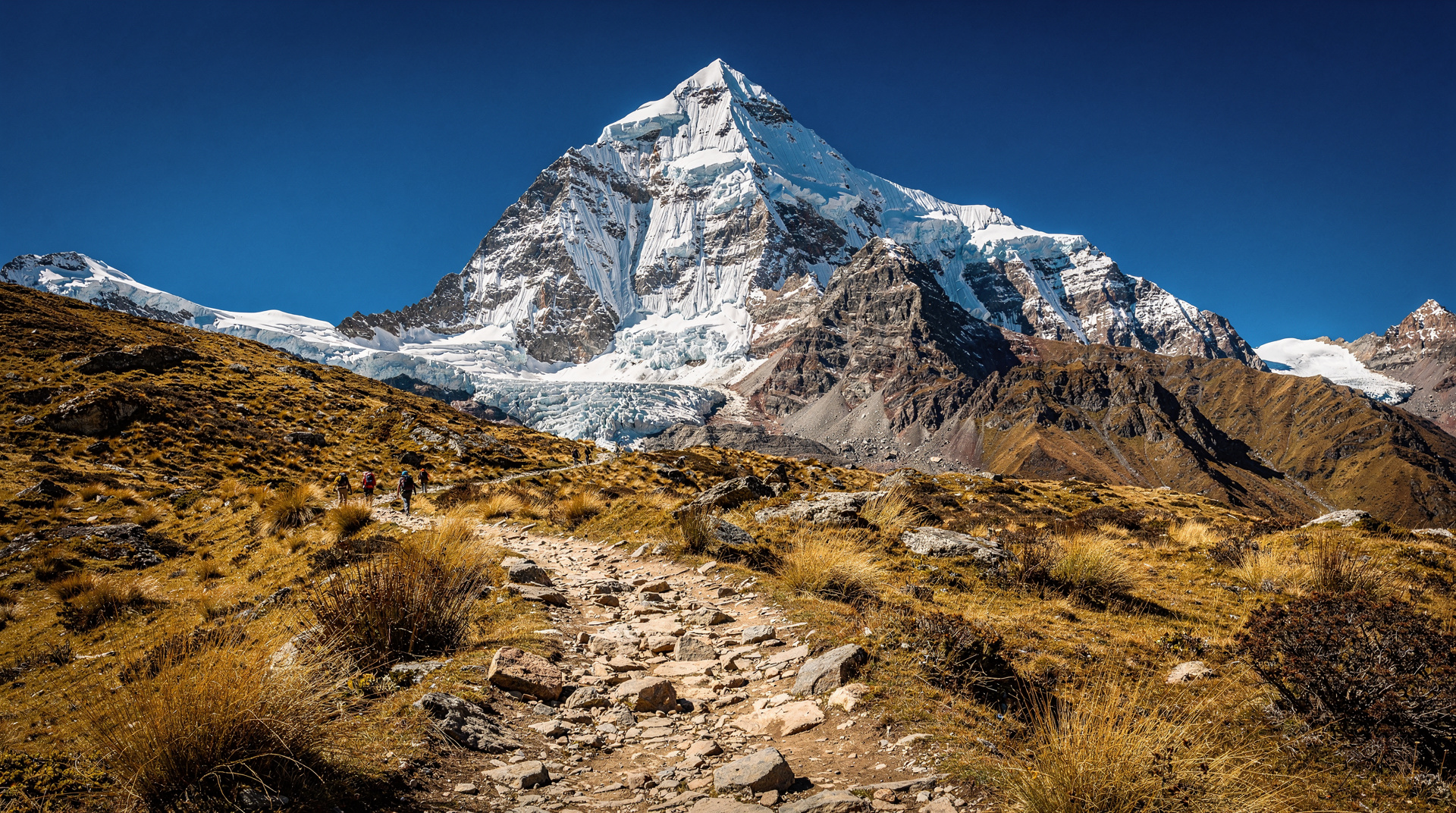
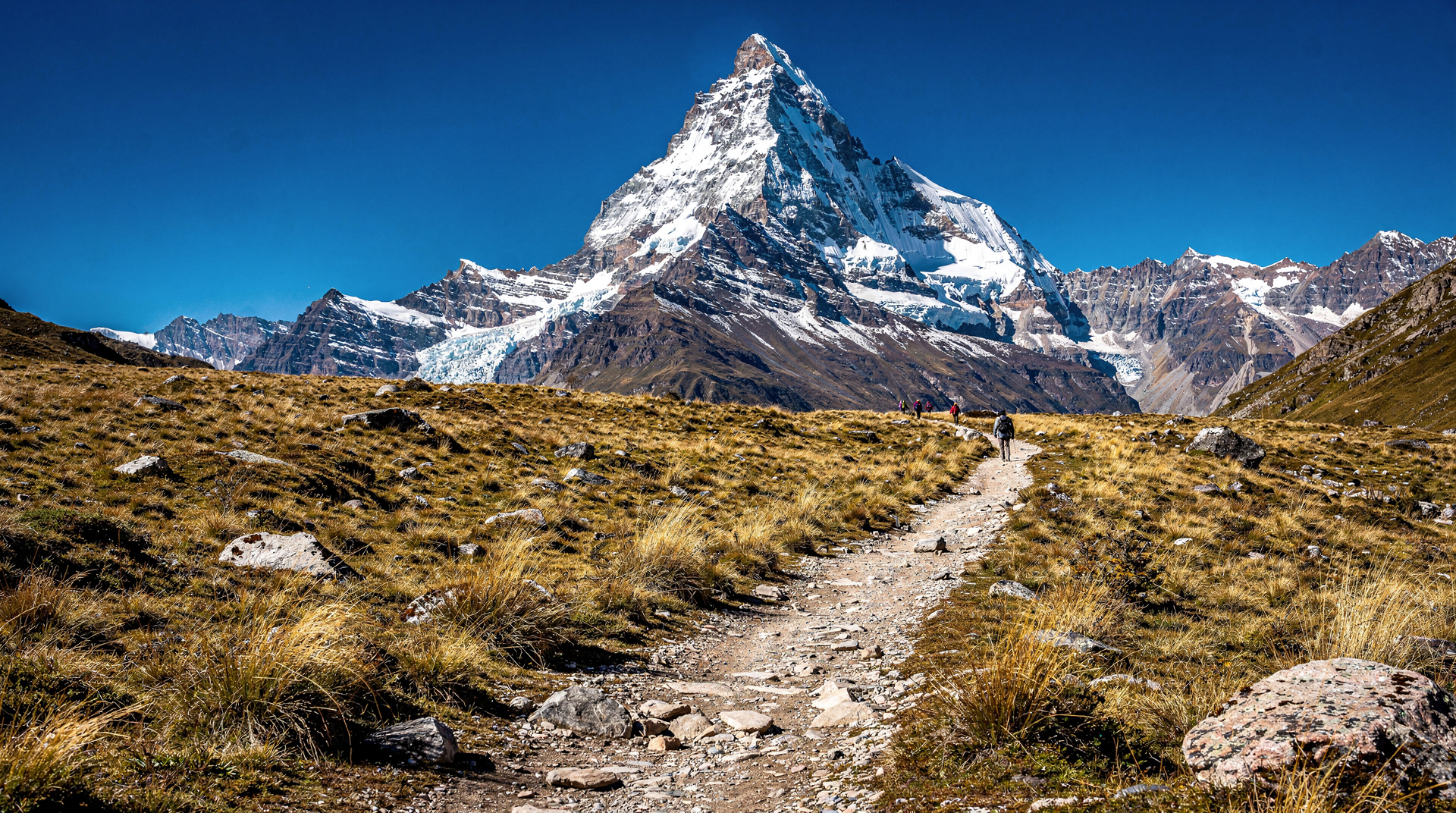
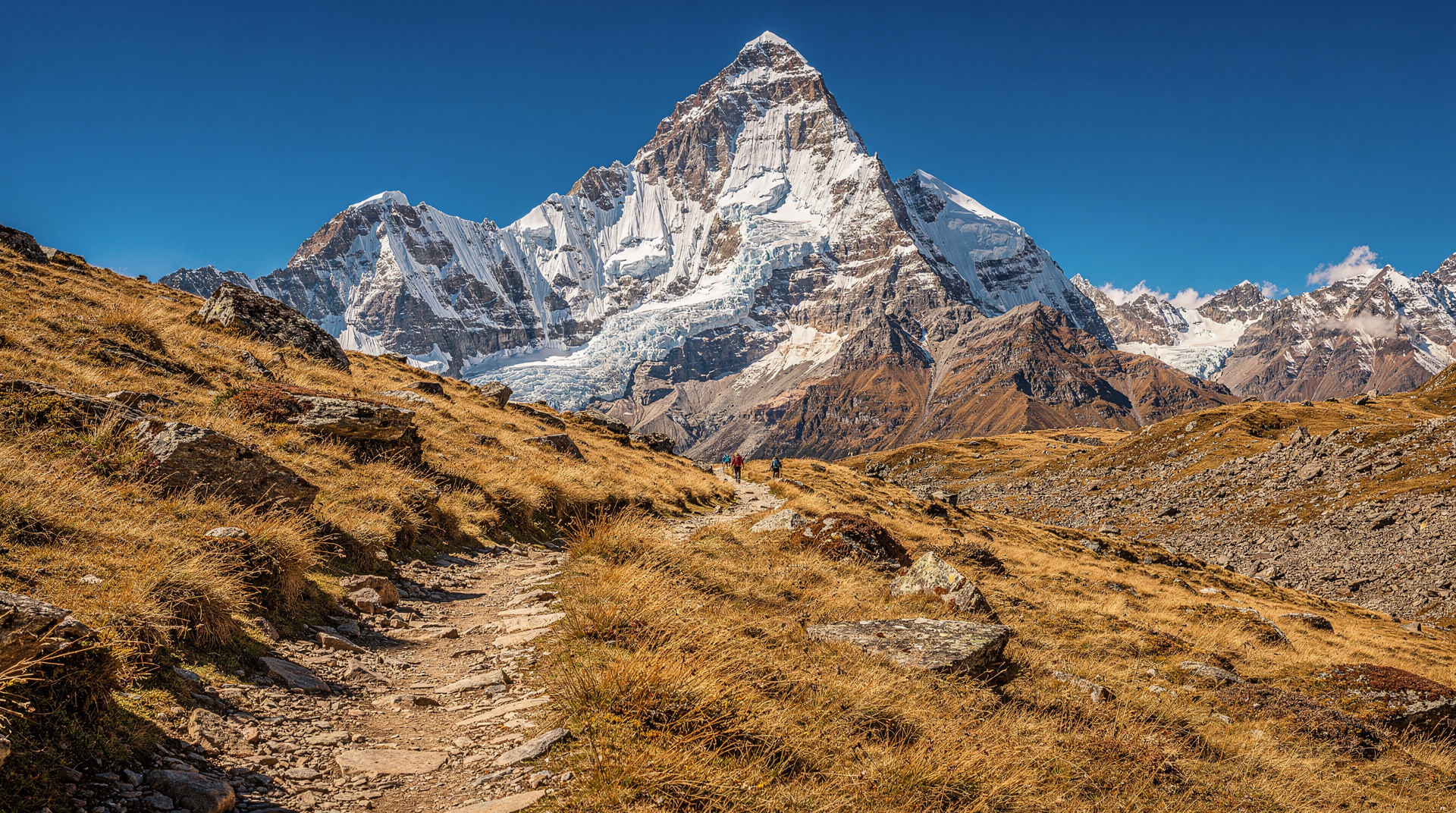
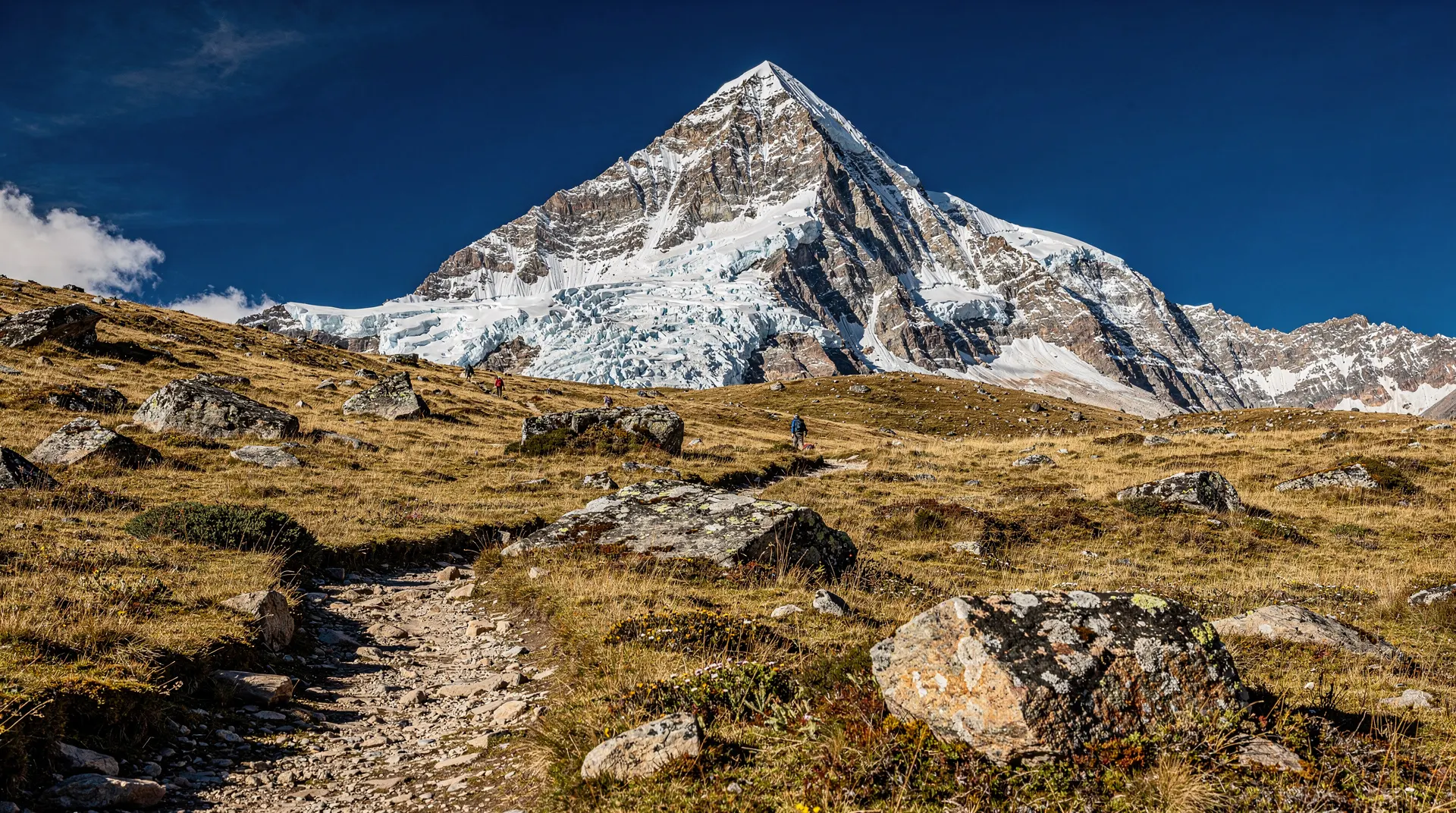
The Salkantay, on the other hand, is dominated for most of its journey by the presence of Salkantay mountain itself — the “savage mountain” at 6,271 m, which looms over the camp at Soraypampa and is the visual centrepiece of the entire first half of the trek. The Salkantay Pass at 4,630 m is higher than any point on the Inca Trail and significantly more exposed. The approach to the pass is a long boulder-field scramble that requires steady nerves. On my trek, low cloud blew in at 4,200 m and we crossed the pass in near-zero visibility with sleet. It was brutal and also one of the most intense experiences I’ve had outdoors.
If you want the full route-by-route picture behind these impressions, my own accounts are in the Inca Trail trip report and the Salkantay trek diary, and the destination pages for the Inca Trail and Salkantay describe the terrain in more neutral terms.
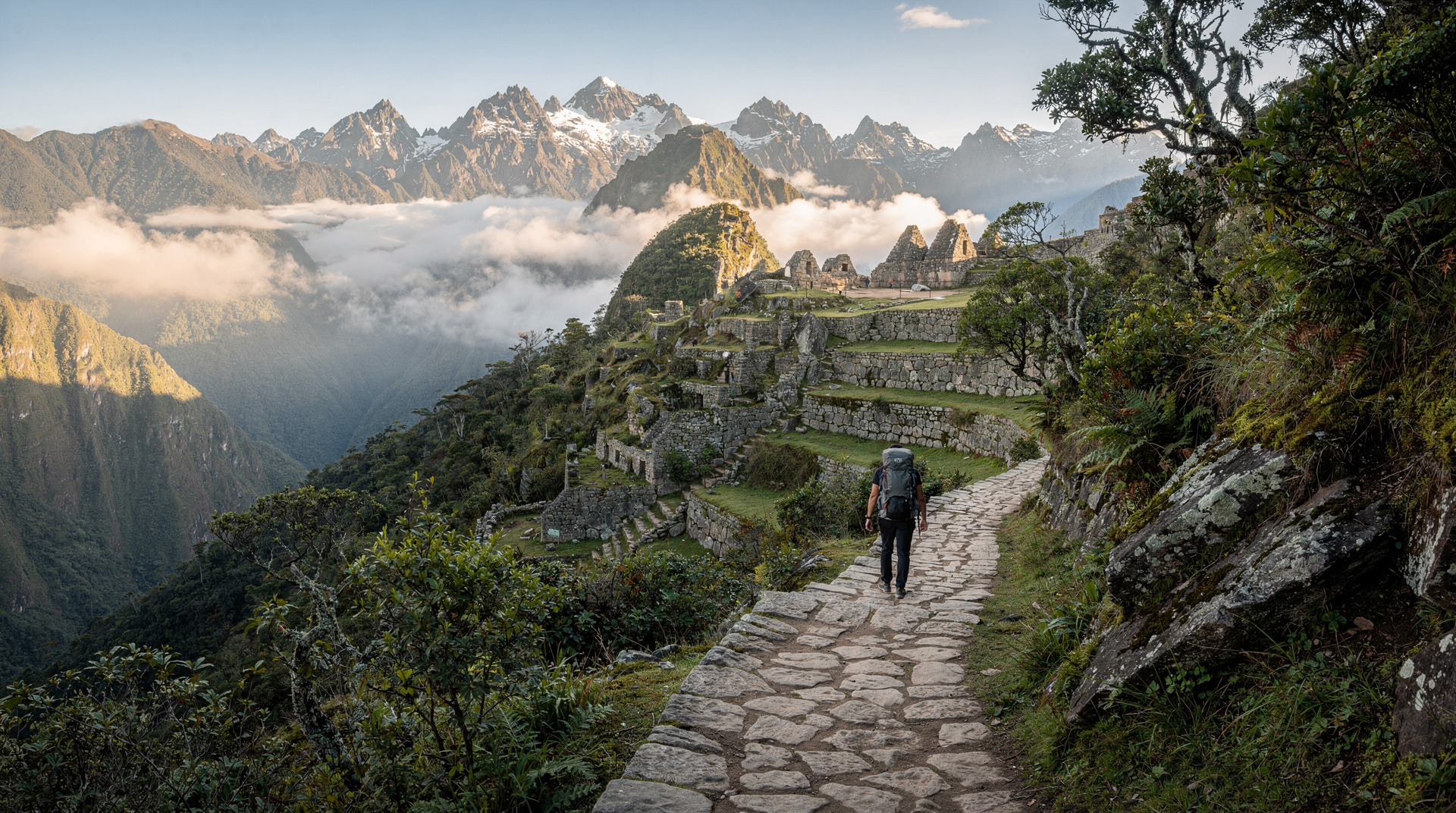
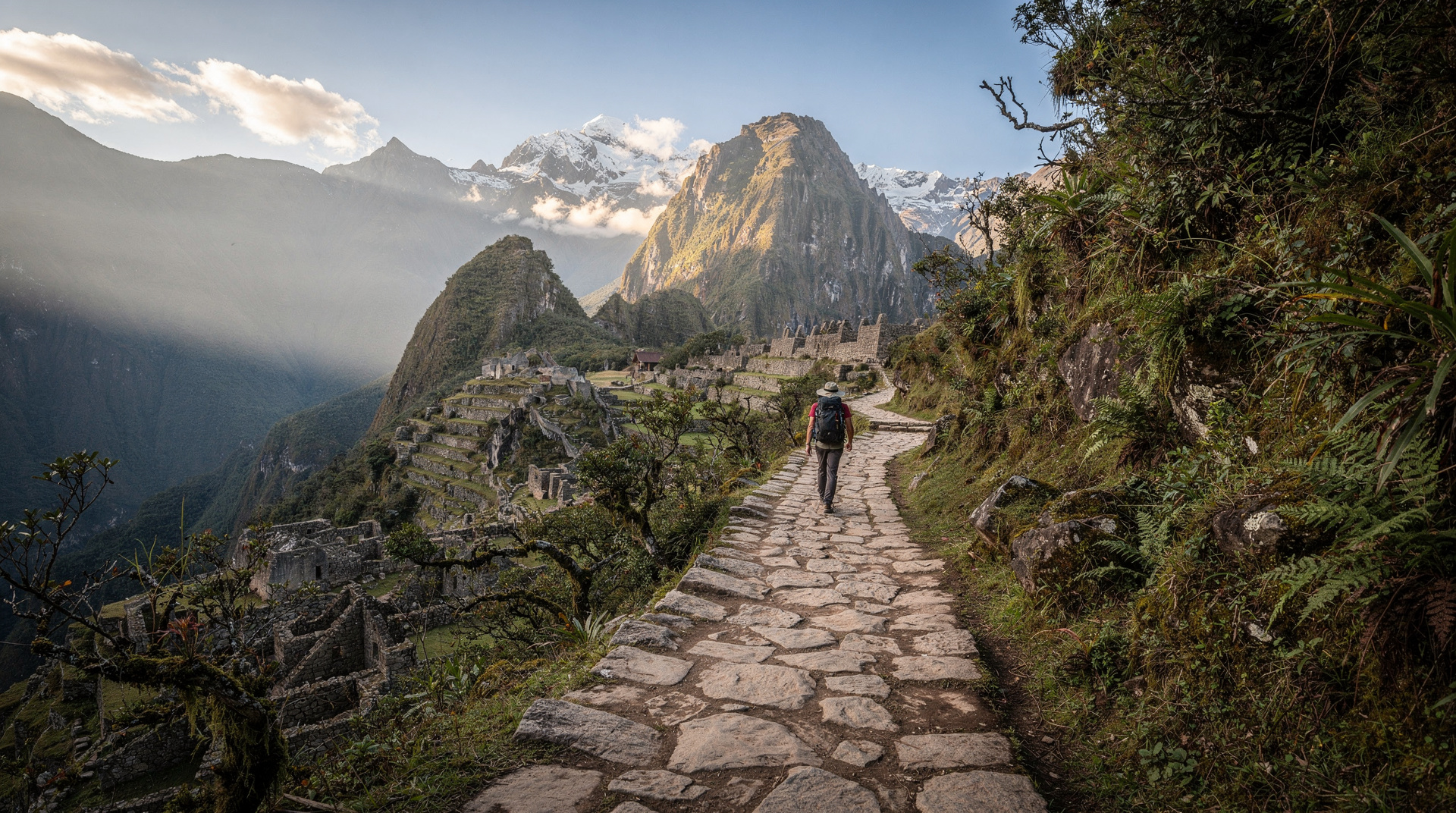
Neither landscape is better — they’re genuinely different. If I could choose purely on scenery and experience, the Inca Trail wins narrowly because of what comes after the passes: the Inca ruins. The trail itself passes through multiple intact Inca sites — Runkurakay, Sayacmarca, Phuyupatamarca — and each one, encountered in the cloud forest with no road access and no crowds, felt like genuine discovery.
Check availability and book the classic 4-day Inca Trail as early as you possibly can — the permit allocation timing means this genuinely requires planning months ahead.
The ruins question
This is the clearest differentiator. The Inca Trail is a living archaeological corridor. The ruins you pass through were built specifically to connect Cusco to Machu Picchu and served religious and administrative functions. Walking through them — particularly Phuyupatamarca at dawn, with the Urubamba valley in mist below — is why the trail exists as an experience rather than just a route.
The Salkantay has no comparable ruins along the route. It’s a natural landscape trek, not an archaeological one. The closest you get is Llactapata — a partially excavated Inca site visible from a ridge on day four of the classic itinerary, looking across at Machu Picchu from a distance. It’s significant, but not the same as walking through Inca temples in the cloud forest.
The campsites and the groups
The Inca Trail is heavily regulated. You camp at designated sites only. In peak season these sites fill with groups — organised camping areas where the neighbours are loud and the queues for the toilets form. The regulation means the trail is maintained, litter-collected, and relatively safe. It also means you rarely feel alone.
The Salkantay has both organised camps (the main operator hubs with proper tents, meals and facilities) and wilder sections where the groups thin out. The first morning, approaching the Salkantay Pass, I was part of a group of 10 with our guide — and between the clusters of organised groups there were stretches where the mountain was effectively silent except for wind.
Book the 5-day Salkantay Trek with camping and transport to Machu Picchu if the Inca Trail permits are sold out or the timeline doesn’t work — the Salkantay is a genuinely excellent alternative, not a consolation prize.
Gear matters more than people expect on both routes, especially on a pass in sleet. The what to pack for the Inca Trail list translates almost directly to the Salkantay, and the broader what to pack for Cusco page covers the days around the trek.
The Machu Picchu arrival
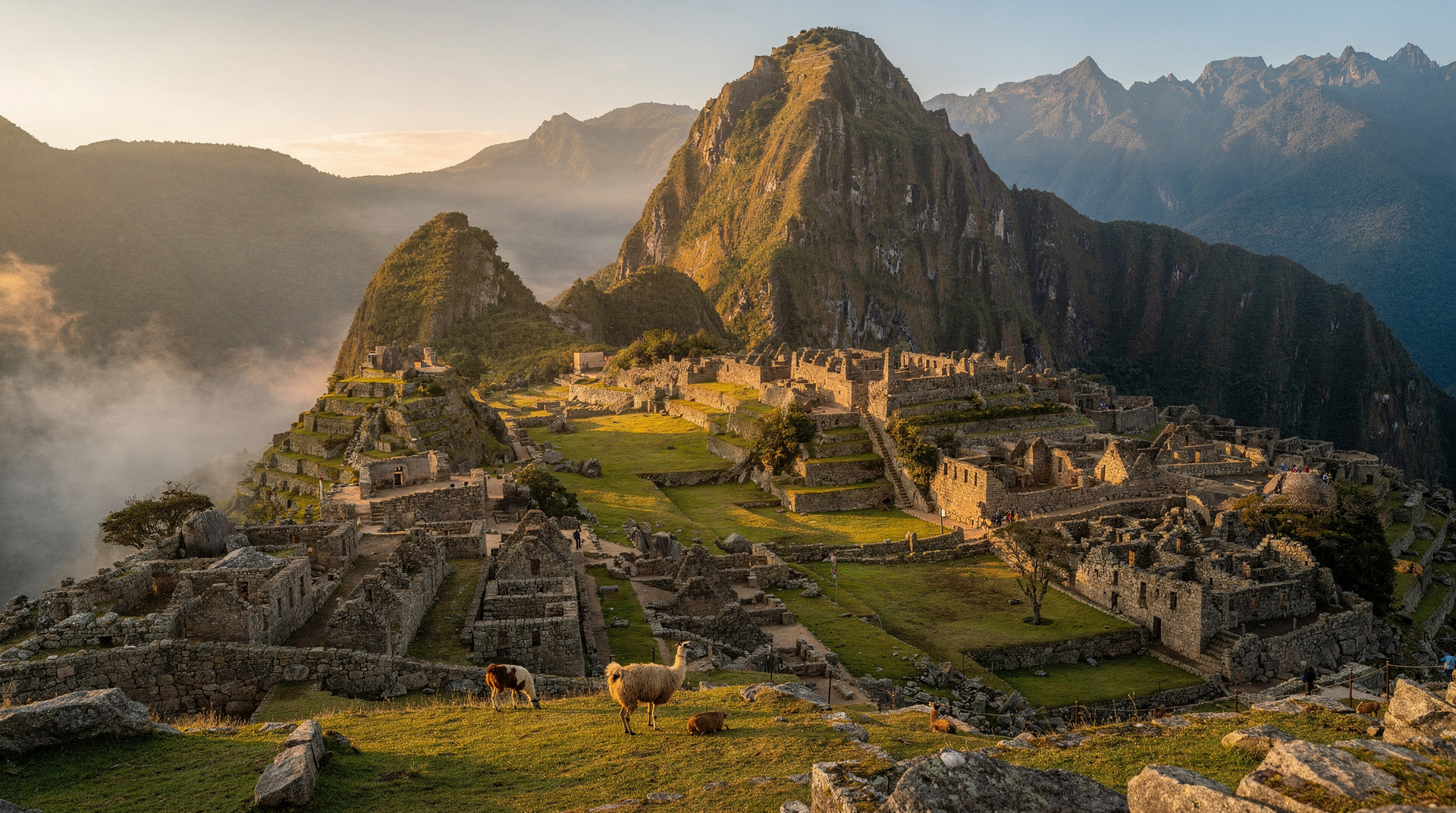
Both treks end at Machu Picchu. The arrival is different. Inca Trail trekkers enter through the Sun Gate (Inti Punku) and walk the final stretch of original Inca paving down to the citadel — looking across at Machu Picchu from above, then descending into it. It’s the arrival the trail was built for. On a clear morning, with the citadel spread below you and the mist in the valley, it hits hard.
Salkantay trekkers typically arrive by bus from Aguas Calientes like everyone else, entering through the standard gate. There’s no ceremonial arrival, no view from above. The ruins are magnificent regardless of how you enter, but the Sun Gate arrival is genuinely different — earned and framed in a way that repays all five days of effort.
Whichever route you take, the citadel visit itself needs planning. The Machu Picchu complete guide and the Machu Picchu circuits compared page explain how to use your time once you are inside, and the Aguas Calientes page is useful for Salkantay trekkers, who end their journey in that town.
Cost and comfort, honestly compared
The Inca Trail, because of the permit system and the mandatory licensed-operator structure, tends to sit at a fairly narrow price band regardless of which company you book with — you’re mostly paying for the permit, the porters and camp logistics, which are standardised. The Salkantay has a wider spread: budget operators with basic camping run cheaper than the Inca Trail, while premium options with mountain-lodge accommodation instead of tents (the “Salkantay Lodge to Lodge” style trips) cost considerably more than either standard trek. If budget is the deciding factor, the Salkantay gives you more room to choose your comfort level; the Inca Trail’s cost is largely fixed by the system itself.
Which one for a first-time trekker
If this is your first multi-day trek at altitude, I’d lean Salkantay for the booking flexibility alone — you can adjust your Cusco arrival date if you need extra acclimatisation days without losing a non-refundable permit slot. If you already know you want the archaeological payoff and can commit to dates 4–6 months out, the Inca Trail rewards that commitment. Sleeping first in the Sacred Valley is a sensible way to adjust, as the Cusco altitude versus Sacred Valley guide explains, and the altitude sickness guide helps you recognise symptoms early. Either way, follow the Cusco acclimatisation plan — both treks are harder, not easier, if you arrive under-adjusted to altitude.
The verdict
Choose the Inca Trail if: you can book 4–6 months ahead, you want the archaeological experience, and the arrival at the Sun Gate matters to you. The Inca Trail complete guide covers everything.
Choose the Salkantay if: permits are sold out, you prefer booking flexibility, you’re drawn to raw mountain scenery over ruins, or you want the higher-altitude experience. The Salkantay guide is detailed.
Both are harder than most websites suggest. Both are worth it. The best treks to Machu Picchu guide compares all five main routes if you want a broader matrix.