Cusco city tour: tour review
Cusco: Half-Day City Tour with Sacsayhuaman and Q’enco
More than orientation: what the city tour actually delivers
Most visitors arrive in Cusco jet-lagged, altitude-affected, and with a mental checklist dominated by Machu Picchu. The Cusco city tour tends to be booked as a placeholder — something to do while acclimatising. This undersells it significantly. The half-day city circuit gives you Sacsayhuamán, one of the most extraordinary pieces of Inca engineering surviving anywhere, and the Qorikancha, the site of the Inca Empire’s most important temple beneath a Spanish colonial convent — context without which Machu Picchu itself is harder to understand. This review tells you exactly what the tour covers, what makes a good operator, and how to calibrate expectations.
| Where | Sacsayhuamán, Qenqo, Puca Pucara, Tambomachay, Qorikancha |
| Cost | S/90–160 (~$26–46), incl. partial Boleto Turístico |
| Time needed | 4–5 hours (half-day) |
| Getting there | Vehicle between outer sites; Sacsayhuamán walkable from centre |
| Best time | Day 2 or 3, morning departure before 8:30 am |
The sites: an honest assessment
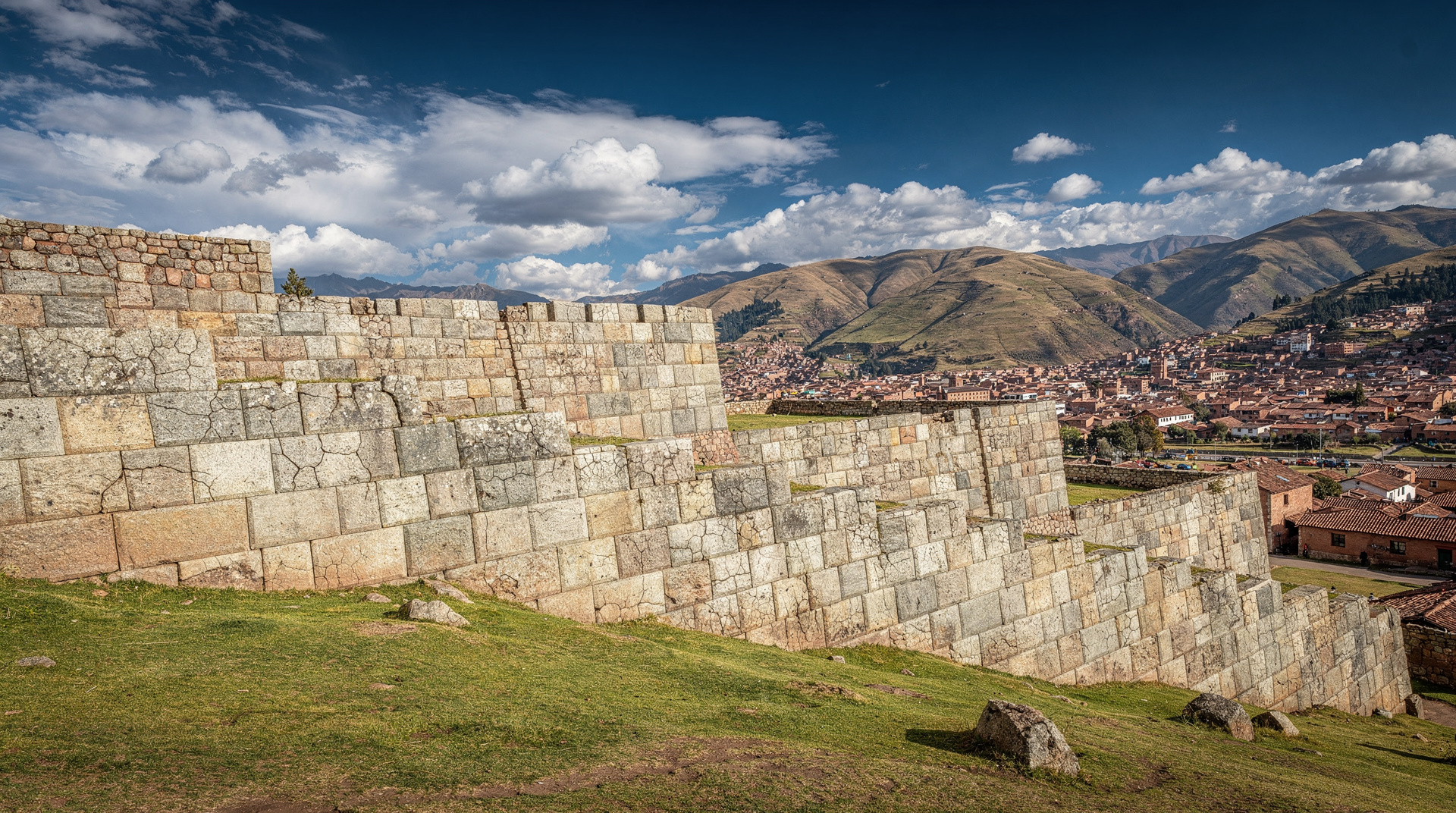
Sacsayhuamán is the reason to do this tour. The fortress complex above Cusco sits at approximately 3,700 m and consists of three parallel zigzag ramparts of Cyclopean polygonal masonry — blocks weighing up to 130 tonnes, fitted together without mortar, so precisely that a sheet of paper cannot be inserted between the joints. No definitive account of how the Inca transported and fitted these stones survives; the engineering question is genuinely unresolved. On site, the scale is completely different from the photographs. The Esplanade below the main walls is where Inti Raymi (the Inca sun festival, 24 June) takes place annually. The views over Cusco from the upper walls are significant.
A good guide distinguishes this site from a pleasant walk among large stones. The theories, the astronomical alignment of the main entry gates, the Rodadero (the polished stone slide used by Inca children), and the evidence of Spanish colonial stone quarrying (entire sections were dismantled to build Cusco’s colonial buildings) all add depth that an audio guide or self-guided visit cannot match. Allow 60–90 minutes with a guide.
Qenqo is a limestone outcrop carved with niches, channels, an underground ritual space, and a carved altar — thought to be a ceremonial site connected to the mummification of Inca royalty. It is a 10-minute drive from Sacsayhuamán, smaller in scale but striking in the precision of the carving.
Puca Pucara (approximately 3 km past Qenqo on the road to Pisac) is an Inca tambo — a waystation and garrison site. Less dramatic than the other sites but historically significant as evidence of the Inca road system’s logistics infrastructure.
Tambomachay is a ceremonial water shrine fed by natural springs, with a cascade of perfectly channelled water still running through original stonework. The precision of the water engineering is remarkable. The site is sometimes attributed to an Inca royal bathing place; more likely it is a huaca (sacred site) connected to water worship.
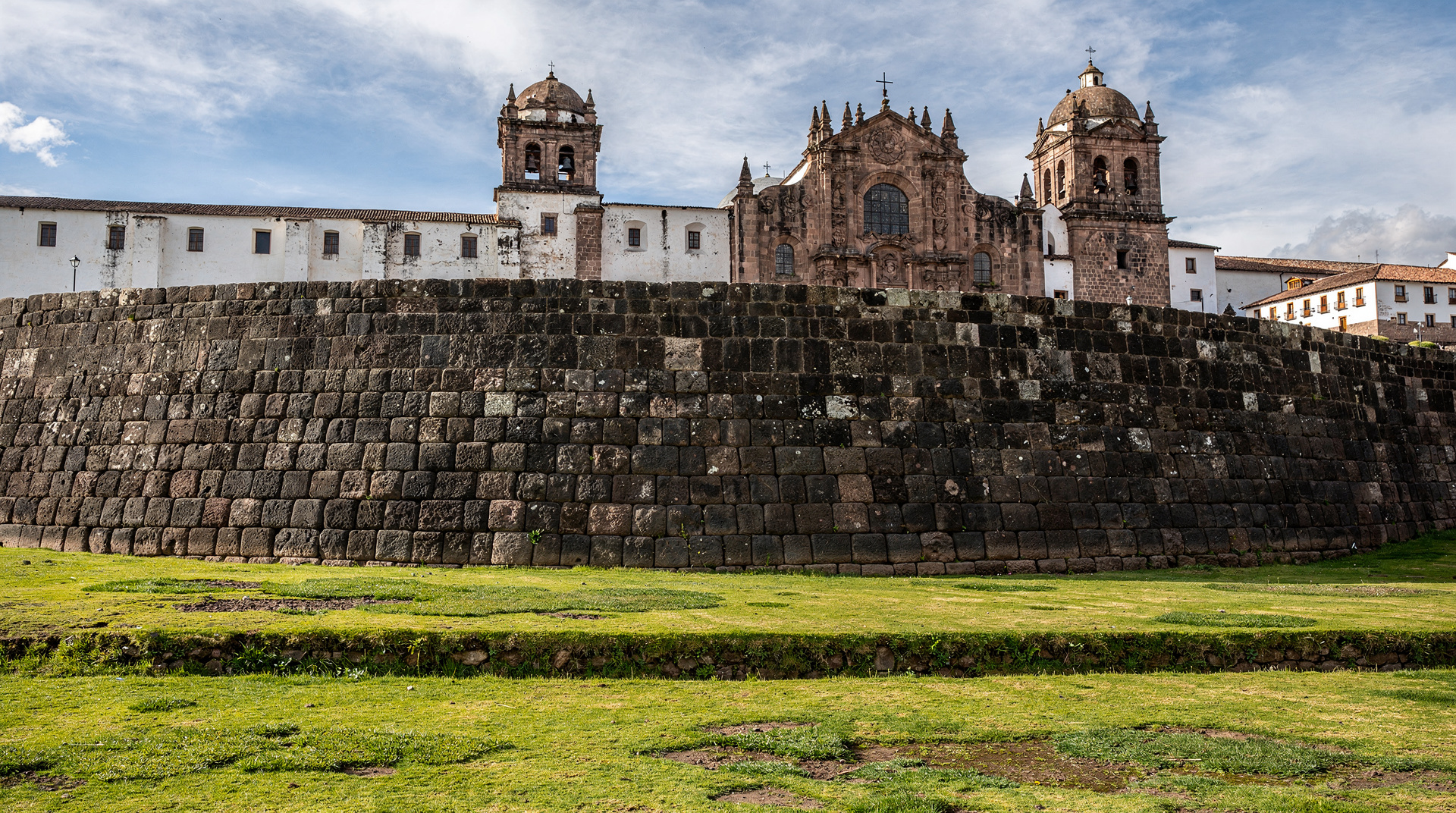
Qorikancha (Temple of the Sun, now Santo Domingo convent) in central Cusco is a separate category of importance. The curved Inca outer wall — built in the finest cut-stone masonry in the Inca world, used as the foundation for the colonial church above it — is one of the most extraordinary architectural juxtapositions in South America. The inner courtyard shows the layers clearly: Inca stonework at the base, Spanish masonry above. The 1950 earthquake destroyed much of the Spanish colonial structure but left the original Inca curved wall intact, which is itself revealing about construction quality differences.
What is included
Book the Cusco half-day city tour — standard inclusions: hotel pickup, private or shared transport between the four outer sites, and a licensed bilingual guide. Many operators include the Boleto Turístico partial circuit (the four outer sites); confirm whether Qorikancha entry is included, and check current fees and opening hours on the official Qorikancha website.
Not included: full Boleto Turístico (if you want to use it at Pisac, Ollantaytambo, and other valley sites separately), lunch, Sacsayhuamán circus events during Inti Raymi week (ticketed separately), and personal tips for the guide.
The Boleto Turístico explained guide covers which sites the pass covers and whether it represents value for your specific itinerary.
Understanding Sacsayhuamán’s construction: the most asked question
Every visitor eventually stands in front of the main zigzag walls and asks: how? The largest stones in the lower rampart weigh an estimated 125–130 tonnes and were moved from a quarry approximately 3–4 km distant. There are no surviving Inca written records explaining the method. Spanish colonial chronicles mention the use of ramps, levers, ropes and very large numbers of labourers. Modern engineers who have studied the site have produced multiple plausible reconstructions, none definitively proven.
What is known: the Inca used a system called mita, a form of state labour tax under which communities across the empire sent workers for fixed periods on state construction projects. For Sacsayhuamán, this likely meant several thousand workers from across the Cusco region at peak construction periods. The construction is estimated to have taken 60–80 years, spanning the reigns of multiple Sapa Inca from approximately Pachacuti onward.
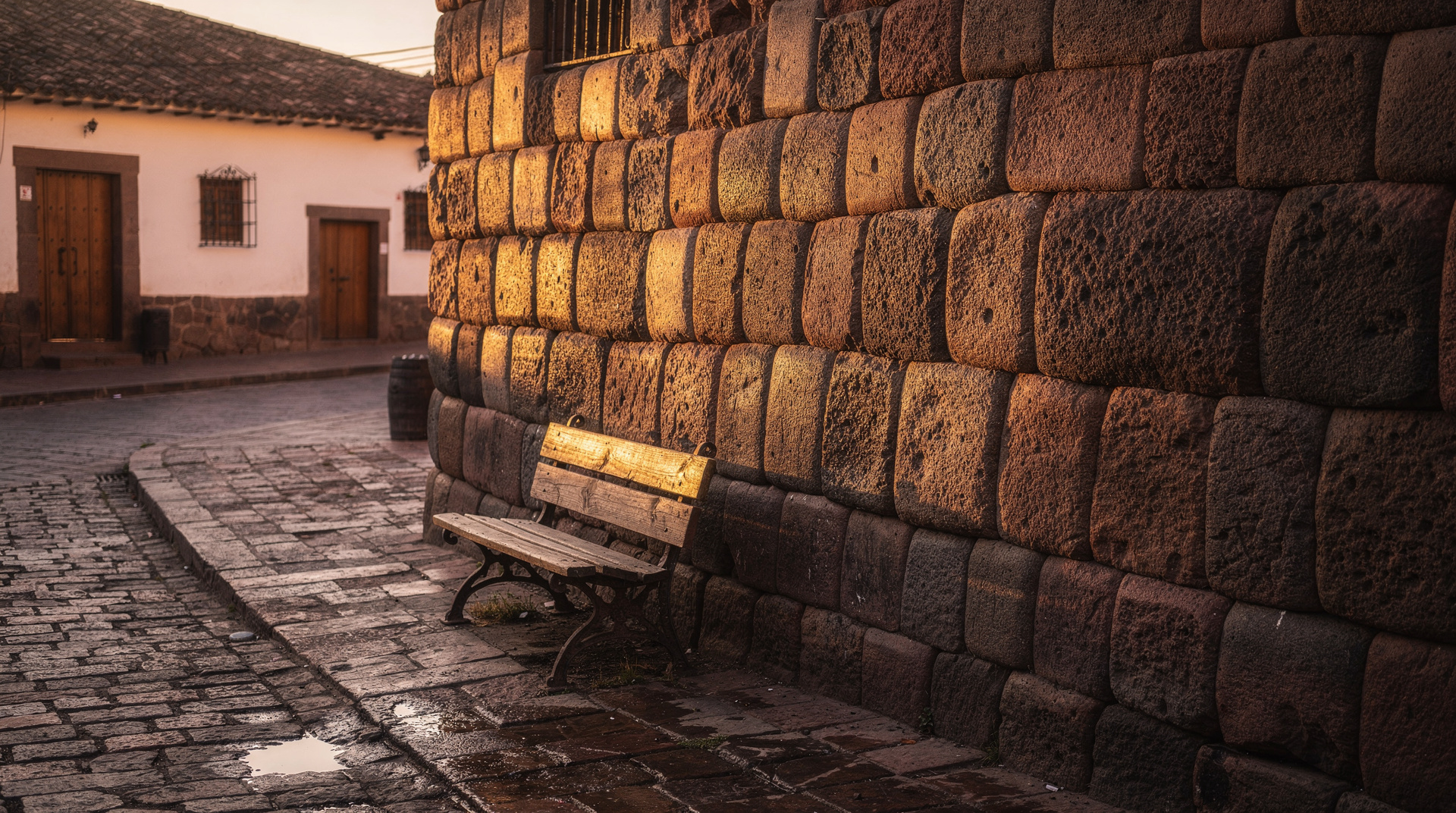
The stones are polygonal (many-sided) rather than rectangular, fitted in a system that distributes seismic force across the joints — Cusco sits in an earthquake-prone zone, and Inca polygonal masonry has proven dramatically more earthquake-resistant than the Spanish rectangular masonry built on top of it. The 1950 earthquake collapsed much of colonial Cusco’s Spanish-built structures while the Inca walls survived essentially intact.
Your guide at Sacsayhuamán will cover these points — the key is to ask follow-up questions. Good licensed guides on the Cusco half-day tour have genuine depth on the construction engineering that goes beyond the stock explanation; the site rewards curiosity.
The Qorikancha-focused alternative
The Qorikancha-focused city tour reverses the emphasis — beginning with the Temple of the Sun and the historic centre before visiting Sacsayhuamán and Qenqo. Some operators run this as a morning tour that pairs better with afternoon free time in Cusco’s San Blas neighbourhood. For travellers with strong interest in colonial history and the overlay of Spanish and Inca civilisations, this format often works better than the outer-sites-first approach.
Both formats cover broadly the same ground. The key question is what you want to prioritise with your guide’s attention. For pure Inca history and archaeology, the standard half-day tour with Sacsayhuamán first is correct. For the layered colonial-on-Inca history, the Qorikancha-first format is more logical.
Who this tour suits
The city tour is appropriate for any first-time visitor to Cusco who wants historical context before heading to Machu Picchu or the Sacred Valley. It is physically low-intensity — minimal walking, mostly by vehicle between sites — and is manageable from Day 2 onward for most acclimatised visitors. The Sacsayhuamán walk involves some uphill at altitude, but it is short.
It is the right format for older visitors, those with mobility limitations, and families with children who would struggle with a full trekking day. Children in particular respond well to the Sacsayhuamán zigzag walls (the scale is genuinely impressive) and the Tambomachay water system.
Honest pros and cons
Pros: Efficiently combines five major sites in a half-day. Licensed guide transforms the experience from sightseeing into understanding. Sacsayhuamán alone justifies the tour. Works as acclimatisation activity on Day 2 without requiring significant physical exertion. Morning timing (before 1 pm) avoids the heaviest afternoon tour bus traffic at Sacsayhuamán.
Cons: The three outer sites beyond Sacsayhuamán (Qenqo, Puca Pucara, Tambomachay) can feel rushed on a fast-paced tour. Some budget operators use inadequately trained guides who cannot answer specific questions about Inca construction and history. Qorikancha entry is sometimes omitted from the half-day price — check before booking. Large group bus tours (30+ passengers) reduce the interpretive quality and take longer to move between sites.
How the Boleto Turístico works with this tour
The Boleto Turístico is Cusco’s official city tourist pass, administered by COSITUC. It comes in three circuits and various partial options. The circuit most relevant to the city tour is the historic circuit covering the four outer archaeological sites (Sacsayhuamán, Qenqo, Puca Pukara, Tambomachay) — this Circuit I partial costs S/70 for foreign adults.
Fees and opening hours for the Qorikancha (Santo Domingo convent) should be checked on the official Qorikancha website. The colonial church portion of the Santo Domingo convent wrapping the Inca temple has its own admission arrangement — check with your operator whether a combined Qorikancha visit is included or additional.
If you are planning to also visit Pisac ruins and Ollantaytambo fortress on a Sacred Valley day, the Valle Sagrado partial circuit (approximately S/70) covers those two sites but not the city sites. The full 16-site Boleto Turístico (approximately S/130) covers all of the above and several further valley sites and is the best value if you are spending five or more days actively visiting Inca sites. The Boleto Turístico guide calculates whether the full pass or specific circuits represent better value for different itineraries.
The historic centre beyond the tour
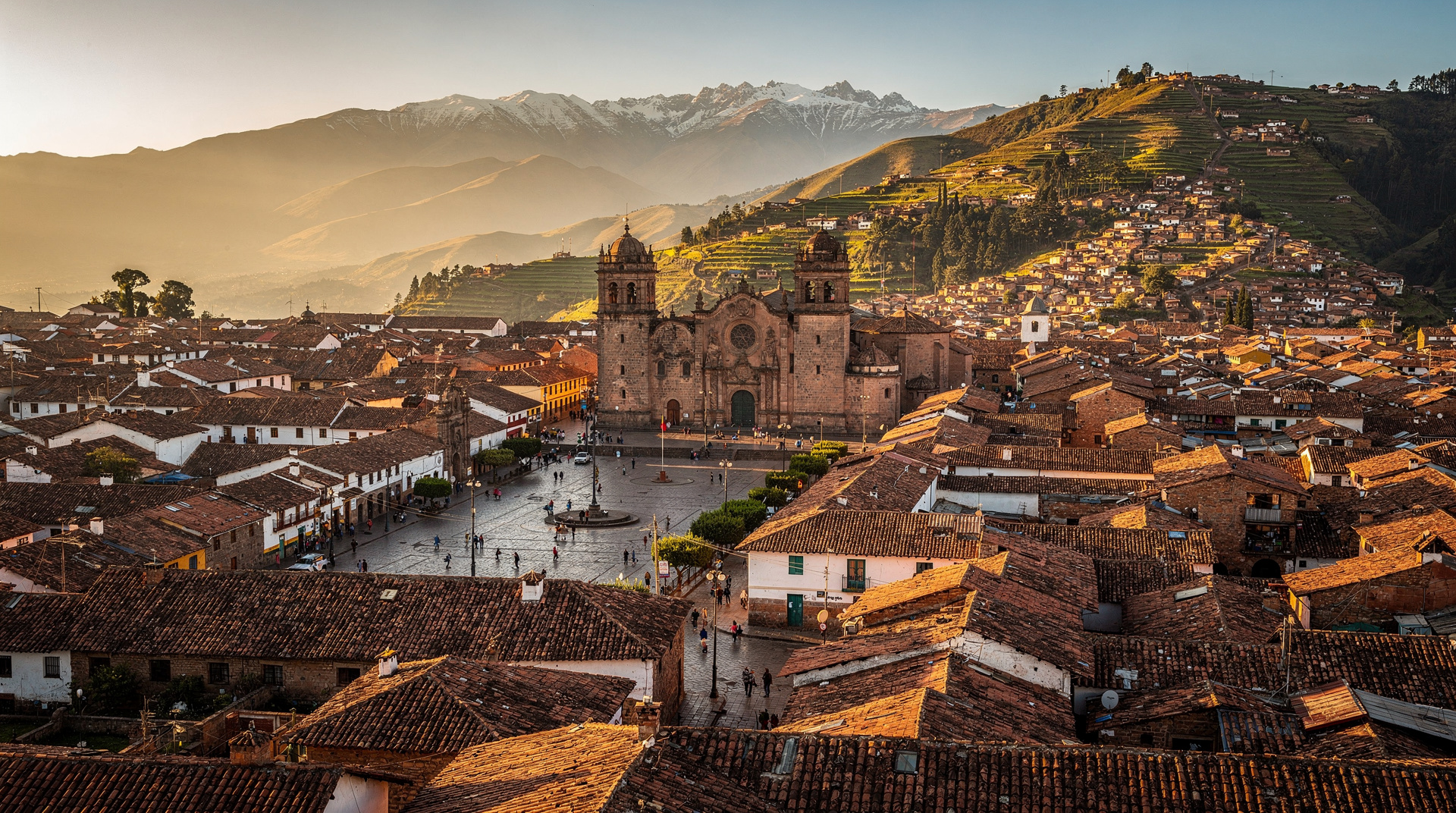
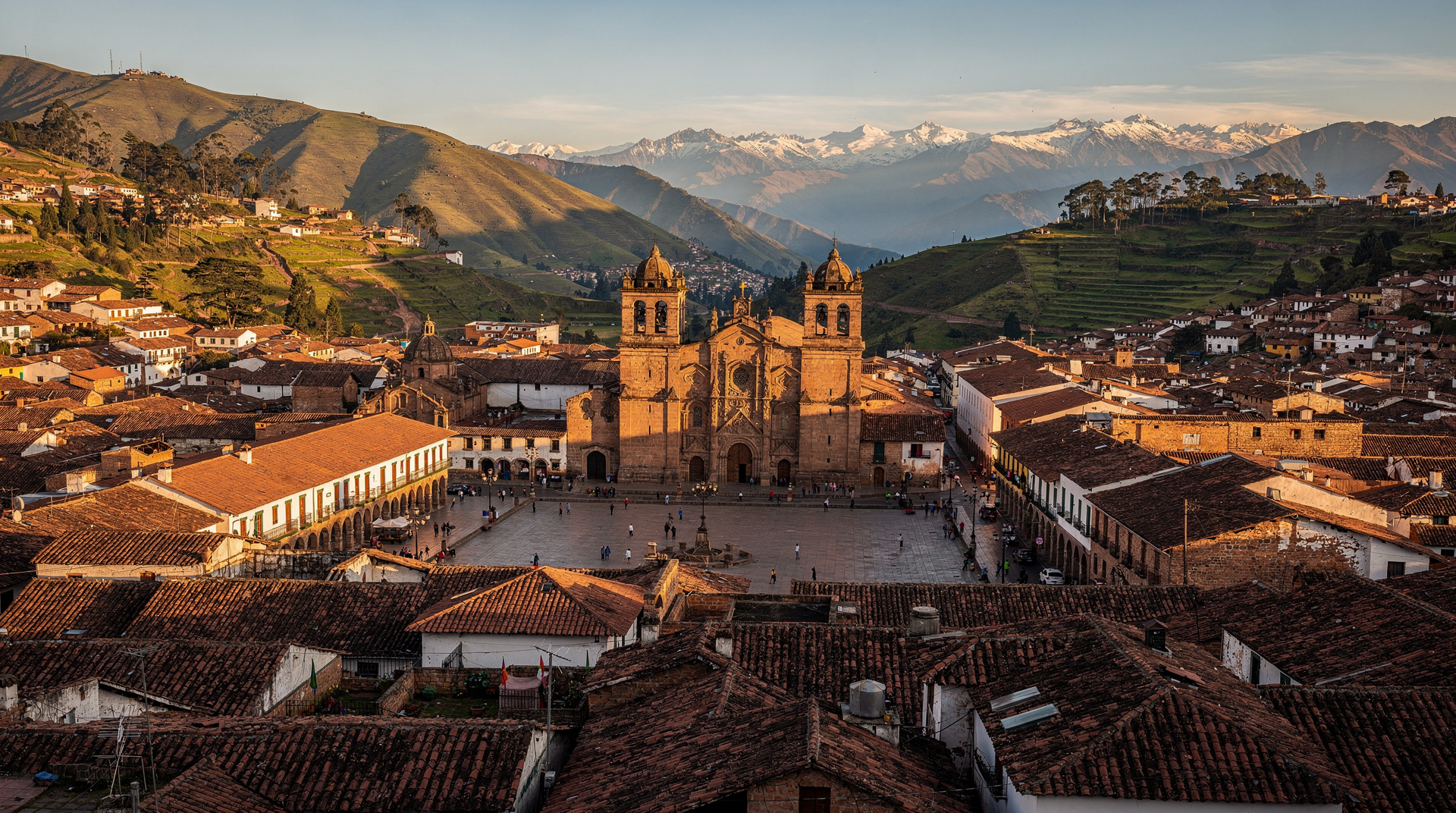
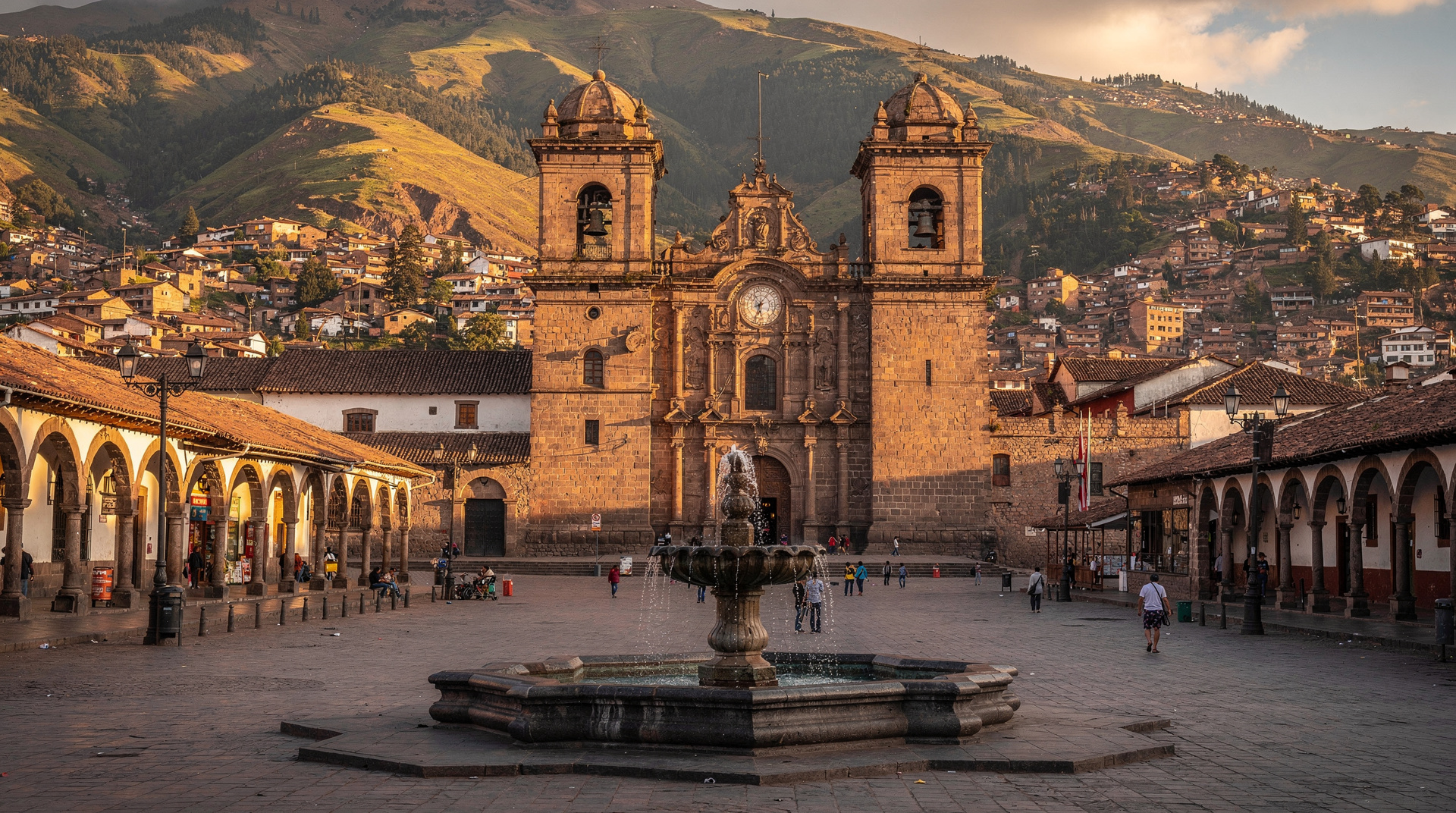
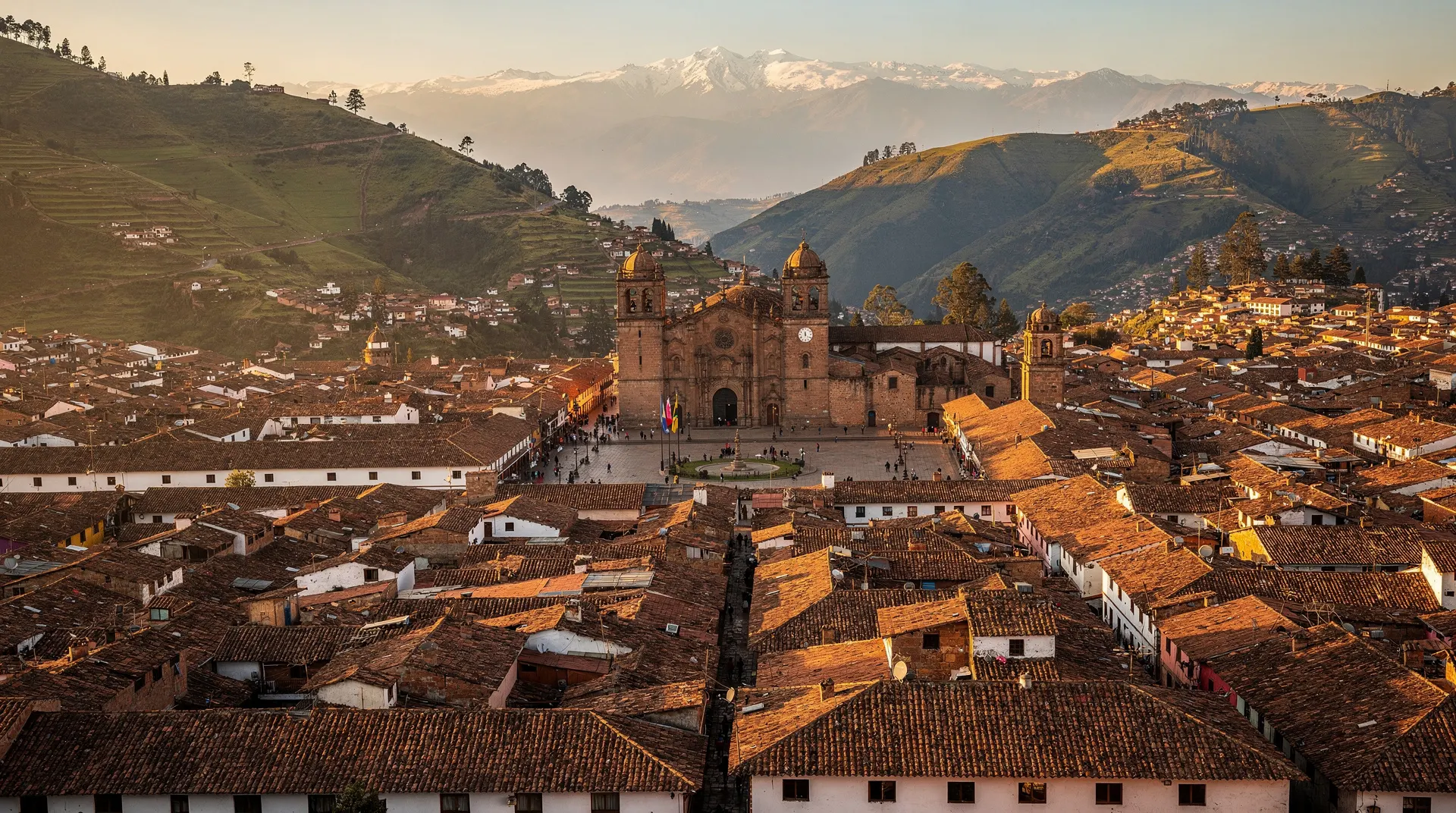
The city tour ends at or near the historic centre, leaving the afternoon for independent exploration. The neighbourhood of San Blas — uphill from the Plaza de Armas through narrow colonial lanes — is the artisan district, with working ceramic, textile and jewellery workshops and the carved San Blas pulpit (the most intricate piece of colonial wooden carving in Peru, inside the tiny San Blas church). The walk from Plaza de Armas to San Blas takes 15–20 minutes uphill; it is the best afternoon walk in Cusco.
The historic centre itself rewards an hour of wandering: the Jesuit La Compañía church (built over an Inca palace), the covered Plaza Regocijo, and the colonial arcades around the main plaza all have their own layers of Inca-on-colonial architectural history. The Qorikancha guide and the Sacsayhuamán guide give the detailed context for each site; reading them before the tour makes the guide’s explanations land with more impact.
Inti Raymi week: a specific note
If you are visiting Cusco in the third week of June, the city tour has an additional dimension. Inti Raymi — the Inca sun festival — takes place on 24 June with a ceremonial at Qorikancha in the morning and the main performance at Sacsayhuamán’s Esplanade in the afternoon. Sacsayhuamán on this date hosts thousands of visitors and the reconstructed Inca ceremony is visually spectacular.
Tickets to the Sacsayhuamán ceremony (as opposed to general admission) are sold separately and in advance. The crowd level on 24 June and the surrounding days makes a morning city tour visit much better than an afternoon one — arrive before 9:00 am to have any meaningful time at the main walls before the main ceremony crowds arrive. See the Inti Raymi festival guide for the full programme.
Comparing the two circuit orders
| Standard (Sacsayhuamán first) | Qorikancha-focused | |
|---|---|---|
| Emphasis | Pure Inca military/ceremonial architecture | Layered colonial-on-Inca history |
| Typical start | Outer sites, city centre last | Historic centre first, outer sites after |
| Best paired with | Afternoon free in San Blas | Morning start before crowds at Qorikancha |
| Right for | First-time visitors wanting archaeology | Travellers focused on colonial overlay |
Getting around the outer sites without a tour
Independent travellers sometimes ask whether the four outer sites can be visited without a guide, and whether it is worth the effort of arranging your own transport rather than joining a group. Physically, yes: a taxi from central Cusco to Tambomachay (the furthest site) costs around S/25–35, and you can walk downhill between the sites — Tambomachay to Puca Pucara to Qenqo to Sacsayhuamán — finishing with the walk back into town through San Cristóbal.
The Boleto Turístico partial circuit ticket must still be purchased in advance from the COSITUC office or one of the main sites. What you lose without a guide is the interpretive layer: the astronomical alignments at Sacsayhuamán, the ceremonial function of Qenqo’s carved altar, and the historical context connecting the sites to the wider Inca road network are not signposted on-site in any detail. For a first Cusco visit, a guided tour is worth the modest premium; for a return visit focused on quiet photography, the independent walking route works well.
Photographing the sites well
Sacsayhuamán photographs best in the first two hours after the site opens (around 7:00 am), when low-angle light rakes across the zigzag ramparts and highlights the polygonal joints far more clearly than the flat overhead light of midday. The Esplanade below the main walls gives the widest framing of the full rampart line, while standing directly at the wall lets you photograph the scale of the largest blocks against a person for reference.
Tambomachay’s water channels photograph well at any time of day thanks to the shade from the surrounding rock face, but avoid the midday crowd window (10:00 am–noon) if you want the shrine without other visitors in frame. At the Qorikancha, the curved Inca wall in the inner courtyard is best captured from the garden level looking up, which shows the contrast between the cut-stone Inca base and the Spanish colonial masonry above it most clearly.
Booking and timing tips
Book the tour for Day 2 or Day 3 of your Cusco stay, not Day 1. Altitude affects mental clarity as well as physical capacity — a guide explaining Inca astronomy to an altitude-impaired visitor is wasted on both parties. Morning departures (7:00–8:00 am) reach Sacsayhuamán before the mid-morning tour bus peak; Inti Raymi week (third week of June) sees Sacsayhuamán at its most crowded but also its most atmospheric.
Combine the city tour with a visit to San Blas in the afternoon — the artisan workshops and the carved San Blas pulpit (the most elaborate wooden sculpture in colonial Peru) are a natural continuation of the historic centre theme.
Pricing reference (2026)
Half-day city tour (transport, guide, partial Boleto Turístico): S/90–160 ($26–46) per person. Qorikancha entry: check current fees on the official Qorikancha website. Boleto Turístico full 16-site pass: approximately S/130 ($37). Boleto Turístico Valle Sagrado partial circuit (if combining with Sacred Valley tour): approximately S/70. Premium small-group half-day: S/160–280 (~$46–80).
Verdict
The Cusco half-day city tour is not a throwaway warm-up activity — done well, with a knowledgeable guide and a morning start, it is one of the most intellectually rich half-days you will spend in Peru. Sacsayhuamán and the Qorikancha together cover the full arc of Inca civilisation and its encounter with Spanish colonialism in concrete, walk-around terms. Book a small-group product, confirm the Qorikancha is included, and read the Sacsayhuamán guide and Qorikancha guide before you arrive.