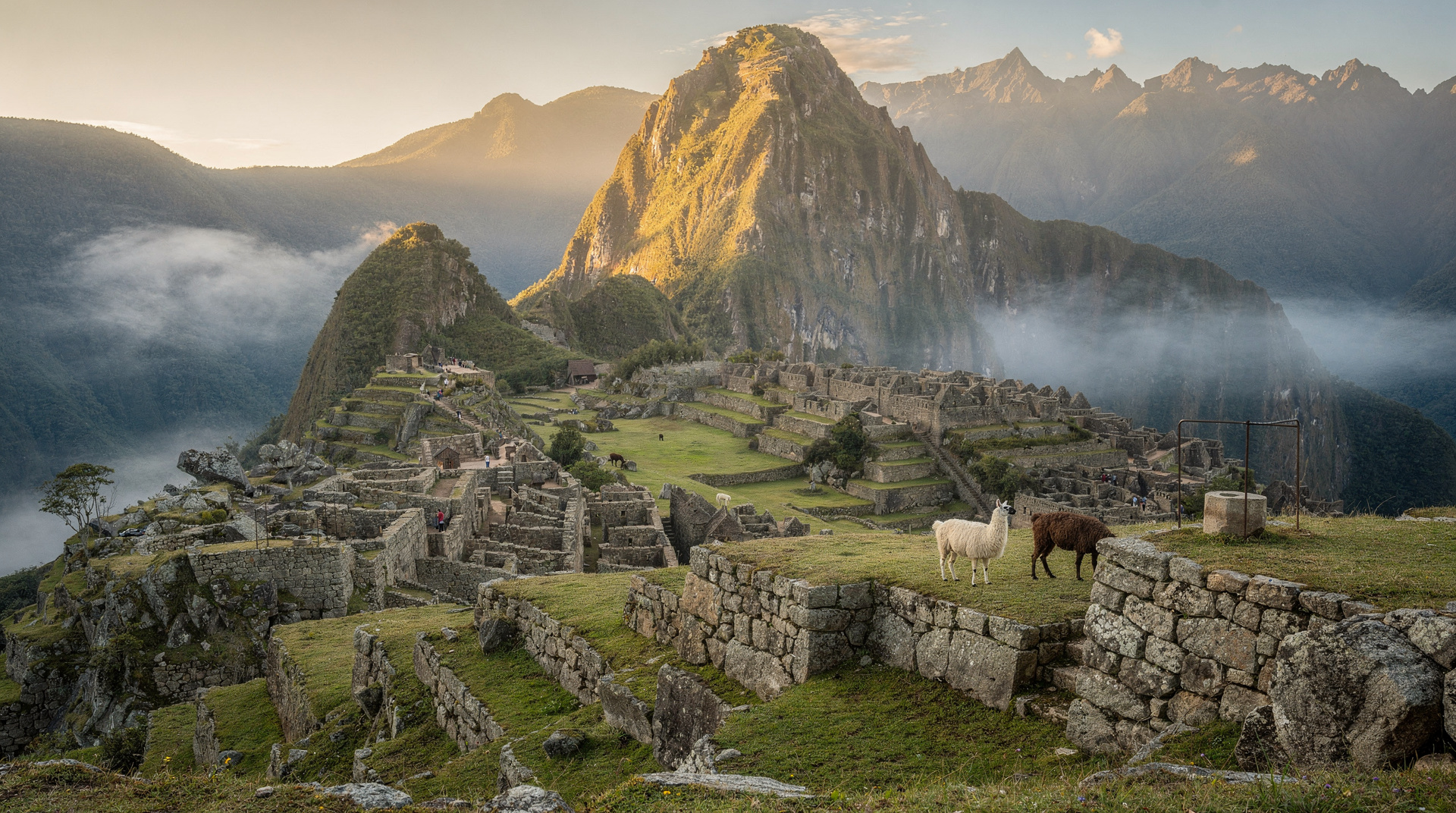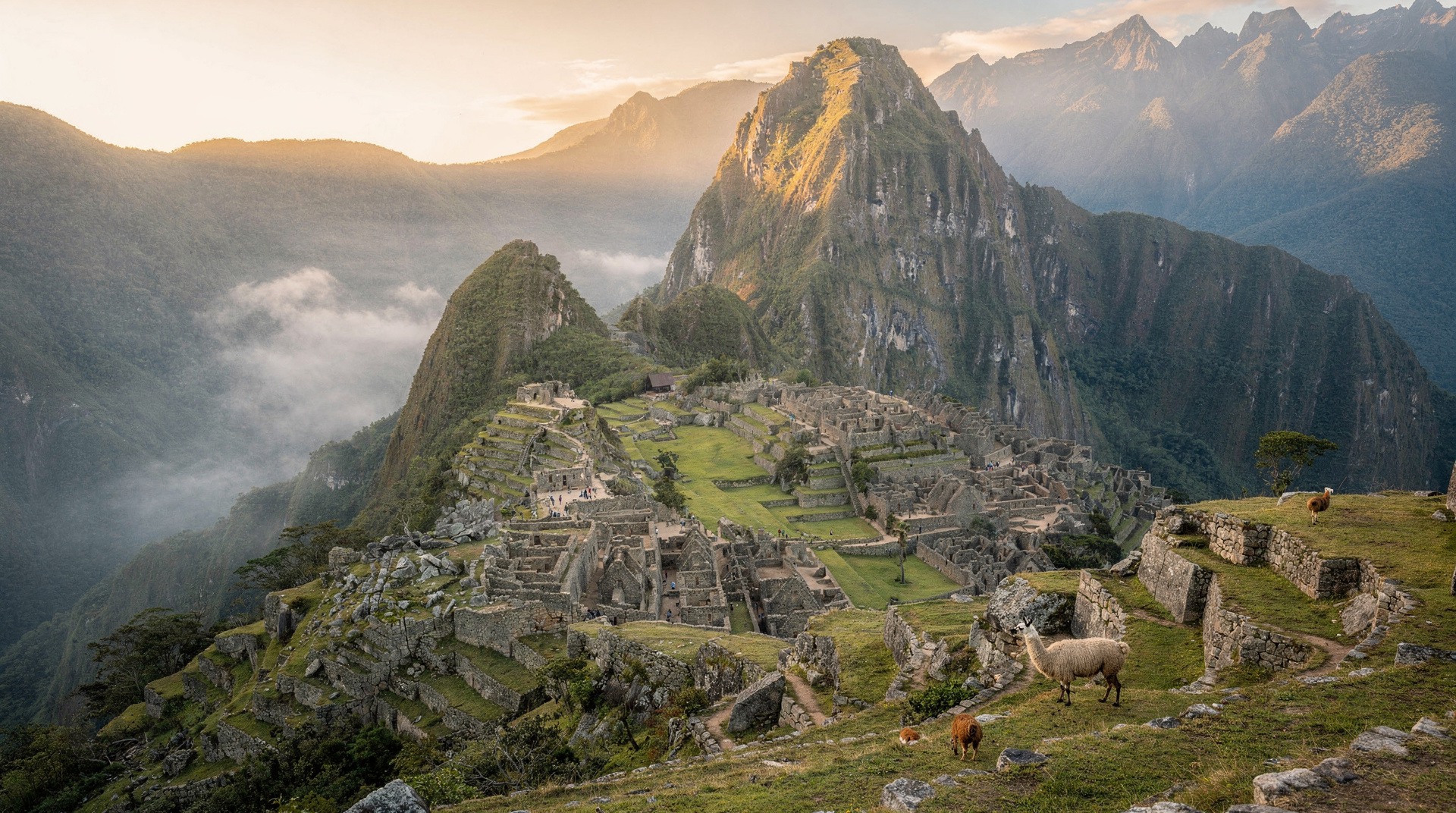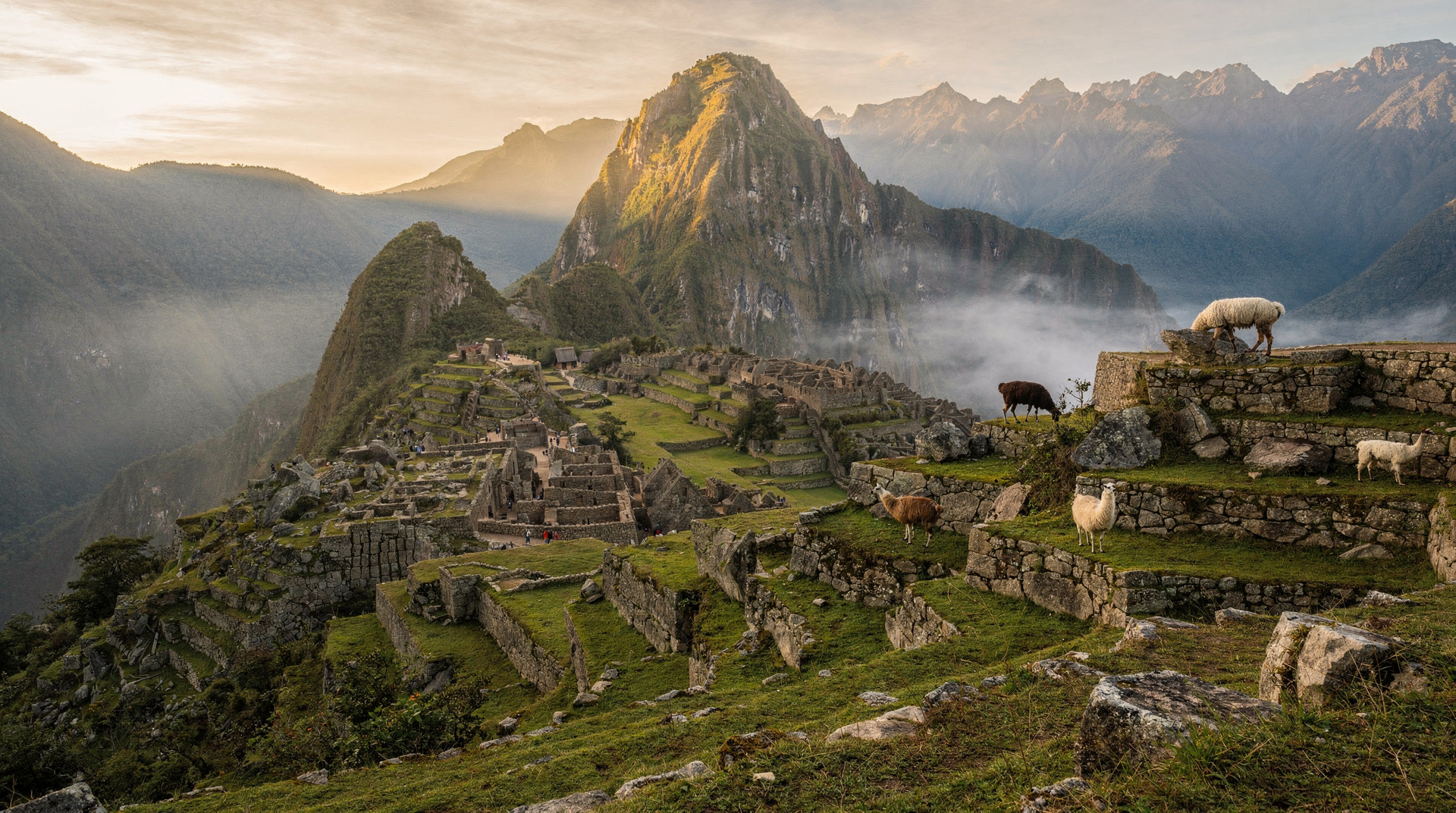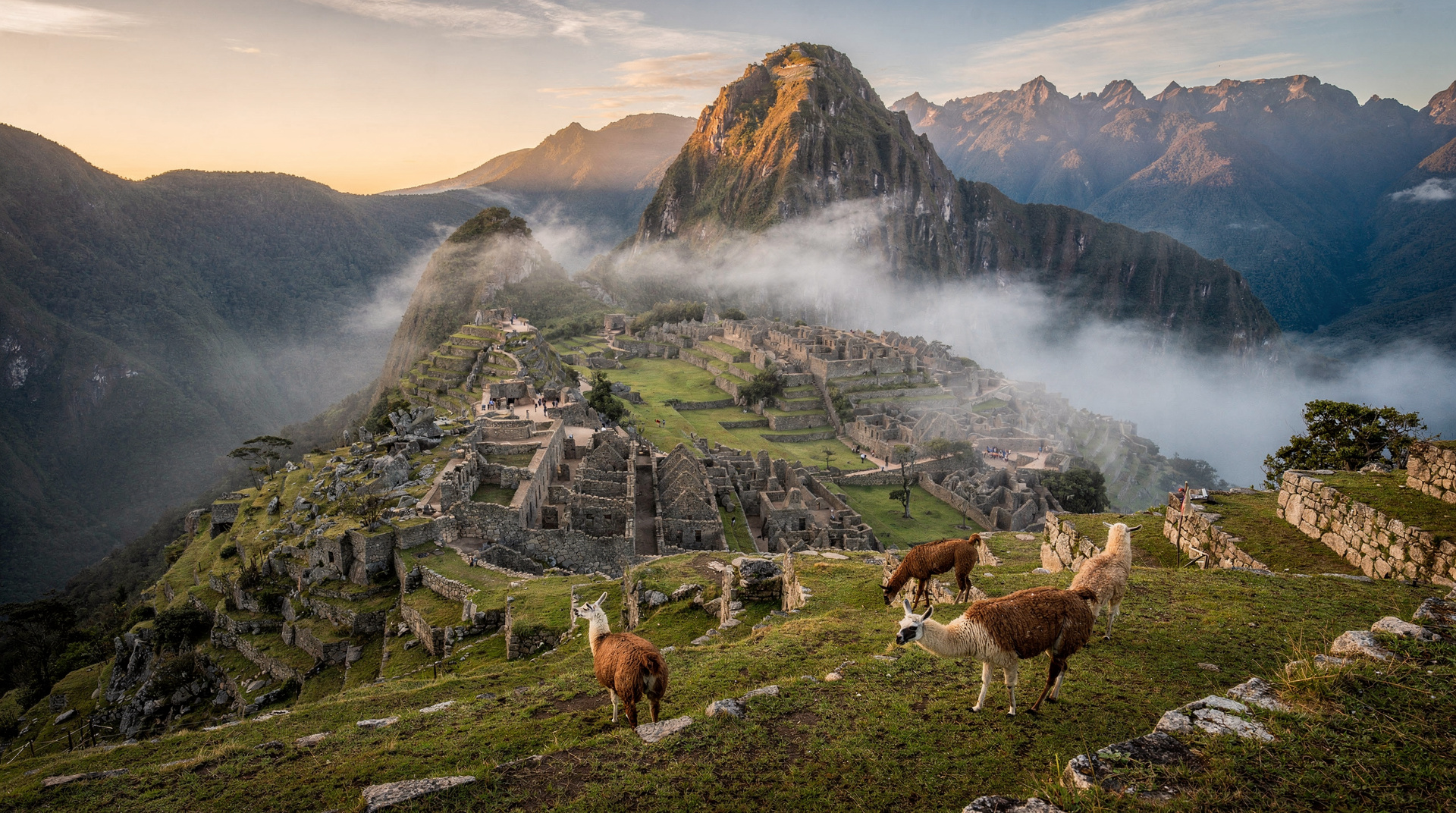
Machu Picchu on a budget: 2-day itinerary via Hidroeléctrica
From Cusco: Machu Picchu 2-Day Budget Tour by Car
The honest budget route to Machu Picchu
The train to Machu Picchu is beautiful. It is also the single biggest expense in most Cusco trips. A round-trip ticket on PeruRail or Inca Rail costs $60–110 USD per person depending on the service — before you have paid for the entrance ticket, the bus up to the citadel, or a single night in Aguas Calientes. For independent travellers watching their budget, the Hidroeléctrica route cuts that cost dramatically and adds a genuinely satisfying 3-kilometre walk through the cloud forest as a bonus.
This two-day itinerary is designed around that cheaper overland route. You travel from Cusco by minivan or shared car to the Hidroeléctrica hydroelectric station, walk the flat track alongside the railway line to Aguas Calientes, spend the night, visit the citadel the following morning, and return the same way. Total transport cost for the overland leg: roughly S/80–120 per person (around $22–32 USD) versus S/220–400 for the train. The walk itself is easy, flat, and takes about 90 minutes — it is not a trek, just a pleasant rail-side path through jungle.
The trade-offs are worth naming honestly. The journey from Cusco to Hidroeléctrica takes 4.5–5.5 hours on a winding mountain road. Some stretches are slow and dusty, particularly around the Santa Teresa–Hidroeléctrica section. If you suffer from car sickness, prepare accordingly. The return trip on day two is the same road in reverse, adding another half day of travel. But if your budget is tight and your tolerance for overland travel is reasonable, this route is entirely legitimate — thousands of travellers use it every month.
Altitude note: Aguas Calientes sits at 2,040 m and the citadel at 2,430–2,700 m. This itinerary assumes you have already spent at least one night in the Sacred Valley or Cusco before attempting this route. Do not come directly from Cusco Airport to Machu Picchu on day one; you need at least 24 hours of altitude adjustment first.
Machu Picchu tickets: Book your entrance ticket from tuboleto.cultura.pe before you leave Cusco — ideally at least two weeks in advance in high season (June–August). Choose your timed circuit (Circuit 1, 2 or 3) and ensure the name matches your passport. The citadel entrance costs S/152 per adult (approximately $41 USD). Do not purchase from any third party; see avoiding fake Machu Picchu tickets for the risks.
| Where | Hidroeléctrica overland route + Aguas Calientes (1 night) |
| Cost | around S/544–734 ($146–198) per person |
| Time needed | 2 days minimum, after at least 1 night of prior acclimatisation |
| Getting there | Shared minivan from Cusco to Hidroeléctrica (4.5–5.5 hrs), then a 90-min walk |
| Best time | Dry season (May–September) for the clearest trail conditions |
Who this route actually suits
The Hidroeléctrica route is a genuine money-saver, but it is not automatically the right choice for everyone. It suits independent travellers and backpackers comfortable with a long, occasionally bumpy road journey in exchange for a real saving of S/220–300 per person. It is a poor fit for anyone with limited time (the train-based 4-day itinerary is far more time-efficient), significant motion sickness, or travelling with young children or elderly companions who would find the 4.5–5.5 hour road journey each way genuinely uncomfortable.
Day 1: Cusco — Hidroeléctrica — Aguas Calientes
Altitude range: 3,400 m (Cusco) descending to 2,040 m (Aguas Calientes)
Depart Cusco early — most shared minivans leave from the Santiago bus terminal area or from agencies near the Plaza de Armas between 5 a.m. and 8 a.m. The earlier you leave, the more of day one you will have in Aguas Calientes. The budget car and entrance package covers the shared transport and often the Machu Picchu ticket in one booking — worth comparing against booking each element separately.
Some operators sell the same overland route as a fixed 2-day Machu Picchu budget tour by minivan instead, bundling transport, one night in Aguas Calientes and the entrance ticket — worth checking against the option above for exact inclusions and price.
The route from Cusco passes through Limatambo, Mollepata, and Santa Teresa. The Santa Teresa section winds through dramatic mountain scenery; the last stretch to Hidroeléctrica is unpaved and slow. Budget 4.5–5.5 hours door to door, including a brief stop in Santa Teresa for refreshments.
At Hidroeléctrica, the minivan drops you at the small station near the hydroelectric plant. You walk from here — the path runs alongside the train track and is flat, straightforward, and passes through genuine cloud forest. Give it 90 minutes at a comfortable pace. The track ends at the back end of Aguas Calientes. There is no admission charge for the walk, though drivers may tell you otherwise to push the taxi service — ignore them.
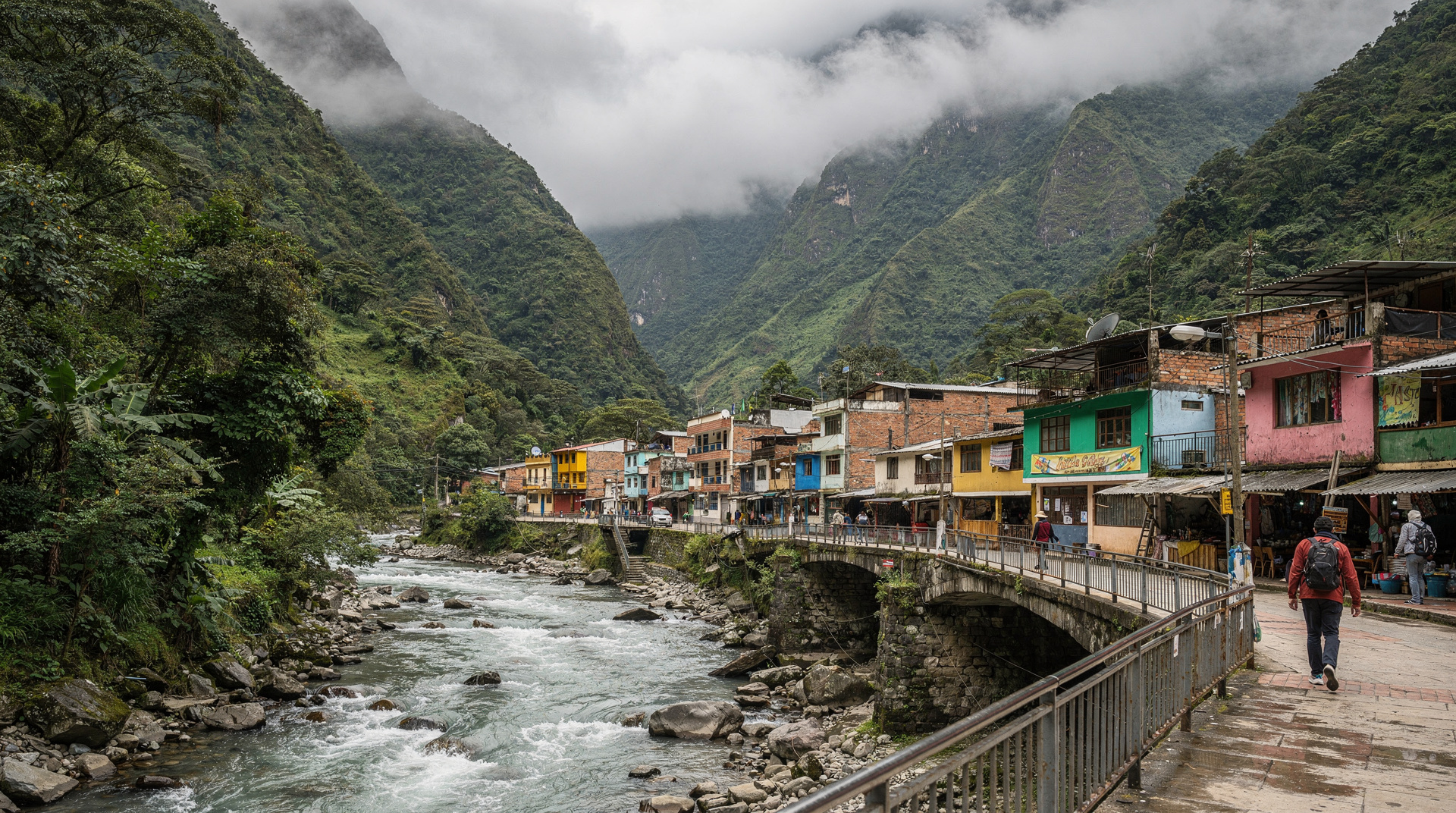
Aguas Calientes is a small town squeezed into a river gorge, with a single main pedestrianised street (Avenida Imperio de los Incas) lined with restaurants. It is functional rather than charming; most budget options are a short walk from the train station. Prices here are higher than Cusco for everything — this is a captive-tourist economy, and there is no getting around it.
Spend the afternoon at the Jardín Mariposas (butterfly garden, S/10) or simply rest beside the Aguas Calientes river. Buy your bus ticket for tomorrow morning at the official Consettur kiosk on the main avenue (S/72 return, or $19 USD — note there is no way to avoid this charge, and the bus is the only practical way up unless you walk 45 steep minutes). Confirm your Machu Picchu timed circuit and entry time on your ticket. Eat dinner early; the set menus at restaurants one block back from the main avenue are S/30–50 and significantly cheaper than the avenue-facing places.
Where to stay: Hostel dorm beds in Aguas Calientes run S/40–70 per person. Supertramp Hostel and Pirwa are consistently reliable budget options. Private rooms start around S/120–180. Aguas Calientes is expensive for what you get; this is the unavoidable cost of sleeping at the base of Machu Picchu.
Day 2: Machu Picchu — return to Cusco
Altitude range: 2,040 m (Aguas Calientes) — 2,430–2,700 m (citadel)
Wake by 5 a.m. The first buses leave from around 5:30 a.m. The queue forms early — if you have the first entry slot (6 a.m.), aim to be on the second or third bus. The ride takes 25–30 minutes on a steep switchback road.
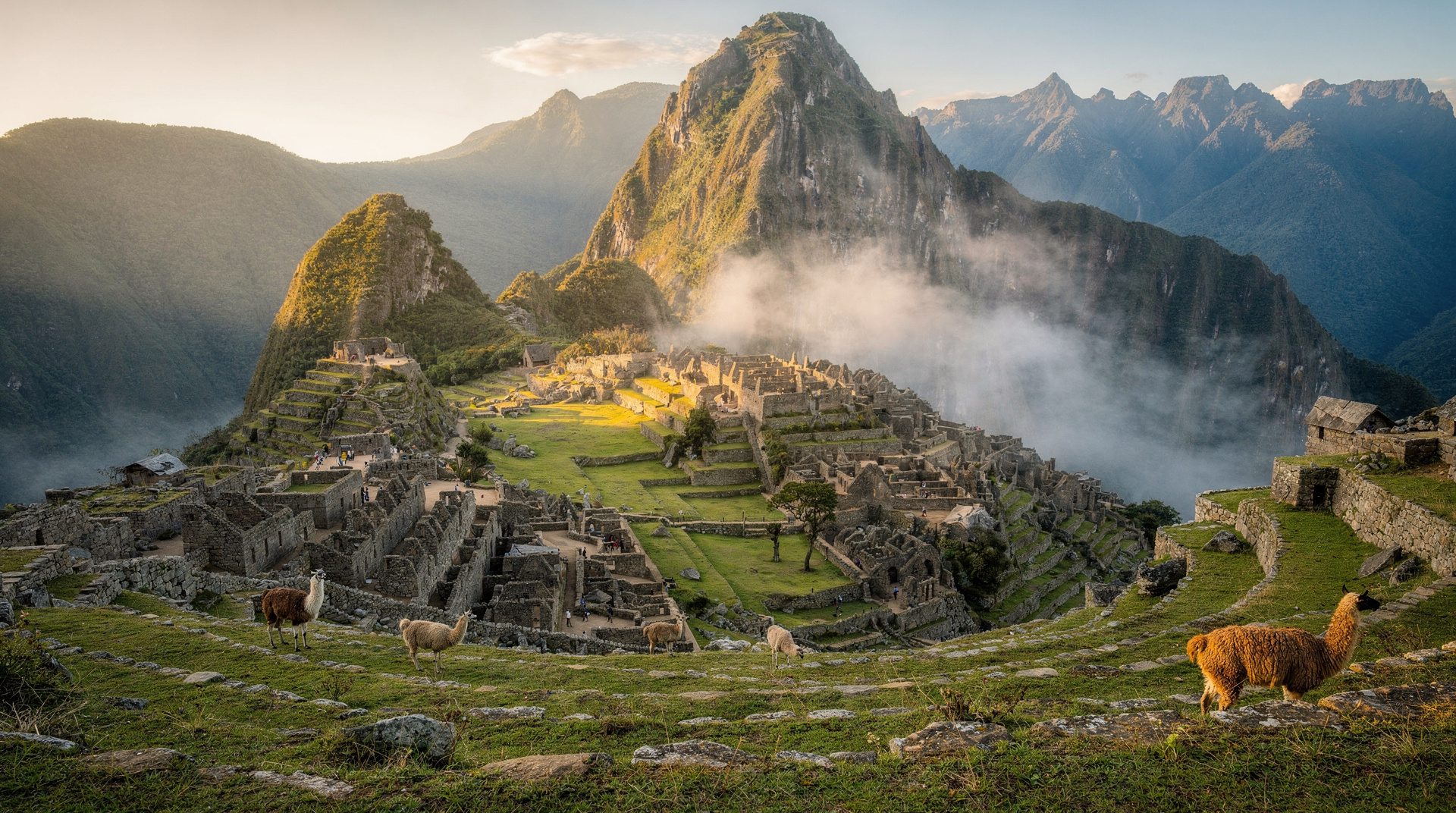
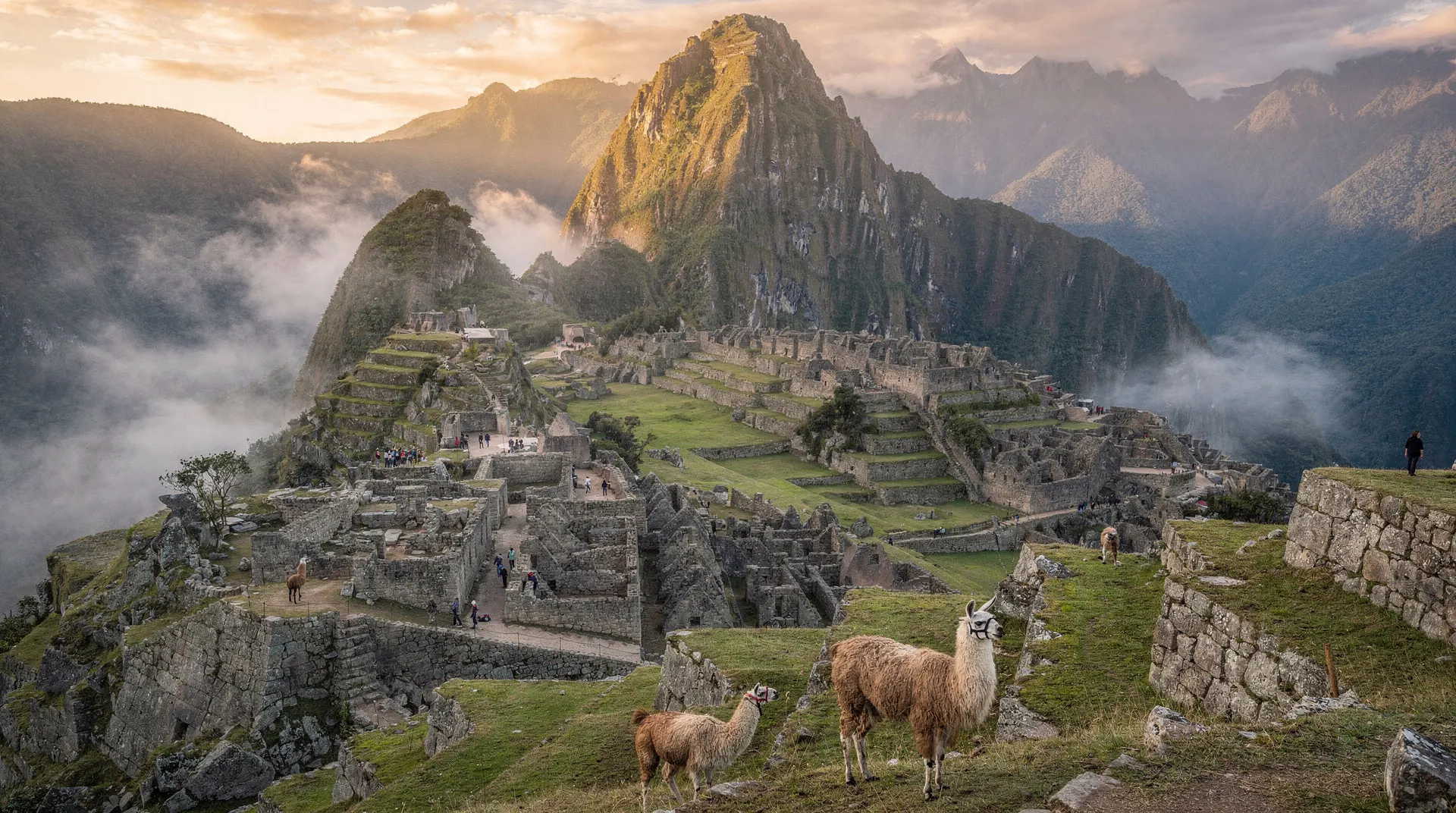
At the citadel gate, present your printed or digital ticket (the name must match your passport exactly; there are no exceptions). Your timed entry circuit determines where you begin. Circuit 2 (Clásico) is the one that walks through the urban sector — the Temple of the Sun viewpoint, the Intihuatana pyramid, the Sacred Rock and the Temple of the Condor. Circuit 1 (Panorámico) stays on the upper parts of the site and does not enter the urban sector. There are three circuits in total; check the official Machu Picchu site for the details of each route. Allow two to three hours minimum inside the citadel; most visitors spend three to four. Bring water and a snack — there is no food inside, and the café at the entrance charges extraordinary prices.
If you want interpretation rather than a self-guided wander, the guided experience option pairs you with a bilingual guide for the full circuit. Guides cannot be hired spontaneously inside the gate; all guided options must be pre-booked.
By midday, make your way back down on the bus. Have lunch in Aguas Calientes and check out of your hostel. Aim to be at the Hidroeléctrica trailhead start by 1:30–2 p.m. at the latest if you want to reach the vehicle collection point before dark. Shared minivans back to Cusco typically depart Hidroeléctrica between 1 p.m. and 4 p.m. depending on demand. The return drive to Cusco takes 4.5–5 hours; you will arrive back in the city by early to mid evening.
If you have time in the morning before departure: The Aguas Calientes hot springs (Termas Municipales) open at 5 a.m. and cost S/15. They are warm pools rather than proper hot springs — modest in quality — but a soak after the citadel walk is genuinely pleasant. They are on the road above the town, about 10 minutes on foot.
Budget breakdown
| Item | Cost (S/) | Cost (USD approx.) |
|---|---|---|
| Cusco–Hidroeléctrica shared transport (return) | 160–240 | $43–65 |
| Walk Hidroeléctrica–Aguas Calientes | 0 | 0 |
| Aguas Calientes bus (return) | 72 | $19 |
| Machu Picchu entrance | 152 | $41 |
| Hostel dorm (1 night) | 40–70 | $11–19 |
| Meals (2 days) | 120–200 | $32–54 |
| Total per person | 544–734 | $146–198 |
Compare this with the train-based equivalent — the train alone adds roughly S/220–400 return — and the saving is S/220–300 per person without sacrificing any time at the citadel itself.
Practical notes
Who should avoid this route: Travellers with significant motion sickness, those with very limited time, anyone travelling with young children or elderly companions who may find the long road journey difficult. In those cases, the train and entrance combination is the more comfortable choice.
Rainy season (November–March): The Santa Teresa–Hidroeléctrica road is partially unpaved and can be affected by rain, landslides, and closures. Check conditions locally before booking, and have a backup plan (train) in mind during the wettest months, particularly January and February.
February closure: The Inca Trail closes throughout February for maintenance. This budget route remains open in February, though the road conditions are at their worst. The citadel itself stays open year-round.
Guided vs self-guided: The citadel since 2024 requires tourists to follow the marked timed circuits — you are not free to wander anywhere. A guide helps enormously with context but is not logistically mandatory. See which Machu Picchu circuit to choose before deciding.
Combining with more days: Two days is the minimum for this route. If you have an extra day, consider sleeping two nights in Aguas Calientes and visiting the Circuit 3 early morning on the first day and Circuit 2 on the second — the citadel genuinely rewards a second visit in different light. The full 4-day itinerary integrates Machu Picchu into a broader trip with the Sacred Valley.
Understanding Aguas Calientes
Aguas Calientes deserves a brief honest note. It is a town that exists entirely because of Machu Picchu. Before the train line, it was a small community of railway workers; today it is a dense grid of hostels, restaurants, and souvenir shops compressed into the narrow gorge where the Aguas Calientes and Urubamba rivers meet. It is not a destination in itself — it is a base for the citadel, and its prices reflect the captive audience.
A few things worth knowing: the main pedestrianised avenue (Avenida Imperio de los Incas) is lined with restaurants almost entirely aimed at tourists, and prices are high relative to quality. The better-value eating is on the parallel streets — particularly Calle Raimondi — where Peruvian families and workers eat set lunches for S/20–30. The Aguas Calientes guide covers eating, staying, and orientation in more detail.
The hot springs (Termas Municipales) on the road above town open daily from 5 a.m. They cost S/15 and are warm rather than hot — geothermal activity here is modest. The pools are functional and popular with trekkers, but expectations of a luxury spa should be set aside. Worth the S/15 and 20-minute walk if you have time.
The market area behind the railway station is the cheapest place to buy water and snacks for the citadel visit. Stock up here rather than at the bus-station kiosks, which charge double. A 1-litre bottle of water inside the Machu Picchu site costs S/8–10 if you find it at the café near the entrance; bring your own.
Comparing routes to Machu Picchu
| Route | Cost per person | Travel time each way | Best for |
|---|---|---|---|
| Hidroeléctrica overland + walk | S/544–734 total | 4.5–5.5 hrs road + 90 min walk | Budget travellers, comfortable with a long road day |
| Train (Ollantaytambo–Aguas Calientes) | Adds S/220–400 to the trip | ~90 min by rail | Most travellers, especially with limited time |
| Classic Inca Trail (4 days) | $650–1,150 total | 4 days trekking | Trekkers wanting the Sun Gate arrival |
For most travellers the train remains the simpler and faster option; the Hidroeléctrica route exists specifically for those prioritising cost over convenience and time.
The Hidroeléctrica walk — what nobody tells you
The 3-kilometre flat walk from Hidroeléctrica to Aguas Calientes is described in most resources as a simple, pleasant 90-minute stroll through cloud forest alongside the railway track. That description is accurate in the dry season (May–September). In the wet season, the picture changes.
Heavy rain turns the embankment path muddy and occasionally causes minor washouts. The path is not technical, but you may be walking through ankle-deep mud for stretches in January or February. Bring waterproof shoes or pack extra socks. The train will not stop to let you board between Hidroeléctrica and Aguas Calientes; you walk the full distance regardless of conditions.
The other thing not widely mentioned: there is no food or water on the walk between Hidroeléctrica and Aguas Calientes. Fill your water bottle at the small shops near the Hidroeléctrica car park and carry snacks. The walk takes 80–100 minutes at a comfortable pace and the cloud forest is genuinely beautiful on a clear day — birdlife is rich, including various hummingbird species and, in season, cock-of-the-rock. Binoculars are worth carrying.
Logistics tip: the vehicles from Cusco typically arrive at Hidroeléctrica between 10 a.m. and 1 p.m. depending on departure time. Walking in the late morning gives the best light for birdwatching and avoids the heaviest heat. Arriving in Aguas Calientes by early afternoon leaves time to sort accommodation, buy bus tickets for tomorrow, and explore the town before a reasonable dinner time.
Frequently asked questions about Machu Picchu on a budget
Is the Hidroeléctrica route safe and legitimate? Yes — it is a well-established overland alternative used by thousands of travellers monthly, not a shortcut or workaround. The walk itself is flat and non-technical; the main trade-off is the long road journey (4.5–5.5 hours each way), not any safety concern at the site.
Do I need any prior acclimatisation before this route? Yes. Do not travel straight from Cusco Airport to Hidroeléctrica on the same day. Spend at least one night in the Sacred Valley or Cusco first — see the altitude sickness in Cusco guide for why this matters even though Aguas Calientes itself sits at a comparatively low 2,040 m.
Top experiences
Bookable activities with verified prices and instant confirmation on GetYourGuide.