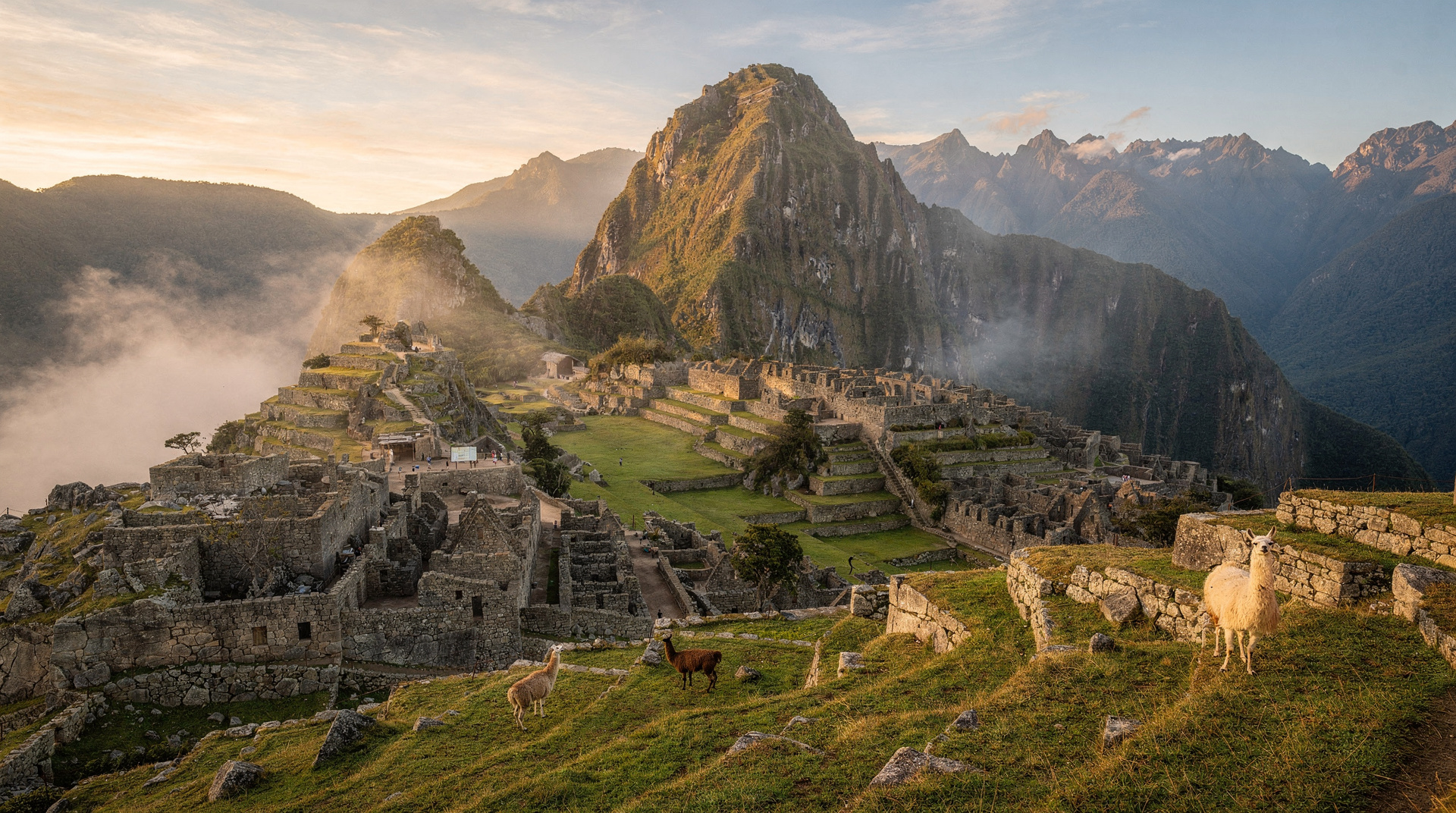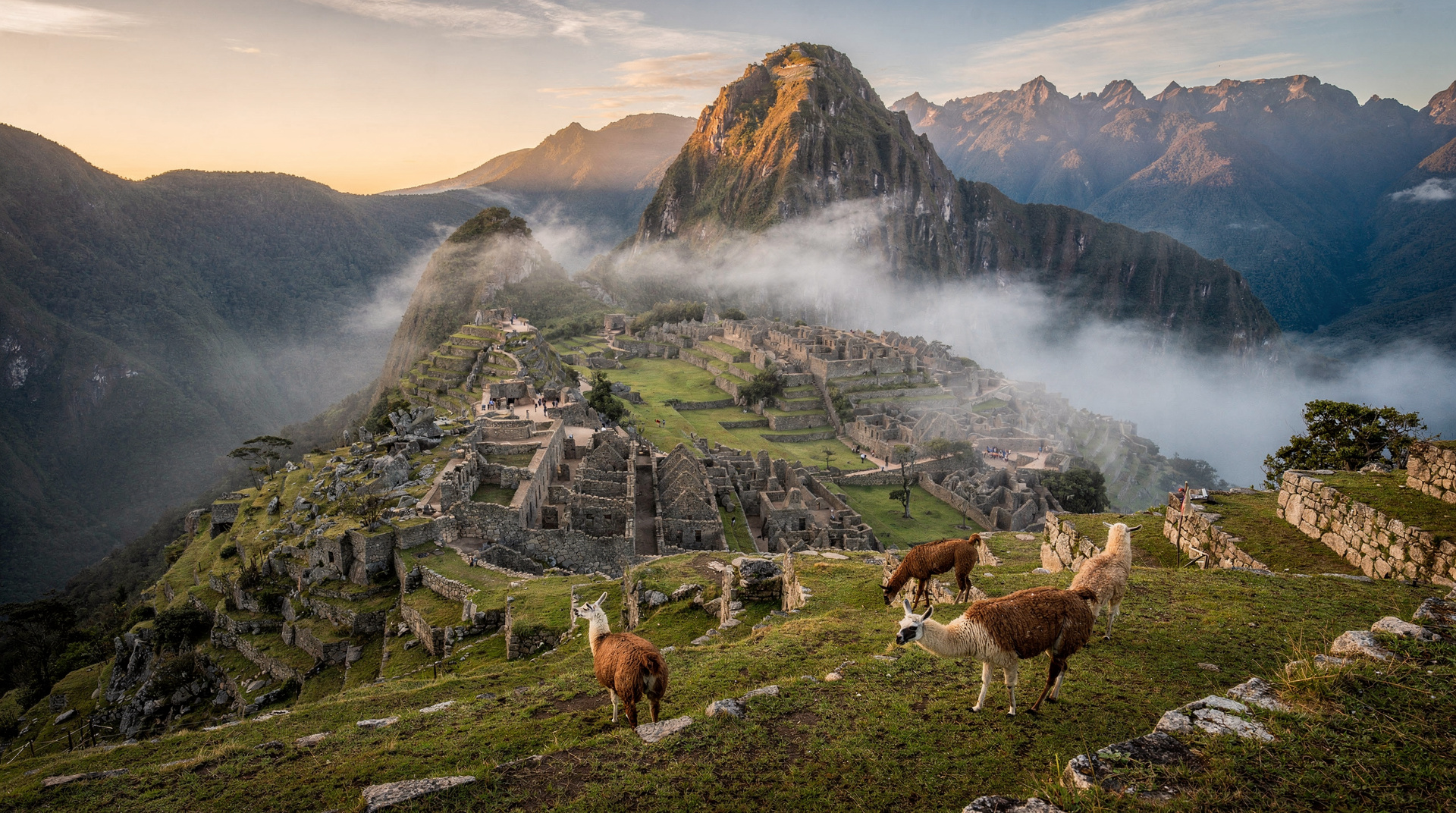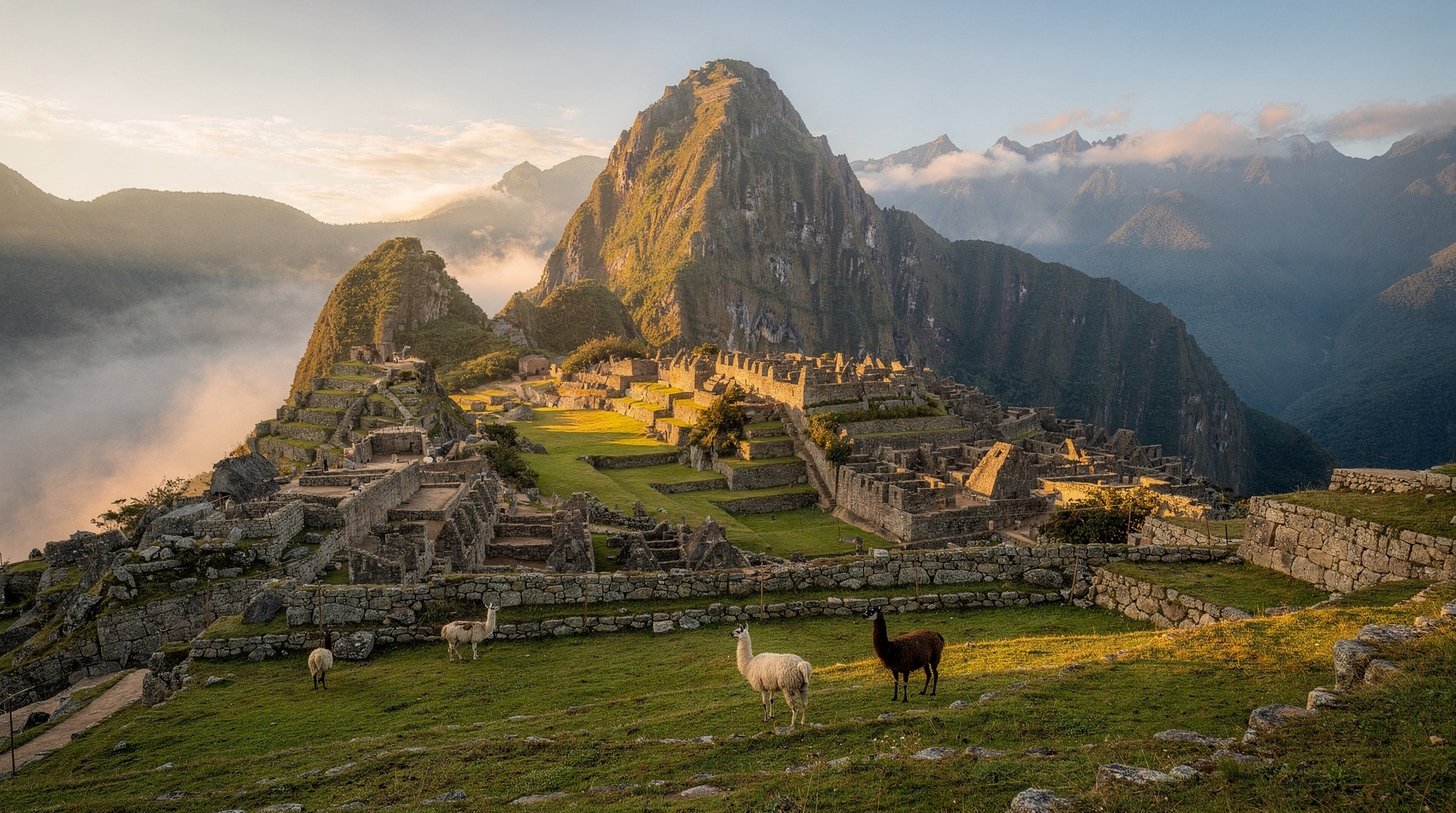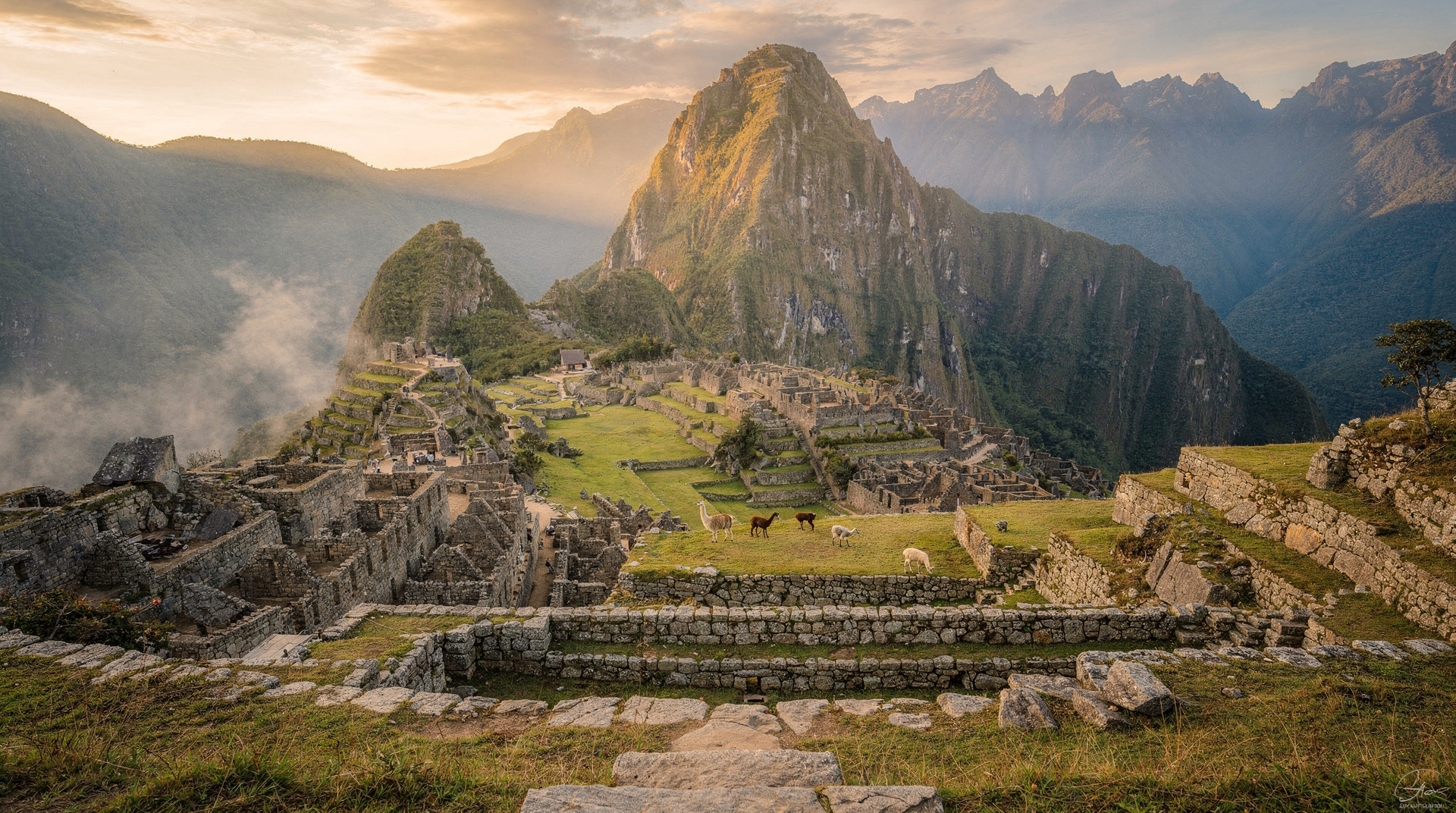
Machu Picchu circuits in 2025 — what has actually changed and what it means for your visit
The ticketing system that confuses everyone, updated
If you’ve been researching Machu Picchu recently and found yourself lost in contradictory articles — some talking about old morning/afternoon sessions, some about four or five circuits, some about “Circuit A, B, C” — you’re not alone. The site has undergone significant changes to its visitor management system since 2023, and the information online has struggled to keep up. Many articles describe the pre-2024 system as if it’s current.
| Circuits | 3 circuits grouping 10 routes, chosen at ticket purchase |
| Standard entry | Around S/152 |
| Recommended first visit | A route through the urban sector (Circuit 2 or 3), morning entry |
| Huayna Picchu (route 3-A) | Around S/200, book 2–3 months ahead |
| Daily cap (2026) | 4,500 visitors, 5,600 on peak dates |
This is a March 2025 update. I visited in late February 2025 and can tell you what the system actually looks like now, on the ground.
The current circuit system
Since 1 June 2024, Machu Picchu has operated with three circuits that group ten routes in total. There is no “Circuit 4”. You choose your circuit and route when you buy the ticket, and you follow it in one direction; you exit through the main gate and cannot re-enter on the same ticket.
Circuit 1 “Panorámico” covers the panoramic upper part of the site. Its routes are 1-A (Machu Picchu Mountain), 1-B (upper terrace), 1-C (Intipunku, the Sun Gate) and 1-D (Inca Bridge). Routes 1-C and 1-D are available only in high season. Route 1-B climbs toward the upper part of the site and does not enter the urban sector.
Circuit 2 “Machu Picchu Clásico” (also called the Inca city circuit) has two routes: 2-A, the designed route through the urban sector, and 2-B, the lower terrace. Route 2-A passes the Temple of the Sun viewpoint, the Temples plaza, the Intihuatana pyramid, the Sacred Rock, the Condor Temple and the Pisonay plaza. The maximum stay on routes 1-B, 2-A and 3-B is 2 hours 30 minutes.
Circuit 3 “Machu Picchu Realeza” has four routes: 3-A (Huayna Picchu), 3-B (a designed route through the urban sector), 3-C (Gran Caverna) and 3-D (Huchuy Picchu). Routes 3-C and 3-D are available only in high season.
The older four- or five-circuit system (2021 to May 2024) is no longer current, so ignore articles that describe it as today’s setup.
The Machu Picchu circuits explained guide has a detailed map of each route — read it before buying your ticket, because the choice matters and is made at purchase.
Ticket prices in 2025
As of March 2025:
- Standard entry: S/152 for adults
- Huayna Picchu (route 3-A): S/200 (tickets very limited, book months ahead)
- Machu Picchu Mountain (route 1-A): S/200
- Children (8–17): reduced rate, approximately S/77
The S/152 standard ticket price represents a significant increase from the pre-2023 price (S/64 in 2019 — yes, really). The price rises have been consistent and are likely to continue. Budget planning for 2025 and 2026 should use S/152 as the baseline.
Book your Machu Picchu Circuit 3 ticket through GetYourGuide — this handles the booking and confirmation process for the official ticket, which can be unreliable on the official government platform during peak periods. The ticket includes a specific entry time and route selection.
The time slot system
Each ticket is tied to a specific date and an hourly entry slot at the main gate: 6:00, 7:00, 8:00, 9:00, 10:00, 11:00, 12:00, 13:00, 14:00 or 15:00. A late arrival is tolerated for up to 30 minutes in normal season and up to 45 minutes at times of heavy demand (1 June to 15 October, and 30–31 December). At the mountain checkpoints (Machu Picchu Mountain, Huayna Picchu, Huchuy Picchu) there is no tolerance at all, so arrive early.
An early slot is generally preferred because:
- Morning light is better for photographs
- The clouds and mist that sit in the valley at dawn typically clear by mid-morning
- Afternoon thunderstorms are common in the wet season (November–March) and can make a later slot less pleasant
That said, afternoon slots are valid and often have better availability, particularly in peak season when the early slots sell out weeks ahead.
What I experienced in February 2025
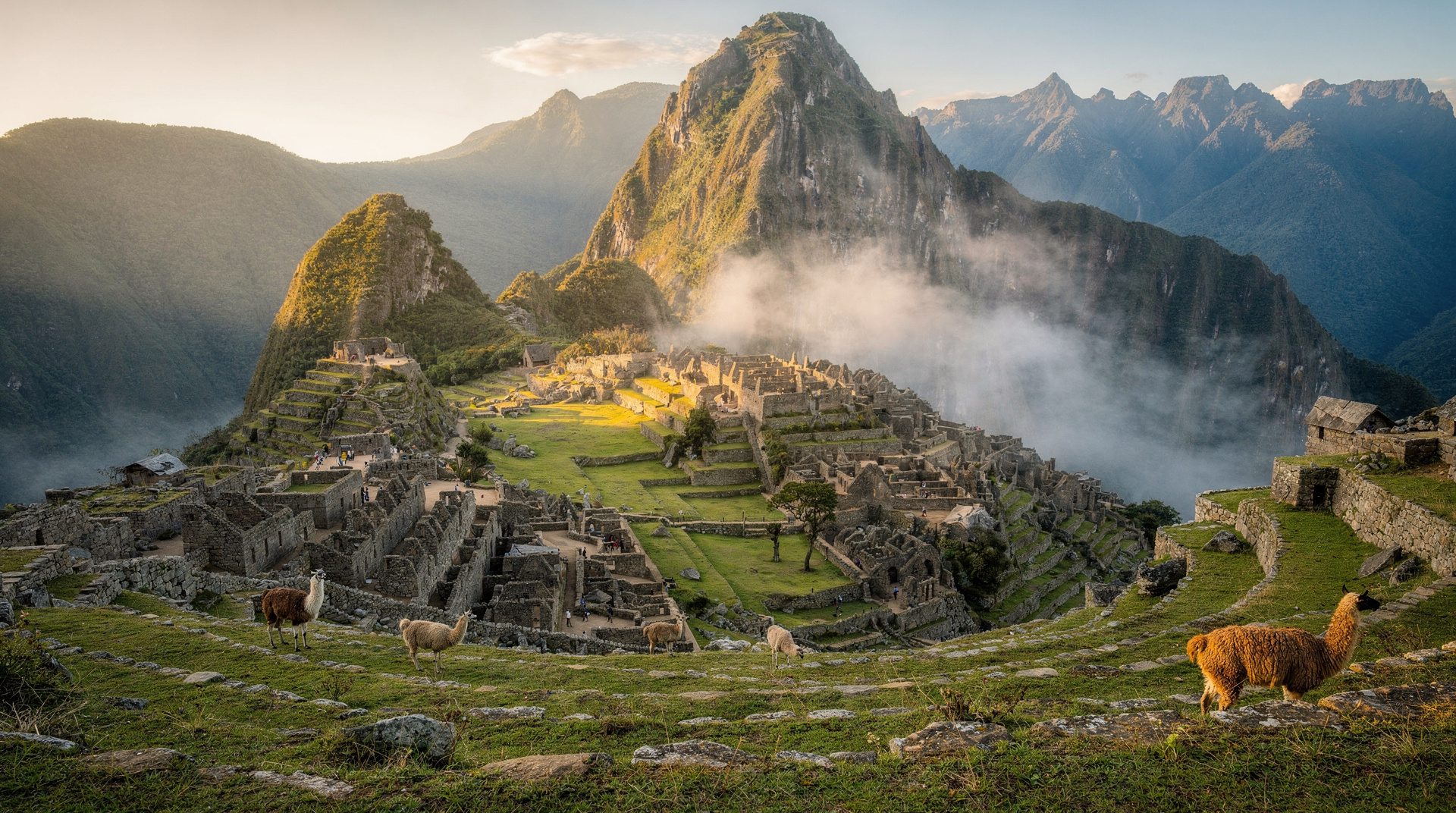
I visited on a Circuit 3 route with an early entry (first slot at 6:00 am) on a day in late February. The wet season in February 2025 was typical: misty at dawn, clearing slowly through the morning, with heavy cloud building from the east by 1 pm.
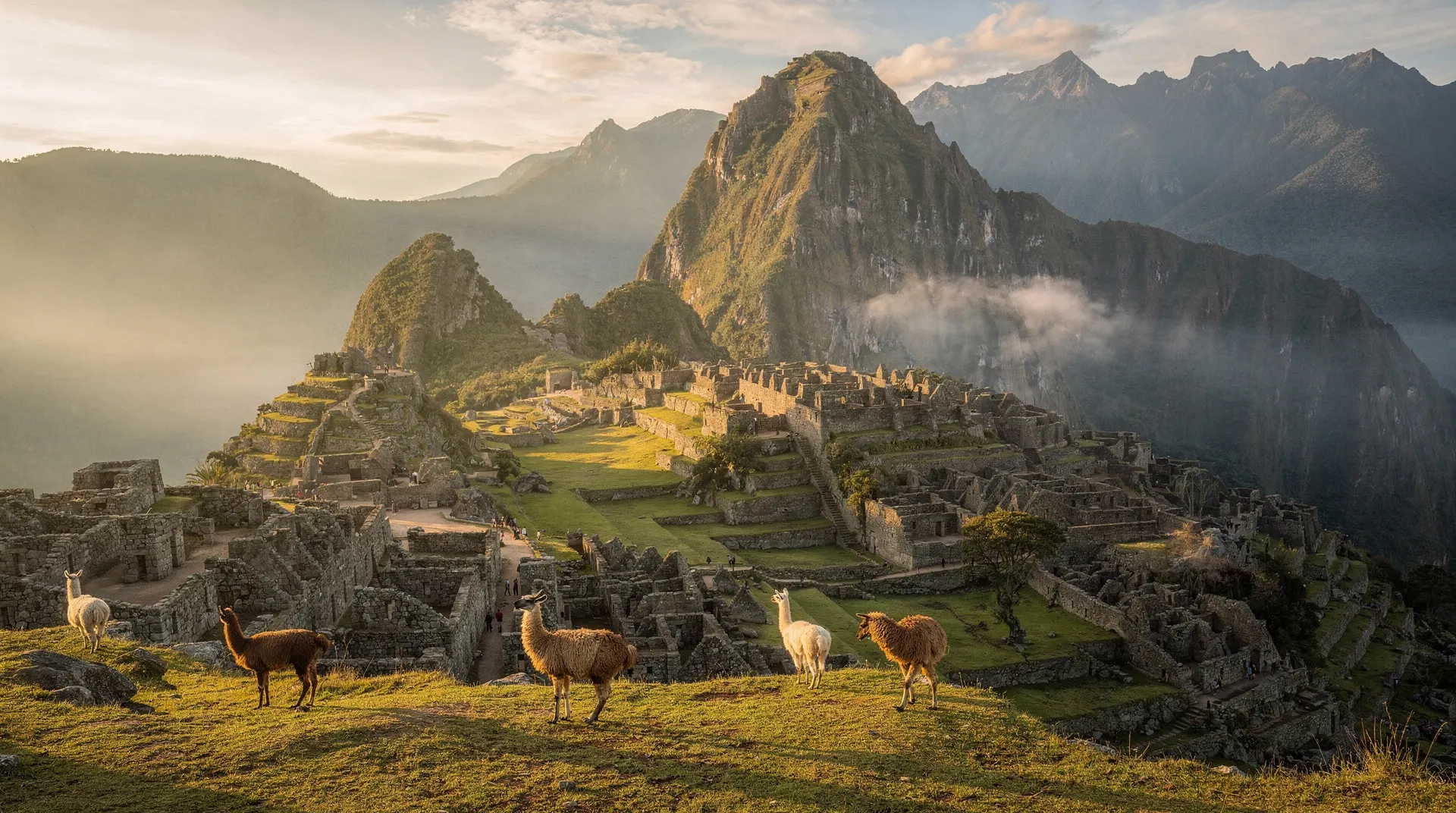
The early entry is extraordinary. The citadel in the first 45 minutes — before the first buses from Aguas Calientes have fully disgorged their passengers — is not empty, but it’s quiet enough to feel contemplative. The Intihuatana stone (the famous carved ritual stone at the highest point of the urban sector) had perhaps six people around it when I reached it. By 9 am there were 30.
The one-way circuit routing is the most commented-upon change by visitors. The previous system allowed more freedom of movement; the current routing is linear and sometimes requires walking past areas you’d like to revisit. My honest assessment: the routing is an acceptable trade-off for reducing the bottlenecks that the old system created. The compression of thousands of people per day (the official 2026 cap is 4,500, rising to 5,600 on peak dates) through the site without proper routing was creating genuine problems. The circuits are better for the site, even if slightly more constraining for the individual visitor.
Huayna Picchu: still worth it?
Huayna Picchu — the steep mountain that appears in the background of the classic Machu Picchu photographs — is route 3-A of Circuit 3. Its tickets are among the most limited at the site and sell out fastest, typically months ahead for the dry season. Check current availability and entry times on tuboleto.cultura.pe.
The climb is 45–60 minutes of steep stone steps to a summit at 2,693 m. The views from the top look down on the citadel from above — a genuinely different perspective that rewards the effort. But the availability problem is real: if you haven’t booked at least 2–3 months ahead for July or August, the tickets will be gone.
Machu Picchu Mountain (Montaña, route 1-A) at 3,082 m is often easier to book, a longer but less steep climb, and provides a high-angle view of the citadel and surrounding valley that’s comparable to Huayna Picchu in some ways. The Huayna Picchu vs Machu Picchu Mountain guide makes the case for each.
If you are still deciding between the two mountains, the Machu Picchu altitude explained guide is a useful companion, and the ticket types compared guide lays out how the add-ons sit alongside the standard entry. Whichever you choose, the wider Machu Picchu tickets explained guide is the place to check the buying rules before you commit.
If you do want the summit, a separate entry for the Huayna Picchu climb is the thing to secure first, because the rest of the day can be arranged around it. Treat it as the anchor of your plan rather than an afterthought.
Getting there under the current system
None of the circuit changes affect how you actually reach the site — the train from Cusco or the Sacred Valley to Aguas Calientes, followed by the short bus up to the entrance, remains the standard route. What has changed is that your entry time and route are now locked in at the point of ticket purchase, which means the logistics of your train and bus times need to be planned around your chosen entry window rather than the other way around. The how to get to Machu Picchu guide covers the current train and bus scheduling in detail, and it’s worth reading before you lock in a route and entry time that your travel plans can’t actually support.
Most people reach the citadel by rail, and the choice of operator affects which entry window is realistic. The PeruRail vs Inca Rail comparison and the Machu Picchu by train guide help you match a train to an early entry. If you plan to stay overnight, the Aguas Calientes guide explains what the town offers, and sleeping there makes a first-slot AM entry much easier. Travellers on a tighter budget can also look at the Hidroeléctrica route, though it demands more planning around your fixed entry time.
If you would rather not stitch the pieces together yourself, a day trip from Cusco that bundles the train and the entrance ticket takes the timing puzzle off your hands, though you should still check which route and entry time it includes before you pay.
Booking through an agency versus the official site
I mentioned that the official government platform can be unreliable during peak periods — it genuinely can, particularly during high-demand release windows. Booking through a recognised agency or platform adds a modest service fee but removes the risk of the payment failing partway through and losing your preferred slot. For anyone booking from outside Peru without a Peruvian payment card, this is often the more practical route rather than a luxury.
The circuit system introduced in 2024 has settled into something functional. The routing is slightly more prescribed than the old free-movement system, but the site operates more smoothly and the experience for individual visitors is, on balance, better than the pre-restructuring chaos.
Be wary of anyone selling tickets outside the official channels or a reputable agency; the fake Machu Picchu tickets guide explains what to look out for, and the Machu Picchu in each month guide helps you pick the season before you pick the slot.
The ticket price at S/152 is the new reality. For context, the Grand Canyon’s entrance fee in 2024 was USD 35 per vehicle — Machu Picchu at S/152 (roughly USD 40) is comparable to major global heritage sites, though it represents a dramatic change for anyone who visited a few years ago.
Book well ahead, choose a route through the urban sector for a first visit, go early, and read the Machu Picchu complete guide before you go. The how to get to Machu Picchu guide covers the train, bus and alternative route logistics for getting there.