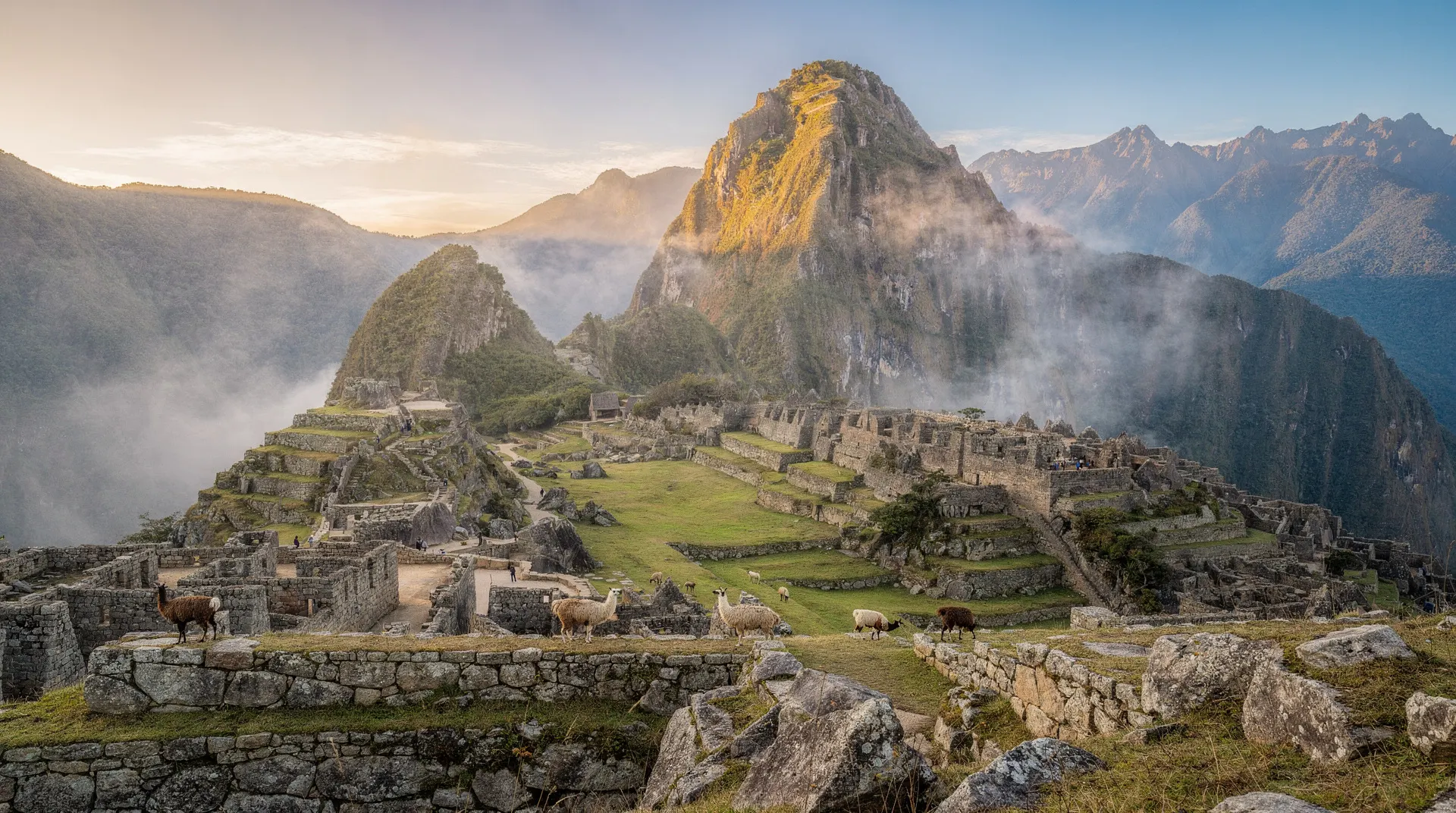
Is Machu Picchu overrated? An honest answer after four visits
People keep asking me this question
In the years since I first visited Peru, I have been asked some version of the same question by nearly everyone who hears I have been: is Machu Picchu as good as they say, or is it just hype? Four visits in, I have an honest answer. It is not the simple answer they are often hoping for.
| Entrance | Around 152 PEN, booked in advance |
| Total day cost | Roughly 125–180 USD incl. train + bus + entrance |
| Crowds | 4,500 visitors/day (5,600 on peak dates), timed circuit entry |
| Best strategy | First entry slot (6 am), Guardhouse view before 9 am |
| Verdict | Accurately rated, not overrated — if you plan the logistics |
Let me start with the reality of visiting Machu Picchu in 2021, because the experience has changed considerably even in the decade I have been going. Then I will give you my actual verdict.
The crowds: real, but manageable if you plan
In 2019, before the pandemic restrictions, Machu Picchu received approximately 4,000 visitors per day. Since June 2024, the site has been operating under a formal system of three circuits with timed entry and a daily cap. For 2026 the limit is 4,500 visitors a day for most of the year and 5,600 on the busiest dates (including 19 June to 2 November), with one entry slot per hour from 6 a.m. to 3 p.m.
This means: Machu Picchu is crowded. Not as crowded as it was at peak pre-pandemic levels, and not as chaotic as it would be without the circuit system, but crowded in the concrete sense of sharing a site with several thousand other people during your visit.
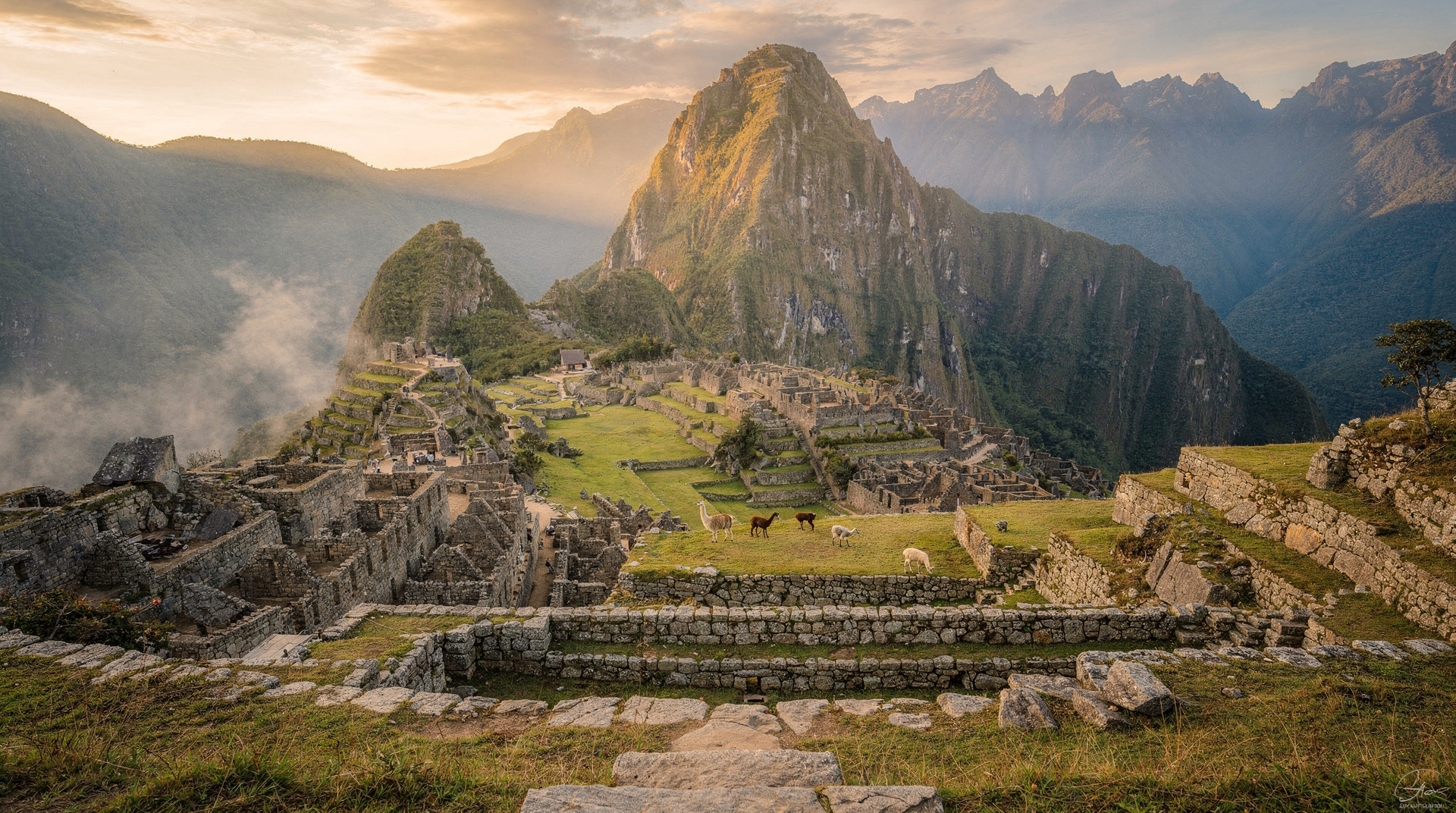
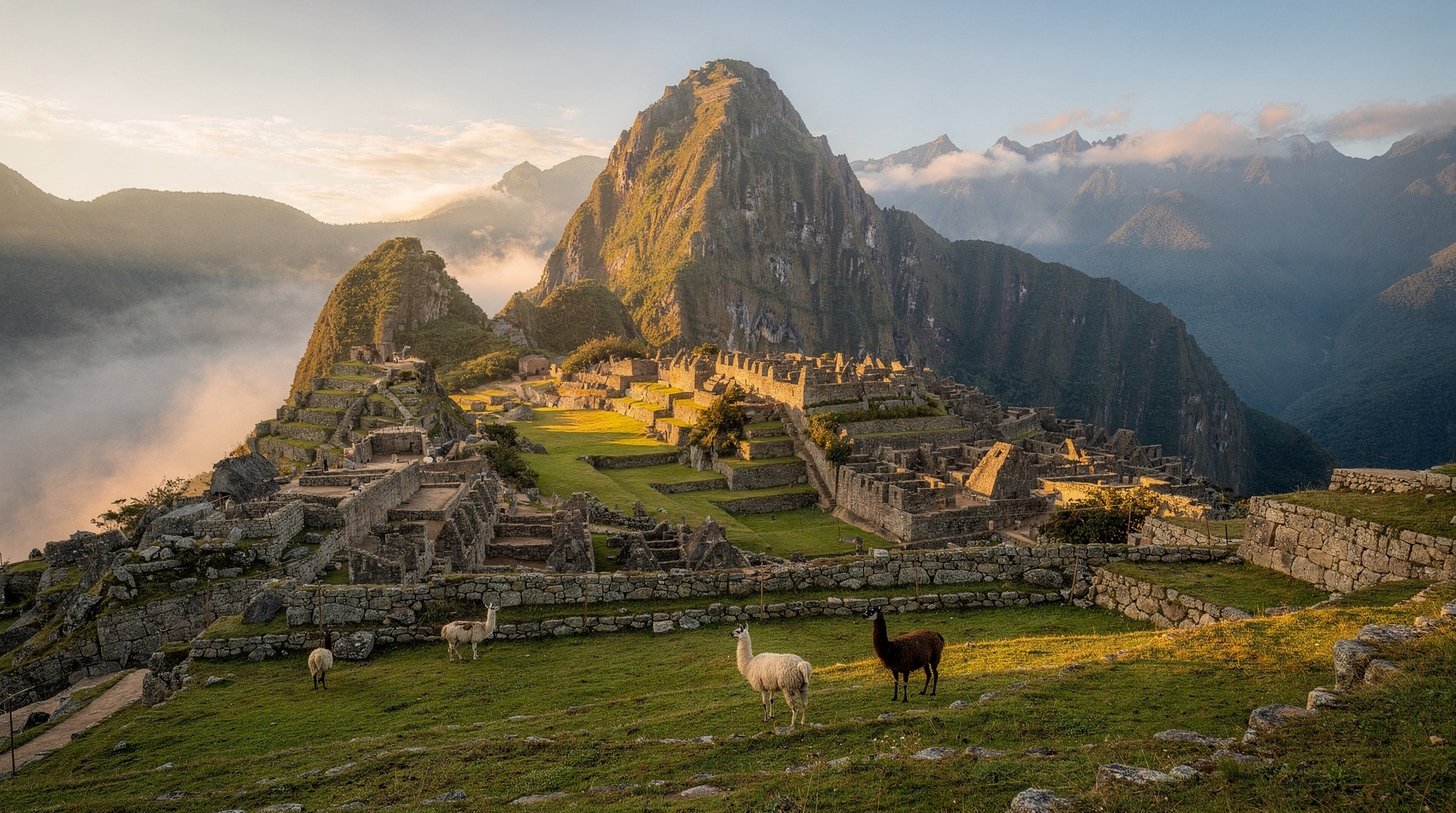
The part that the photographs don’t show you: the famous view from the Guardhouse — the one on every calendar, every screensaver — requires standing in a queue to photograph it at the right angle, because everyone else is also there and the spot is narrow. In July and August, the queue to take that particular photograph can be forty-five minutes long.
The strategy that actually works: arrive on the first entry slot (6 a.m.), walk directly to the Guardhouse before the majority of the site’s visitors reach it, take your photograph, and then move on to the rest of the site. By nine o’clock, the Guardhouse viewpoint is impossible. By six-fifteen, it is manageable.
If the circuit system is new to you, the Machu Picchu circuits explained guide and the side-by-side circuits compared page show how the routes differ, and which one suits a first visit. Choosing the right circuit changes how crowded the day feels more than almost anything else you control.
The cost: higher than expected, not unreasonable
The full breakdown of what Machu Picchu costs to visit is covered in detail in the Machu Picchu tickets explained guide. The short version: the entrance to the site itself currently costs 152 PEN (approximately 40–42 USD at current exchange rates). The train from Ollantaytambo to Aguas Calientes and back costs between 60 and 120 USD depending on the service and how far in advance you book. The bus from Aguas Calientes to the site and back costs 24 USD.
So a single-day visit from Cusco, including transport and entrance, will cost approximately 125–180 USD per person. For a couple, that is a significant sum. Add a guided tour and it rises further.
If the train is the largest line in your budget, the trains to Machu Picchu compared page and the PeruRail vs Inca Rail breakdown help you pick a service without overpaying. There is also a cheaper overland alternative, described in the Hidroeléctrica budget route guide, for travellers who accept a longer, rougher journey.
Is this too much? It depends on context. Compared to European heritage sites — the Colosseum in Rome, the Acropolis in Athens — it is more expensive. Compared to what those sites offer in terms of scale and setting, I think it is defensible. The question is whether the site delivers.
What Machu Picchu actually is
Here is what I find myself saying when people ask whether it is overhyped: Machu Picchu is the best version of what it is.
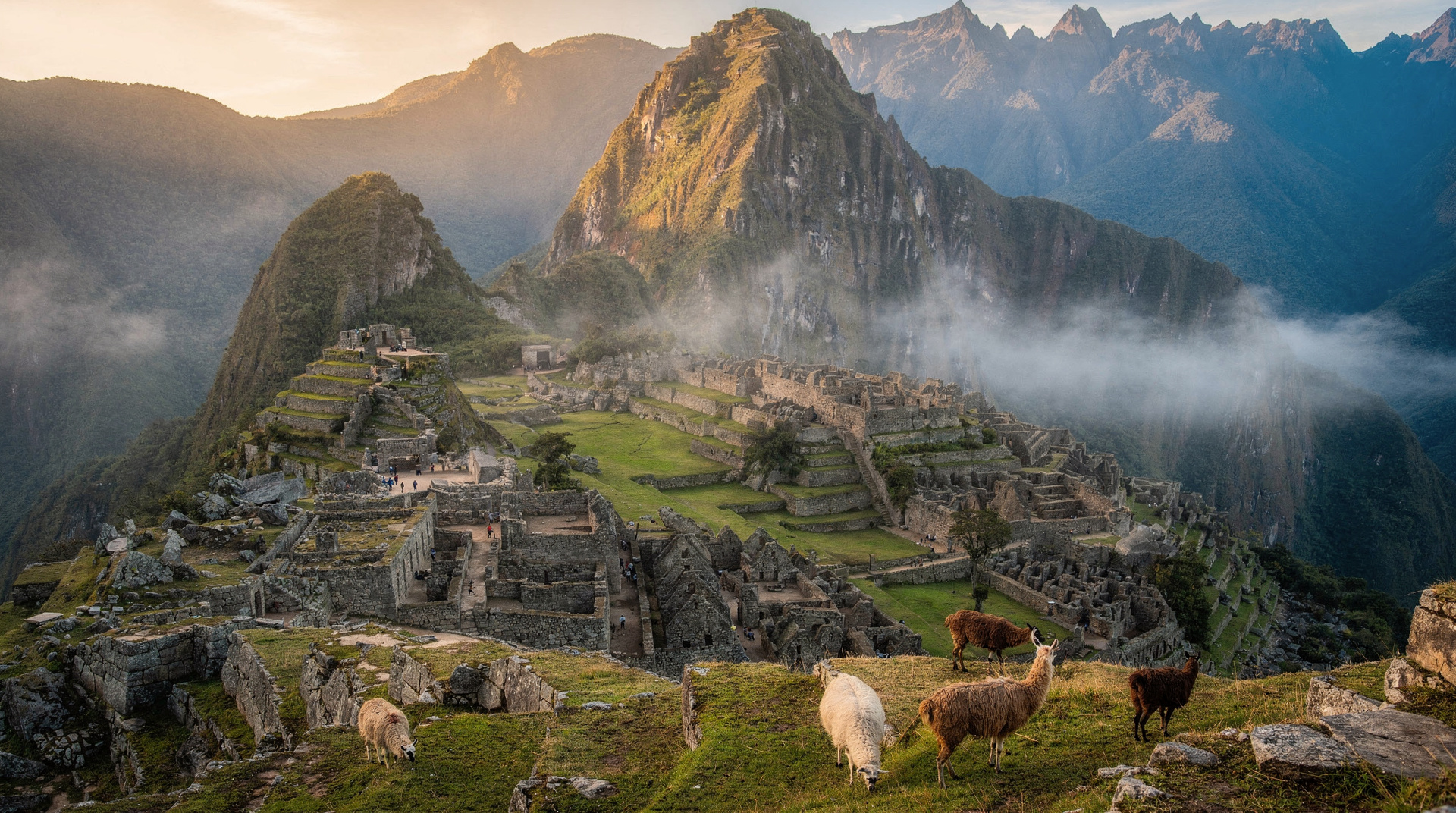
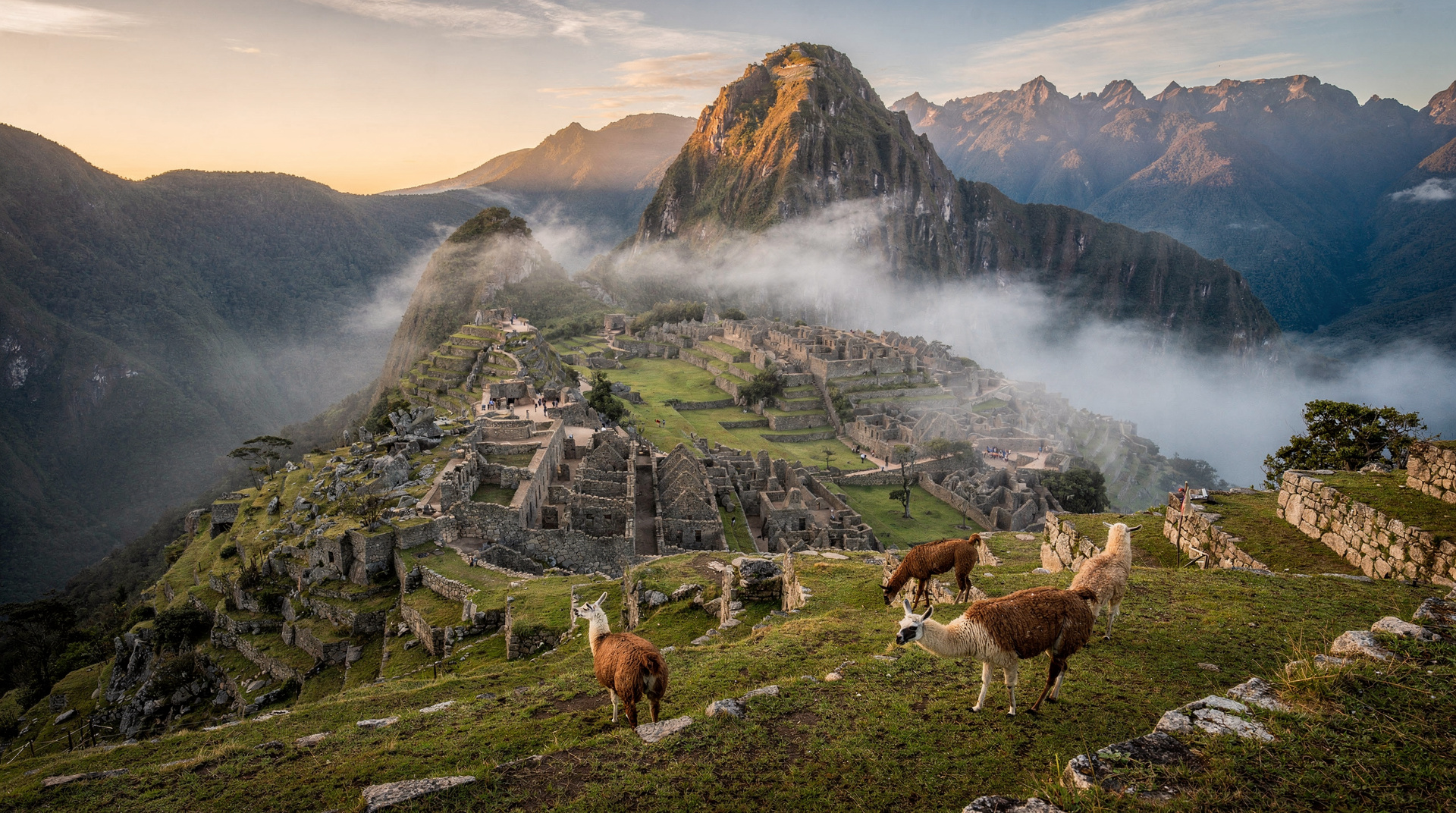
It is a 15th-century Inca royal estate built on a mountain ridge at 2,430 metres, between two peaks, in a site that is architecturally extraordinary and geographically implausible. The terraces were cut from the ridge. The stones were quarried at lower altitude and carried up. The hydraulic system — channels that supply freshwater to fountains in each sector — was engineered with enough precision that it still functions. The astronomical alignments are real and measurable.
And the setting is genuinely unlike anything else on earth: a mountain ridge with cloud forest on all sides, the Urubamba river visible far below in both directions, the Andes rising behind the site to peaks above 5,000 metres. When the clouds clear and the light is right, the physical scale is overwhelming.
I cried on my second visit. I am recording this not for its emotional value but as empirical evidence that something real is happening when you stand there.
What Machu Picchu is not
It is not quiet. It is not undiscovered. It is not cheap. In peak season it does not feel remote — you are sharing it with thousands of other people, many of them on tight schedules, and the site management (the circuit system, the timed entry, the bag restrictions) can feel bureaucratic.
The approach by train and bus is comfortable and efficient, but it does not build the sense of journey and arrival that you get from walking in. The Salkantay and Inca Trail approaches are transformative in a way the train is not.
If walking in appeals to you, the Salkantay trek and the Inca Trail complete guide both lay out what the journey involves, and the train vs trek comparison helps you decide which way to arrive.
The town of Aguas Calientes, where most people stay the night before an early entry, is a purely tourist town with limited charm: restaurants aimed at international visitors, souvenir shops, a hot spring that is less impressive than advertised. It exists to service the site. There is nothing wrong with it, but it is not a reason to visit. The Aguas Calientes guide covers what the town does offer if you do stay the night.
Comparing it to the other “unmissable” sites
Part of why people ask me this question is that “overrated” has become the default sceptical take on any famous site. Having also been to the Colosseum, the Acropolis, and Angkor Wat, my honest ranking is that Machu Picchu earns its reputation more completely than most of them — the setting does work the others can’t replicate, since a ruin on a mountain ridge above cloud forest is a different category of experience from a ruin in a city. The nearest comparison I can offer inside Peru itself is Sacsayhuamán, whose scale genuinely surprises first-time visitors, but which does not carry the same combination of altitude, isolation and engineering mystery.
Is one visit enough?
For most travellers, yes — a single well-planned day delivers the full experience. What a second or third visit adds is the ability to go slower: fewer photographs, more time simply standing in a quiet sector of the site, or attempting the Sun Gate walk on foot from the entrance rather than only viewing it from below. If you can only go once, don’t feel you’re missing something essential by not returning; the single-day version, done at the first entry slot, is complete in itself. The Machu Picchu complete guide is worth reading regardless of how many visits you plan.
Getting the most out of the day
Much of what makes the visit feel overrated comes from decisions made weeks earlier, not from the site. Where you sleep the night before matters: basing yourself in the Sacred Valley rather than Cusco can make the early start far easier, and the Sacred Valley vs Cusco base comparison and the Ollantaytambo village guide explain why many travellers prefer it. The how to get to Machu Picchu page lays out every route side by side, and the Machu Picchu by train guide goes deeper on the most popular one.
Hiring a guide changes the experience more than people expect. Without context, the stonework and the terraces blur into a pleasant but generic ruin; with someone explaining what each sector was for, the place makes sense. A guided entry with a small-group walk through the citadel is a good option if you would rather not decode it alone.
Timing is the other lever. The season you pick changes the light, the crowds and the chance of seeing the ridge clear of cloud, and the Machu Picchu in each month guide breaks it down. If the ticket categories confuse you, read the ticket types compared page, and use where to buy tickets in Cusco so you only deal with legitimate sellers. The rules keep evolving, so the post on what’s new with the circuits is worth a look too.
Earning the arrival on foot
If the train-and-bus version leaves you cold, the answer is often not to skip the site but to arrive differently. Walking in gives the ruins a payoff the bus cannot. The Inca Trail permits guide explains how the limited spots work, while the Salkantay trek guide covers a route that needs no permit lottery. For firsthand accounts, my Inca Trail trip report and Salkantay trek diary describe how those days felt, and Inca Trail vs Salkantay: real talk helps you choose. A multi-day Salkantay trek ending at Machu Picchu turns the same site into the end of a journey rather than a stop on a schedule.
Whichever way you go, give the trip enough time. The how many days in Cusco page and the Cusco trip planning guide help you fit the visit into a wider itinerary, and the Machu Picchu destination page and Huayna Picchu page give a quick overview of the site and its famous peak.
The honest verdict
Machu Picchu is not overrated. It is accurately rated — which means the hype is proportionate to the reality, and the reality is extraordinary. What it is, is over-simplified in the telling: most people hear “you have to go, it’s incredible” and arrive expecting a spiritual revelation in conditions of solitude, and instead find a heritage site with ticketing queues and a timed circuit.
If you manage the logistics — buy tickets in advance (see the ticket guide), arrive on the first entry slot, go in shoulder season rather than peak July-August if possible — the site delivers. Go prepared for what it actually is rather than what you imagined, and the gap between expectation and experience narrows considerably.
A train day trip to Machu Picchu from Cusco is the right format for most visitors. I would still recommend it, emphatically, to anyone asking.
The best time to visit Machu Picchu matters more than most decisions you will make about this trip. Read it before you book.
Two more things are worth sorting out early. Altitude is part of the experience around Cusco, so the Machu Picchu altitude explained page and the Cusco acclimatization plan are good reading before you arrive. And if you want to see the site from above, the Huayna Picchu vs Machu Picchu Mountain guide explains the add-on climbs. Finally, be wary of resellers: the fake Machu Picchu tickets guide shows what to avoid, and my Machu Picchu bucket list post gives a more personal take on the visit.