Tambopata Amazon 3-day tour: tour review
Tambopata Peruvian Amazon Jungle for 3 Days / 2 Nights
From the Andes to the Amazon: what the transition actually means
Most Cusco itineraries focus entirely on high-altitude Andean experiences — Machu Picchu, Rainbow Mountain, the Inca Trail, the Sacred Valley. Adding a Tambopata Amazon extension turns a good Andes trip into an extraordinary Peru trip. The ecological and experiential contrast between the two zones is total: from cold, dry, stone-and-sky Andean altitude to hot, humid, green, teeming jungle lowland. This review covers the 3-day Tambopata tour format, what wildlife to realistically expect, how the lodges compare, and when to upgrade to four days.
| Where | Puerto Maldonado and the Tambopata River, Madre de Dios, Peru |
| Cost | around S/700–2,100 (~$200–600) per person, flights included |
| Time needed | 3 days / 2 nights, plus a 30-minute flight each way from Cusco |
| Getting there | Fly Cusco–Puerto Maldonado, then motorised canoe to the lodge |
| Best time | May–October (dry season); rivers rise and trails muddy December–March |
What Tambopata is and why it matters
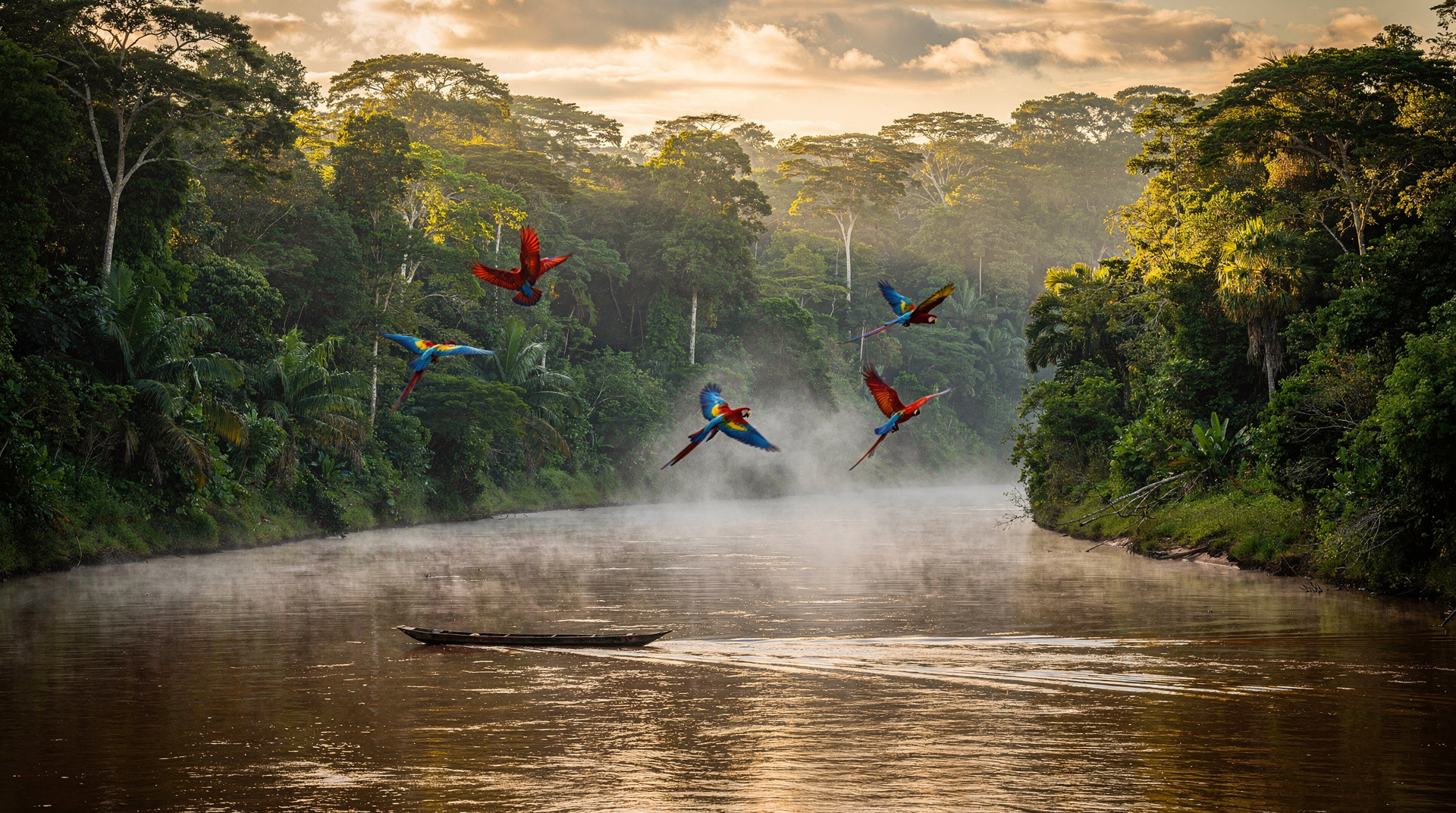
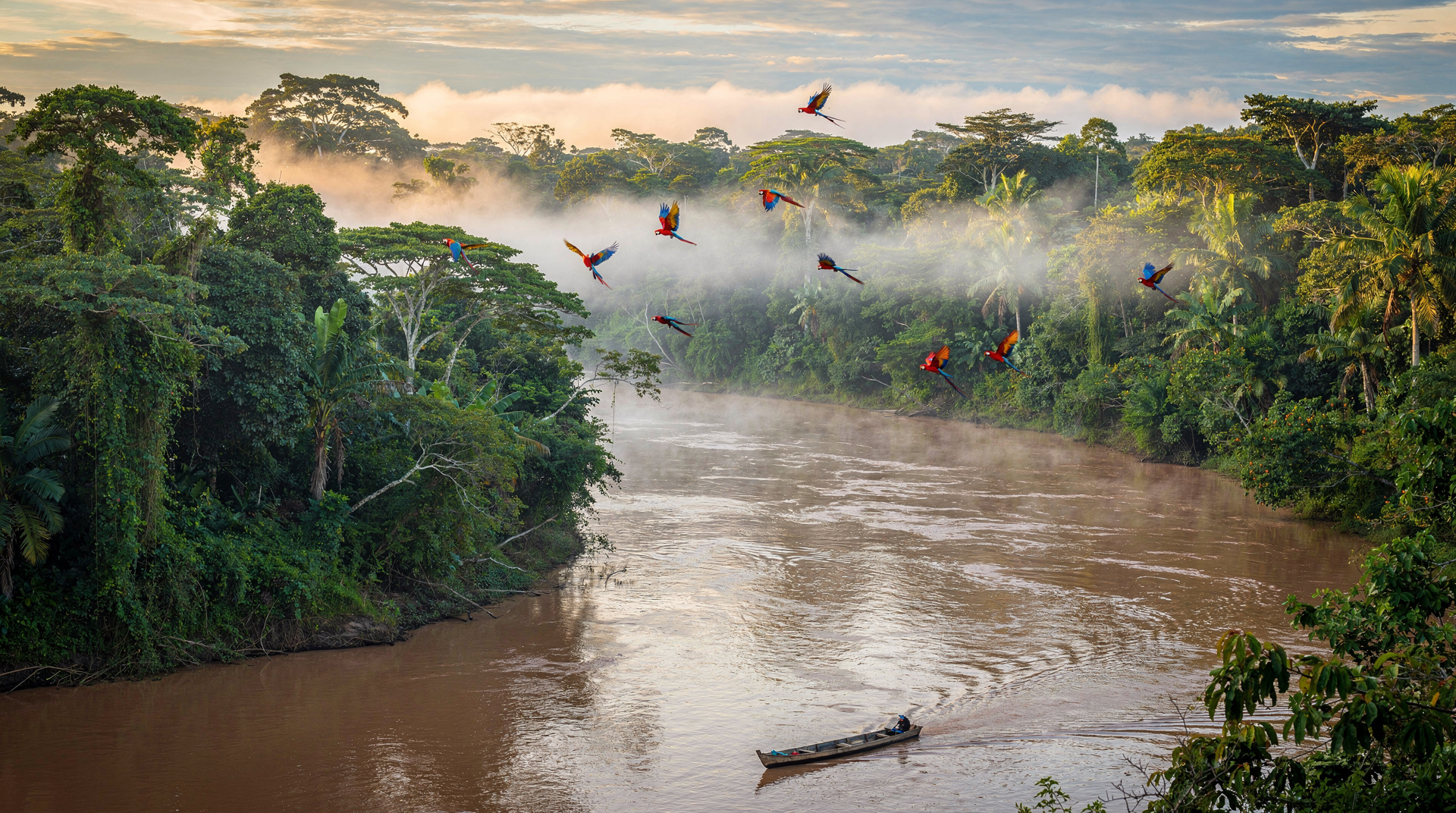
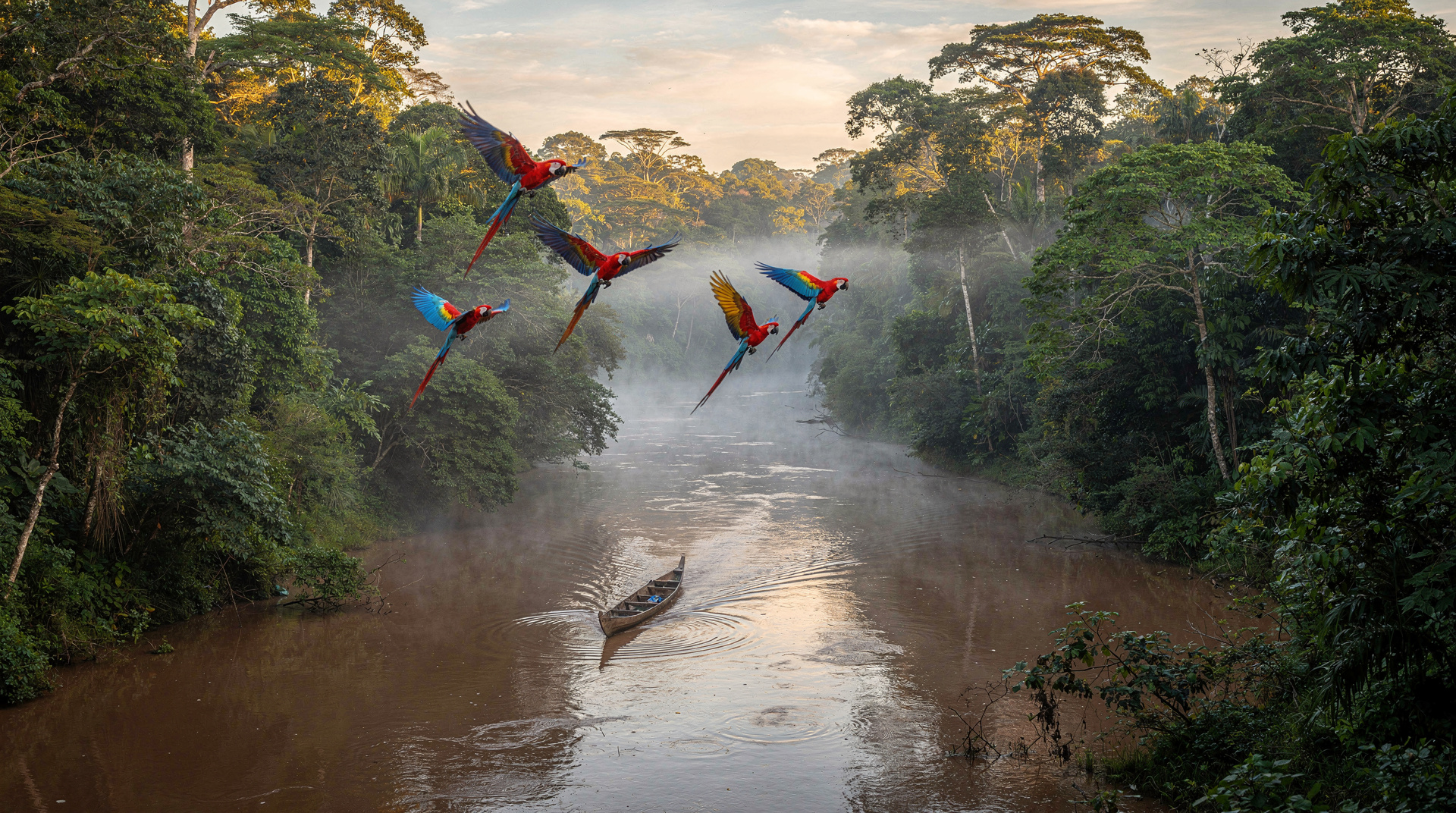
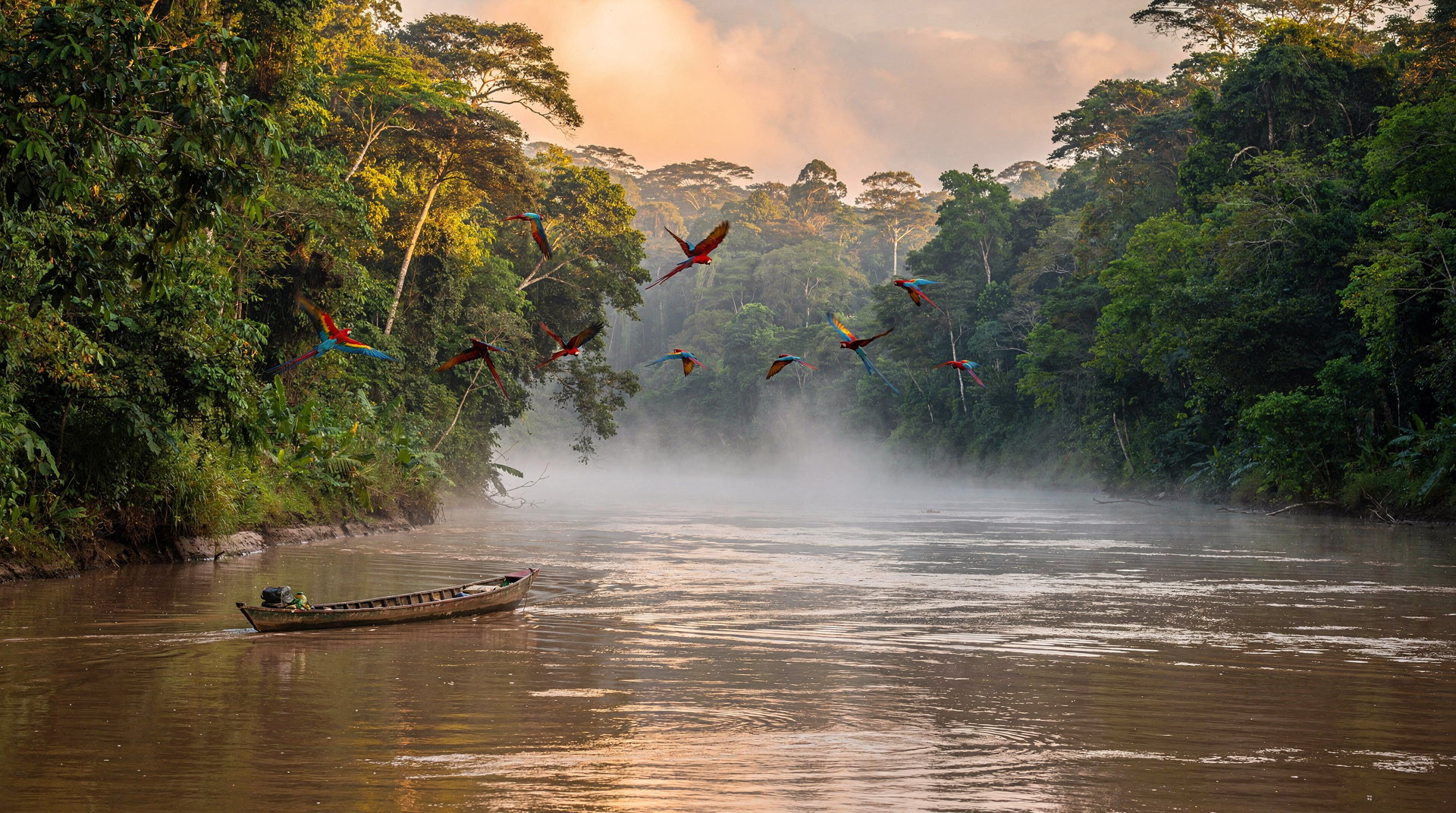
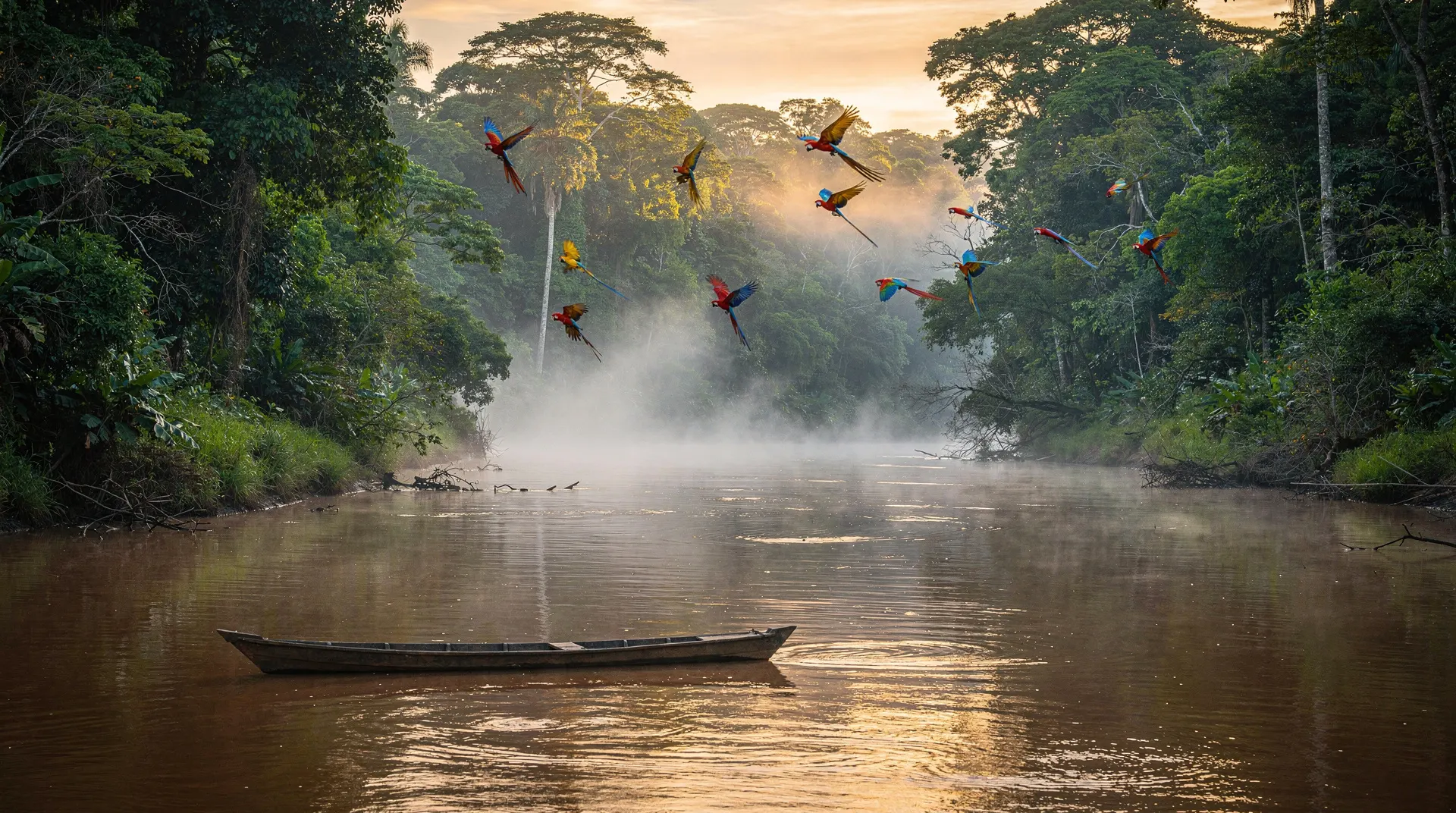
The Tambopata National Reserve protects 274,690 hectares of lowland tropical forest in the Madre de Dios region of southeastern Peru. Together with the adjacent Bahuaja-Sonene National Park, it forms one of the most biodiverse protected areas in the world — documented to contain over 600 bird species, 1,200 butterfly species, 183 mammal species, and more tree species per hectare than most temperate countries. The reserve’s Collpa Chuncho macaw clay lick, in the deeper reserve area, is one of the largest known macaw clay lick sites on earth, visited daily by hundreds of scarlet macaws, blue-and-yellow macaws, and parrots drawing minerals from the riverbank clay.
Puerto Maldonado is the access city — a small jungle town at 200 m elevation, reachable from Cusco by a 30-minute flight. Most lodges are located along the Tambopata River, accessible only by motorised canoe.
The 3-day tour: what happens
Day 1: Flight or bus arrival in Puerto Maldonado, transfer to the river dock, and motorised canoe journey up the Tambopata River to the lodge. Depending on the lodge’s location, this takes 30 minutes (basic lodges near town) to 3–4 hours (deeper reserve lodges). The river journey itself is a wildlife introduction: macaws and parrots visible in riverside trees, caimans resting on banks, kingfishers skimming the water. Afternoon arrival, briefing with the naturalist guide, and an early evening walk into the forest for night wildlife. Caimans by torchlight from a canoe in a quiet oxbow lake is a standard evening activity.
Day 2: Pre-dawn wake for the clay lick visit (if your lodge is near the Collpa Chuncho site) or a morning boat trip along the river. After breakfast, guided jungle walk with the naturalist identifying medicinal plants, insect colonies, and any mammal or bird sightings — monkey troops are frequently encountered on mid-morning walks. Afternoon free time, another guided activity (canoe on an oxbow lake, piranha fishing, or a community visit depending on the operator), and night walk in the forest.
Day 3: Final morning activity (guided bird walk before dawn is the best option), breakfast, canoe return to Puerto Maldonado, and afternoon flight back to Cusco.
Book the 3-day Tambopata tour including lodge accommodation — standard inclusions: flights Cusco/Puerto Maldonado return, transfers, motorised canoe transport on the Tambopata River, full accommodation (2 nights at the lodge), all meals, a licensed naturalist guide, and the standard activity programme.
Wildlife expectations: the honest picture
The Tambopata reserve delivers more consistent and accessible wildlife than the majority of jungle destinations in South America. This is not a zoo and sightings cannot be guaranteed — but the density of bird life (600+ species) and the skill of trained naturalist guides means that a well-guided 3-day programme will consistently deliver macaw sightings, monkey encounters, caiman viewings, and a substantial range of birds. Giant river otters are seen regularly on guided canoe trips in the oxbow lakes.
The honest caveat: large mammals — jaguar, giant anteater, tapir — are present in the reserve but sightings are genuinely rare and require time, quiet movement, and luck. Travellers whose primary goal is jaguar sightings need to consider a longer trip (5–7 days minimum) to lodges in the deeper reserve. The 3-day format at most standard lodges does not position you for extended wildlife watching.
The 4-day upgrade: what it adds
The 4-day/3-night Tambopata tour adds one full extra day in the reserve. This additional day primarily adds time for the macaw clay lick visit (the Collpa Chuncho is a 3.5 to 4-hour canoe journey from the main Puerto Maldonado lodges — only reachable with an overnight in the deep reserve or with a very early departure from a further lodge), extended oxbow lake canoeing, and a higher probability of giant otter sightings. For wildlife-serious travellers — birdwatchers, photographers, naturalists — the 4-day format is strongly preferable.
The cost premium for the extra day is relatively modest (typically S/200–400 more per person). For any traveller who has made the effort to reach Tambopata from Cusco, the 4-day option is the better value calculation.
Tambopata versus Manu: the honest choice
The Manu Biosphere Reserve (further north in Madre de Dios) is arguably the most biodiverse reserve in the world per unit area, but access is genuinely difficult (multi-day boat journeys), expensive (5–7 days minimum, S/1,200–2,000+ per person), and requires advance booking months ahead. Tambopata is accessible in 3 days from Cusco by short flight and offers exceptional wildlife in a more convenient format. For most travellers on a standard Peru trip, Tambopata is the correct choice. See the Tambopata vs Manu guide for the full honest comparison.
Choosing a lodge: what the price range reflects
The Tambopata lodge market ranges from basic camp-style operations near Puerto Maldonado town (30–60 minutes from the airport by canoe) to dedicated wildlife lodges 3–4 hours upriver into the reserve. The price difference reflects three things: distance from town (further in = more wildlife, fewer day visitors, more expensive), accommodation standard (shared dorms versus private bungalows, cold water versus hot), and guide quality.
The single most important variable across all price points is the naturalist guide. A passionate, knowledgeable guide who knows where to find macaw clay lick activity, which riverbank sections have regular giant otter territory, and how to read jaguar track signs will deliver a better wildlife experience in 3 days than a disengaged guide can manage in 5. This is not a vague distinction — it is the factor that most consistently appears in traveller reports when comparing lodge experiences.
Budget lodges (S/700–900 per person for 3 days including flights): Typically located 30–90 minutes from Puerto Maldonado. Basic rooms, shared bathrooms, functional meals. Wildlife access is more limited than deeper reserve lodges but macaw and monkey sightings are still normal. Best for budget travellers who want the Amazon experience without specific wildlife goals.
Mid-range lodges (S/1,200–1,600 per person): Private bungalows or comfortable shared rooms, ensuite bathrooms, restaurant-quality meals. Usually 2–3 hours from Puerto Maldonado, with access to oxbow lakes and consistent bird and mammal sightings. The macaw clay lick at Collpa Chuncho may require an additional half-day boat journey from these lodges.
Premium and specialist lodges (S/1,600–2,100+): Located 3–4 hours upriver, within or adjacent to the Tambopata Research Center area where the main macaw clay lick is. Private rooms, full naturalist programming, specialist birding guides. Giant otter sightings are regular; large mammal sightings are more probable than at closer lodges.
If the macaw clay lick is your priority, confirm whether your specific lodge has access to the Collpa Chuncho site before booking. This is a genuine geographic constraint and a meaningful quality indicator — not all operators advertising “Rainbow Mountain” access can actually reach it in 3 days.
The sounds and atmosphere: what no photograph captures
One of the unexpected aspects of the Tambopata experience for most travellers is the sensory intensity of the jungle environment. The forest at dawn — when the first bird calls begin 30–40 minutes before sunrise and build to a multi-layered chorus of hundreds of species simultaneously — is one of the most memorable acoustic experiences in nature. Howler monkeys produce a sound that genuinely resembles distant thunder or heavy machinery; it carries for several kilometres through the forest.
The humidity at 200 m elevation is constant and significant — 80–90% year-round. Everything feels different in your hands: metal, fabrics, paper. Condensation forms on camera lenses moving from air-conditioned rooms to the outside. Rubber boots squelch on the riverbank mud. Night walks produce a wall of insect sound — crickets, frogs, katydids — and the torch beam picks up caiman eyes on the water surface and large spiders on the tree bark.
This sensory intensity is part of what makes Tambopata different from the Andean portion of any Peru trip. Come prepared for heat and humidity; they are not hardships but context.
Altitude change and health
The transition from Cusco (3,400 m) to Puerto Maldonado (200 m) is dramatic. Most travellers experience this as a positive adjustment — altitude symptoms disappear completely. However, the jungle brings its own health considerations: mosquitoes and the risk of dengue and malaria (use strong DEET repellent, wear long sleeves), heat and humidity (stay hydrated, more than you think necessary), and the possibility of intestinal issues from unfamiliar water (drink only bottled or lodge-filtered water). Vaccinations including yellow fever are recommended for Madre de Dios travel; consult a travel medicine clinic before departure.
Packing and health preparation
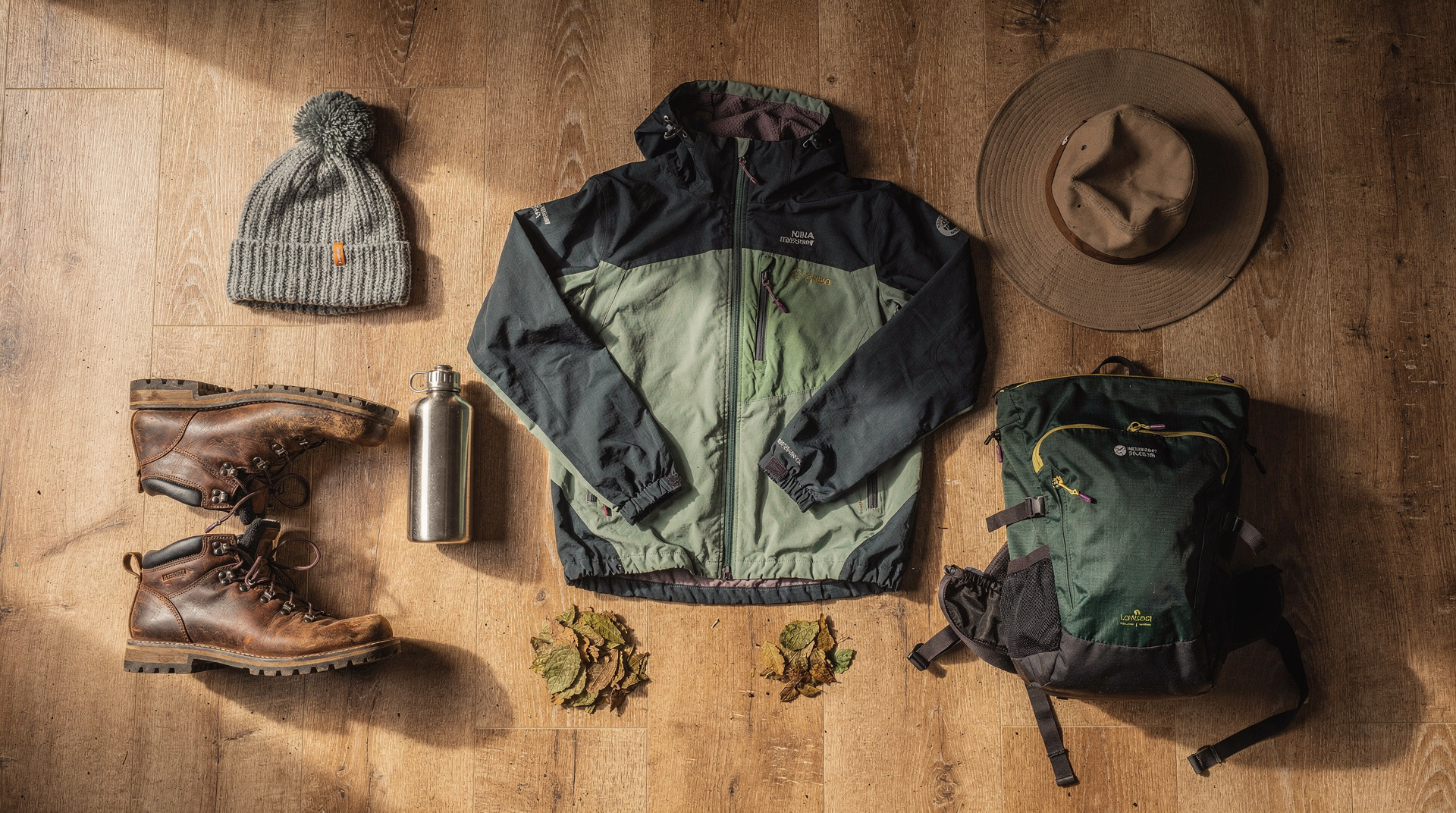
Long-sleeve, lightweight shirts and trousers in quick-dry fabric are the base layer for the jungle heat — they protect against both sun and mosquitoes better than shorts and t-shirts, despite the temptation in 30°C+ humidity. Most lodges provide rubber boots, but bring your own if you have larger or smaller feet than average sizes, or if you prefer broken-in footwear for the muddy sections. A strong DEET-based repellent (30%+) is non-negotiable; apply it before dawn and dusk activities when mosquito activity peaks. A dry bag or waterproof phone pouch protects electronics on the canoe transfers, where spray is common even in good weather.
Health preparation should start before you leave home: a travel medicine consultation is worth the visit, since yellow fever vaccination is recommended for Madre de Dios and antimalarial medication may be advised depending on your itinerary and season. Bring your own rehydration salts and any regular medication — pharmacy access in Puerto Maldonado is basic and lodges have none. The combination of heat, humidity and unfamiliar food can affect digestion; drink only bottled or lodge-filtered water and be cautious with untreated ice.
What the guides actually do
The naturalist guide is the variable that most determines how good your three days feel, and it is worth understanding what a good one does differently. Beyond species identification, an experienced Tambopata guide reads the forest for signs most visitors would miss entirely — fresh tapir tracks in riverside mud, a troop of monkeys moving through the canopy heard before it is seen, the particular call pattern that indicates a mixed feeding flock is passing through. At the clay lick, a good guide knows the macaws’ typical arrival windows and will time your visit to maximise the chance of a large flock rather than a scattered few birds.
Guides are also your safety layer in genuinely wild terrain: night walks cross terrain with venomous snakes and biting insects, river crossings by canoe carry real currents, and altitude-adjusted travellers arriving from Cusco sometimes underestimate the jungle’s own physical demands (heat exhaustion is more common than most expect). Ask your operator about their guides’ certification and how long they have worked the specific lodge area — local knowledge accumulated over years, not general naturalist training, is what produces the best sightings.
Who this tour suits
The Tambopata 3-day tour suits any traveller adding a jungle extension to a Cusco itinerary — regardless of fitness level, age, or prior wildlife experience. The activities are not physically demanding (guided walks, canoe trips, lodge-based observation). Families with children aged 8 and above manage this tour well — children typically respond enthusiastically to macaws, monkeys, caimans, and the general strangeness of the jungle environment. Budget for mosquito repellent and appropriate clothing regardless of the tour price level.
Honest pros and cons
Pros: The most accessible high-quality Amazon wildlife experience from Cusco. Short flight makes it realistic as a 3-day extension without consuming most of the trip. Tambopata reserve has one of the most accessible macaw clay licks in the world. Consistent wildlife encounters with a knowledgeable naturalist guide. Complete ecological contrast to the Andean portion of the trip.
Cons: Lodge quality varies significantly at the budget end — confirm specific accommodation before booking. 3 days gives limited time for deep-reserve wildlife; the macaw clay lick at Collpa Chuncho may not be reachable in 3 days depending on lodge location. The jungle is genuinely hot, humid and mosquito-intensive — not every traveller finds this comfortable for extended stays. Budget versions sacrifice guide quality; the naturalist guide is the single most important quality variable.
Pricing reference (2026)
3-day/2-night tour (flights, transfers, lodge, guide, all meals): S/700–1,200 ($200–345) per person at budget-to-standard lodges. Mid-range with better wildlife access: S/1,200–2,100 ($345–600). 4-day/3-night equivalent: S/900–1,600 ($260–460) budget/standard. Flight Cusco–Puerto Maldonado return: approximately S/200–350 ($58–100) — often included in lodge packages.
Verdict
The 3-day Tambopata tour is the right addition to any Peru trip that has time for it. The ecological contrast with the Andes is jarring and wonderful; the wildlife is consistent and well-guided; and the logistics are straightforward. If you have four days, take four days — the macaw clay lick alone justifies the extra night. Budget carefully for guide quality rather than lodge comfort if forced to choose — a knowledgeable naturalist changes everything. The Amazon from Cusco guide and the 7-day Cusco and Amazon itinerary help integrate this tour into a complete Peru trip.