Visiting the Amazon from Cusco: Tambopata guide
Tambopata Peruvian Amazon Jungle for 3 Days / 2 Nights
How do you visit the Amazon from Cusco?
Fly from Cusco to Puerto Maldonado (45 minutes, S/200–400/$54–108 USD return) and transfer to a jungle lodge in the Tambopata National Reserve. A 3-day/2-night package covers macaw clay licks, Sandoval Lake and rainforest walks. Packages cost S/700–1,400 ($190–380 USD) per person all-in from Puerto Maldonado.
Why the Amazon is closer to Cusco than you think
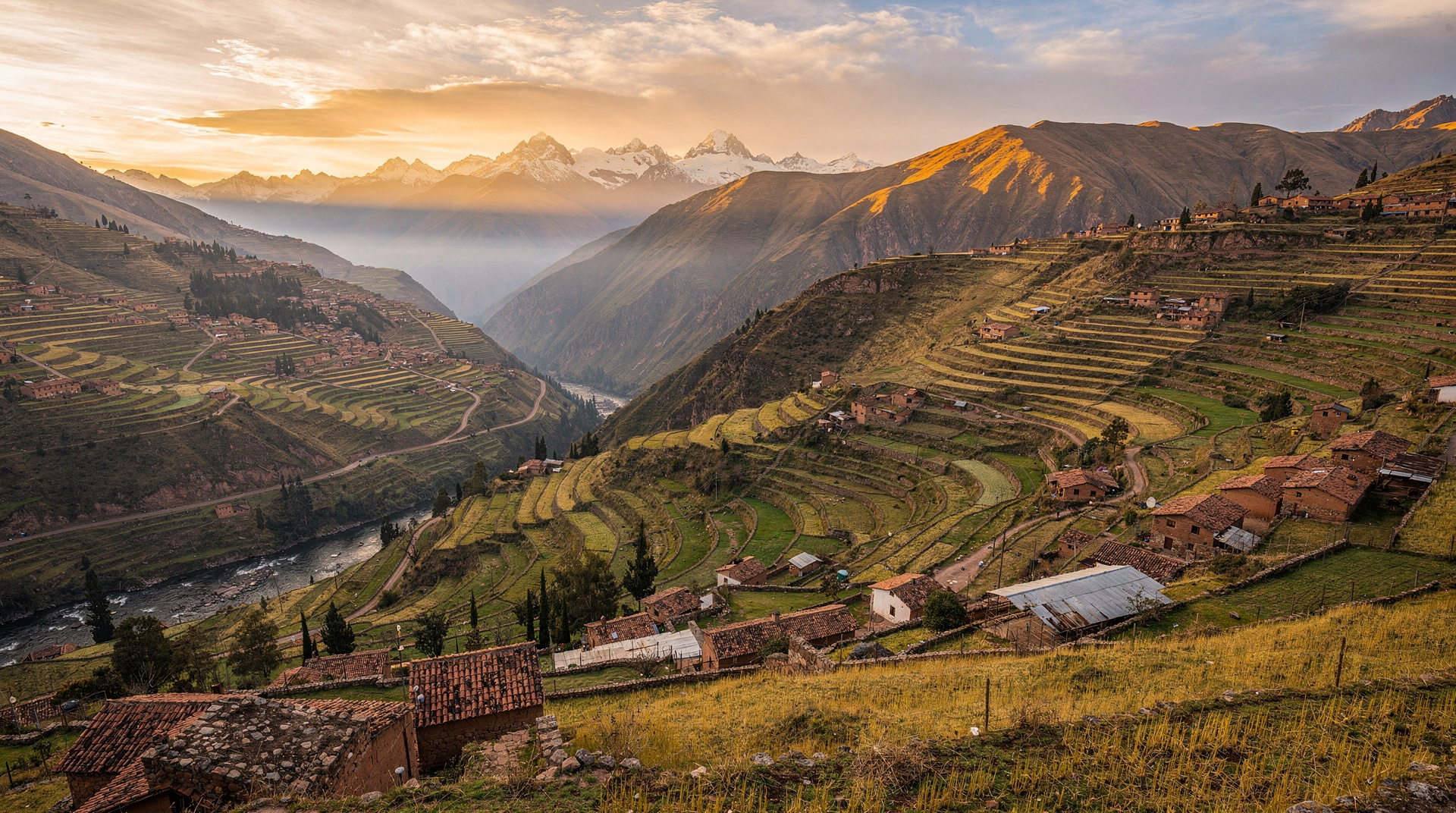
Most visitors to Cusco come for Machu Picchu, the Sacred Valley, and perhaps Rainbow Mountain. The Amazon is an afterthought — something for a separate Peru trip. This is a mistake, and the reason it happens is geography misunderstood: travellers assume the Amazon requires a separate overland journey of days.
It does not. Puerto Maldonado, the gateway to the Tambopata National Reserve, is 45 minutes by air from Cusco. The flight costs S/200–400 ($54–108 USD) return, operates multiple times daily, and puts you on the edge of one of the most biodiverse stretches of Amazonian rainforest on earth before lunch. Combined with a Cusco and Machu Picchu itinerary, a 3-day Amazon extension transforms a good Peru trip into an extraordinary one.
| Where | Puerto Maldonado / Tambopata, 45min flight from Cusco |
| Cost | Around S/700–1,600 ($190–433) per person, 3–4 days all-in |
| Time needed | 3 days minimum, 4 days for the best clay lick |
| Getting there | Fly Cusco–Puerto Maldonado, then canoe transfer |
| Best time | May–October (dry season) |
Tambopata National Reserve: what it is
The Tambopata National Reserve covers 275,000 hectares of lowland Amazon rainforest in the Madre de Dios region, adjacent to the much larger Bahuaja-Sonene National Park. Together, these protected areas form one of the largest contiguous blocks of intact Amazon forest on the planet. The biodiversity numbers are staggering: over 600 bird species, 1,200 butterfly species, 180 species of reptile and amphibian, and a mammal list that includes jaguar, puma, tapir, giant river otter and six species of monkey.
What makes Tambopata particularly valuable for visitors is that the wildlife is genuinely visible. The Tambopata Research Center, Colorado Lodge and several other lodges in the reserve have been operating for decades; the animals in the area around them are habituated to boats and quiet foot traffic. Sightings that would be considered extraordinary elsewhere — giant river otters, macaw clay lick visits, caimans — are routine here.
Getting to Tambopata
By air: The standard route. Fly Cusco to Puerto Maldonado (CUZ to PEM) with LATAM or Sky Airlines. Flight time: 45 minutes. Fares: S/180–350 ($49–95 USD) each way depending on how far ahead you book. Daily flights operate year-round. Your lodge will arrange the canoe transfer from Puerto Maldonado.
By road (not recommended): The Interoceanic Highway connects Cusco to Puerto Maldonado overland via Urcos and Quincemil. The journey takes 8–12 hours depending on conditions. The scenery in the final descent from the Andes into the lowlands is spectacular, but the road is long and often rough. Fly unless you have a specific reason to drive.
The lodges: what to expect
Lodges in Tambopata fall into two broad categories: those on the Madre de Dios river (closer to Puerto Maldonado, more accessible, slightly less pristine) and those deeper in the reserve on the Tambopata river itself (longer boat transfer, more remote, better wildlife).
3-day/2-night packages are the most popular and practical format for visitors incorporating Tambopata into a Cusco trip. An all-inclusive Tambopata 3-day/2-night lodge package covers: airport transfer, return canoe transport to the lodge, all meals, guided walks, night canoe trips, and visits to the macaw clay lick and oxbow lake. Cost: S/700–1,200 per person ($190–325 USD) from Puerto Maldonado, depending on lodge level.
4-day/3-night packages add an extra day and are worth considering if you have the time. The additional day allows a visit to the Tambopata Research Center macaw clay lick — the best in Peru — rather than one of the closer secondary licks. A 4-day/3-night Tambopata package costs S/1,000–1,600 ($271–433 USD) per person from Puerto Maldonado.
For those wanting a lodge-based experience with a focus on accommodation quality, a 3-day Tambopata lodge package with premium accommodation includes larger rooms, better facilities and often a smaller guide-to-guest ratio.
The macaw clay lick
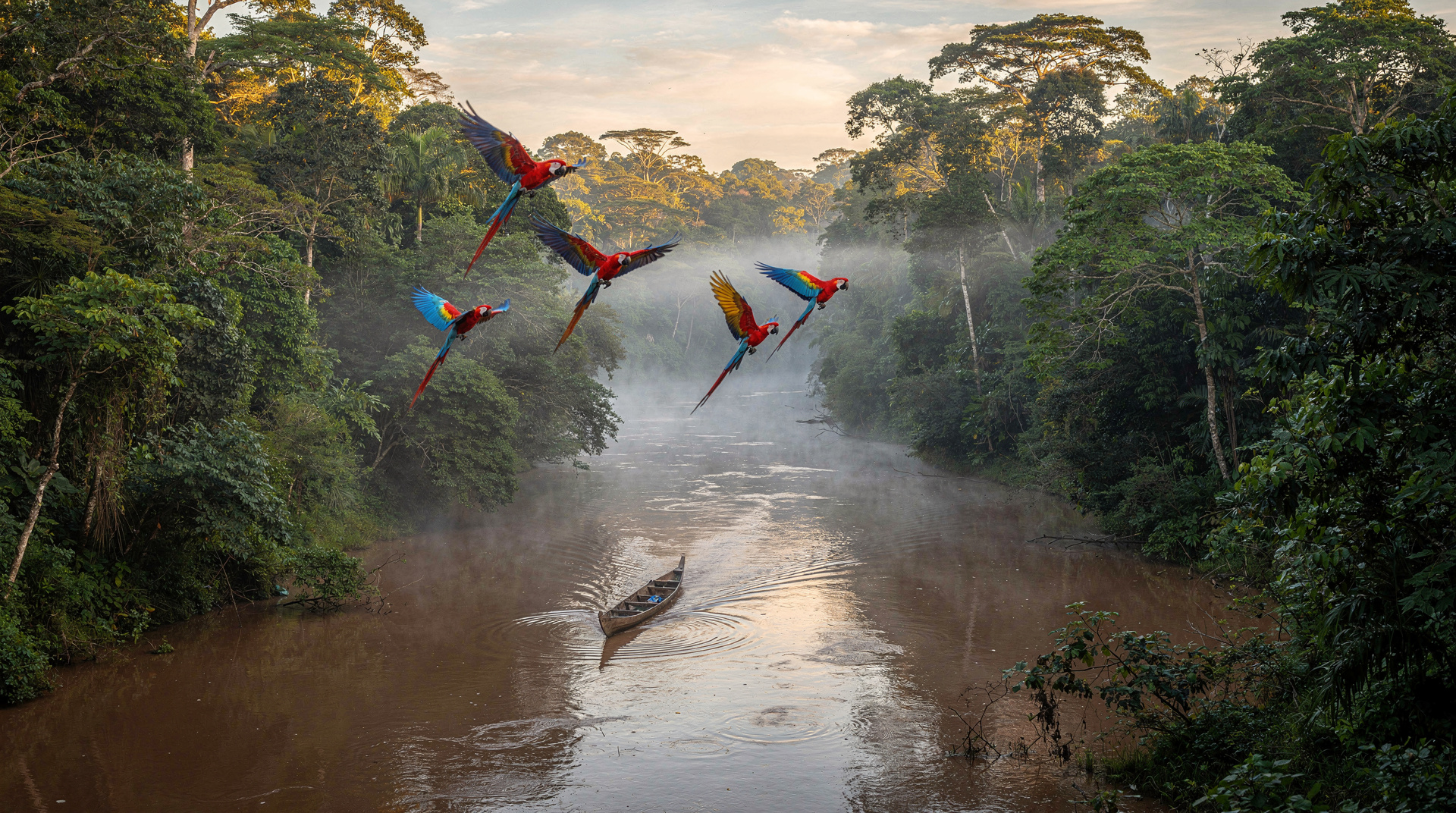
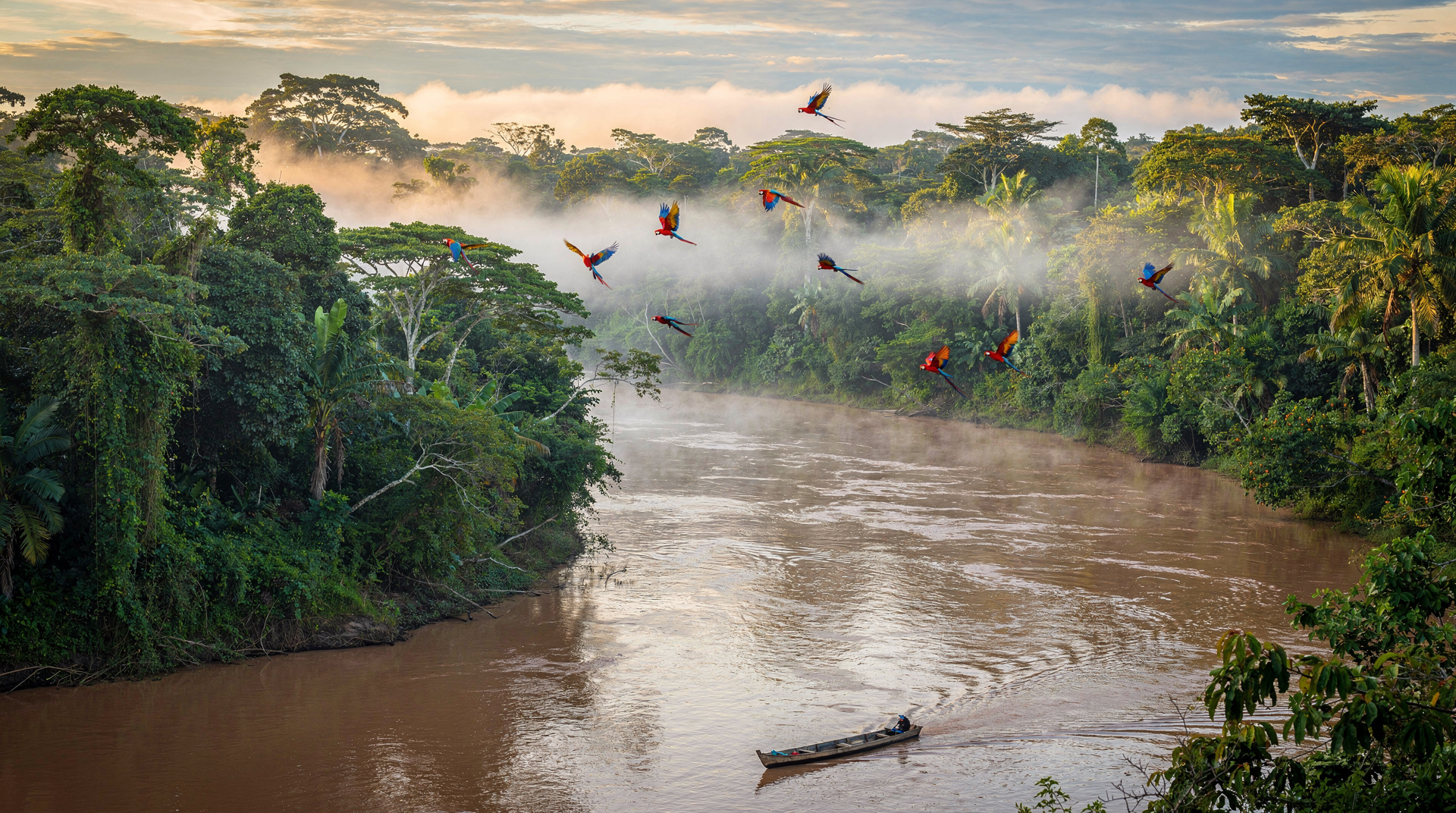
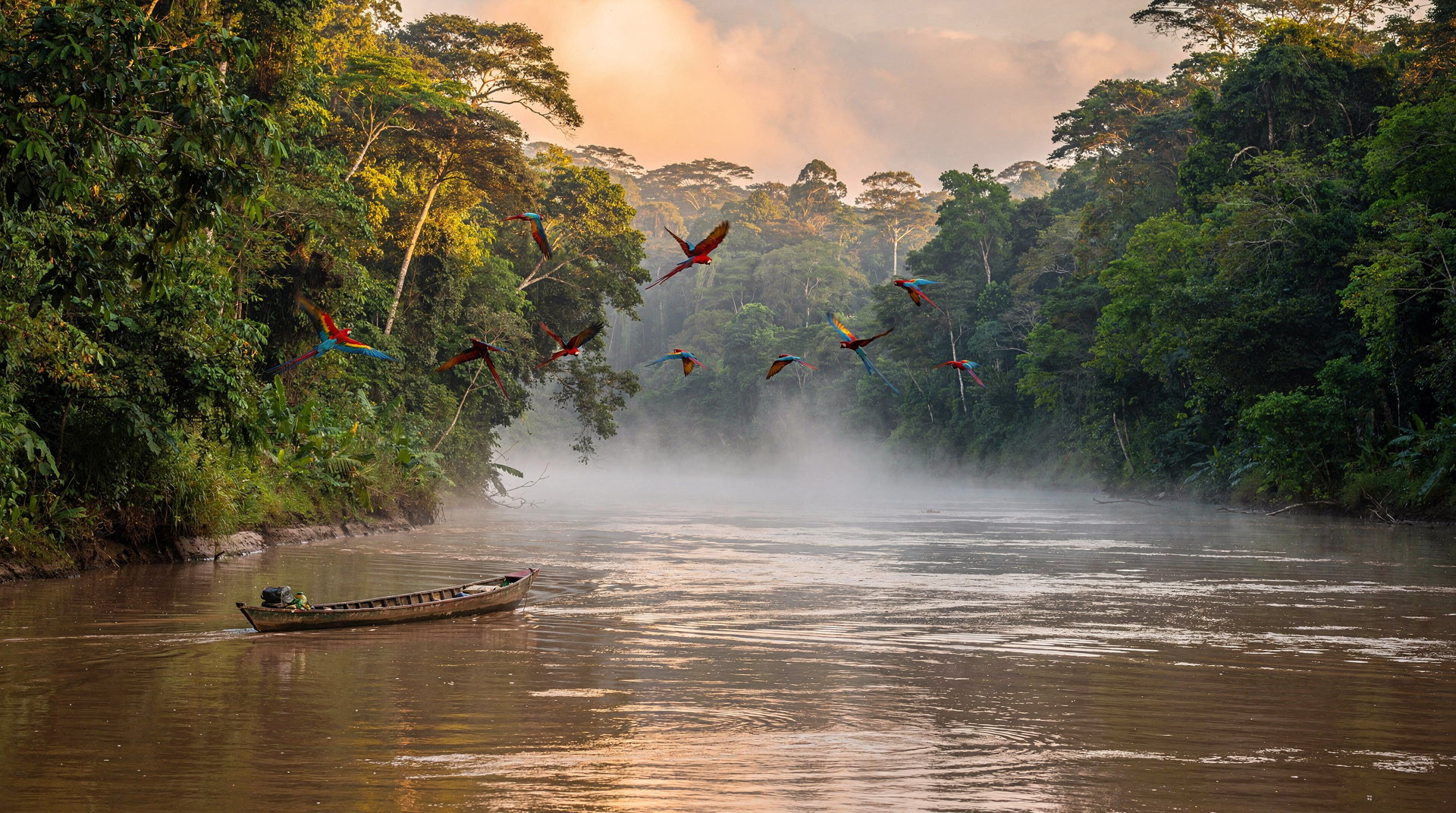
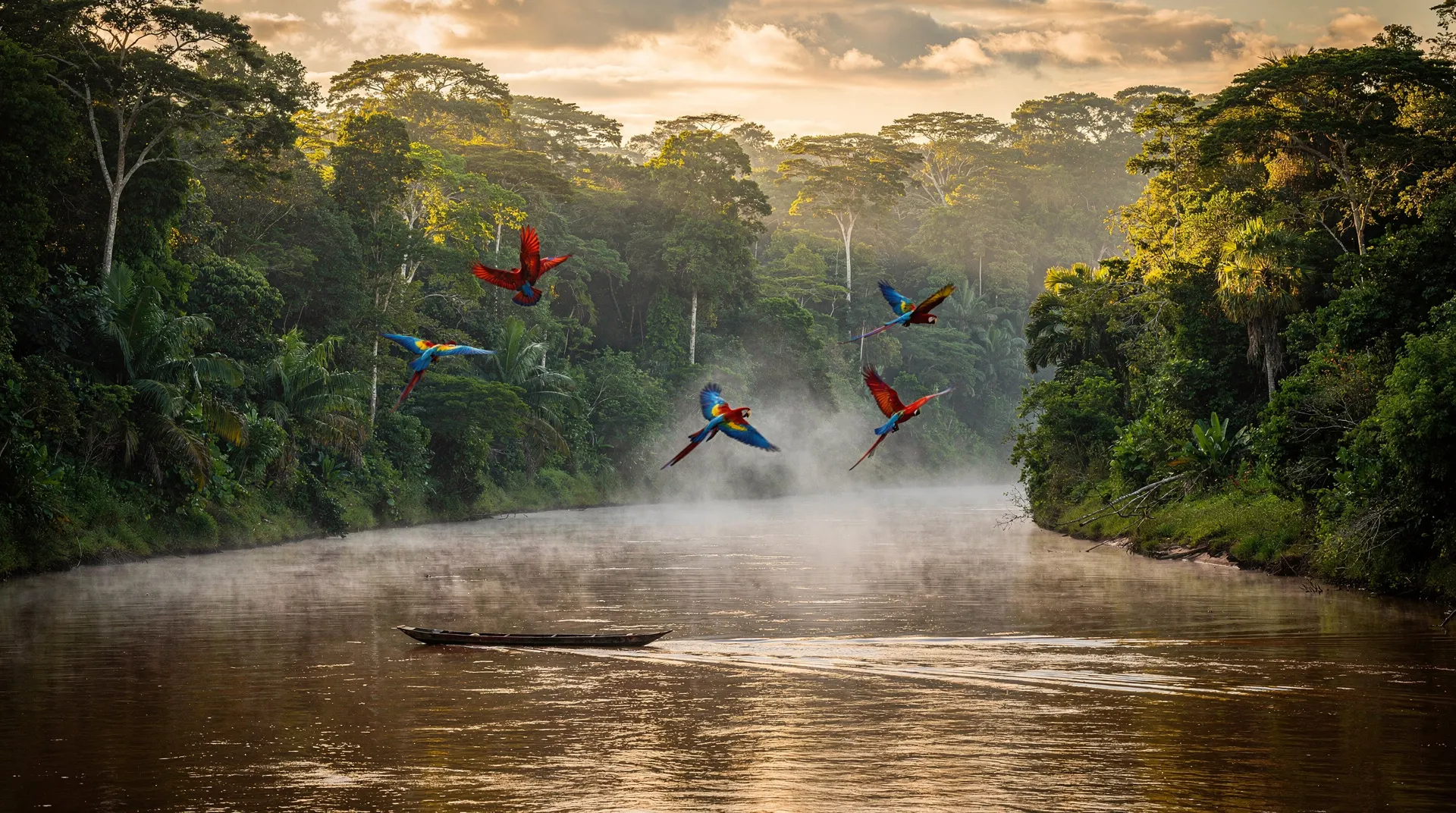
The Tambopata area contains several macaw clay licks (collpas) where parrots and macaws gather in large numbers to ingest mineral-rich clay, which appears to neutralise toxins in their fruit diet. The most famous is the Colorado clay lick at the Tambopata Research Center, where hundreds of macaws including scarlet macaws, red-and-green macaws and blue-headed parrots descend simultaneously in the early morning.
This is, by any measure, one of the most extraordinary wildlife spectacles in the Western Hemisphere. Arriving at the observation shelter before dawn and waiting in silence as the first macaws begin calling in the pre-dawn dark, then watching as hundreds arrive over the following two hours, is an experience that remains vivid years later.
The clay lick is only accessible on the 4-day itinerary (it requires an extra day to reach the Research Center by boat). On 3-day tours, guests visit the secondary Chuncho clay lick, which is smaller but still impressive — 20–40 macaws is typical at Chuncho versus 200–500 at Colorado.
Sandoval Lake and the giant river otters
Laguna Sandoval is an oxbow lake (a former river meander that has been cut off) accessible from the Madre de Dios river near Puerto Maldonado. It is one of the most reliably productive spots on earth for seeing giant river otters — a species that was hunted almost to extinction in the 20th century and has recovered in protected areas.
A family group of 8–12 otters holds the lake territory and is visible most mornings from the paddle canoes that lodges use for the excursion. Giant river otters reach 1.8 m in length, travel in family groups, and are loud, active, and entirely compelling to watch hunting fish in the morning light.
Sandoval also offers outstanding bird watching — hoatzins (the prehistoric “stinkbird”) perch along the vegetated margins, and kingfishers, herons, caimans and a rotating cast of 80–100 bird species are visible on a morning canoe circuit.
Night walks and canoe trips
Most Tambopata lodge programmes include at least one guided night walk through the forest and one night canoe trip on the river. These are not optional extras — they are essential for understanding what the Amazon actually is.
At night, the forest changes completely. Torchlight picks up the eye-shine of caimans at the water surface, tarantulas on tree bark, sleeping birds, giant stick insects, and an improbable range of tree frogs. Night canoe trips reveal caimans in the river shallows and, with luck, giant river otters resting on logs. Night walks in the forest reveal the different shift of animals that daytime walks cannot.
What to pack for the Amazon
The Amazon packing list is entirely different from the Cusco and highlands list:
- Lightweight, long-sleeved shirts and long trousers (mosquito protection in evenings)
- Good insect repellent containing DEET at 30–50% concentration — essential
- Waterproof bag for your camera and valuables
- Light waterproof jacket (afternoon rain is common)
- Rubber boots (most lodges provide these for forest walks)
- Binoculars — ideally 8x42 magnification
- Head torch with spare batteries
- Quick-dry towels and clothing
- Any prescription medications and standard first aid
Leave the down jacket and trekking poles in Cusco. If you are building a bigger bag list for the whole trip, the what to pack for Cusco guide covers the highland half, and you can leave the cold-weather items behind with your hotel before you fly down.
Health considerations
Yellow fever vaccination is recommended for visitors to the Amazon. While not legally required for entry, it is strongly advised — the risk is real, the vaccination is highly effective, and it must be administered at least 10 days before travel. Consult your GP or a travel clinic before departure.
Malaria prophylaxis (typically mefloquine or doxycycline) is advisable for extended stays in remote parts of the reserve. For lodge-based visits of 3–4 days in established areas, the risk is lower; consult a doctor. Dengue fever is present in the region; insect repellent in the evenings is the main protection.
Altitude adjustment
Moving from Cusco (3,400 m) to Puerto Maldonado (250 m) is a dramatic descent. Most people find the change easy — the altitude acclimatisation challenge is removed, though heat and humidity replace it. Drink extra water on arrival day, and avoid heavy physical activity (if there is any) in the first few hours as your body adjusts downward.
If the descent worries you from the other direction, remember that the real altitude work happens in the highlands. Our Cusco acclimatisation plan and the altitude sickness guide explain how to ease in before Machu Picchu or any trek, and why the Amazon makes a gentle contrast to all of it.
Choosing the season for your Amazon extension
The dry-season window quoted above lines up neatly with the busiest months in the highlands, so it pays to think about the two halves of the trip together. The best time to visit Cusco and the Cusco dry season guide show what the Andes look like when the jungle trails are at their driest, while the rainy season guide explains what to expect if you travel when the forest is at its lushest. Neither season rules out the Amazon; they simply change what you see and how you pack.
Pairing the jungle with other Cusco highlights
Because the flight is so short, the Amazon slots in around the headline sights rather than replacing them. Many travellers combine it with Machu Picchu and the Sacred Valley, and the Machu Picchu complete guide will help you fix those dates first. If you want a gentler first day in the region, the Cusco overview and the how many days in Cusco guide help you decide how much time to leave for the city before you head downriver.
For a longer loop, the Southern Peru two-week grand tour shows how the jungle can sit alongside other regions, and the Cusco trip planning 2026 guide covers booking order, flights and budget across the whole journey. Anyone arriving from the capital can start with Lima to Cusco flights and the getting to Cusco guide.
Canopy walks and tree platforms
Several Tambopata lodges have built canopy access infrastructure — rope bridges, platforms and towers that reach the forest canopy at 20–35 m above the ground. Canopy access changes the wildlife experience fundamentally: at ground level you hear birds and see movement above; at canopy level you are inside the bird activity, watching toucans and macaws at eye level.
The canopy is not where most large mammals live, but it is where most of the birds are most of the day. A morning canopy walk — starting before sunrise to catch the first light and the dawn chorus — is one of the most memorable wildlife experiences available at Tambopata and is not widely advertised in tour descriptions. Ask your lodge specifically whether canopy access is available and whether it can be scheduled as part of your programme.
The Tambopata Research Center
The Tambopata Research Center (TRC) is the most remote lodge in the Tambopata reserve, around 4–5 hours upriver from Puerto Maldonado by motorised canoe. It sits adjacent to the Colorado clay lick — the finest macaw clay lick in Peru — and is operated by Rainforest Expeditions, one of the most conservation-focused lodge operators in the Amazon.
Access to the TRC requires the 4-day itinerary; 3-day visitors do not have enough time to make the upriver journey worthwhile. For wildlife enthusiasts specifically, the TRC is worth the extra day: the Colorado clay lick on a good morning sees 400+ macaws of multiple species, a spectacle that the secondary Chuncho lick (visited on 3-day tours) approaches but does not match.
The research station at the TRC hosts visiting biologists and long-term researchers; guests often have the opportunity to accompany researchers on early morning transect walks or speak with scientists about ongoing projects. This adds an educational dimension unavailable at more resort-focused lodges.
Travellers who enjoy this kind of wildlife watching may also like the Colca Canyon condors guide, which covers another wildlife highlight of the southern Andes, and the personal Amazon diary from Cusco for a first-person account of the trip.
Responsible wildlife tourism
The Tambopata lodges operate in a national reserve with strict rules: no feeding wildlife, no off-trail walking without a guide, no collecting of plants or animals, and no use of flash photography near nesting birds. These rules exist for good reason and are enforced by guides.
Responsible tourism in the Amazon also means choosing operators who employ local guides from Amazon communities (rather than Cusco city guides with no forest background), who participate in community benefit-sharing programmes, and who actively support anti-poaching and monitoring work in the reserve. Rainforest Expeditions and Inkaterra are two of the better-known operators with genuine conservation credentials; your GetYourGuide booking connects to vetted operators within this category.
The Tambopata vs Manu guide covers the full spectrum of Amazon reserve options from Cusco, including the more remote and pristine Manu National Park for serious naturalists.
Extending to four or five days
The 7-day Cusco and Amazon itinerary builds the Tambopata extension into a full week: three days in Cusco and the Sacred Valley, one day Machu Picchu, then three days in Tambopata. This is probably the best-value single trip you can take in South America — covering the most acclaimed Inca site on the continent and one of the richest wildlife destinations in the Amazon in a single trip. The comparative guide to Tambopata vs Manu will help you choose the right reserve.
Where to slot the Amazon in your Cusco trip
Most visitors do the Amazon last, after Machu Picchu and the Sacred Valley, for a practical reason: the descent from 3,400 m to 250 m is a genuine relief on tired legs and altitude-adjusted lungs, and it makes an easy, low-effort finale rather than a demanding start. If you reverse the order and do Tambopata first, be aware you will then need to re-acclimatise to Cusco’s altitude on your return — build in at least a half-day of rest before any strenuous highland activity.
Flight scheduling is the main constraint: LATAM and Sky Airlines typically run one to three daily Cusco–Puerto Maldonado flights, so your Amazon dates need to be fixed before you lock in the rest of the itinerary, particularly in shoulder months when frequency drops. Book the flight and lodge package together rather than separately to avoid a mismatched arrival time at the airport.
Frequently asked questions about Visiting the Amazon from Cusco: Tambopata
How far is the Amazon from Cusco?
Do I need to be fit to visit the Amazon from Cusco?
What wildlife can I expect to see in Tambopata?
What is the difference between Tambopata and Manu?
When is the best time to visit the Amazon from Cusco?
Top experiences
Bookable activities with verified prices and instant confirmation on GetYourGuide.