Lake Titicaca Uros and Taquile tour: tour review
Puno: Full-Day Tour of Lake Titicaca and Uros & Taquile
What to expect on the water before you book
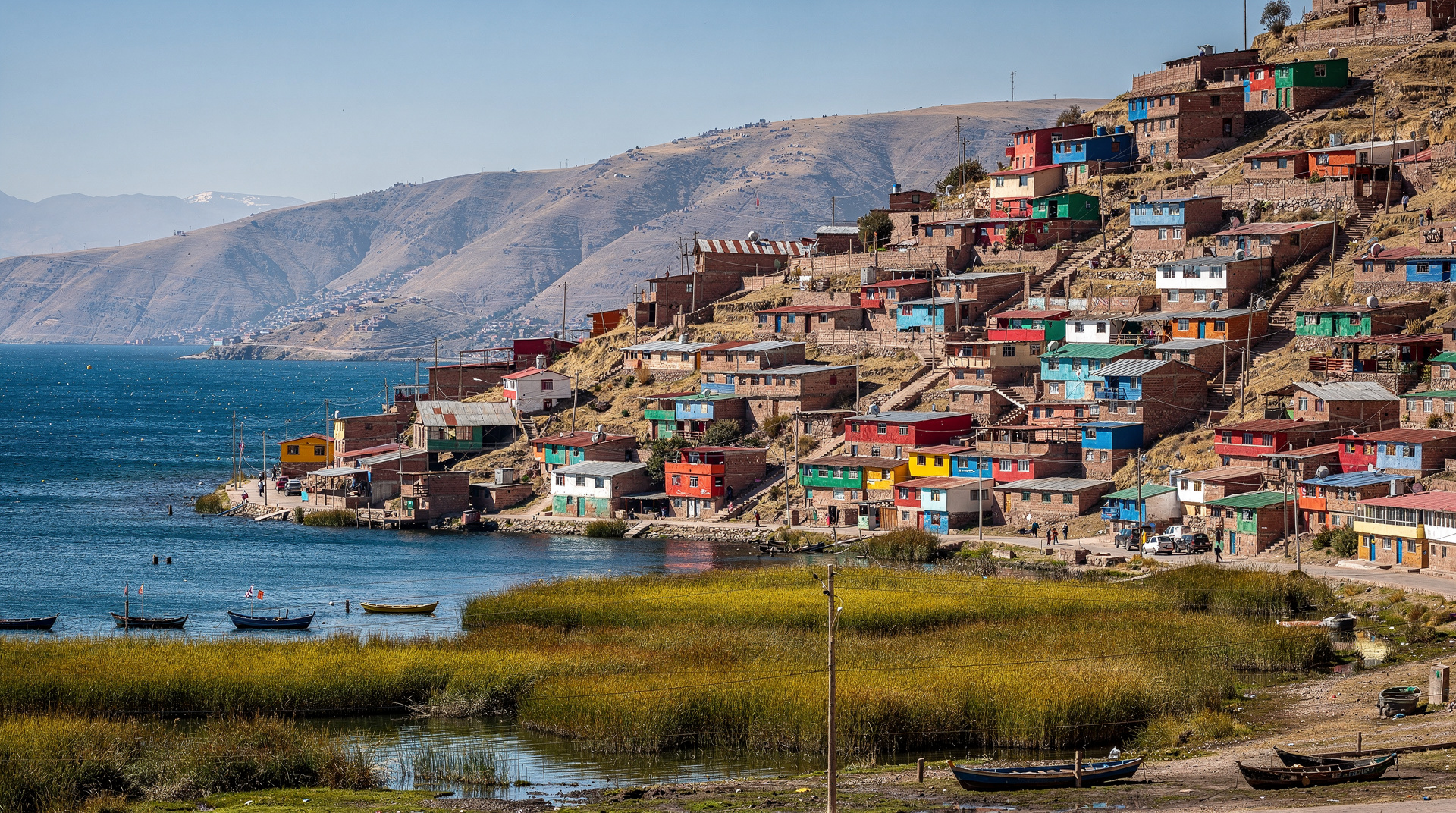
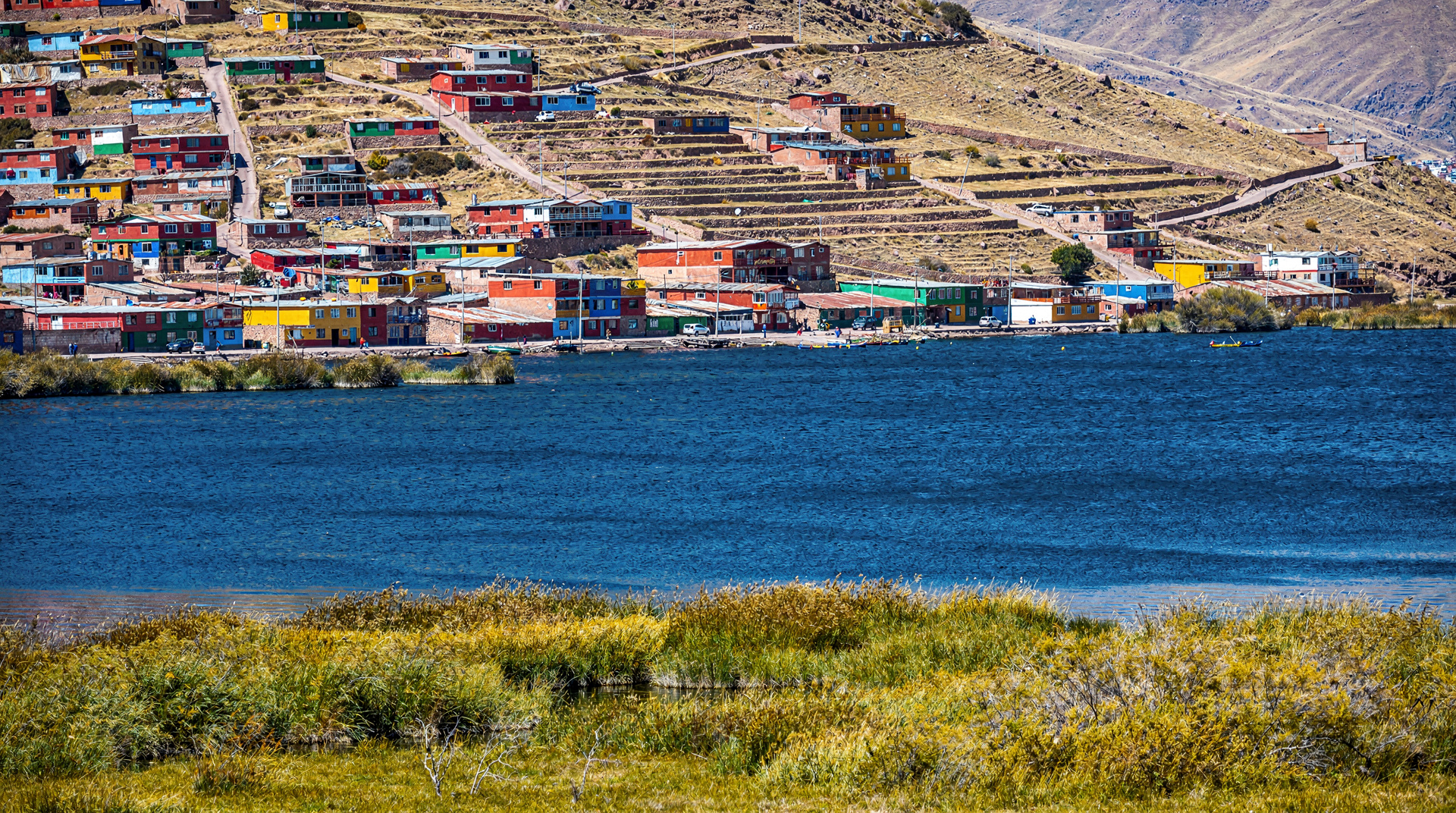
Lake Titicaca is the world’s highest navigable lake at 3,812 m, straddling the Peru-Bolivia border in a landscape of extraordinary light and space. The Uros floating reed islands and the traditional communities of Taquile are the headline attractions accessed from Puno and together constitute the standard one-day lake experience for most travellers passing through on the southern Peru circuit. This review gives you an honest account of both, what to expect from the tour format, and when the longer alternatives justify the extra day.
| Where | Puno, Lake Titicaca (3,812 m) |
| Cost | S/100–180 (~$29–52) full day |
| Time needed | Full day, boat departs Puno morning |
| Sites | Uros floating islands + Taquile Island |
| Best time | Dry season (May–September) for clearest skies |
The Uros floating islands: the honest picture
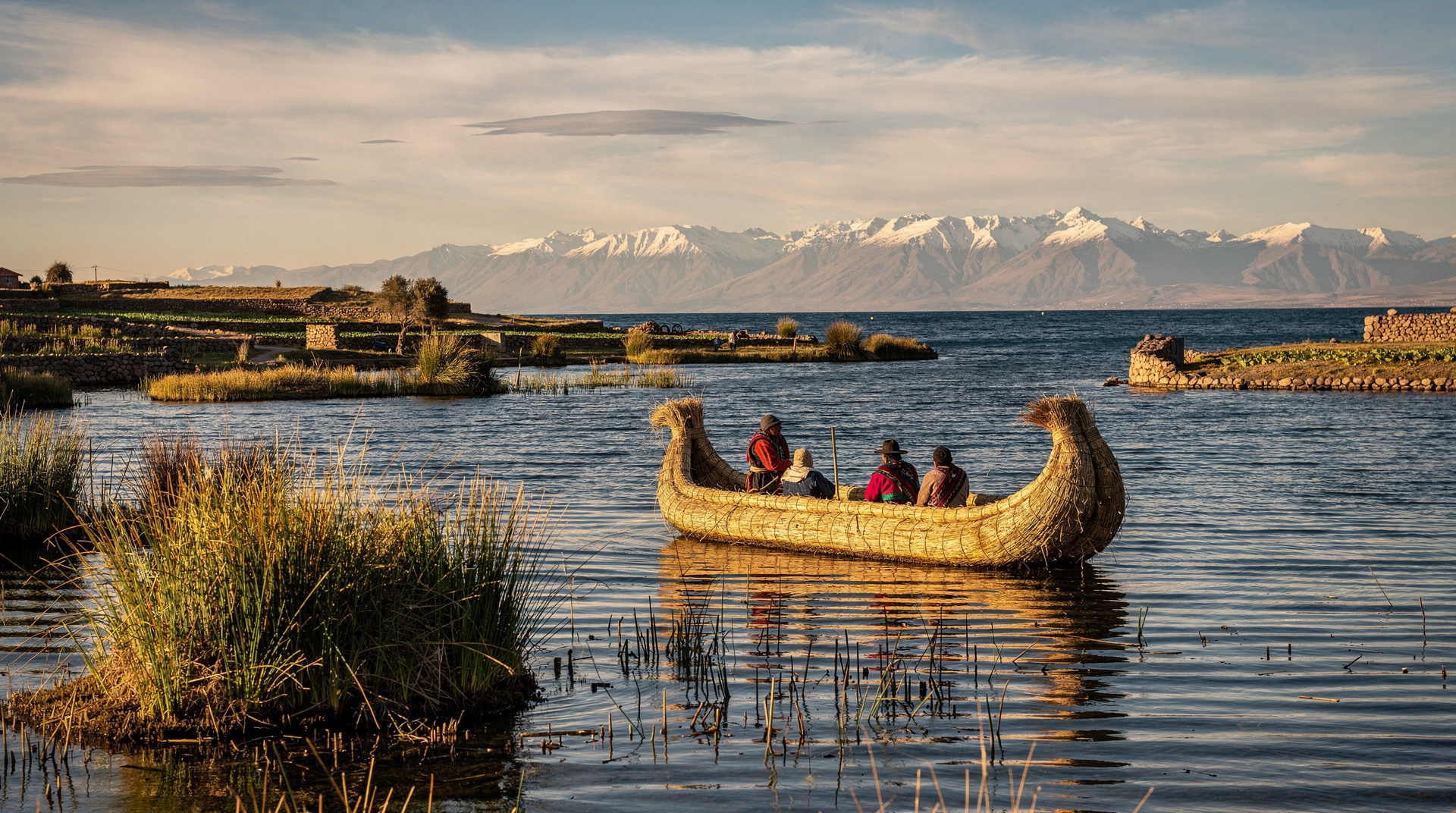
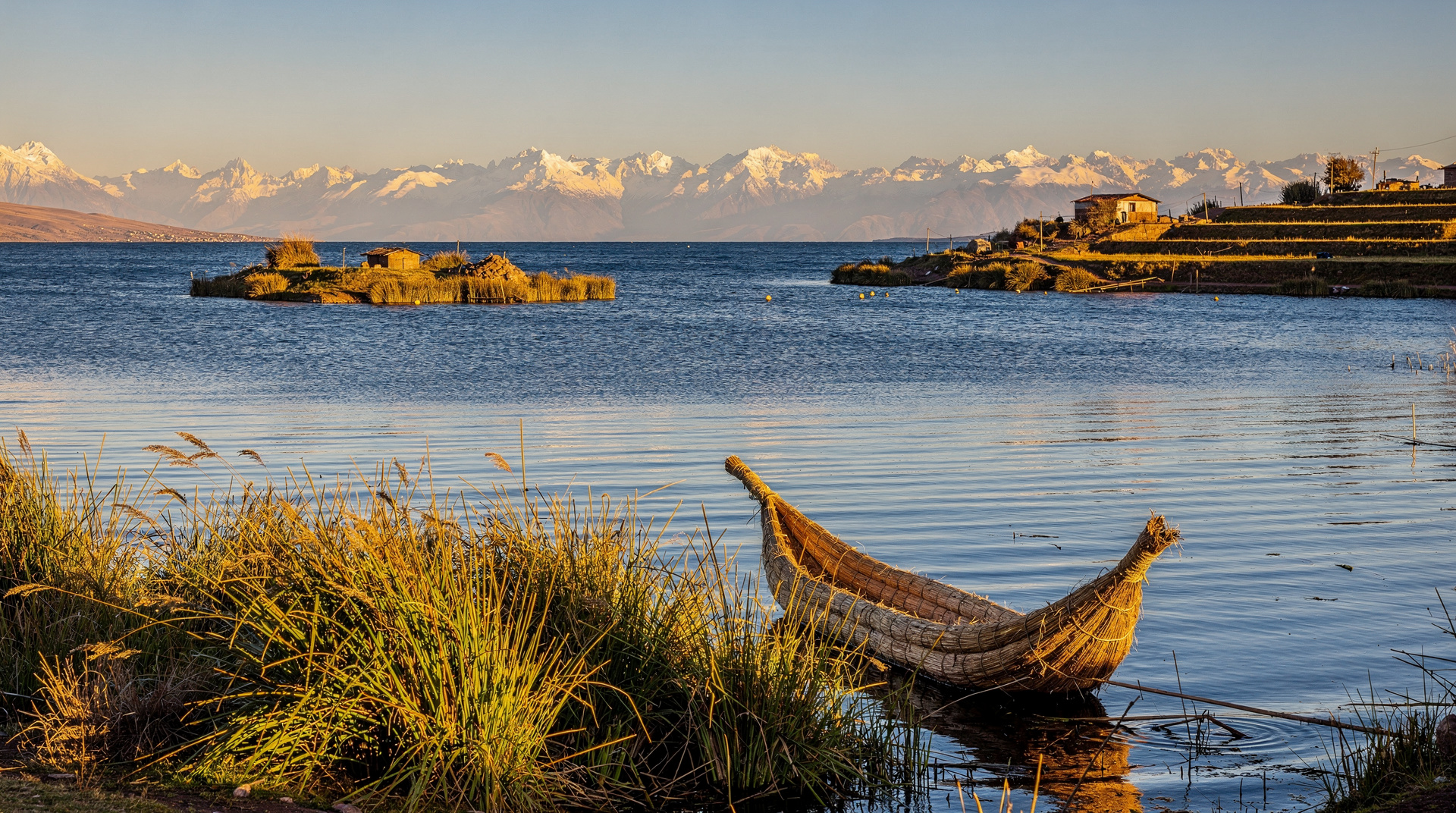
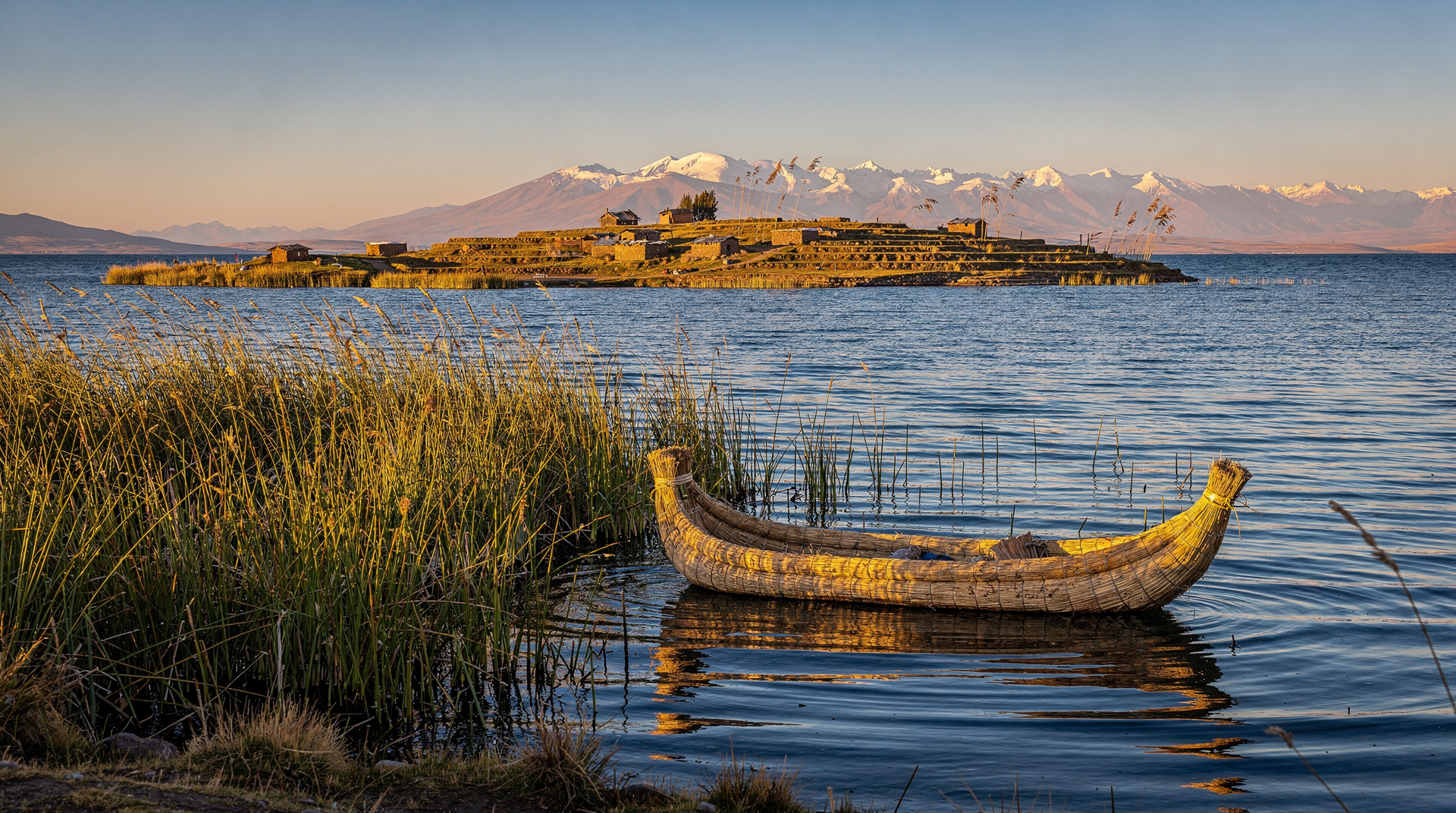
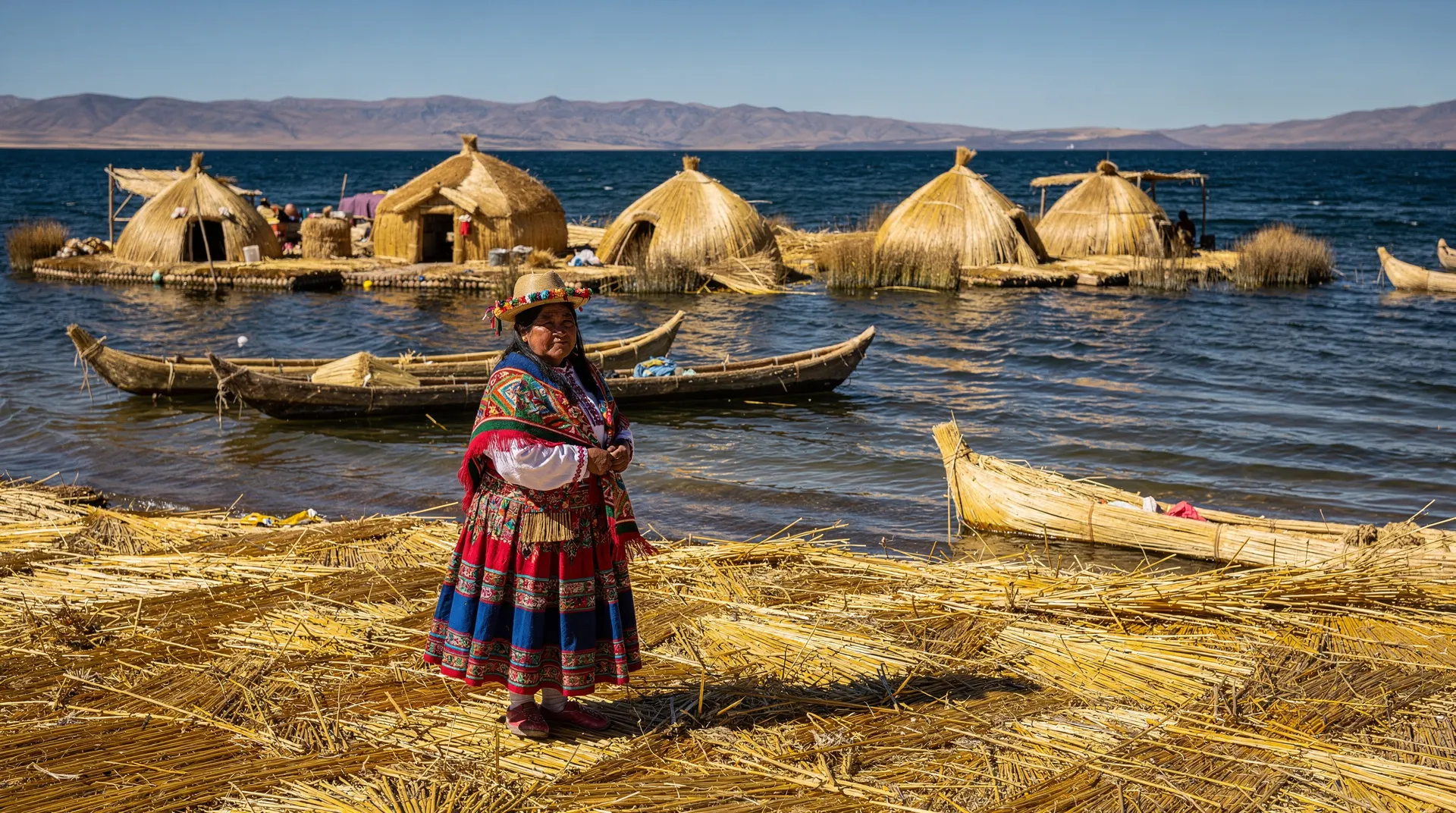
The Uros people have lived on totora reed islands in Lake Titicaca for centuries — the islands are genuinely constructed from layers of cut totora reeds, added continuously as the lower layers decompose. Walking on the surface gives a distinctive springy feel that is one of the stranger physical sensations of the region. Uros families live on these islands year-round, with reed-constructed homes, boats, and more recently solar panels and satellite dishes.
The tourist reality: the islands closest to Puno port are the most visited and have developed a gift-shop, demonstration-ride quality that veteran travellers find disappointing. Reed boat demonstrations, weaving demonstrations, and aggressive souvenir selling can make the visit feel extractive rather than genuine. This is not dishonest — it is the economic adaptation of a community responding to mass tourism.
The better experience: a guide who takes you to one of the smaller, less-accessible islands where a family lives in something closer to their normal routine. These visits are shorter on performance and longer on genuine interaction. Ask your operator specifically whether their Uros visit includes less-visited islands. The difference in experience is significant.
Book the full-day Uros and Taquile tour from Puno — standard inclusions: guided boat trip, Uros Islands visit, Taquile Island visit including summit walk and lunch, and return to Puno.
Taquile Island: the more rewarding half of the day
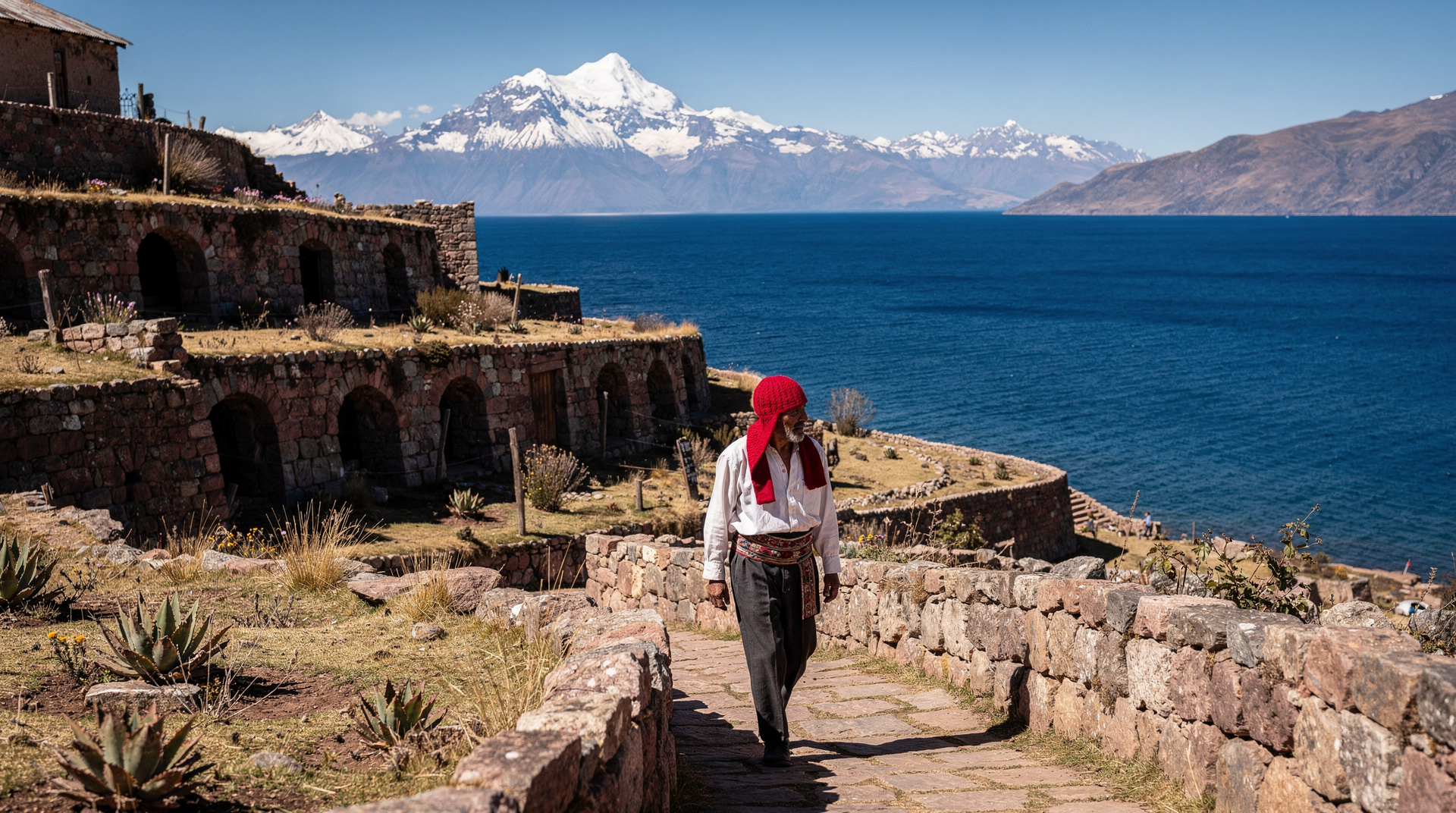
Taquile is a 5.5 km by 1.7 km island rising steeply from the lake surface to a central ridge at approximately 4,050 m. The island’s approximately 2,000 residents have maintained cultural traditions that include one of the most celebrated weaving traditions in the world — Taquile’s textiles are a UNESCO Intangible Cultural Heritage, and the cooperative system governing their production has been largely intact since Inca times. Men knit (not women — this is a notable gender role reversal); women spin and weave. The quality of the work visible in the cooperative shop is extraordinary.
The walk from the boat dock to the main plaza involves approximately 500 stone steps — at 4,050 m, a meaningful climb that takes 30–45 minutes. The view from the central plaza looking across the altiplano lake to Bolivia and the distant Cordillera Real is one of the most dramatically open views in South America. On a clear day, you can see snow-capped Bolivian peaks across the water.
Lunch on Taquile is a set meal (typically freshly caught trout or ceviche de trucha, quinoa soup, and coca tea) served in small family restaurants around the plaza. The quality is consistently good and the setting — a stone plaza at 4,050 m on a remote Andean island — makes it one of the more memorable lunch spots of any standard Peru tour.
The speedboat alternative
The speedboat version of the Uros and Taquile tour covers the same route in approximately half the water transit time — 45–60 minutes to Taquile versus 2–2.5 hours. This is a significant practical advantage for travellers with tight schedules or those prone to seasickness on open water. The lake at altitude can produce short choppy waves in the afternoon. The trade-off is that the speedboat experience misses the gradual sense of departure from the mainland that the standard boat provides, and some travellers find the hard seats and speed uncomfortable over longer crossings.
For travellers with one full day at Titicaca and no particular sensitivity to the longer boat, the standard boat is preferred — the transition time on the water is part of the experience and most visitors find the lake crossing itself pleasant in good weather.
The 2-day Amantani alternative
The 2-day tour including Amantani Island homestay is the most transformative version of the Lake Titicaca experience. Amantani Island is 40 km from Puno, less visited than Taquile, and structured around a community homestay programme where families host overnight visitors in their homes. The experience — a simple evening meal, the night sky at 3,800 m, and breakfast before departure — is one of those travel moments that most visitors name as a specific highlight of their entire Peru trip.
If your itinerary allows a second day at Titicaca, this is the correct upgrade. The 2-day format typically includes Uros on Day 1, Amantani overnight, and Taquile on Day 2 before returning to Puno. The 10-day Cusco and Titicaca itinerary shows how to build the 2-day version into a broader Peru trip.
Who the full-day tour suits
The one-day Uros and Taquile tour suits travellers on a tight southern Peru circuit who are passing through Puno for a single day — typically combined with a Cusco stay before and an overnight bus to Arequipa or Bolivia after. It is also appropriate for travellers who are unsure whether they want to commit to a second day on the lake and want to see the headline sites before deciding.
The tour is manageable for most fitness levels, though the Taquile ascent (500 steps at 4,050 m) requires steady pacing. Travellers who arrived directly in Puno from lower altitude should rest for one day before the walk. The altitude sickness guide is relevant here — Puno is slightly higher than Cusco.
Honest pros and cons
Pros: The single-day format efficiently delivers two distinctive island communities. Taquile Island is a genuinely intact traditional community worth visiting. The UNESCO-recognised weaving cooperative produces some of the finest textiles in South America and selling at the cooperative supports the community directly. The lake crossing in good weather is beautiful. Trout lunch on Taquile is reliable and excellent.
Cons: The Uros Islands nearest Puno have a commodified, performative quality that some visitors find disappointing. The boat crossing (2+ hours each way) is long and can be rough in windy afternoon conditions. One full day does not allow an overnight on Taquile or Amantani — the experiences that most previous visitors identify as the best of the lake. The Taquile summit walk at 4,050 m is demanding for newly arrived altitude visitors.
Navigating the Uros Islands honestly
The commercial reality of the Uros Islands near Puno dock has developed into something that divides visitors sharply. Some travellers find the demonstration-and-gift-shop format charming and appreciate the community’s ingenuity in adapting to tourism. Others find it frustrating and extractive. Both responses are reasonable.
The most useful reframe: the Uros people who work the islands nearest Puno dock have made a choice to participate in mass tourism as an economic strategy, just as communities everywhere adapt their traditions to the economic contexts they face. The reed boat rides, the woven handicraft sales, and the demonstration of traditional reed construction are all genuine activities — the community simply also knows that presenting them for tourists is a livelihood. This does not make the experience fake; it makes it a contemporary encounter with a living community adapting to its circumstances.
The alternative — going to a smaller, less-visited island with fewer demonstrations and more ordinary daily life — is available through guides who know the lake and who prioritise genuine cultural exchange over efficient processing. Some operators specifically arrange visits to family-owned islands where tourism income supplements fishing and reed harvesting rather than replacing them. Ask your tour operator whether this is an option.
What to do at the Uros Islands: engage with the community members rather than treating the visit as a photo stop. Buy directly from the craftspeople selling their own work rather than from the common stalls. Ask your guide to interpret conversations with community members if you do not speak Spanish. The 30–45 minutes typically allocated is enough for a genuine interaction if you approach it actively.
The Taquile textiles: what to buy and where
Taquile Island’s weaving cooperative is one of the most ethically straightforward places to buy traditional Andean textiles in all of Peru. The work is made by the island’s residents, priced by the cooperative rather than individual vendors, and the proceeds go directly to the community. This is significantly different from the Cusco souvenir market, where most goods labelled as “traditional” are manufactured in workshops elsewhere.
The most significant textile from Taquile is the men’s hat (chullu) — knitted by Taquile men from hand-spun wool in complex traditional patterns, with colour coding that indicates the wearer’s social status and marital standing. A well-made chullu takes 3–4 months to produce; the cooperative’s shop sells them at S/80–200 depending on quality and complexity. Narrow woven belts (chumpi) and table runners woven on backstrap looms are also available at more accessible prices.
It is worth noting that Taquile textiles are designated UNESCO Intangible Cultural Heritage — this is not a marketing label, it is a recognition that the specific techniques, patterns and social organisation of the weaving practice constitute a living heritage worth protecting. Buying directly from the cooperative supports this continuation.
Comparing the three tour formats
| Full-day (standard boat) | Full-day (speedboat) | 2-day Amantani | |
|---|---|---|---|
| Water transit | 2–2.5 hrs each way | 45–60 min each way | Similar to standard, split over 2 days |
| Overnight on lake | No | No | Yes, family homestay |
| Price | S/100–180 | S/120–200 | S/150–250 |
| Best for | Standard schedule, no seasickness concern | Tight schedules, seasickness-prone | The single best Titicaca experience |
Getting to Puno and connecting onward
Most travellers reach Puno from Cusco by tourist bus (around 7–8 hours with scenic stops) or the luxury Andean Explorer train. From Puno, onward travel typically continues to Arequipa (6–7 hours by bus) or across the border to Bolivia via Copacabana. Because the lake tour is a full day, most itineraries build in an overnight in Puno before and after — arriving the evening before the tour and departing the following morning works well, especially since a same-day connection after a full day on the water is tiring. The Cusco to Puno transport guide covers the bus and train options in detail, including which operators include scenic stops at La Raya pass (4,335 m) en route.
Seasonal and practical notes
Lake Titicaca is visited year-round. The dry season (May–September) provides the clearest skies and best photography. The lake can be cold and wind-exposed at all times — layers are essential regardless of season. The rainy season (November–March) sees lower visitor numbers and often dramatic skies over the lake; the crossings are rougher in windy weather.
The Lake Titicaca wildlife guide covers the endemic species of the lake including the giant frog of Titicaca, the puna ibis, and the Titicaca grebe.
Wildlife spotting is a genuine bonus on a clear-weather crossing: flocks of puna ibis and the occasional Andean gull are commonly visible from the boat, and reed beds near the Uros Islands host several waterbird species that a sharp-eyed guide will point out without it becoming the focus of the day. Binoculars are not standard tour equipment, so bring your own if birdwatching interests you specifically.
Pricing reference (2026)
Full-day Uros and Taquile tour (boat, guide, entrances, lunch): S/100–180 ($29–52) per person. Speedboat version (faster transit): S/120–200 ($35–58). 2-day Amantani homestay tour: S/150–250 (~$43–72) per person for the two days including accommodation and meals on Amantani. Individual island entrance fees: Uros approximately S/10, Taquile approximately S/10–15.
Verdict
The Lake Titicaca Uros and Taquile full-day tour delivers the essential Titicaca experience in a single efficient day. Taquile Island is the highlight — genuine, beautiful, and worth the altitude climb. The Uros Islands are worth visiting with the right guide, but ask specifically about less-touristic island visits before booking. If you have an extra day, upgrade immediately to the 2-day Amantani homestay — the overnight on the lake is in a different category of experience from the day trip. The 10-day Peru itinerary including Titicaca shows how both fit into a broader southern Peru circuit.