Rainbow Mountain day trip from Cusco: tour review
Vinicunca Rainbow Mountain Day Trip from Cusco
What this tour really involves — before you book
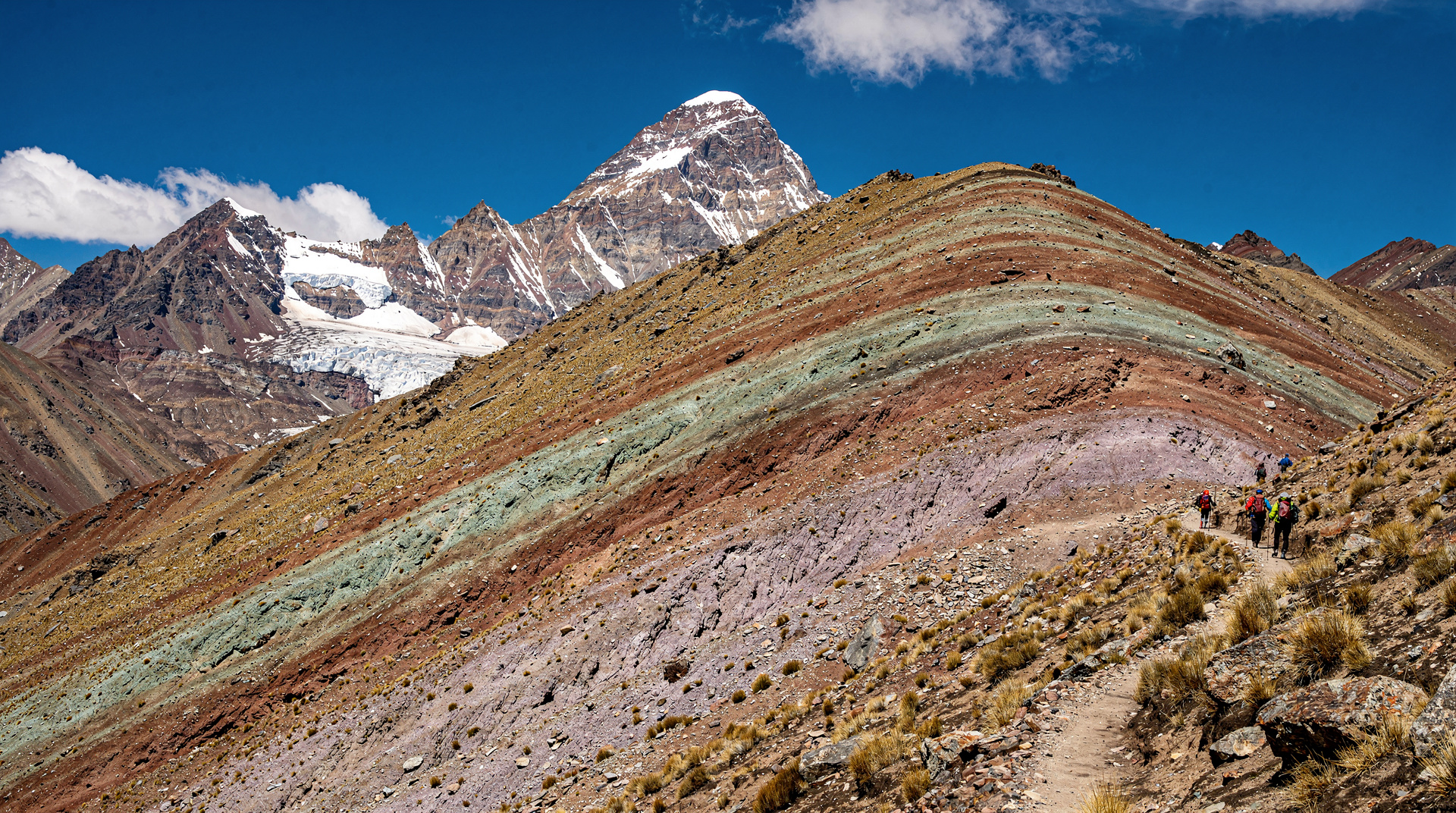
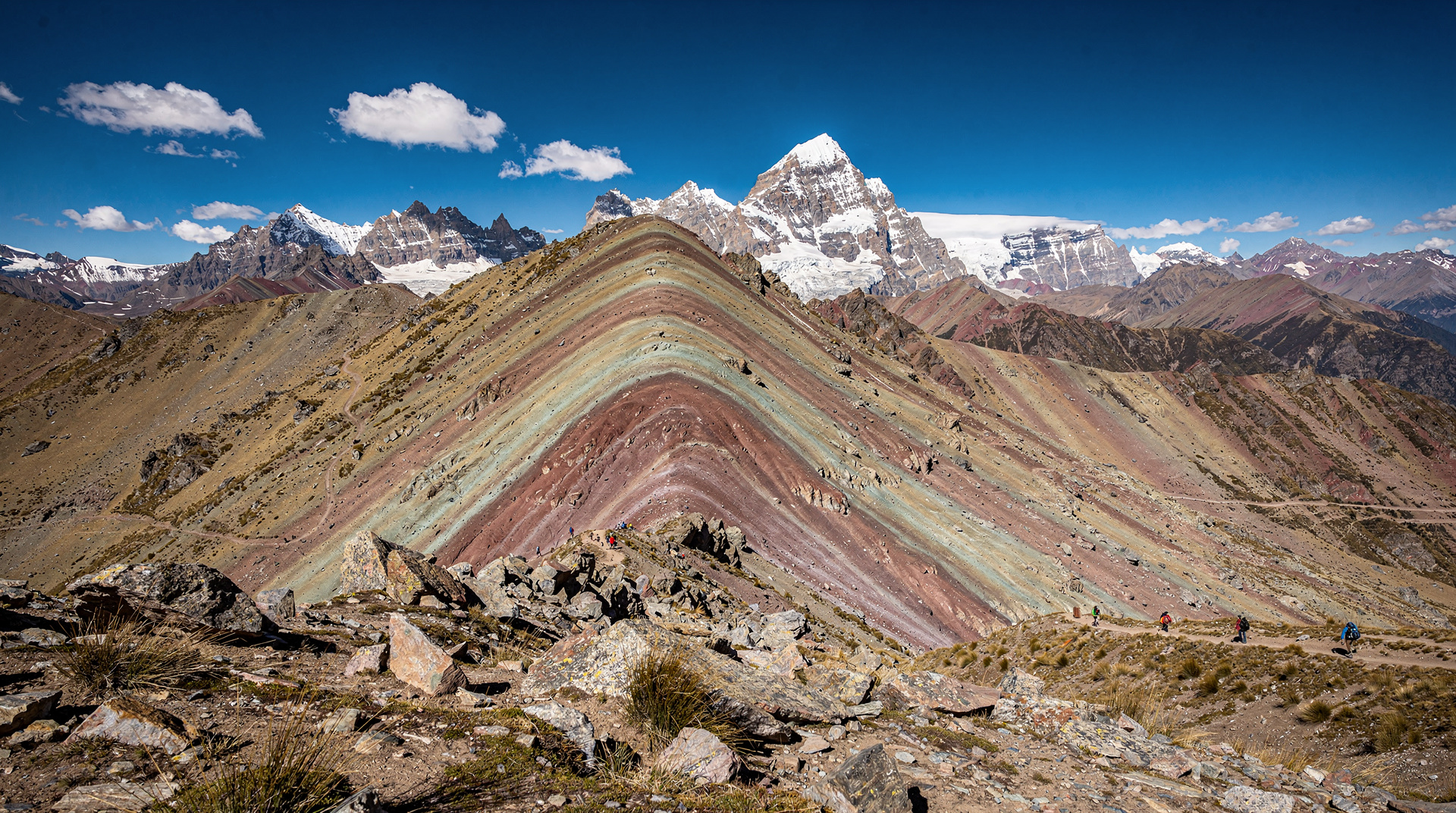
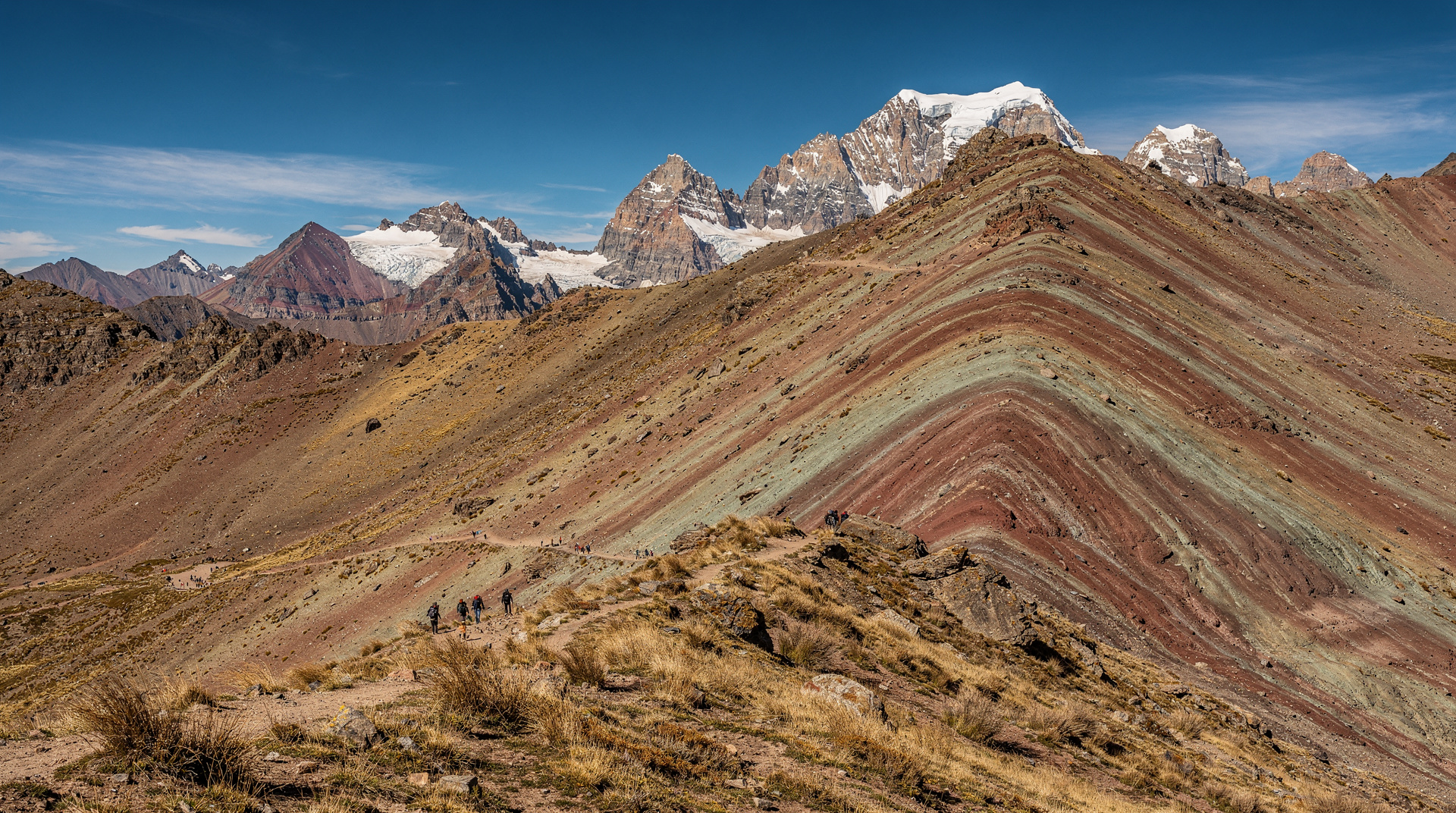
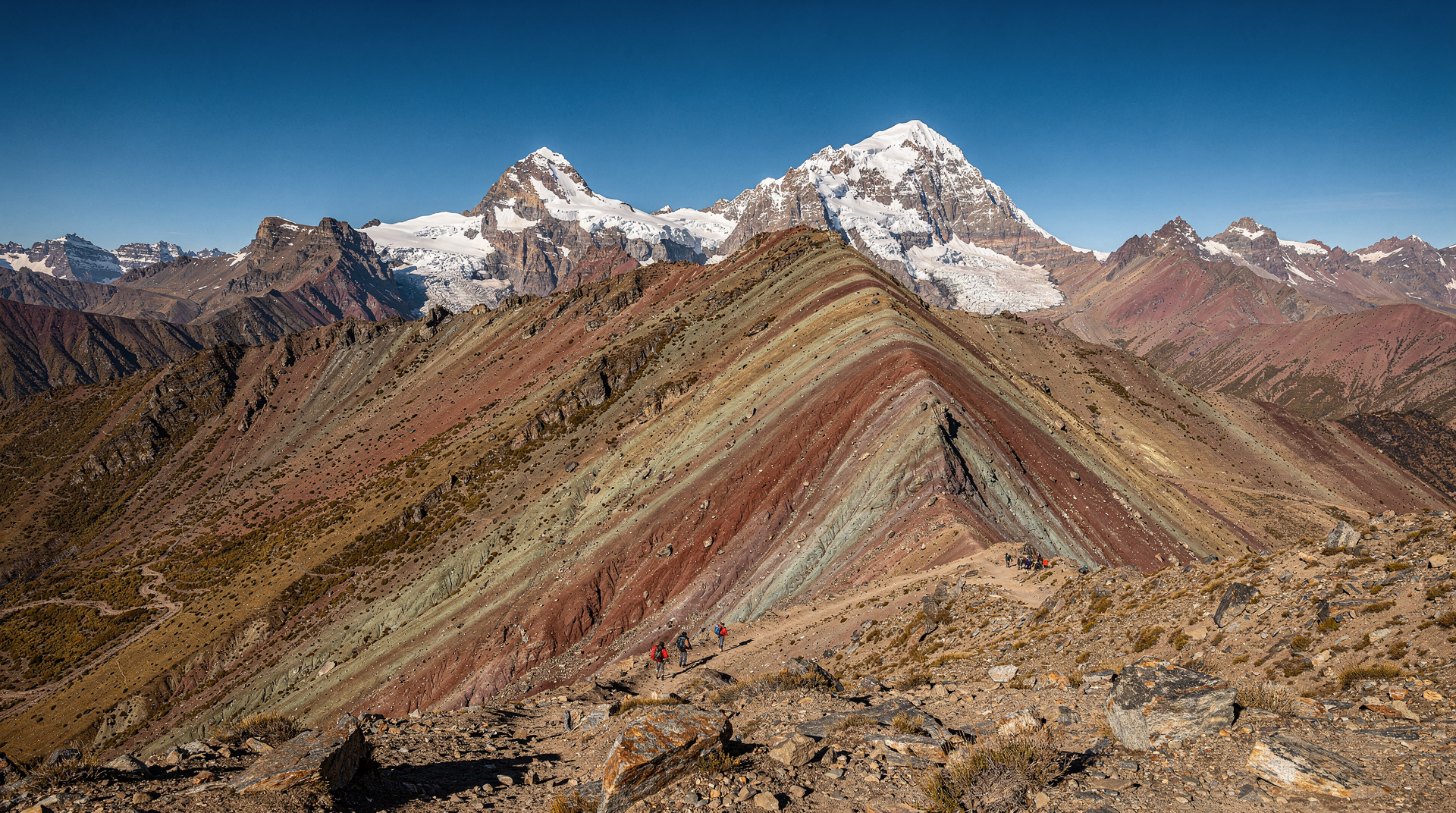
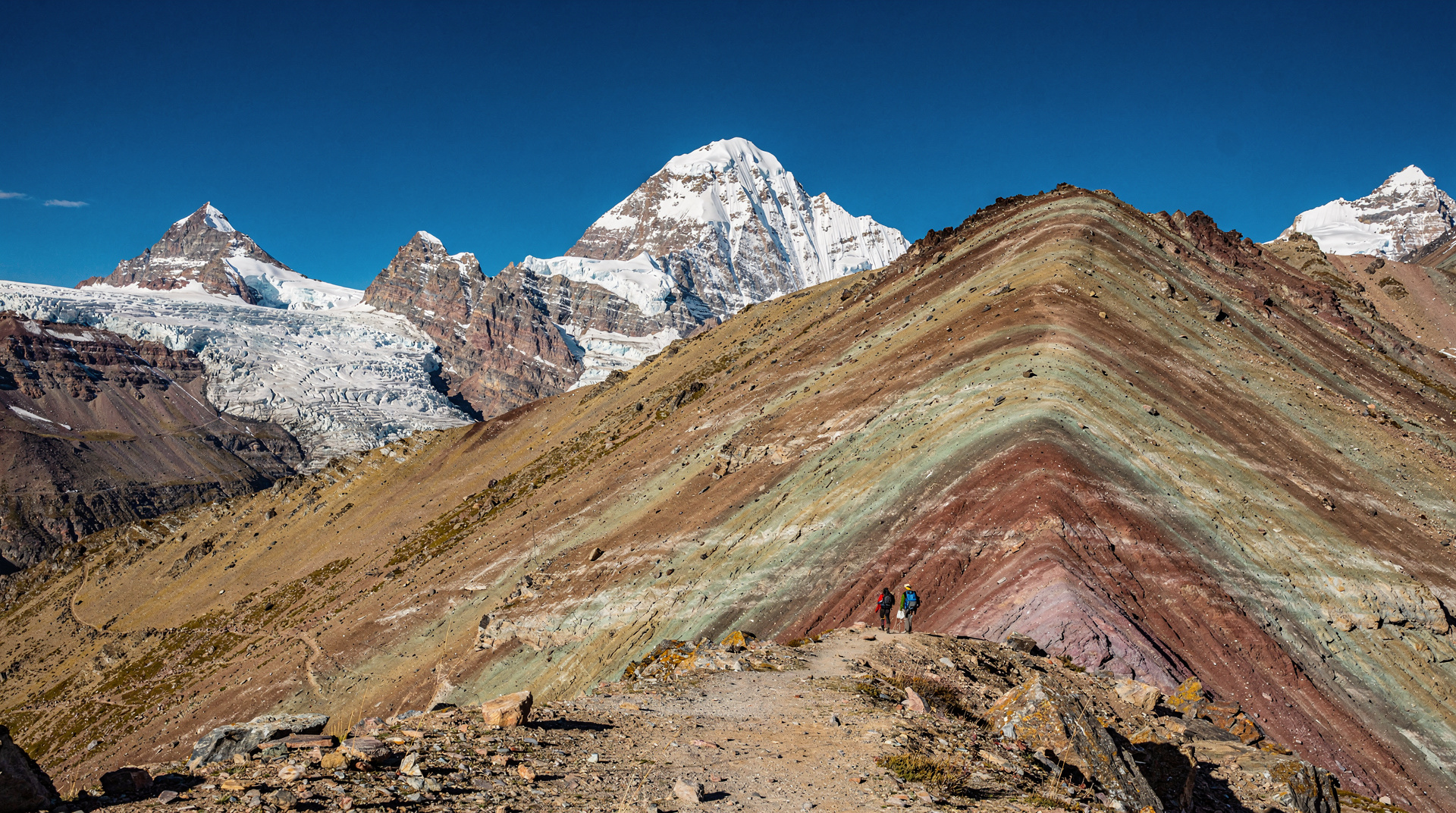
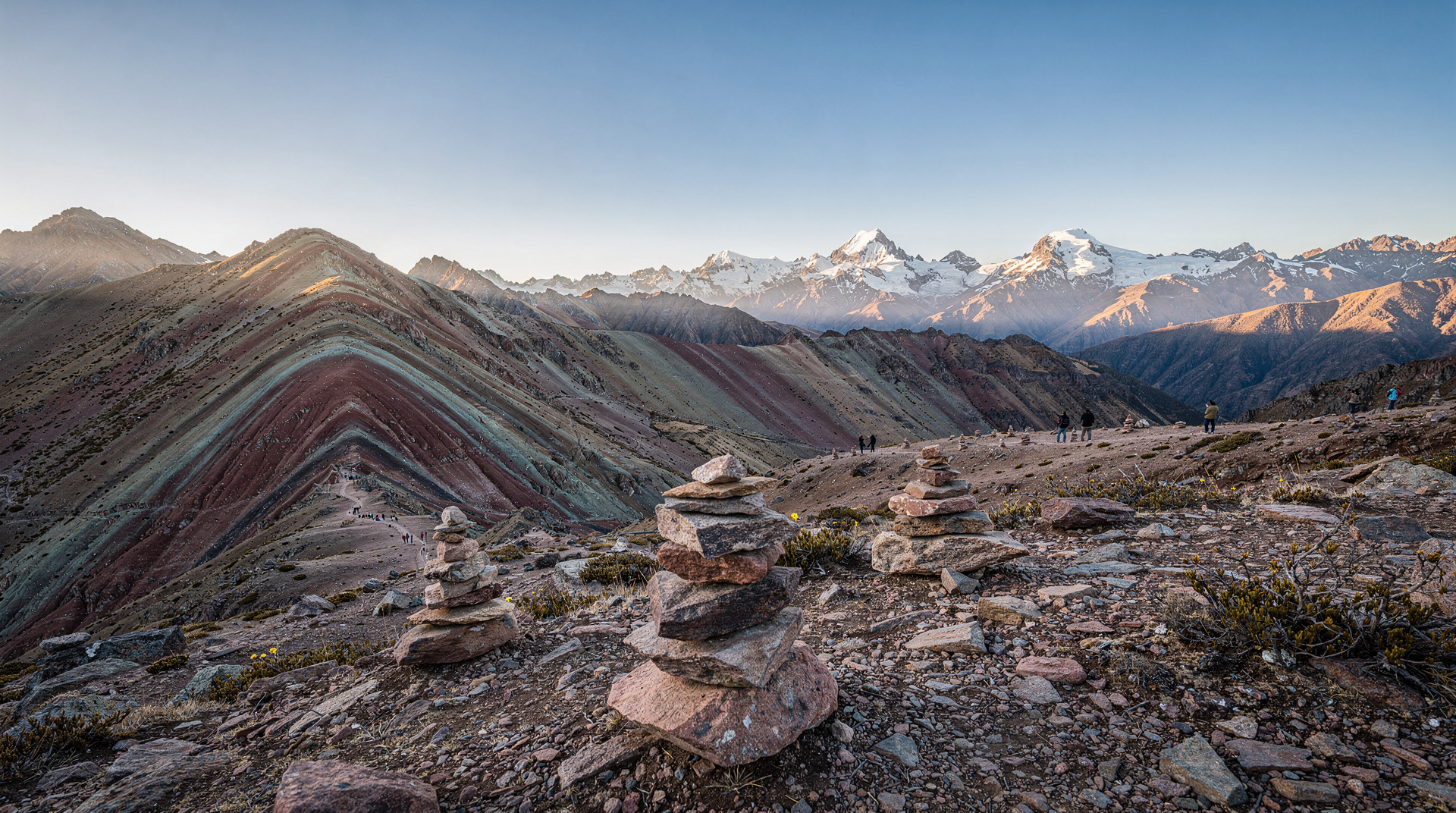
Rainbow Mountain (Vinicunca) is one of the most photographed sites in Peru. The distinctive mineral-stained striations of red, gold, green and lavender on the mountain’s flanks are genuinely extraordinary and are not a digital fabrication. But the gap between the Instagram image and the on-the-ground experience is significant enough that this tour warrants more honest pre-booking scrutiny than almost any other day trip from Cusco.
The key facts that operators downplay: you are walking to 5,200 m altitude, which is serious. You will be doing this after a 3–4 am hotel pickup and a three-hour drive. You may arrive to find the mountain under cloud. In peak season (July–August), you will share the viewpoint with hundreds or even over a thousand other visitors. And if you are not yet properly acclimatised to Cusco’s 3,400 m, you should not be attempting 5,200 m regardless of how the tour is marketed.
This review tells you exactly what to expect, when to book it, and when to choose the quieter Palccoyo alternative instead.
| Where | Vinicunca, ~3 hrs from Cusco via Cusipata |
| Cost | S/100–200 (~$30–60) |
| Altitude | Trailhead 4,330 m; viewpoint 5,200 m |
| Walk | ~5 km each way, 870 m gain, 1.5–2.5 hrs |
| Total day | 13–15 hours |
| Best time | Dry season, 3–4 am departure |
How the day unfolds
Hotel pickups in Cusco begin between 3:00 and 4:30 am depending on the operator. The drive takes approximately 3 hours via Checacupe and up into the high puna grasslands. You reach the Cusipata car park at around 4,330 m — already 930 m above Cusco. If you are going to feel the altitude, you will know it here before you start.
The hike from the car park to the Rainbow Mountain viewpoint is approximately 5 km with 870 m of elevation gain. The first section crosses flat puna grassland; the steeper section begins about halfway up. At this altitude, “steep” has a different meaning than it does at sea level. Most fit, acclimatised trekkers take 1.5 to 2.5 hours to reach the viewpoint. Allow extra time and stop as frequently as needed.
Book the standard Rainbow Mountain day trip from Cusco, which includes hotel pickup, transport, a guide for the walk, and basic lunch or snack pack depending on the operator.
The viewpoint itself offers a direct facing view of the Vinicunca flank — when the sky is clear, the colours are vivid and the setting is unlike anywhere else in the Andes. In cloud, you may be looking at a grey hillside. Most tours allow 45–60 minutes at the top before the group descends.
Return to Cusco typically arrives between 5:00 and 7:00 pm. The full day runs approximately 13–15 hours.
The walk from the car park: what the trail is actually like
The trail from the Cusipata car park (4,330 m) to the Vinicunca viewpoint (5,200 m) covers approximately 5 km each way. The first kilometre follows a relatively flat path across open puna grassland, passing local vendors offering horseback hire and coca products. The altitude hits most visitors immediately at the car park — simply walking at 4,330 m with a pack is noticeably harder than at Cusco’s 3,400 m.
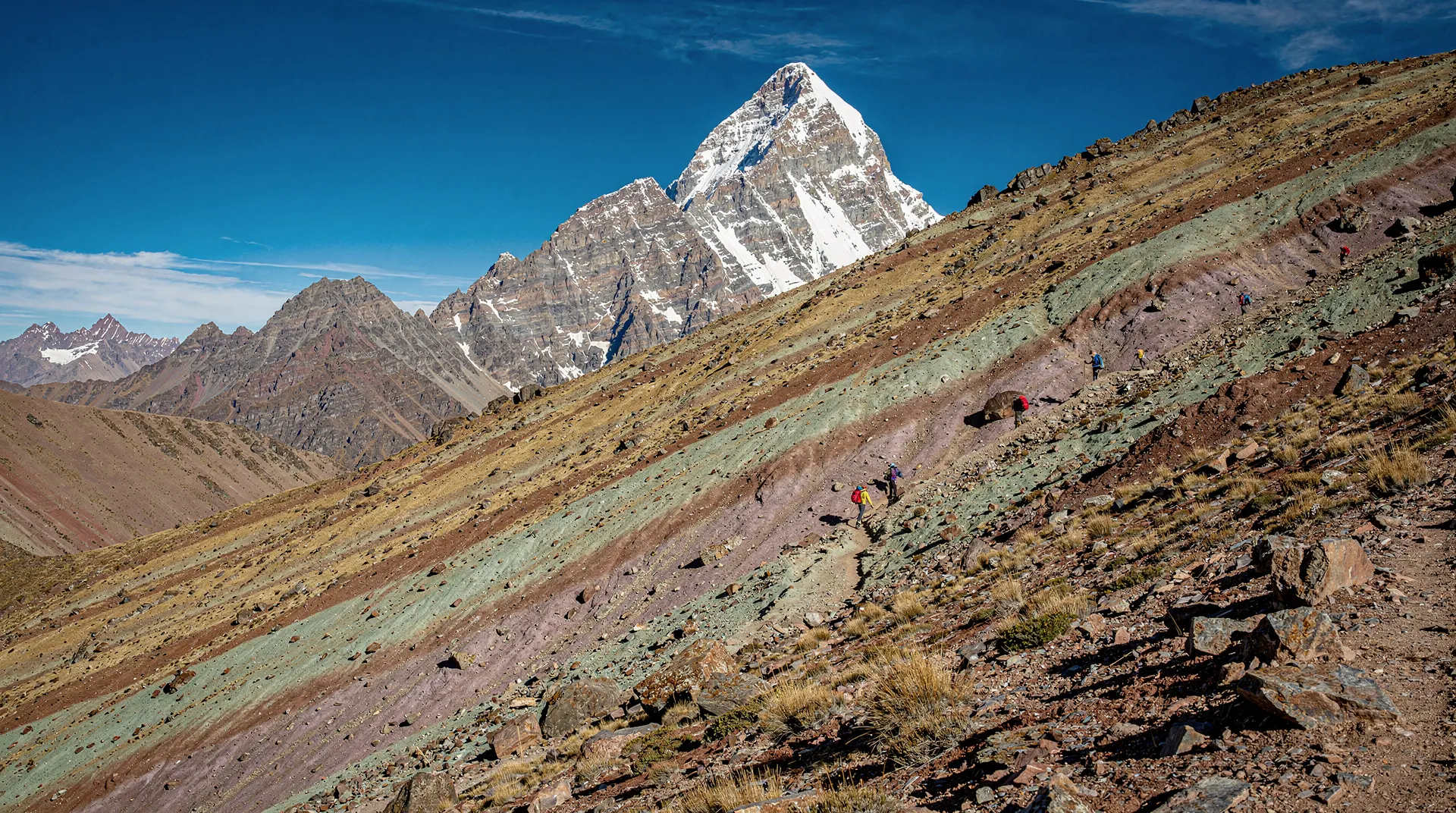
The ascent steepens in the middle section, where the trail climbs a series of natural ridges through grassland that transitions to scree in the upper section. Stone steps have been installed in the steepest parts to reduce erosion. The final 500 m to the viewpoint involves a sustained climb on loose stone at maximum altitude — this is where the majority of altitude sickness incidents occur. Go slowly, breathe steadily, and stop when you need to rather than pushing through.
The viewpoint itself is a narrow ridge overlooking both the Vinicunca colour face and, on the opposite side, the upper valley. The coloured face is immediately in front of you — a broad slanting hillside striped in the distinctive mineral bands. On a clear morning, you are looking at the view that launched a thousand Instagram posts; on a cloudy morning, you are looking at greyish rock. This is the fundamental gamble of the trip.
From the main viewpoint, a side path (approximately 1 km, 30–40 minutes extra) leads to the Red Valley — an even more dramatic crimson landscape in a bowl below the ridge. This side trip is underused because most standard tours do not include it in their scheduled time; ask your guide specifically whether time allows. The Red Valley is worth the extra walking time if weather permits.
What is and is not included
Standard inclusions: hotel pickup and return transport, guide for the hike, basic entrance fee (some operators include this; others add it on the day). Many operators include a simple breakfast and lunch, though quality varies — confirm specifics before booking.
Not included: horse hire at the trailhead (S/40–60 for one way), any additional food or drinks beyond what is stated, tips for the guide, and any rescue or medical evacuation costs. The trek is above 5,000 m — travel insurance that covers mountain rescue at altitude is essential.
Who this tour suits — and who it does not
This tour suits travellers who have spent a minimum of three full days (ideally four or five) acclimatising in Cusco, are physically fit, and have no history of severe altitude sickness. It is particularly rewarding for photographers and those seeking the most dramatic visual experience the Cusco region offers outside Machu Picchu. The dry season (May–September) maximises the chance of good visibility and vivid colours.
It does not suit travellers who have been in Cusco for fewer than two days, those who experienced significant altitude sickness on arrival, anyone with heart or respiratory conditions, or travellers with limited mobility (the upper section of the trail is steep and at altitude). Children under about 12 should only attempt this with experienced guides and a clear plan for turning back if needed.
Altitude: the honest guide
At 5,200 m, Vinicunca is one of the highest accessible viewpoints in South America that receives mass tourism. At this altitude, healthy sea-level adults operating at 100% capacity at 3,400 m will be operating at roughly 60–70% capacity at 5,200 m — noticeably short of breath, slower, potentially dizzy or nauseous.
The Rainbow Mountain altitude tips guide covers the full preparation strategy. Key points: do not attempt this until you have been at altitude for at least 3 days, drink significantly more water than you think you need (2–3 litres minimum during the hike), avoid alcohol the evening before, and do not rush the ascent. Horses are a legitimate assistance tool, not a concession. The altitude sickness guide explains the symptoms and the decision to turn back.
What the geology actually is — and why the mountain looks like that
Vinicunca was not always visible. Until approximately 2015, it was permanently snow-covered, and the mineral-stained rock beneath the snow had never been seen by the modern world. Climate change has caused rapid glacier retreat across the Peruvian Andes, exposing the Vinicunca flanks over the course of just a few years. The site became globally famous through social media from around 2016. This context — a landscape made accessible by accelerating climate change — gives the visit a different kind of emotional weight if you choose to engage with it. A good guide will explain this without turning it into a lecture.
The colours themselves are the result of different mineral deposits laid down over millions of years by hydrothermal activity and subsequently tilted and folded by tectonic uplift. The red is iron oxide (the same compound that gives Mars its colour); the yellow comes from sulphur compounds; the green from chlorite (a magnesium-rich silicate mineral). These minerals were deposited at different depths, which is why the striations appear in distinct bands — you are looking at a cross-section of the earth’s interior exposed by glacier retreat. The depth of colour varies with moisture, angle of sunlight, and season, which is why the same mountain looks significantly different in photographs taken on different days.
Operator selection and what to look for
The Rainbow Mountain Vinicunca day trip is one of the most commoditised tours in the Cusco market, with dozens of operators offering broadly similar products at similar prices. The variables that actually matter:
Group size: Tour vans typically hold 12–16 people. Operators filling 30-seat coaches are optimising for margin, not experience — moving 30 people from the car park to the viewpoint at 5,200 m is significantly more chaotic and slow than the same trip with 12. Ask specifically about maximum group size before booking.
Guide quality: The difference between a guide who gives the geological backstory, the altitude management advice, and the honest weather assessment, versus one who simply leads you up the hill, is the difference between understanding why the mountain is extraordinary and simply seeing it. Ask about guide bilingual certification.
Breakfast and meal quality: The 3:00–4:30 am departure means breakfast is often rushed or skipped. Operators who include a proper warm breakfast at a designated stop (typically 1–2 hours into the drive) produce trekkers who are better fuelled for the altitude climb. Confirm whether breakfast is included and what it consists of.
Flexibility on the day: Some operators are rigid about turnaround times; others allow the group to stay at the viewpoint for longer if conditions permit. If you are a photographer, ask whether the group schedule allows 90 minutes at the top on good-weather days.
Honest pros and cons
Pros: The visual payoff on a clear day is extraordinary and unique. The high puna grassland landscape is dramatic even before you reach the coloured mountain. The day trip format from Cusco means no additional logistics beyond the early morning. Horses available for those who need assistance with the ascent.
Cons: 3–4 am departure is genuinely brutal after days at altitude. No guarantee of clear weather — cloud is common even in dry season. Peak season crowds (July–August) are substantial: the viewpoint can hold over 1,000 people on busy days. The hike is short in distance but very hard at altitude. Some visitors experience severe altitude sickness and must turn back before reaching the viewpoint — there is no partial refund for incomplete ascents with most operators.
How it compares to the alternatives
The standard day trip product (transport, guide, entrance) is the baseline offering. Price range: S/100–200 (~$30–60) per person. Differences between operators at this price point mostly relate to vehicle quality, group size, and whether breakfast/lunch is included.
Palccoyo full-day tour is the honest recommendation for many travellers. At roughly 4,900 m summit altitude (300 m lower than Vinicunca), with a much easier and shorter walk (approximately 45 minutes of gentle trekking from the car park), dramatically fewer visitors, and a viewpoint that shows multiple coloured mountains simultaneously, Palccoyo is the right choice for those who are less fit, less acclimatised, or simply want a more tranquil experience. The colours are slightly less vivid, but the overall experience is generally rated higher by visitors who have done both. See the Vinicunca vs Palccoyo guide for the full honest comparison.
The Red Valley ATV tour combines an ATV ride through the high-altitude landscape near Rainbow Mountain with access to the Red Valley viewpoint — a less-visited area in the same mountain complex with striking crimson mineral formations. This is the right choice for travellers seeking something physically distinct from the standard walking format, though it still involves altitude (the ATV ride reaches 4,600–4,900 m in places).
Vinicunca versus its alternatives
| Vinicunca | Palccoyo | Red Valley ATV | |
|---|---|---|---|
| Summit altitude | 5,200 m | ~4,900 m | 4,600–4,900 m |
| Physical demand | Hard, sustained climb | Gentle, undulating | Moderate, mostly seated |
| Crowds | Heavy, peak season 1,000+ | 50–200/day | Light |
| Price | S/100–200 | S/90–150 | S/180–280 |
| Best for | Fit, acclimatised, want the iconic shot | Lower fitness, fewer acclimatisation days | Something physically different |
What to do if the mountain is clouded over
Weather at 5,200 m is genuinely unpredictable, and no operator can guarantee clear skies. If you arrive to find Vinicunca under cloud, a few things are worth knowing: mornings are statistically clearer than afternoons even within the dry season, so an earlier arrival time improves your odds meaningfully. Cloud often clears partially through the visit — many groups who arrive to grey rock see genuine colour emerge 20–30 minutes later as the cloud shifts. If it does not clear, most operators do not offer refunds for weather, since the mountain itself is fully accessible regardless of visibility; check your specific operator’s policy before booking if this risk concerns you.
Some travellers with flexible schedules deliberately keep a buffer day in Cusco specifically to attempt Vinicunca again if the first visit was clouded out. If a second attempt is not possible, remember that the puna grassland scenery, the llama and alpaca herds along the trail, and the sheer physical achievement of reaching 5,200 m are still genuine even without the full colour payoff — several travellers who have done the hike under cloud still describe it as worthwhile for the landscape and the sense of accomplishment alone.
Pricing reference (2026)
Standard day trip (transport, guide, entrance): S/100–175 ($30–50) per person. Mid-range with breakfast and lunch included: S/175–250 ($50–75). Horse hire at trailhead: S/40–60 each way. Palccoyo full day: S/90–150 ($26–43). Red Valley ATV: S/180–280 ($52–80).
Verdict
Vinicunca Rainbow Mountain is a legitimate highlight of the Cusco region — on a clear day, with proper acclimatisation, it is one of the most visually distinctive landscapes you will see anywhere in the world. The caveats are real: altitude, weather unpredictability, and peak season crowds mean the experience varies significantly. If you have been in Cusco for fewer than three days, choose Palccoyo instead. If you are fit, acclimatised, and prepared for an early start, the Rainbow Mountain complete guide will help you plan a visit that gives you the best possible chance of the clear-sky experience the photographs promise.