Machu Picchu: what to expect when it's on your bucket list
What happens when you finally get there
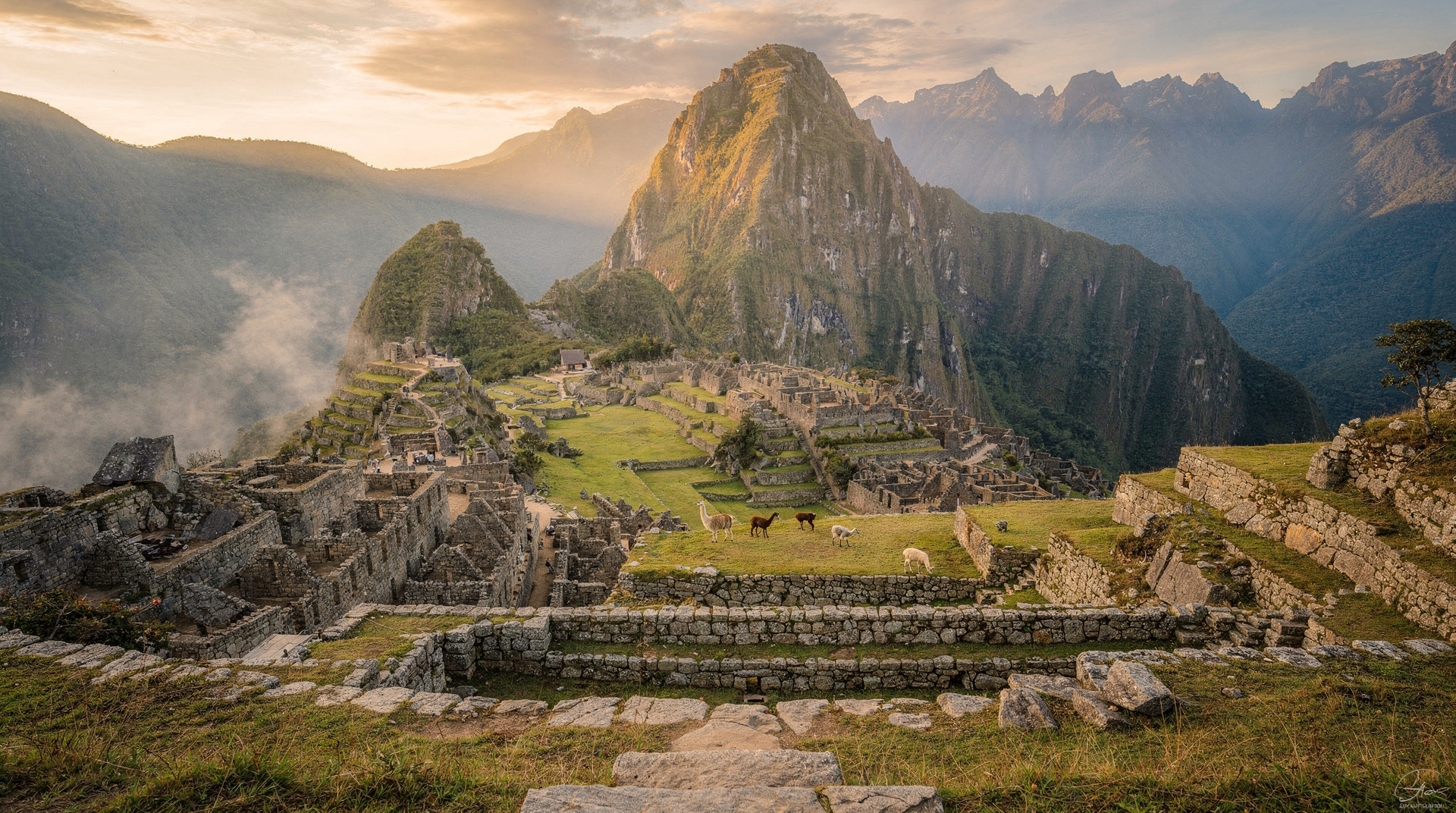
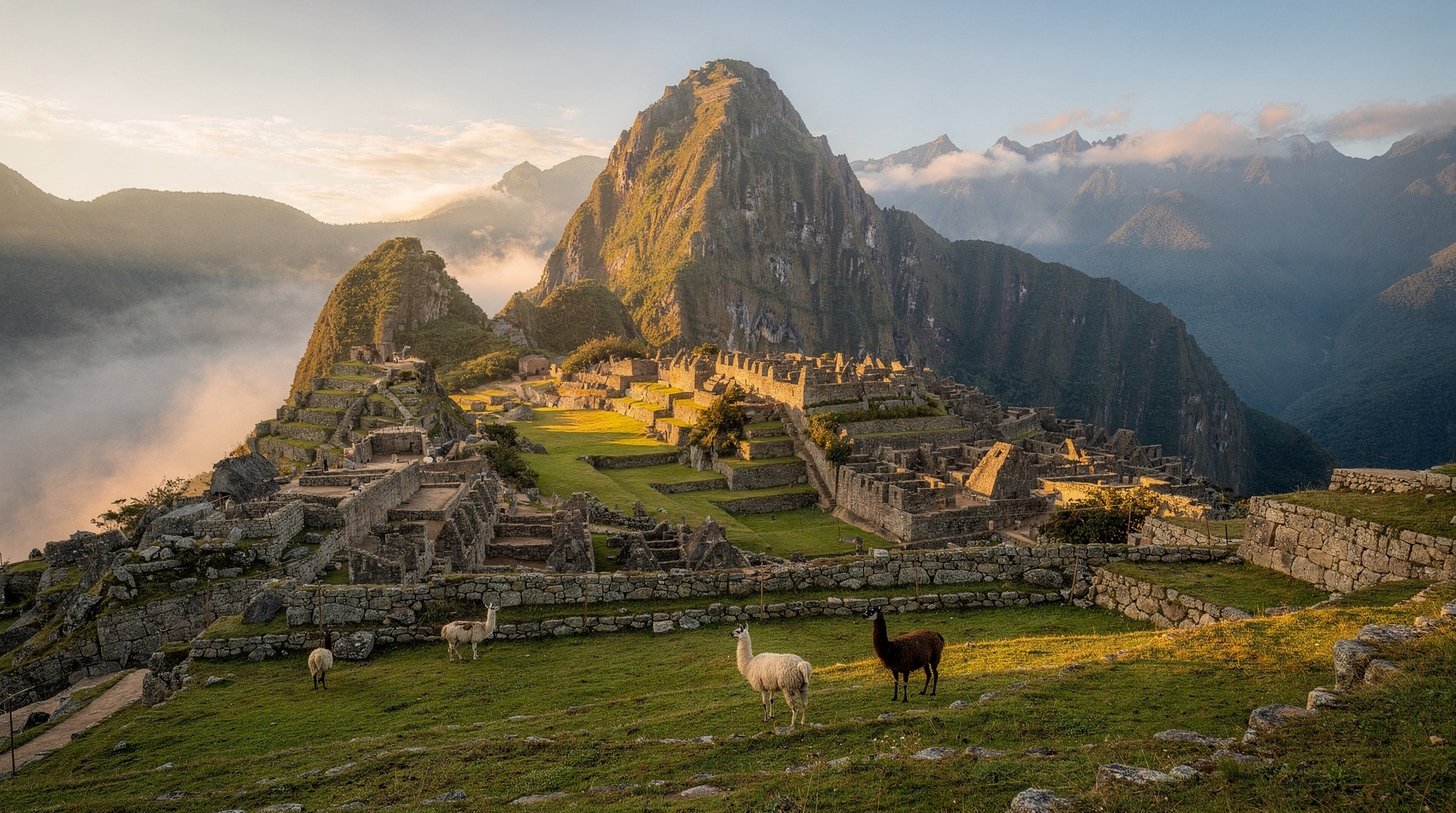
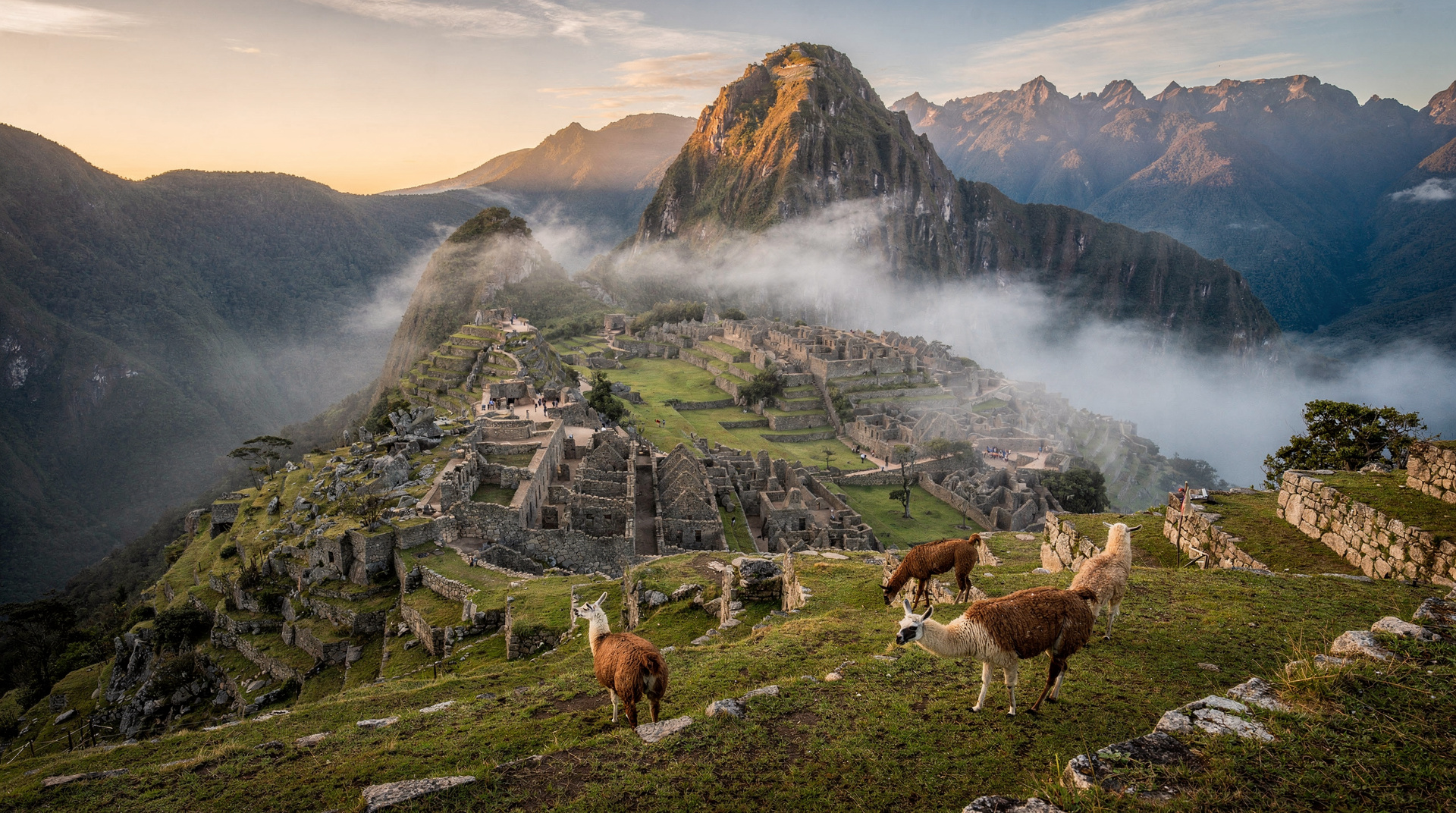
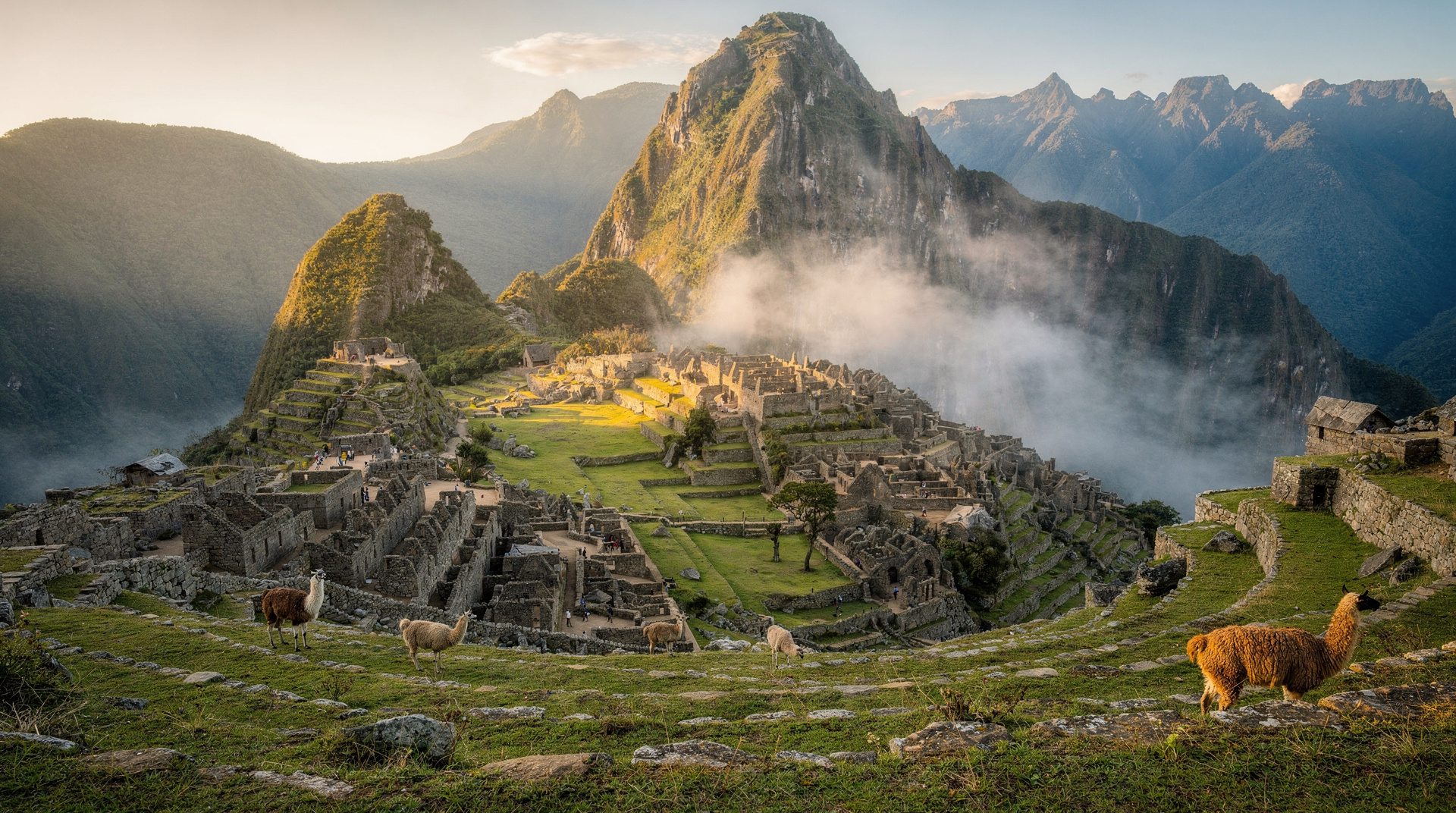
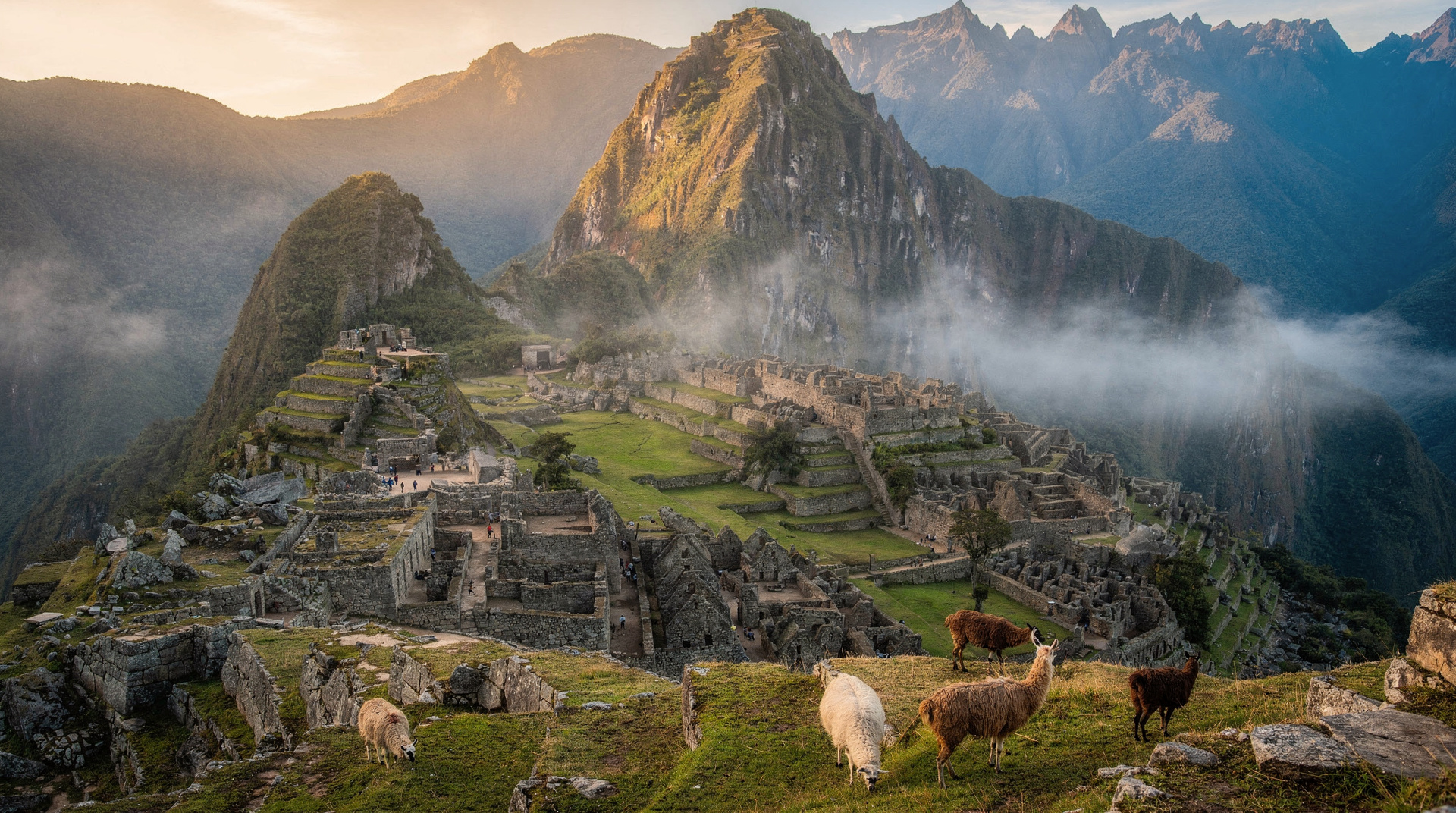
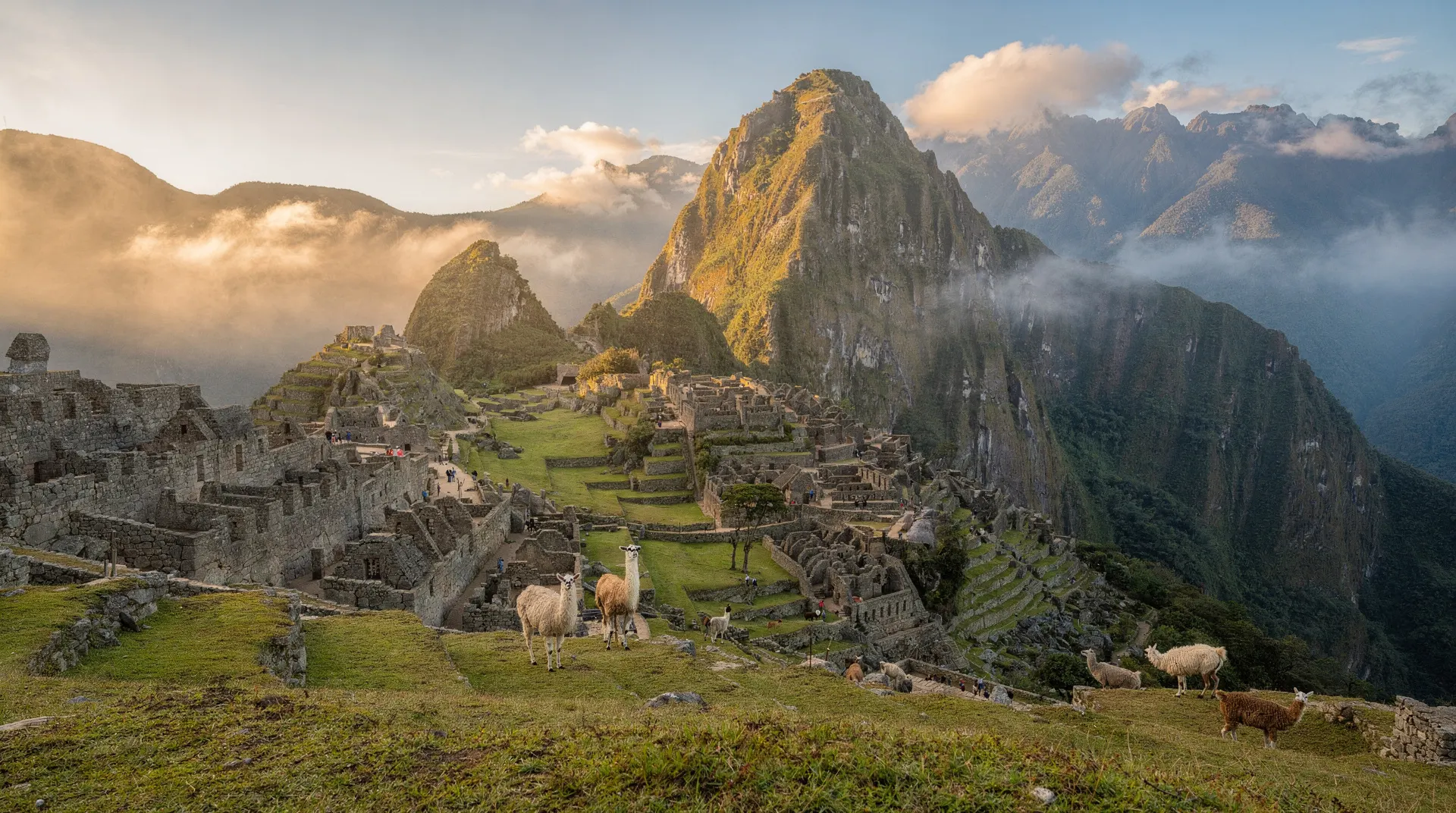
Machu Picchu has been on more bucket lists for more years than almost any other single destination. The photograph — the one showing the terraced ruins against the green mountain ridge with mist in the valley below — has been reproduced so extensively, in so many contexts, that it has become one of the most recognisable images in travel. Which creates a problem. When a place is this famous, when you have seen the image hundreds of times before you visit, when you arrive with the weight of your own anticipation, the real thing can only disappoint.
Except it does not disappoint. This surprised me more than almost anything else about the visit.
| Getting there | Train from Cusco or the Sacred Valley, then bus from Aguas Calientes |
| Altitude | 2,430 m — a relief after Cusco’s 3,400 m |
| Time needed | 5–6 hours on site for a proper visit |
| Booking | Entrance ticket mandatory in advance, book weeks ahead in high season |
| Best light | First entry slot, before 9 am |
The approach matters enormously
The journey to Machu Picchu is not a formality. The train from Cusco through the Sacred Valley — two and a half hours along a river that tightens between increasingly dramatic mountain walls — is one of the great railway rides in South America. The vegetation changes as you descend from the dry altiplano into cloud forest. By the time you reach Aguas Calientes at 2,040 metres, you have lost 1,400 metres of altitude and the air feels thick and warm by comparison.
The bus from Aguas Calientes to the ruins takes 20 minutes on a switchback road cut into the mountainside. Queues form early — the first buses leave before six in the morning and the early crowd is there for a reason. Arriving at the main gate as it opens, before the mid-morning groups, gives you a version of the site that the afternoon visitor does not get.
A day trip by train from Cusco is the standard approach and it works well. The train schedules mean you can arrive early enough for the morning light, spend five to six hours at the site, and return in the afternoon. The day is long but the organisation is manageable with a pre-booked ticket.
If you are still deciding how to arrive, the guide to getting to Machu Picchu lays out the options side by side, and Machu Picchu by train covers what the rail journey itself involves. Staying overnight in Aguas Calientes is another way to reach the gate before the day-trip crowds, and it takes some of the strain out of the schedule.
The scale that photographs cannot convey
The photographs of Machu Picchu, however faithful, cannot convey one essential quality: the scale of the surrounding geography. The ruins sit on a narrow ridge between the river valley below and mountain peaks above, and the drop on both sides is vertiginous. You are not looking at a flat site. You are standing at 2,430 metres on a ridge that falls away sharply in every direction, with peaks rising to 5,000 metres and above all around you.
The terraces — more than 700 of them, descending in agricultural shelves down the mountain flanks — were functional, not ornamental. Machu Picchu was a royal estate and ceremonial centre built under the Inca emperor Pachacuti in the mid-15th century. The terracing served the estate’s food production needs and the engineering of the hydraulic system — channels that still carry water from mountain springs across the site — represents a level of civil engineering competence that is hard to square with the fact that no written record of its construction survives.
This historical gap — that we know a great deal about the Inca Empire from Spanish colonial records and from oral tradition, but that the specific people and decisions behind Machu Picchu’s construction are largely unknown — gives the site an additional layer of strangeness. The Machu Picchu complete guide covers the archaeology in more depth than I can do justice to here.
The crowds and how to think about them
The honest truth about Machu Picchu is that it is busy. Peru introduced an entrance ticket limit of around 4,500 people per day some years ago; before that, visitor numbers were significantly higher and the site was visibly suffering. With the current ticketing system, there are distinct morning and afternoon slots, and popular circuits — particularly the area around the classic viewpoint — queue at peak times.
None of this made the experience feel diminished to me, which surprised me. I expected the crowds to break the spell. They did not, for two reasons. First, the site is large enough that once you move through the main viewpoint area and follow the terraces or the residential sectors, density thins considerably. Second, the quality of the physical place — the craftsmanship, the setting, the light — is persistent enough that it holds up even in company.
The practical response: book in advance (mandatory now), arrive early, spend time in the less-visited areas (the agricultural terraces to the south, the industrial sector, the temple of the three windows in quieter moments), and carry water and a snack because the food options inside the site are limited.
Timing also shapes how busy it feels. The best time to visit Machu Picchu explains how the seasons change both the crowds and the views, and the circuits compared guide helps you pick a route that suits the pace you want.
What the bucket-list framing gets wrong
There is something slightly misleading about the bucket-list concept as applied to Machu Picchu. The framing suggests a single peak experience — you see it, you tick it, you move on. Machu Picchu rewards a different approach.
People who visit once and feel they have “done” it are correct that they have seen the famous views. But there is a version of the site that takes longer: following a guide who can explain the astronomical alignments, standing in the Intihuatana enclosure and understanding how the stone pillar was used to track the sun’s path, walking to the Sun Gate early in the morning when clouds sit in the valley below.
The Inca Trail arrives at this same Sun Gate — Inti Punku — on the fourth morning of the trek, and the view that greets trekkers after three days of mountain walking is the classic Machu Picchu panorama. This is, by most accounts I have heard and read, one of the finest moments in trekking travel. It is a different experience from arriving by train, not better or worse exactly, but differently earned.
Booking logistics in plain language
Tickets must be bought through the official Peruvian government website. They sell out weeks in advance during high season (June to August). The system is not always easy to navigate if your Spanish is limited, though the interface has an English option.
What you need to decide before booking: which circuit (there are now numbered circuits within the site), whether you want the option to climb Huayna Picchu mountain or Machu Picchu Mountain (both require separate tickets and sell out faster than general admission), and what time slot works with your train times.
Buying from third-party agencies adds a booking fee without adding any practical benefit. The Machu Picchu tickets guide explains the current system in detail including exactly which government URL to use and what to expect from the booking process.
Combining it with the rest of Cusco
For most people, Machu Picchu is one stop within a longer Cusco trip rather than a standalone destination, and it’s worth planning it that way. Arriving in Cusco a few days early to acclimatise, exploring the Sacred Valley en route, and treating Machu Picchu as the culmination of the trip rather than a rushed day-trip bolted onto a city break makes the whole experience land better. Rushing straight from the airport to the ruins, without any altitude adjustment beforehand, is the single most common mistake I see first-time visitors make.
A sensible acclimatization plan for Cusco makes the first days far more comfortable, and the altitude sickness guide is worth reading before you fly. If you are wondering how long to give the region overall, how many days in Cusco helps you shape the plan, and the Cusco and Machu Picchu 4-day itinerary shows one way to fit it all together. Staying in the valley first is explored in Sacred Valley vs Cusco as a base.
Full-day Sacred Valley tour from Cusco pairs naturally with a Machu Picchu day trip and gives context for the Inca engineering you’ll see at the main site.
Why it works
I have visited a significant number of UNESCO World Heritage Sites and places described as unmissable. Many of them are, in fact, quite missable — their reputation built on history rather than on the current quality of the experience. Machu Picchu is not in this category.
What makes it work is the combination of scale, engineering, setting and historical mystery arriving simultaneously. You cannot separate the quality of the Inca stonework from the mountain geography it sits within; you cannot look at the agricultural terraces without thinking about the hydraulic engineering that fed them; you cannot stand in the Temple of the Sun without registering the precision of the astronomical alignment, the window angled to frame the sunrise precisely on the winter solstice.
It is a lot. After a full day there I was simultaneously exhausted and unwilling to leave. That is the correct response to a place that earns its position on the bucket list. The Cusco destination guide has the planning framework for building your whole trip around it.
Go without expectations of quiet or solitude. Go ready to be surprised anyway.